Lina Wu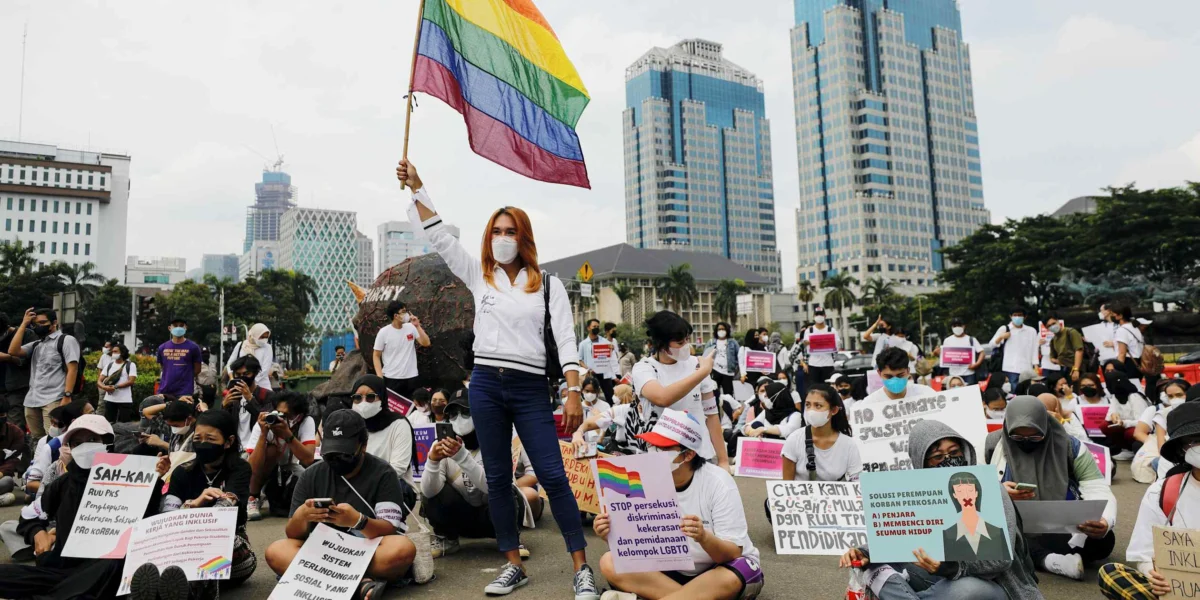
SURABAYA, Indonesia — Human rights organizations have issued urgent warnings regarding a significant escalation in the persecution of Indonesia’s Lesbian, Gay, Bisexual, and Transgender (LGBT) community. This growing concern follows a series of recent vigilante attacks targeting transgender women and the implementation of new regulations that have amplified fears of further threats and discrimination. The situation in Southeast Asia’s largest democracy, a nation with the world’s largest Muslim population and a constitution that theoretically guarantees equality, is increasingly drawing international scrutiny as activists grapple with a complex interplay of social conservatism, legal ambiguities, and the resurgence of organized intolerance.
The latest wave of incidents, detailed by various rights groups and corroborated by local media reports, paints a grim picture for LGBT individuals in Indonesia. These events are not isolated; they represent a discernible pattern of increased hostility and targeted violence. While specific figures are difficult to ascertain due to the clandestine nature of many attacks and the reluctance of victims to report to authorities who may not offer adequate protection, anecdotal evidence and the growing number of reported incidents suggest a disturbing trend. For instance, in the weeks preceding this report, multiple accounts emerged from different cities, including Surabaya and Jakarta, detailing instances where transgender women were allegedly harassed, physically assaulted, and in some cases, forced to flee their homes by groups reportedly acting outside the law.
Background Context: A Shifting Landscape for LGBT Rights
Indonesia’s stance on LGBT rights has always been nuanced and fraught with complexities. For decades, while there were no specific laws criminalizing consensual same-sex relationships at the national level, societal attitudes have often been conservative, particularly in more religiously observant regions. However, the situation began to shift significantly in the mid-2010s. In 2016, a wave of anti-LGBT sentiment swept across the country, fueled by religious conservative groups and amplified by social media. This period saw increased public discourse, often characterized by inflammatory rhetoric, and led to a series of localized regulations and actions that targeted the LGBT community.
This shift culminated in the 2019 revision of Indonesia’s Criminal Code, which, while not explicitly outlawing same-sex relations between consenting adults, introduced a vague provision criminalizing "an act of sodomy" and "an unnatural sexual act." Critics argued that these provisions were broad enough to be interpreted and used against LGBT individuals, creating a chilling effect and providing a legal pretext for harassment. While the Constitutional Court in 2017 rejected a challenge to decriminalize same-sex relationships, the legal landscape has remained precarious, with a growing number of local governments enacting bylaws that discriminate against LGBT people, often under the guise of public morality or religious values.
Chronology of Escalating Concerns
The current climate of heightened persecution can be traced back to a series of events and policy shifts. The vigilante attacks, while not entirely new, appear to have gained momentum in recent months. Reports from organizations like Human Rights Watch and local Indonesian rights groups, such as the Indonesian Legal Aid Foundation (YLBHI), indicate a pattern of organized harassment and violence, often perpetrated by informal groups acting with perceived impunity.
- Early 2024: Increased reports of transgender women being subjected to verbal abuse, threats, and physical violence in public spaces, particularly in major urban centers. These incidents often occur in areas perceived as less safe or where transgender individuals are known to congregate for work or social reasons.
- Mid-2024: The introduction of new regulations at the provincial or municipal level in several regions, ostensibly aimed at controlling "immoral behavior" or "deviant practices." These regulations often lack clear definitions but are widely understood by the LGBT community and human rights observers to specifically target and criminalize LGBT identities and expressions. For example, a hypothetical regulation might ban public gatherings deemed "contrary to religious teachings" or restrict certain forms of employment for individuals perceived to be LGBT.
- Late 2024 / Early 2025: A notable surge in vigilante actions, where groups reportedly take it upon themselves to "enforce" these perceived moral codes. This has led to incidents where transgender women have been forcibly evicted from their homes, physically assaulted, and in some cases, driven out of their communities. The lack of robust law enforcement response in many of these cases further emboldens such actions.
- Recent Weeks (leading up to July 2026): The specific events that have triggered the current alarm involve a series of coordinated attacks in Surabaya, where several transgender women reported being targeted by organized groups. These attacks reportedly involved intimidation, property damage, and physical altercations, with victims claiming that local authorities were slow to intervene or dismissive of their complaints. Similar incidents have been reported in other parts of Java.
Supporting Data and Trends
While comprehensive, official data on anti-LGBT violence in Indonesia is scarce, several indicators point to a worsening situation:
- Increased Reporting to NGOs: Local LGBT advocacy groups and human rights organizations have reported a significant uptick in the number of individuals seeking assistance, reporting harassment, and requesting protection. For instance, one prominent organization in Jakarta noted a 30% increase in support requests related to physical safety and legal aid over the past year.
- Wider Societal Polarization: Public discourse on social media and in some traditional media outlets has become increasingly hostile towards the LGBT community. Studies by academic institutions analyzing online sentiment have shown a rise in anti-LGBT rhetoric, often mirroring the narratives promoted by conservative religious groups.
- Geographic Concentration of Incidents: While persecution exists across Indonesia, certain regions, particularly those with a strong presence of conservative Islamic organizations and a history of implementing local Sharia-inspired bylaws, have seen a higher incidence of anti-LGBT incidents. This includes parts of Aceh, West Java, and increasingly, other urban centers like Surabaya.
- Impact on Transgender Women: Transgender women appear to be disproportionately targeted. Their visibility in certain public spaces, often linked to their livelihoods, makes them more vulnerable to harassment and violence. Reports indicate that attacks often involve humiliation, public shaming, and the destruction of property.
Reactions from Related Parties
The escalating persecution has elicited a range of reactions from various stakeholders:
- Human Rights Watch (HRW): In a recent statement, HRW urged the Indonesian government to "immediately condemn these attacks and hold those responsible accountable." They highlighted the role of discriminatory laws and regulations in creating an environment where such violence can flourish. "The Indonesian authorities have a duty to protect all their citizens, including the LGBT community, from violence and discrimination," said Phil Robertson, deputy Asia director at Human Rights Watch. "Instead, a climate of impunity is allowing vigilante groups to operate with impunity, further endangering vulnerable individuals."
- Local LGBT Advocacy Groups: Organizations on the ground are struggling to cope with the increased demand for support. They are providing safe houses, legal assistance, and psychological counseling. However, their resources are often stretched thin, and their efforts are hampered by the lack of official cooperation and the pervasive fear among victims of retaliation. "We are seeing a pattern of deliberate targeting," stated a spokesperson for a Surabaya-based LGBT support group, who requested anonymity for fear of reprisal. "These are not random acts; they are organized attempts to erase our presence. We need the government to step in and protect us, not turn a blind eye."
- Conservative Religious Organizations: These groups often publicly advocate for policies that restrict LGBT rights, framing their stance as a defense of religious values and public morality. They frequently deny responsibility for vigilante actions, while simultaneously promoting narratives that demonize the LGBT community. Their influence on public opinion and policy-making remains significant in many parts of Indonesia.
- Indonesian Government: Official responses have been mixed and often characterized by a cautious approach. While the central government, under President Joko Widodo, has generally espoused a message of tolerance and inclusivity, it has also been hesitant to confront powerful conservative factions. Statements from government officials often emphasize the importance of national unity and adherence to existing laws, without directly addressing the specific plight of the LGBT community or condemning the vigilante actions. There has been a lack of decisive action to investigate and prosecute perpetrators of anti-LGBT violence, which human rights groups argue sends a signal that such acts are not taken seriously.
Broader Impact and Implications
The intensifying persecution of the LGBT community in Indonesia carries significant implications, both domestically and internationally:
- Erosion of Human Rights Protections: The continued targeting of a minority group undermines the broader human rights framework of Indonesia, a nation that aspires to be a democratic leader in Southeast Asia. It creates a precedent for the erosion of protections for other vulnerable communities.
- Economic and Social Costs: The fear and insecurity generated by these attacks can lead to social unrest and instability. Furthermore, it can negatively impact tourism and foreign investment, as international businesses and travelers become wary of visiting a country perceived as unsafe or discriminatory.
- International Scrutiny and Diplomacy: The situation is likely to attract increased attention from international human rights bodies, foreign governments, and global advocacy organizations. This could put diplomatic pressure on Indonesia to reform its laws and policies and to ensure the safety of all its citizens.
- Internal Social Divisions: The heightened polarization around LGBT issues can exacerbate existing social divisions within Indonesia, potentially fueling further intolerance and conflict. It also puts a strain on interfaith dialogue and efforts to build a more inclusive society.
- Mental Health Crisis: The constant threat of violence, discrimination, and social ostracization has a profound and detrimental impact on the mental health of LGBT individuals. Many live in a state of perpetual anxiety, fearing for their safety and their future.
The situation in Indonesia for its LGBT citizens is a stark reminder of the ongoing global struggle for equality and human rights. As vigilante attacks become more frequent and regulations increasingly threaten to criminalize their existence, the calls for decisive action from the Indonesian government grow louder. The coming months will be critical in determining whether Indonesia upholds its constitutional promise of equality or succumbs to the forces of intolerance.