Gilang Muhammad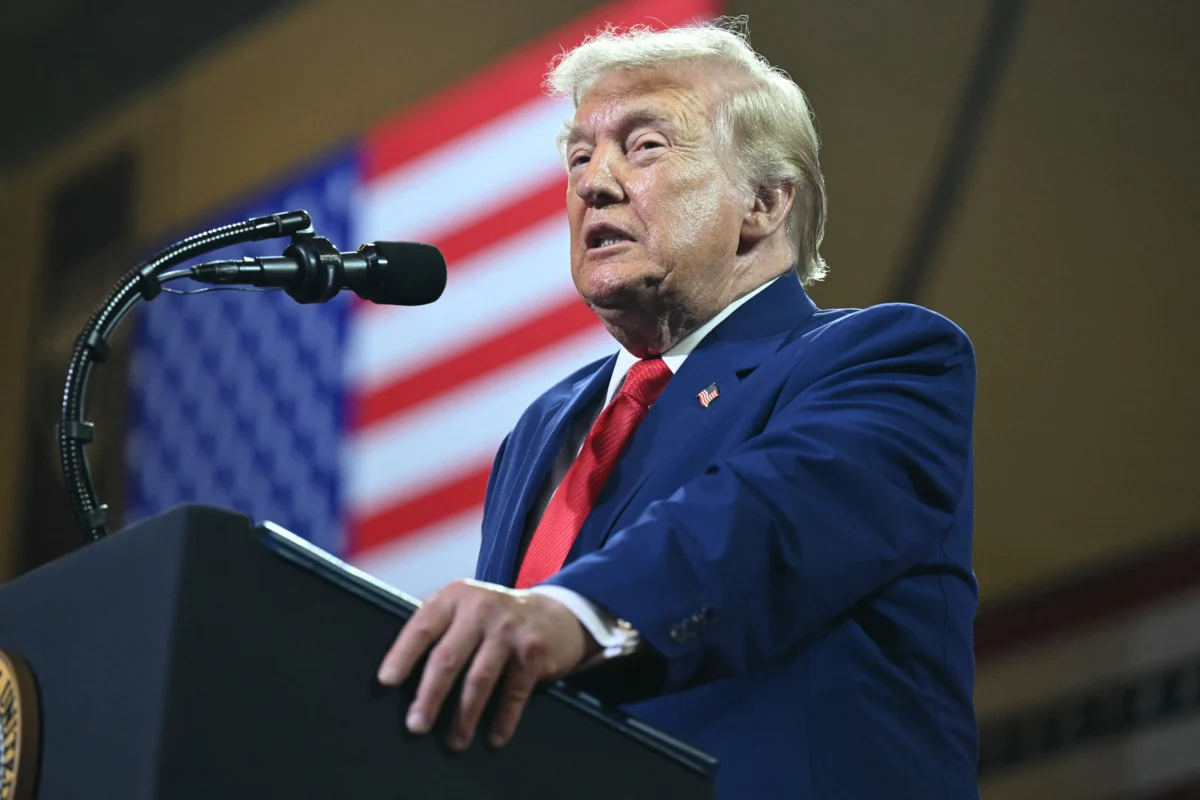
The United States has unveiled a new, expansive regime of global tariffs, targeting 60 economies for what Washington asserts is their failure to adequately ban and enforce prohibitions on goods produced with forced labor. This significant trade action, implemented under Section 301 of the Trade Act of 1974 by the Office of the U.S. Trade Representative (USTR), has immediately sparked widespread rejection from affected U.S. trading partners, who largely dismiss the forced-labor rationale as a pretext while signaling a preference for negotiation over retaliatory measures.
The New Tariff Regime: Details and Scope
On Thursday, July 23, 2026, the USTR announced the imposition of tariffs across a broad spectrum of imports, covering the top 60 U.S. trade partners and an astonishing 99.4% of all American imports. The new duties are tiered: a 10% additional tariff applies to partners that have adopted or committed to import prohibitions related to forced labor, while a higher 12.5% rate is levied on those deemed to have made insufficient progress or commitments.
This measure marks a substantial shift in U.S. trade policy and directly replaces a temporary 10% global tariff previously imposed under Section 122 of the trade act, which is set to expire on July 24, 2026. The transition is not merely administrative; it represents a strategic pivot by the Trump administration to establish a more legally robust foundation for its baseline tariff policy, following a critical Supreme Court ruling earlier in the year.
A Legal Maneuver: Bypassing Supreme Court Constraints
The decision to invoke Section 301 comes directly in the wake of a pivotal Supreme Court ruling in February 2026 that declared President Trump’s previous emergency-powers tariffs unlawful. That ruling significantly curtailed the executive branch’s ability to unilaterally impose tariffs under broad interpretations of national emergency, forcing the administration to seek alternative legal avenues for its protectionist agenda. Section 122 of the Trade Act of 1974, which allows for temporary import restrictions to address "unusual and extraordinary disruption" to the U.S. economy, served as a stopgap measure after the Supreme Court’s decision. However, its temporary nature and potential for further legal challenges made it an unsustainable long-term solution for an administration keen on maintaining a robust tariff framework.
Section 301, traditionally used to address unfair trade practices by foreign governments, provides a more durable legal basis for imposing tariffs. By framing the tariffs around the issue of forced labor, the administration is attempting to leverage a globally recognized human rights concern as a justification for its trade actions. This approach is seen by many experts as a calculated move to insulate the tariff regime from future judicial scrutiny, presenting the measures as a response to specific, actionable trade offenses rather than broad emergency declarations. The Peterson Institute for International Economics (PIIE) notably articulated this perspective, stating earlier this week that the investigation is "not a labor-standards exercise but a mechanism for exporting America’s import ban on Chinese goods, as well as an attempt to recreate the tariff regime struck down by the Supreme Court."
Global Outcry: Partners Reject Forced Labor Premise
The immediate international reaction to the new tariffs has been characterized by strong objections to the U.S.’s rationale, even as most nations indicated a preference for diplomatic engagement over immediate retaliation. The common thread among dissenting partners is a vehement denial of the U.S. allegations regarding their failure to combat forced labor and modern slavery, coupled with assertions of their own robust domestic frameworks.
Australian Trade Minister Don Farrell, whose country was hit with the higher 12.5% tariff, issued a swift and forceful rebuke. "These tariffs are unjustified, inconsistent with our free trade agreement, and should be removed," Farrell stated, emphasizing that "Australia’s measures to combat forced labor and modern slavery are among the strongest in the world, and we are recognized globally, including in the U.S., for our leadership." This sentiment was echoed by numerous other nations, highlighting a significant disconnect between the U.S.’s findings and its partners’ self-assessments.
Regional Reactions: A Closer Look
The impact and reactions vary across different regions and economic blocs, reflecting diverse trade relationships and existing legal frameworks with the United States.
-
Asia’s Position: From Australia to China
Several major Asian economies, including China (which includes Hong Kong), Singapore, and South Korea, were placed in the 12.5% tariff tier, alongside Australia. This higher tariff rate implies the U.S. views their efforts to combat forced labor as particularly lacking or their markets as more susceptible to goods produced under such conditions. Countries like Malaysia, Taiwan, Indonesia, and India, meanwhile, will face the 10% additional tariffs.
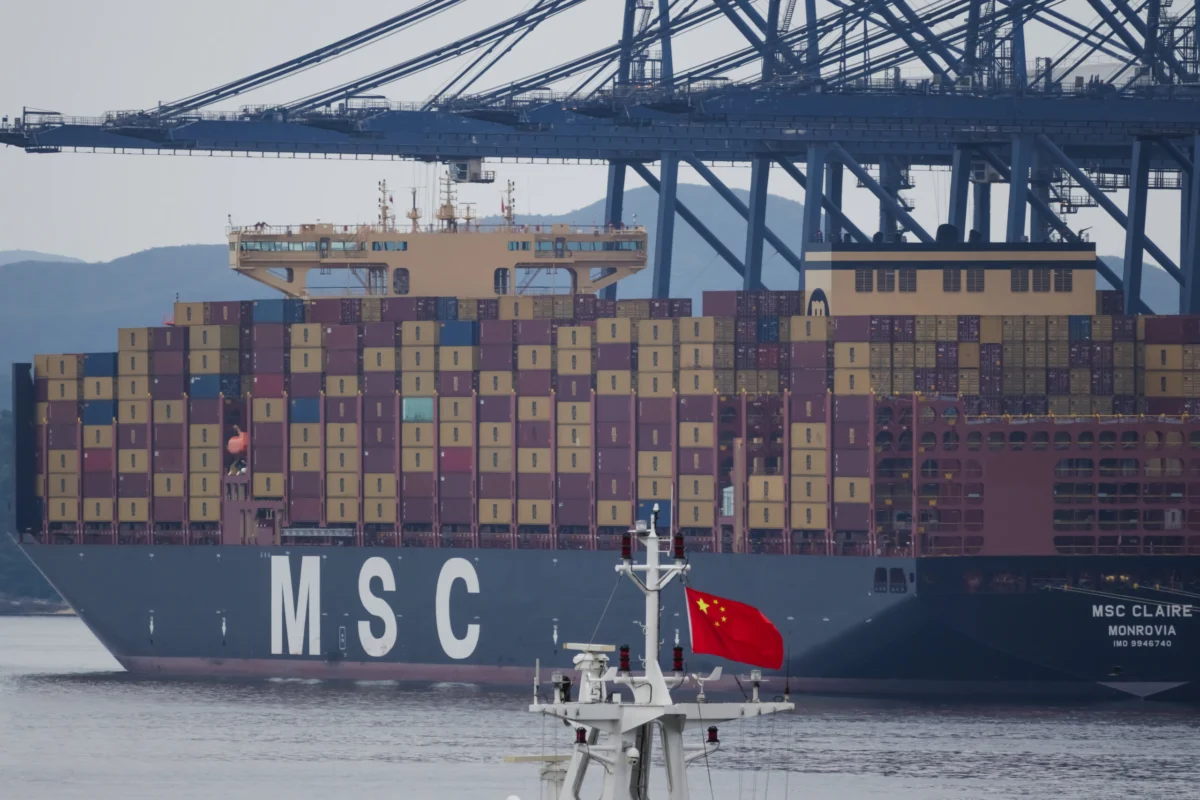
Despite the broad application, the immediate economic impact on major Asian economies is projected to be somewhat limited, according to Tianchen Xu, a senior economist at Economist Intelligence Unit (EIU). Speaking to CNBC, Xu explained, "Asia will continue to benefit from tariff carve-outs, which include most types of electronics from consumer devices to chips." He added that "these goods have consistently been exempt under U.S. tariffs under the second Trump administration," suggesting a strategic exclusion to protect critical supply chains and American consumers of high-tech goods. The intricate global supply chains for electronics, heavily reliant on Asian manufacturing, have historically been shielded from the most severe tariff impacts in previous U.S. trade actions. -
Latin America’s Stance: Brazil and Chile Speak Out
Brazil, also subjected to the 12.5% tariff, condemned the duties as "arbitrary" and "unjustified." President Luiz Inácio Lula da Silva, while expressing openness to negotiations, issued a clear warning: Brazil would actively seek other markets if it could not sell into the U.S. This new duty is particularly impactful for Brazil, as it stacks on top of a separate 25% Section 301 tariff imposed on Brazilian goods earlier in July 2026. This cumulative action rebuilds a formidable 37.5% trade barrier, nearing the 50% rate that had been previously struck down as unlawful by U.S. courts last year, underscoring the administration’s determination to re-establish high import duties.
Chile’s government, likewise, voiced strong disagreement. A statement from Santiago’s trade undersecretariat declared the measure inconsistent with the country’s labor standards and the extensive technical, political, and legal evidence it had submitted during the USTR’s investigation. Notably, the Chilean government pointed out that the U.S. resolution does not allege that Chile itself exports goods made with forced labor. Chile has committed to pressing for specific exclusions covering its key export products, aiming to mitigate the economic fallout for its agricultural and other sectors.
-
North America and Oceania: Measured Responses
Canada, a crucial North American trade partner, found itself in the lower 10% tier, with an exemption specifically for USMCA-compliant goods. The tone from Ottawa was notably milder than that from other affected nations. Minister for Canada-U.S. Trade Dominic LeBlanc stated that the move "is not unexpected," acknowledging that Ottawa shares Washington’s objective regarding forced labor. He affirmed Canada’s intention to "continue engaging constructively" in the coming weeks, signaling a pragmatic approach to navigating the new trade landscape with its largest trading partner.
New Zealand’s foreign ministry, in a market report, conveyed that its trade minister had clearly communicated Wellington’s disagreement with the investigation’s findings and would persist in registering this position with the U.S. government. However, New Zealand benefits from existing exemptions covering approximately 30% of its U.S.-bound exports, including significant agricultural products like beef and kiwifruit, which remain unchanged under the new tariff regime. This partial insulation may contribute to New Zealand’s relatively measured response.
Economic Implications and Supply Chain Dynamics
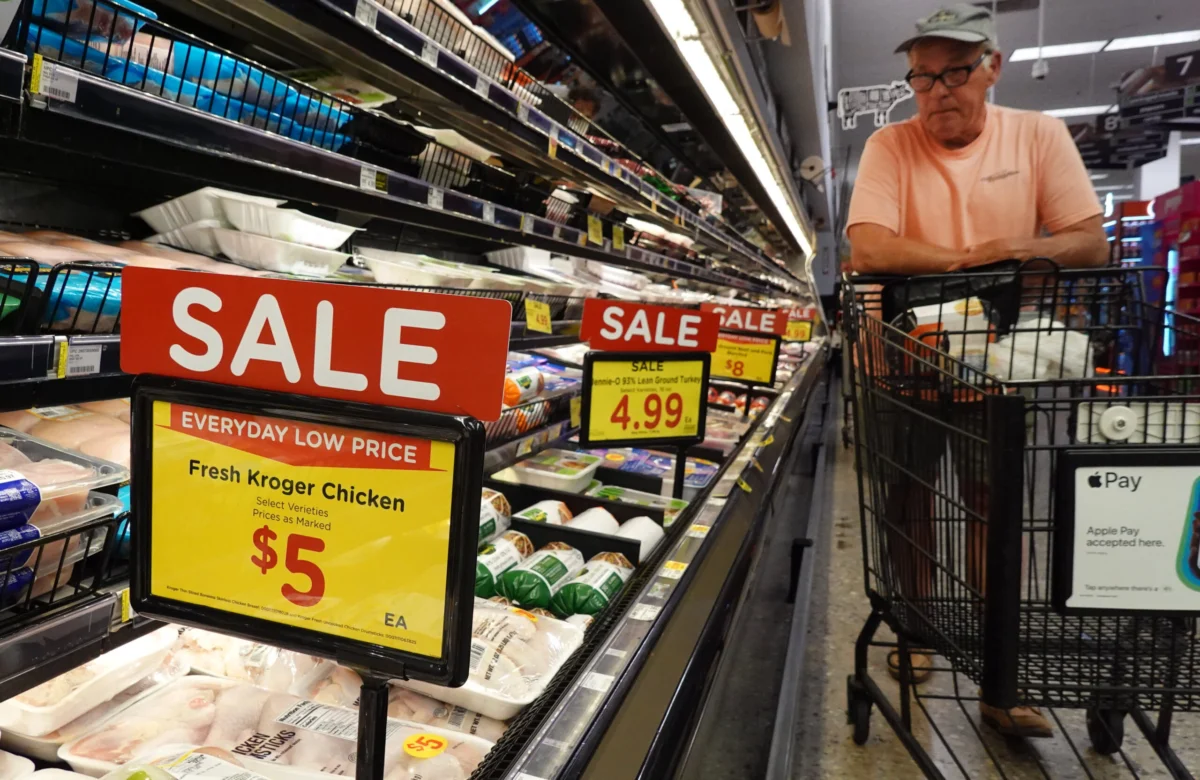
The immediate economic implications of these widespread tariffs are multifaceted. While specific product carve-outs, particularly for electronics from Asia, may temper the overall impact on consumer prices for certain goods, the broad application across 99.4% of U.S. imports suggests a significant inflationary potential. Tariffs are ultimately taxes paid by importers, which are often passed on to consumers in the form of higher prices. Businesses reliant on global supply chains will face increased costs, potentially leading to decisions about reshoring, nearshoring, or finding alternative, potentially more expensive, suppliers.
The tariffs also introduce considerable uncertainty into global trade, a factor that can deter investment and slow economic growth. Companies may delay expansion plans or reconsider their supply chain configurations until the longevity and enforceability of these tariffs become clearer. The lack of announced countermeasures from major partners, at least initially, indicates a cautious approach, possibly to avoid escalating trade disputes further. However, the cumulative effect of higher import costs across dozens of economies could subtly shift trade flows and investment patterns over the medium to long term.
The Broader Geopolitical Context: Trade as a Tool
Beyond the immediate economic impact, these tariffs carry significant geopolitical weight. President Trump’s consistent "America First" trade agenda has often prioritized unilateral action and protectionism, aiming to reshape global trade balances in favor of U.S. domestic industries. The use of Section 301, coupled with the forced-labor rationale, can be viewed as an attempt to project U.S. values and standards onto its trading partners, effectively using trade policy as a tool for both economic and human rights diplomacy.
However, the widespread rejection of the forced-labor premise by allies and partners risks undermining the credibility of the U.S.’s human rights advocacy. When countries with strong records and commitments to combating modern slavery, such as Australia and Chile, are included in the tariff regime, it raises questions about the genuine intent behind the policy. Critics argue that this approach could alienate allies and complicate efforts to forge united fronts on other critical global issues. It also highlights the ongoing tension between a multilateral, rules-based trading system (like that envisioned by the World Trade Organization, WTO) and a unilateral, power-based approach to trade relations.
Looking Ahead: The Path of Negotiation
Despite the initial backlash, the prevailing sentiment among U.S. trading partners appears to be one of seeking negotiation and dialogue rather than immediate escalation. This suggests a recognition of the significant economic interdependence with the U.S. and a desire to resolve the disputes through diplomatic channels. Countries like Canada and New Zealand have explicitly stated their intention to engage constructively, while Brazil and Chile have indicated they will press for exclusions and continue discussions.
The coming weeks will likely see intense diplomatic activity as nations attempt to present their cases, clarify their commitments to combating forced labor, and seek specific exemptions or modifications to the tariff regime. The USTR’s process for Section 301 investigations typically includes provisions for consultations and potential modifications based on new evidence or commitments from affected parties. The success of these negotiations will determine whether the new tariffs become a semi-permanent fixture of global trade or whether they can be adjusted through diplomatic engagement, potentially mitigating some of the most severe economic and geopolitical fallout.
Expert Analysis: Beneath the Surface of the Tariffs
The consensus among many trade analysts is that while forced labor is a serious global issue deserving of international attention, its invocation in this particular context is primarily a strategic legal and political maneuver by the Trump administration. The timing, immediately following a Supreme Court defeat, and the broad application to countries with strong anti-slavery records, lend credence to the argument that the tariffs are more about re-establishing a protectionist baseline and leveraging trade policy for domestic political objectives.
The decision to exempt significant categories of electronics from Asian economies further suggests a pragmatic approach to tariffs, where the economic impact on U.S. consumers and key industries is carefully considered. This selective application allows the administration to project a strong stance on trade and human rights without completely disrupting critical supply chains that are vital for the U.S. economy.
Ultimately, the new global tariffs represent a complex interplay of legal strategy, economic protectionism, human rights rhetoric, and geopolitical maneuvering. Their long-term effects on global trade, international relations, and the fight against forced labor will depend not only on the U.S.’s steadfastness but also on the collective responses and negotiating strategies of the numerous economies now navigating this new, challenging trade environment.