Lina Wu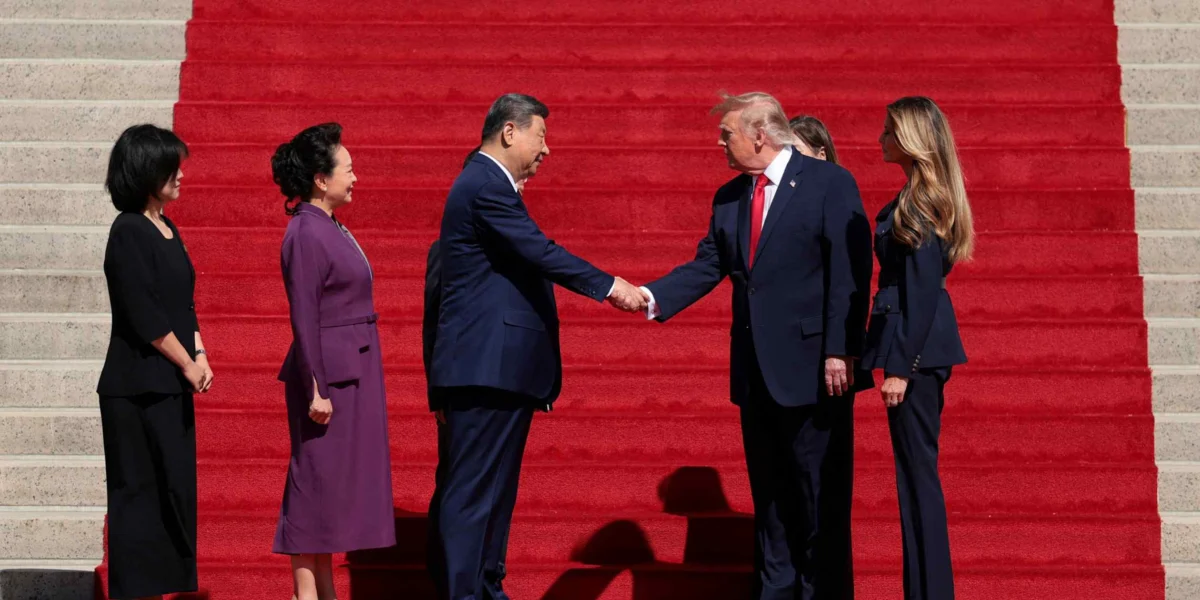
WASHINGTON/NEW YORK – The meticulously choreographed state visit of Chinese President Xi Jinping to Washington, marked by a rare airport welcome, full military honors, and a lavish state dinner, concluded with what appeared to be modest gains, primarily a short-term extension of a trade truce, limited tariff relief, and the initiation of a nascent dialogue on artificial intelligence. Despite the outward displays of diplomatic engagement, the three-day summit between U.S. President Donald Trump and President Xi Jinping served more to underscore the profound and persistent divisions that characterize the complex bilateral relationship, rather than to forge significant breakthroughs on the critical issues of trade imbalances, the future of Taiwan, cross-border investment, and the fiercely contested domain of technological dominance.
The summit, held against a backdrop of escalating geopolitical tensions and an ongoing trade war that has seen billions of dollars in tariffs imposed on goods from both nations, was designed to project an image of stability and a willingness to engage at the highest levels. President Trump, known for his transactional approach to foreign policy, aimed to secure tangible concessions from Beijing, while President Xi sought to manage the burgeoning economic friction and assert China’s growing global influence. However, the carefully curated appearances belied the deep-seated disagreements that continue to challenge the stability of the global economic and political order.
A Carefully Orchestrated Diplomatic Display
The state visit commenced with an unusually warm reception for President Xi, a departure from typical protocol for Chinese leaders. President Trump himself met Xi at Andrews Air Force Base, signaling a personal commitment to the engagement. This was followed by a formal arrival ceremony at the White House, complete with a 19-gun salute and a review of troops, underscoring the ceremonial importance attached to the occasion. The centerpiece of the visit was a state dinner at the White House, attended by a host of dignitaries, business leaders, and cultural figures, intended to foster a sense of shared purpose and mutual respect.
President Trump, speaking at a joint press conference following their initial meetings, highlighted the progress made on the trade front. "We have had a very productive meeting with President Xi," Trump stated. "We have agreed to a temporary truce on tariffs, which will allow for further negotiations. This is a significant step forward." He specifically mentioned the potential for China to purchase more American agricultural products, a key demand from the U.S. agricultural sector which has been heavily impacted by retaliatory tariffs.
President Xi, in his remarks, emphasized the importance of constructive dialogue and cooperation. "China and the United States share broad interests in maintaining global peace and stability and promoting world economic growth," Xi commented. "We are committed to building a relationship based on mutual respect, fairness, and win-win cooperation. The discussions today have been fruitful, and we have reached important consensus on several key issues."
Trade Truce: A Temporary Respite Amidst Ongoing Disputes
The most tangible outcome of the summit was the agreement to extend the trade truce, effectively pausing the escalation of tariffs for a period of 90 days. This extension was designed to provide breathing room for negotiators to hammer out a more comprehensive trade deal. During the previous months, the two economic superpowers had engaged in a tit-for-tat tariff exchange, with the U.S. imposing tariffs on hundreds of billions of dollars worth of Chinese goods, and China retaliating with its own tariffs on American products.
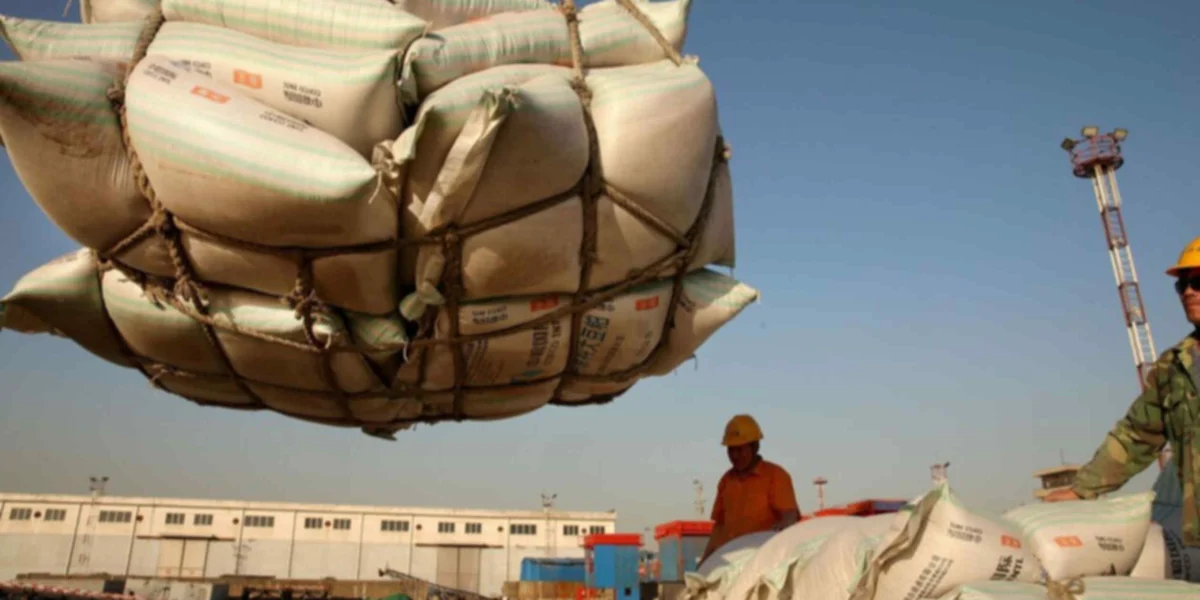
Specifically, the agreement reportedly involved China pledging to purchase a significant volume of American agricultural and energy products. While the exact figures remained undisclosed, sources suggested that China would resume purchases of U.S. soybeans, pork, and potentially liquefied natural gas. This move was seen as a direct effort to alleviate pressure on the American farming communities and energy producers.
However, the underlying structural issues that fueled the trade war remained largely unaddressed. Key U.S. grievances, including allegations of intellectual property theft, forced technology transfer, state subsidies for Chinese companies, and market access barriers, were not resolved. The 90-day truce is viewed by many analysts as a temporary pause, allowing both sides to regroup and prepare for potentially more arduous negotiations ahead. The effectiveness of this truce will hinge on the willingness of both nations to make concessions on these more contentious points.
Taiwan: A Persistent Point of Contention
The issue of Taiwan, a self-governing democracy that China considers a breakaway province, continues to be a flashpoint in the U.S.-China relationship. While the summit did not result in any public shifts in policy, the underlying tensions remained palpable. The U.S. maintains a policy of "strategic ambiguity" regarding its defense commitments to Taiwan, while China has repeatedly warned against any moves that could be interpreted as a move towards formal independence.
During the summit, U.S. officials reiterated their commitment to the "one China" policy, a cornerstone of U.S.-China relations since the normalization of diplomatic ties in 1979. However, they also emphasized the U.S. Taiwan Relations Act, which commits the U.S. to providing Taiwan with the means to defend itself. This delicate balancing act underscores the inherent risks associated with the Taiwan issue. Any miscalculation or escalation could have significant repercussions for regional and global security.
Chinese state media, in its coverage of the summit, reiterated Beijing’s firm stance on Taiwan, framing it as a core national interest and warning against any external interference. The continued U.S. arms sales to Taiwan and increasing diplomatic engagement with Taipei remain a source of significant friction for Beijing.
Investment and Technology: The New Frontlines of Competition
The summit also touched upon the increasingly critical areas of cross-border investment and technological competition, sectors that have become central to the strategic rivalry between the two global powers. The U.S. has expressed concerns about Chinese investment in sensitive U.S. technology sectors and the security implications of Chinese companies operating within the U.S. market.
While no concrete agreements were announced regarding investment restrictions or the regulation of technology companies, the U.S. delegation is understood to have raised these issues directly with their Chinese counterparts. The ongoing debate over Huawei and other Chinese telecommunications firms, and their potential role in 5G networks, remains a significant point of contention. The U.S. has been lobbying its allies to exclude Huawei from their infrastructure, citing national security risks.
In response, China has accused the U.S. of protectionism and attempting to stifle its technological advancement. The two nations are locked in a race for dominance in emerging technologies such as artificial intelligence, quantum computing, and semiconductors. The dialogue on AI initiated during the summit, while a positive step, is seen as a starting point in a long and complex negotiation process that will shape the future of the global technological landscape.
Broader Implications and the Road Ahead
The Trump-Xi summit, while a high-profile diplomatic event, ultimately served as a stark illustration of the deep-seated challenges that continue to define the U.S.-China relationship. The state visit spectacle, with its elaborate ceremonies and public displays of cordiality, masked the significant underlying disagreements that persist across a range of critical issues.
The 90-day trade truce offers a temporary reprieve from escalating economic warfare, providing a window for more substantive negotiations. However, the success of these negotiations will depend on the willingness of both sides to address fundamental structural issues that have fueled the trade dispute. Without a genuine commitment to resolving issues such as intellectual property rights, market access, and state subsidies, the current truce risks being merely a pause before the next round of conflict.
The persistent friction over Taiwan, coupled with the burgeoning competition in technology and investment, suggests that the U.S.-China relationship will remain complex and volatile. The summit has not fundamentally altered the trajectory of this rivalry, which is increasingly characterized by strategic competition rather than outright cooperation.
The long-term implications of this summit are multifaceted. For the global economy, a sustained de-escalation of trade tensions would be a welcome development. However, the ongoing strategic competition between the two largest economies in the world carries the risk of further fragmentation of global supply chains and increased uncertainty for international businesses.
In the realm of geopolitics, the summit did little to resolve the fundamental differences in approach to international order and governance. The U.S. continues to advocate for a rules-based international system, while China seeks to reshape global governance to reflect its growing influence. This divergence of visions will likely continue to shape international relations in the years to come.
As the dust settles on the state visit, the world watches to see whether the fragile truce can be leveraged into meaningful progress. The challenges are immense, and the path forward remains fraught with uncertainty. The true measure of the summit’s success will not be found in the pomp and ceremony of the state visit, but in the substance of the agreements reached and the tangible changes implemented in the months and years that follow. The underlying strategic competition between the United States and China is likely to remain a defining feature of the 21st century, and this summit has underscored the profound difficulties in navigating this critical bilateral relationship.