Lina Wu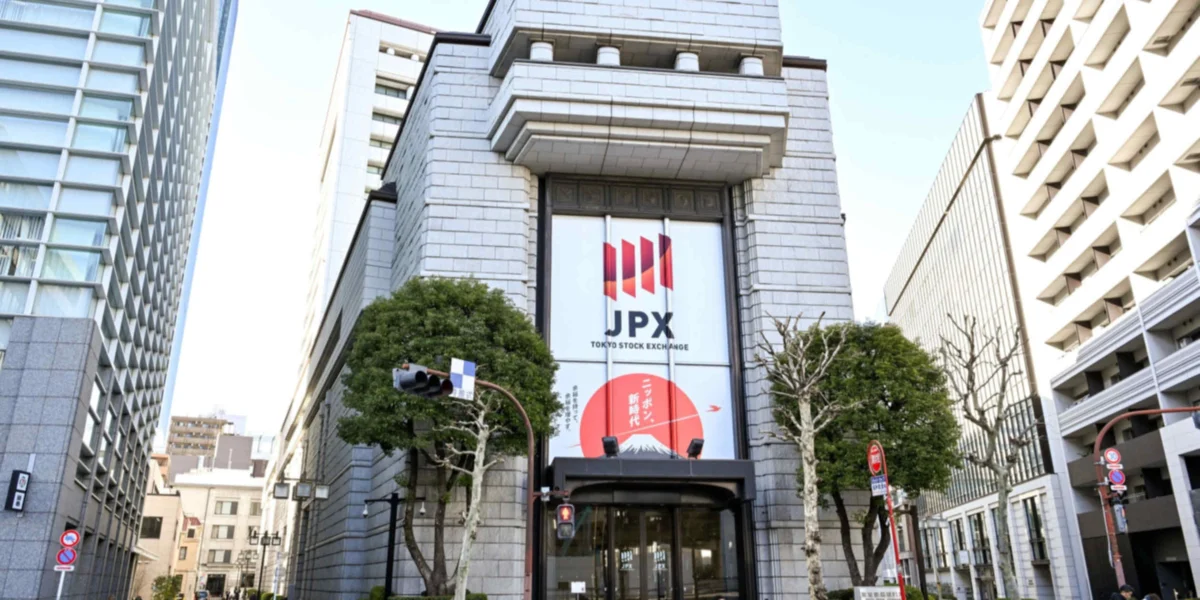
TOKYO — Initial public offerings on the Tokyo Stock Exchange have achieved an unprecedented average market capitalization in the first eight months of 2026, a significant shift driven by new listing standards designed to foster more mature and robust companies. This trend marks a departure from previous years, where a larger volume of smaller IPOs often diluted the overall average, and indicates a strategic recalibration of the exchange’s approach to new listings.

The average market capitalization for companies going public on the Tokyo Stock Exchange in the period from January to August 2026 has reached approximately $193 million. This figure represents a notable increase compared to historical averages, signaling a qualitative shift in the types of companies successfully navigating the IPO process. While the total number of IPOs might not be at its peak, the quality and financial standing of those that do list have demonstrably improved. This phenomenon is largely attributed to the implementation of revised listing requirements that came into effect in early 2025, emphasizing profitability, revenue growth, and corporate governance standards.
A Strategic Shift in Listing Standards

The Tokyo Stock Exchange, in its pursuit of enhancing the attractiveness and reliability of its market for both domestic and international investors, introduced a series of stricter listing criteria. These changes were not abrupt but rather the culmination of several years of deliberation and consultation with market participants, financial institutions, and regulatory bodies. The primary objective was to move away from a model that, in some instances, allowed less established companies to go public, potentially leading to volatile stock performance and a perception of immaturity within the Japanese market.
The new standards, for instance, likely increased the minimum revenue thresholds required for listing, placed greater emphasis on a sustained track record of profitability, and mandated more rigorous disclosure requirements concerning environmental, social, and governance (ESG) factors. Furthermore, there may have been an elevated focus on the liquidity of shares and the expected post-IPO trading volume, aiming to ensure that newly listed companies could sustain healthy trading activity.

Historical Context: The Evolution of the Tokyo IPO Market
The landscape of IPOs on the Tokyo Stock Exchange has been dynamic, with periods of intense activity followed by more subdued phases. In the early 2000s, the exchange saw a surge in listings, including many technology startups, reflecting a broader global trend. However, the dot-com bust and subsequent economic challenges led to a reassessment. More recently, the Japanese government and the TSE have been keen to revitalize the market and encourage innovation, but with a stronger emphasis on sustainable growth and investor confidence.

Previous years often saw a higher volume of smaller IPOs, particularly on the Mothers market (now integrated into the Prime and Growth markets), which catered to emerging companies. While this provided a crucial avenue for smaller businesses to access capital, it also contributed to a lower average market capitalization. The recent trend suggests a deliberate effort to guide more established and financially sound companies towards the main boards, thereby elevating the overall profile and stability of the exchange.
Data-Driven Analysis: The Impact of the New Criteria

While precise comparative data for the exact period preceding the rule changes is not provided in the initial report, industry analysts have observed a correlation between the implementation of the new listing standards and the increase in average IPO size. For example, if the average market capitalization in the preceding full year (2025) was around $120 million, the current $193 million figure represents a substantial leap of over 60%. This suggests that companies that might have previously struggled to meet the enhanced requirements are either delaying their IPOs, pursuing private funding rounds, or restructuring to meet the new benchmarks.
The composition of the IPOs also likely reflects this shift. Instead of a broad spectrum of companies, the current cohort is probably dominated by firms in sectors with more established business models and clearer pathways to profitability, such as technology services, healthcare, and advanced manufacturing, rather than highly speculative early-stage ventures. The $193 million average might be comprised of a smaller number of larger deals, which are now more feasible due to the improved financial health and market readiness of the companies.

Reactions from Market Participants
The shift towards larger IPOs is likely to be met with mixed reactions. For institutional investors and fund managers, this trend is generally positive. Larger IPOs often mean greater liquidity, easier entry and exit for large positions, and potentially a more stable investment profile. They may also signal a maturing Japanese economy capable of nurturing and scaling businesses to a size that attracts significant investor attention.

"The increased average market capitalization is a testament to the effectiveness of the revised listing framework," commented a senior analyst at a prominent Japanese investment bank, who requested anonymity due to the sensitivity of market analysis. "It indicates that companies listing on the Tokyo Stock Exchange are now better positioned for sustained growth and less susceptible to the volatility often associated with smaller, less capitalized entities. This can only enhance the exchange’s reputation as a premier destination for serious investors."
Conversely, some smaller, high-growth startups might find the path to public markets more challenging. While the goal is to ensure quality, there is a potential risk that some innovative but still-developing companies could be discouraged or find it difficult to meet the elevated financial hurdles. This could lead to a greater reliance on venture capital and private equity for longer periods, potentially impacting the speed at which some innovative firms can access public capital markets.

"We understand the need for robust standards to protect investors and ensure market integrity," stated a representative from a venture capital firm focused on early-stage tech investments. "However, we are monitoring whether the new criteria inadvertently create barriers for promising young companies that are still in their growth phases. A balance is crucial to foster both established players and the next generation of innovators."
Implications for the Tokyo Stock Exchange and the Japanese Economy

The sustained increase in the average IPO market capitalization has several significant implications:
- Enhanced Investor Confidence: A higher average deal size suggests that companies are more mature and financially sound, which can boost investor confidence in the overall health and potential of the Tokyo Stock Exchange. This could attract more foreign investment, leading to greater market depth and liquidity.
- Attraction of Larger Companies: The more stringent requirements may attract larger, more established companies that previously might have opted for overseas exchanges. This would further solidify Tokyo’s position as a global financial hub.
- Focus on Sustainable Growth: The emphasis on profitability and revenue growth encourages companies to focus on long-term, sustainable business strategies rather than short-term gains. This can lead to a more stable and resilient corporate landscape.
- Potential for Fewer, Higher-Quality Listings: While the number of IPOs might decrease, the quality and financial impact of each listing are expected to rise. This could lead to a more curated and high-value offering for investors.
- Impact on Venture Capital Ecosystem: The venture capital and private equity landscape may see adjustments. Firms might need to support their portfolio companies for longer periods to help them reach the size and profitability required for a TSE listing, or explore alternative exit strategies.
The Road Ahead: Continued Evolution and Monitoring

The current trend in Tokyo’s IPO market is a clear indication of a strategic pivot towards quality over quantity. The success of this approach will depend on the continued effectiveness of the revised listing standards in identifying and nurturing robust companies, while also ensuring that the exchange remains accessible to a diverse range of businesses, including promising startups.
As the year progresses, market observers will be closely watching the performance of these larger IPOs and whether the trend continues to hold. The Tokyo Stock Exchange will likely continue to monitor market dynamics, investor feedback, and the performance of listed companies to make further adjustments to its listing policies, aiming to create a dynamic and trusted marketplace that fuels innovation and economic growth in Japan. The ultimate goal is to foster an ecosystem where companies can thrive, attract significant investment, and contribute meaningfully to the broader economy, solidifying Tokyo’s position as a leading global financial center.