Gilang Muhammad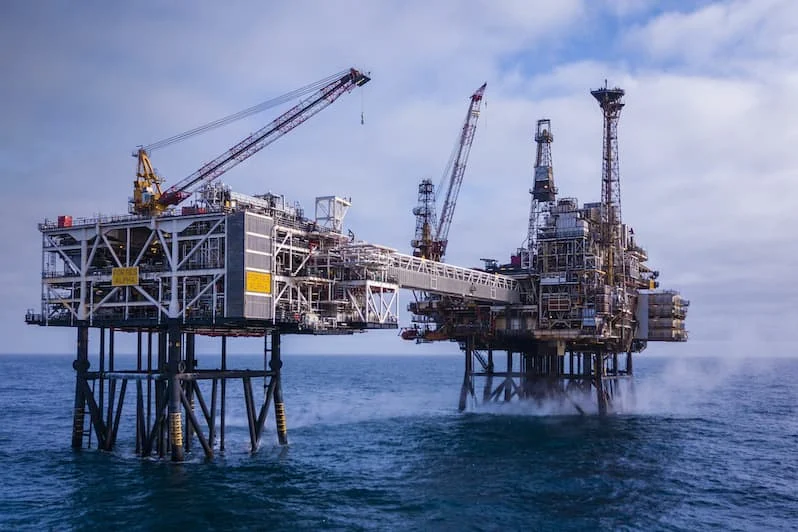
The impending ascent of Andy Burnham to the premiership of the United Kingdom is set to immediately confront him with one of the most defining and complex policy challenges of the modern era: whether to sanction the expansion of North Sea oil and gas drilling to bolster energy security amidst a volatile global landscape, or to decisively pivot towards an accelerated deployment of renewable energy sources in line with ambitious climate targets. This pivotal decision, anticipated to shape the UK’s economic trajectory, environmental legacy, and geopolitical standing for decades, arrives as the nation grapples with the lingering effects of a global energy shock exacerbated by geopolitical tensions.
The Impending Leadership Test and Immediate Pressures
Andy Burnham, widely anticipated to succeed Keir Starmer as Prime Minister in July, assuming he faces no credible challenge from within the Labour Party, finds himself in an unenviable position. His leadership will be tested from day one by the fierce debate surrounding the UK’s energy future. Markets, ever sensitive to policy shifts, are poised to react swiftly to any definitive stance he articulates. The pressure on Burnham to define his position quickly is immense, driven by the dual imperatives of economic stability and environmental responsibility. His predecessor, Keir Starmer, resigned this month, with his energy policy becoming a lightning rod for criticism, notably from outside the UK. U.S. President Donald Trump, in a striking intervention that underscored the international ramifications of the UK’s energy debate, attributed Starmer’s resignation directly to his "failed" energy policy, amplifying the political stakes for Burnham.
A World in Energy Flux: Geopolitical Shocks and Supply Chain Vulnerabilities
The domestic energy debate is unfolding against a backdrop of profound global instability. The ongoing conflict involving Iran has severely disrupted oil flows through the critically important Strait of Hormuz. This narrow waterway, a vital chokepoint, accounts for approximately one-fifth of the world’s total petroleum liquid consumption passing through it, making any disruption a significant threat to global energy markets. The resulting squeeze in physical supply has inevitably intensified the UK’s long-standing energy security and independence debate. This current crisis follows closely on the heels of the shockwaves sent through European energy markets by Russia’s full-scale invasion of Ukraine in February 2022. That conflict exposed the precariousness of reliance on external energy sources and propelled many nations, including the UK, to re-evaluate their energy strategies. For the UK, which imported around 38% of its total energy in 2022, down from 47% in 2019 but still significant, the call for greater domestic production has grown louder. Business leaders and energy security proponents argue vehemently that these geopolitical realities underscore the critical importance of robust domestic production capabilities, not just for economic resilience but for national sovereignty.
The Fractured Political Landscape: Internal Divisions and Union Influence
The political establishment in the UK remains deeply divided on the path forward. Rachel Reeves, the current UK Finance Minister, is understood to privately favor new drilling initiatives, reflecting a pragmatic concern for economic stability, energy security, and revenue generation. Her stance likely aligns with those who prioritize immediate supply and cost considerations for consumers and industries.

Conversely, Ed Miliband, the Energy Secretary and a prominent voice within the Labour Party, advocates for a strategic focus on clean energy. Miliband, who is reportedly a strong contender to replace Reeves as Finance Minister should a new government be formed under Burnham, champions the long-term economic and environmental benefits of transitioning away from fossil fuels. He emphasizes the UK’s legally binding target to reach Net Zero emissions by 2050, arguing that expanding fossil fuel extraction would be a retrograde step, undermining both international climate leadership and domestic climate goals.
Adding another layer of complexity to this internal party debate are the powerful voices of two of the UK’s largest trade unions, Unite the Nation and GMB. Both unions are actively campaigning for continued and expanded North Sea drilling, driven by profound concerns about potential job losses in the oil and gas sector. The industry directly employs tens of thousands of people, particularly in Scotland and the North East of England, with many more in the supply chain. Unions argue that an abrupt halt to new projects without a fully developed and funded just transition plan for these workers would be economically devastating for these communities. They advocate for a balanced approach that supports existing jobs while investing in future green industries.
The Scottish Dimension: Rosebank, Jackdaw, and the Grangemouth Closure
At the very heart of the North Sea debate are two major proposed projects in Scottish waters: the Rosebank and Jackdaw fields. These fields hold significant reserves and, if developed, could substantially boost the UK’s domestic oil and gas supply. Rosebank, located approximately 130 kilometers west of the Shetland Islands, is estimated to hold up to 300 million barrels of oil. Its potential development has been met with fierce opposition from environmental groups, who argue that it would produce emissions equivalent to the annual emissions of 28 million cars over its lifetime, directly jeopardizing the UK’s climate commitments. Jackdaw, a gas field in the Central North Sea, is also a focal point, promising to contribute to gas supply but similarly facing environmental scrutiny.
The fate of these projects is a significant driver of political pressure in Scotland, a nation deeply intertwined with the North Sea energy industry. Scotland’s First Minister, John Swinney, articulated the nuanced challenge to CNBC, stating, "There is a changing balance that’s got to be struck." He acknowledged the undeniable reality that "we are going to have to utilize oil and gas for some years to come." Swinney further emphasized the immediate and tangible impact of global energy disruptions: "If there is uncertainty about the security of supply, or security of supply is undermined because of exorbitant cost of the effects of the conflict in Iran, these are material factors that have got to be borne in mind."
Swinney’s concerns are underscored by recent events, such as the symbolic and impactful closure of the Grangemouth oil refinery in April 2025. Once Scotland’s largest refinery, its shutdown resulted in the loss of hundreds of jobs and marked a significant moment in the UK’s energy transition narrative. Swinney highlighted the immediate practical consequences of this closure: "The refinery had been a source of production of jet fuel, so we’re now importing jet fuel because of a closure of a refinery." He linked this directly to current geopolitical tensions: "We’ve now got uncertainty over jet fuel because of the conflict in the Middle East, and that will affect the ability of our economy to function." This demonstrates the complex interplay between domestic industrial policy, global supply chains, and international conflicts.
Economic and Employment Stakes: A Precarious Balance
The economic implications of either path are profound. Proponents of new North Sea drilling argue that it would not only enhance energy security but also generate significant tax revenues for the Treasury, estimated to be in the billions of pounds over the lifetime of major projects. This revenue could be vital for public services and economic investment. Furthermore, it would support an industry that, in 2023, contributed approximately £24 billion to the UK economy and supported around 190,000 jobs directly and indirectly. These jobs often require highly specialized skills and offer well-paid employment in regions where alternative high-skilled employment may be scarce.

However, opponents argue that focusing on new fossil fuel projects risks locking the UK into a high-carbon future, deterring investment in renewable energy, and ultimately making the transition to a green economy more challenging and costly. They point to the rapidly growing renewable energy sector, which already employs over 250,000 people across the UK and has the potential to create hundreds of thousands more jobs in areas such as offshore wind, solar, hydrogen, and carbon capture technologies. Investing heavily in renewables could position the UK as a global leader in green technologies, attracting international investment and fostering long-term economic growth decoupled from volatile fossil fuel markets. The cost of renewable energy, particularly offshore wind, has fallen dramatically over the past decade, making it increasingly competitive with fossil fuels.
The Climate Imperative and Net Zero Commitments
The UK is a signatory to the Paris Agreement and has enshrined a legally binding target to achieve Net Zero greenhouse gas emissions by 2050. This commitment necessitates a radical transformation of its energy system, moving away from fossil fuels towards clean alternatives. Environmental advocacy groups, supported by scientific consensus, contend that approving new oil and gas fields would fundamentally undermine these climate targets and damage the UK’s credibility on the international stage, particularly as it has historically played a leadership role in climate diplomacy, hosting COP26 in Glasgow. They argue that the climate crisis demands immediate and decisive action, and that any new fossil fuel infrastructure risks becoming a "stranded asset" in a decarbonizing world. The Intergovernmental Panel on Climate Change (IPCC) has repeatedly stressed that limiting global warming to 1.5°C requires rapid and deep cuts in greenhouse gas emissions, including a significant reduction in fossil fuel production and consumption.
Historical Context of UK Energy Policy
The UK’s relationship with North Sea oil and gas dates back to the 1960s, with production peaking in the late 1990s. The industry has been a cornerstone of the UK economy, particularly during the Thatcher era, providing energy independence and substantial government revenues. However, as reserves have matured and the global climate crisis has intensified, policy focus has gradually shifted. The Climate Change Act 2008 set the UK on a path to decarbonization, a commitment solidified by the 2050 Net Zero target. Successive governments have attempted to balance energy security with climate action, often leading to compromises and debates over the pace and scale of the transition. This historical context illustrates the deep roots of the current dilemma, where legacy industries and established economic interests clash with urgent environmental imperatives.
Expert Analysis and Future Outlook
Energy analysts and policy experts highlight the intricate web of challenges facing Andy Burnham. A decision to expand drilling could provide short-term energy security and economic benefits, appease unions, and address cost-of-living concerns, but at the potential cost of alienating environmentalists, undermining climate targets, and potentially causing internal party strife. Conversely, a strong commitment to renewables would bolster the UK’s climate credentials, attract green investment, and align with long-term decarbonization goals, but it risks exacerbating immediate energy supply concerns, potentially increasing reliance on imports, and facing opposition from industry and unions concerned about job transitions.
The path Burnham chooses will send a powerful signal both domestically and internationally. It will define his premiership and critically impact the UK’s trajectory towards a sustainable and secure energy future. The decision is not merely about oil or wind; it is about the UK’s vision for its economy, its role in the global fight against climate change, and its ability to navigate the turbulent waters of 21st-century geopolitics. As July approaches, all eyes will be on Andy Burnham as he prepares to inherit this profound and defining energy crossroads.