Ella Zulfa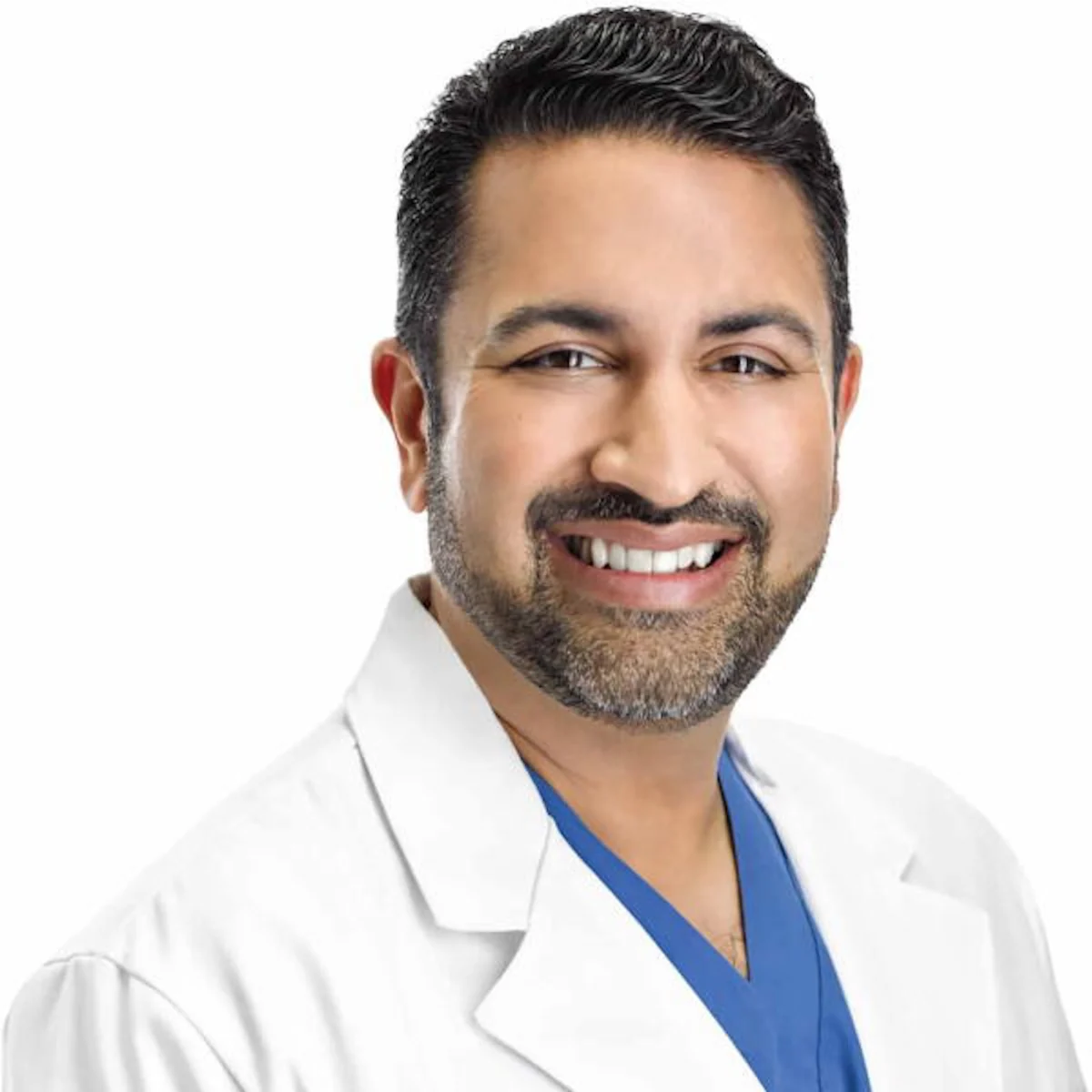
Dr. Darshan Shah, a board-certified surgeon, envisioned a medical clinic that defied the common frustrations associated with healthcare appointments. His initial step was a pragmatic one: a whiteboard session where he meticulously listed every negative aspect patients commonly associated with visiting a doctor’s office. This exhaustive inventory included issues such as inadequate parking, outdated decor, uninviting reception staff, prolonged waiting times, and the ubiquitous stale magazines. Shah’s mission was to systematically reverse each of these detriments, aiming to create an environment that was not merely functional but actively conducive to well-being. The outcome of this endeavor is Next Health, a revolutionary longevity clinic that has been lauded as the "Apple Store of health and wellness," a testament to its commitment to an elevated patient experience.
Next Health has rapidly expanded its footprint, now boasting over 25 locations globally. The clinic offers a comprehensive suite of services, ranging from sophisticated health diagnostics and personalized hormone optimization to cutting-edge intravenous (IV) therapy. However, Shah’s journey into the realm of longevity entrepreneurship predates the current boom in the wellness industry. His pivotal shift began during a personal health crisis encountered while practicing as a surgeon. This experience prompted a profound reevaluation of conventional medical approaches, particularly the prevailing focus on disease management over proactive health preservation. In a recent discussion on the "One Day with Jon Bier" podcast, Shah detailed how this personal reckoning underscored his belief that the doctor’s office should be a central hub for fostering optimal health, not solely a place for treating illness.
The Surgeon’s Transformation: From Healer to Patient
Shah’s early career was marked by exceptional academic achievement. He entered a combined medical program at the University of Missouri-Kansas City at the remarkably young age of 15, earning his medical degree by 21. He specialized in surgery, progressing to chief resident and undertaking advanced training at the prestigious Mayo Clinic. However, the demanding nature of his surgical career—often involving 12 to 14-hour days, six days a week—came at a significant personal cost. Shah candidly admits to being at his unhealthiest during this period, grappling with diabetes, a 50-pound weight gain, hypertension, and reliance on ten different prescription medications.
The turning point arrived with the diagnosis of an autoimmune disease, for which he was prescribed methotrexate, an immunosuppressant. The medication, rather than alleviating his symptoms, exacerbated his feelings of malaise. Concurrently, Shah observed a pervasive pattern of similar health issues among his surgical patients. Before undergoing elective procedures, patients were required to obtain medical clearance from their primary care physicians. A significant number of these individuals presented with underlying conditions such as high blood pressure, diabetes, and obesity, which often complicated or prevented their clearance for surgery.
This dual experience—his own deteriorating health and the observable health deficits in his patient population—served as a powerful catalyst. "I was witnessing the problem that needed to be solved, and I was also experiencing it myself," Shah explained. "I decided that I needed to learn the science of health because all I was getting was the science of disease management." This decision propelled him into an intensive exploration of functional medicine, an emerging field dedicated to uncovering the root causes of health problems rather than merely managing their symptoms.
He began to integrate these principles into his personal regimen and, subsequently, into his patient care. The results were transformative. "I was getting my patients so healthy they even canceled their surgery, so they didn’t need it anymore," Shah recounted. "I was like, ‘This is what we need to be doing in medicine.’" This realization solidified his conviction that a paradigm shift was necessary, moving from a reactive model of illness to a proactive one of wellness.
Crafting a Clinic That Patients Desire
Shah identified a fundamental flaw in traditional healthcare delivery: the inherent aversion many patients feel towards visiting medical facilities. For a multitude of individuals, a doctor’s appointment often conjures feelings of "number one, fear, number two, annoyance," as Shah articulated. This psychological barrier presented a significant business challenge. He possessed the knowledge and the treatments to enhance health and longevity, but if the initial experience of entering the clinic was unpleasant, patient engagement and adherence would inevitably suffer. "I knew I had all these tools to get people healthy," he stated, "But I was like, people aren’t going to want to do this unless we change the experience."
Next Health was conceived to directly address this deficit. The clinic seamlessly integrates comprehensive medical consultations and advanced diagnostics with a range of therapeutic and restorative services. These include bespoke IV therapy, precise hormone optimization, cutting-edge red-light therapy, and a variety of other evidence-based wellness treatments. A cornerstone of their approach is the significant time invested in each patient. "We spend 45 minutes to an hour with our patients every time they come in," Shah emphasized, highlighting a stark contrast to the often-rushed appointments in conventional settings.
This premium level of care naturally comes with a commensurate price tag. Advanced diagnostic panels and specialized treatments can represent a substantial investment. For instance, their Executive Physical package is priced at $14,500. Shah acknowledges the perception that longevity medicine may be exclusive to affluent individuals, but he counters this by underscoring Next Health’s commitment to accessibility. "Next Health has been very mindful in creating programs that almost anyone can afford," he asserted. The clinic offers tiered membership plans, with introductory options starting at $99 per month, a figure designed to be eligible for coverage through health savings accounts. "Of course, we have concierge-level memberships as well, but we have equal numbers of members across all the different levels," Shah noted. "As we continue to scale, our goal is to drive down costs and make this affordable longevity care for everyone." This strategy aims to democratize access to advanced wellness, making preventative and restorative healthcare a more attainable goal for a broader demographic.
The Enduring Value of Brick-and-Mortar in Modern Healthcare
The genesis of Next Health was a single location in West Hollywood, established in 2016. By the close of 2024, the company had expanded to five proprietary locations. The subsequent strategic decision to embrace franchising has accelerated its growth, leading to the establishment of over 25 clinics nationwide and internationally. This rapid expansion has necessitated a strong commitment to a model that many healthcare providers have sought to move away from: physical brick-and-mortar establishments.
"People still think we’re crazy to be opening all these four walls," Shah admitted, referencing the perceived logistical and financial challenges. "Because they’re expensive, there’s employees you have to hire, there’s so much you have to do." However, Shah maintains that the tangible presence of a physical space is an indispensable component of the Next Health offering. He believes that every element of the clinic’s design and ambiance contributes to the patient’s overall experience and emotional state. "Every corner of your brick-and-mortar location inspires a feeling that you want the person to have," he elaborated. "It’s not just the location, it’s also the people in the location and what experience they are providing."
This emphasis on the physical environment is not merely aesthetic; it’s a deliberate strategy to cultivate an atmosphere of trust, comfort, and well-being, directly countering the negative associations often linked with traditional medical settings. The physical space serves as a tangible manifestation of the clinic’s commitment to patient care, reinforcing the brand’s ethos of elevating the healthcare experience.
The initial whiteboard may be a distant memory, but the core principle it represented remains the driving force behind Next Health. The ambition is to dismantle the barriers that make seeking health and wellness a chore, transforming it into an inviting and empowering journey. As the wellness industry continues to evolve, Next Health’s innovative approach, grounded in patient experience and proactive health, positions it as a significant player in reshaping the future of healthcare delivery. The implications of this model extend beyond individual clinics, suggesting a broader shift in how healthcare services can be designed and experienced, prioritizing patient comfort and long-term well-being in equal measure to clinical efficacy.