Ena Muazin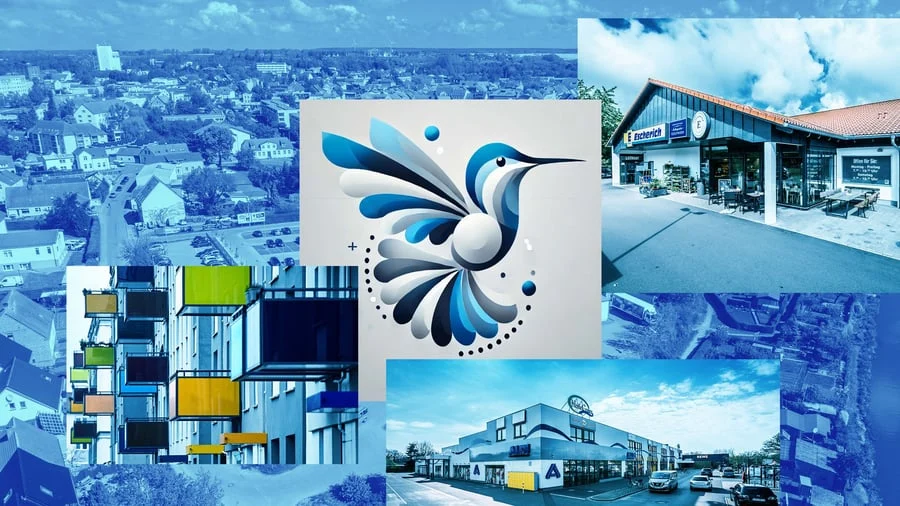
The ongoing real estate crisis in Germany has cast a long shadow, reaching into the operations of the country’s largest pension provider, the Versorgungsanstalt des Bundes und der Länder (VBL). This financial institution, responsible for the supplementary occupational pension scheme for public sector employees, has unexpectedly found itself as the central shareholder in two struggling real estate investments, now bearing the brunt of their associated risks.
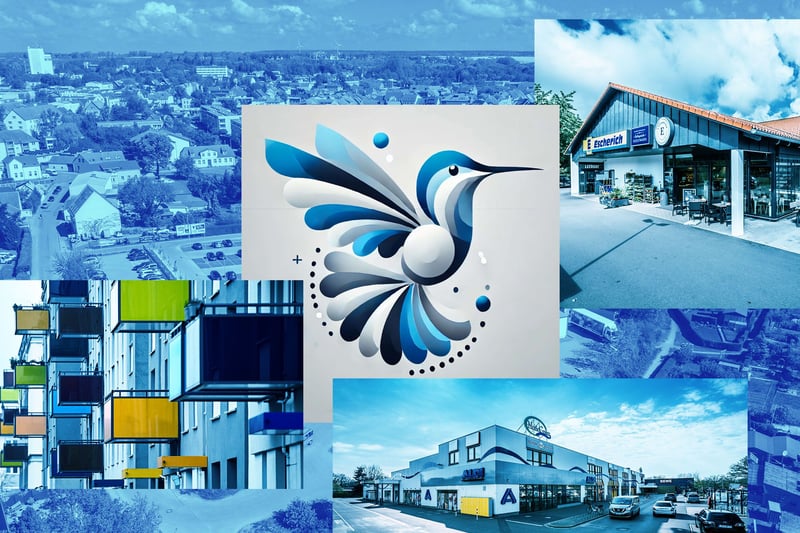
The most prominent of these is the former Deutsche Konsum REIT AG, which has recently rebranded itself as Deutsche Konsum Real Estate AG (DKR). This publicly traded landlord of retail parks in rural areas has not only lost its tax-advantaged REIT status but is also undergoing a comprehensive restructuring. For years, the company was dominated by Rolf Elgeti, a controversial investor and a prominent figure in the German real estate sector. However, following an extraordinary general meeting in December 2025, a new majority shareholder has emerged: the VBL.

A Shift in Power and Responsibility
The VBL’s acquisition of a controlling stake in DKR, exceeding 60 percent, marks a significant turning point for both entities. The VBL, based in Karlsruhe, manages over 50 billion euros and is the primary organizer of the mandatory supplementary retirement provision for German public sector employees. Its investment in DKR, while potentially intended to diversify its portfolio and generate returns, has now placed it directly in the crosshairs of the real estate market downturn.
This development raises critical questions about the VBL’s investment strategy and risk management practices, particularly in light of the turbulent real estate market. The firm’s involvement with Elgeti’s former company suggests a deeper entanglement with investments that have proven to be riskier than initially anticipated, mirroring a broader trend observed among many pension funds and asset managers that sought higher yields in real estate during boom periods. Rolf Elgeti himself has reportedly not responded to inquiries from Handelsblatt regarding the situation.
Background: The Rise and Fall of Deutsche Konsum REIT AG
Deutsche Konsum REIT AG was established with the aim of investing in and managing retail parks in underserved, often rural, German regions. The REIT (Real Estate Investment Trust) structure offered tax advantages, encouraging investment in a sector that was seen as relatively stable, particularly given its focus on essential retail services. Under Rolf Elgeti’s leadership, the company grew, acquiring a substantial portfolio of properties.
However, the German real estate market began to face significant headwinds starting in the early 2020s. Rising interest rates, increased construction costs, inflation, and a general slowdown in economic activity led to a decline in property values and rental income. This challenging environment disproportionately affected specialized real estate companies like DKR, whose business model relied on consistent rental income from a specific type of property. The loss of its REIT status further exacerbated its financial predicament, removing a key tax benefit and potentially signaling deeper structural issues.
The VBL’s Strategic Shift
The VBL, like many institutional investors, has historically sought to balance its long-term obligations with prudent investment strategies. Its mandate to secure the retirement savings of hundreds of thousands of public sector employees necessitates a cautious approach to risk. The decision to become the majority shareholder in a company undergoing restructuring and facing market headwinds is therefore noteworthy.
Sources close to institutional investment circles suggest that such moves are often a last resort, undertaken when other options to protect an investment have been exhausted, or when a strategic realignment is deemed necessary to salvage value. The VBL’s substantial stake implies a commitment to stabilizing DKR, potentially through further capital injections, operational restructuring, or strategic asset management.

Consequences and Implications for the VBL and its Members
The VBL’s increased exposure to the real estate sector through its majority stake in DKR carries significant implications.
- Financial Risk: The most immediate consequence is the financial risk associated with DKR’s struggling performance. If DKR’s value continues to decline or if its restructuring efforts fail, the VBL could face substantial write-downs, impacting its overall asset base and potentially its future ability to meet its pension obligations.
- Reputational Impact: As a public pension provider, the VBL’s investment decisions are subject to public scrutiny. Any significant losses incurred due to risky real estate investments could damage its reputation and erode the trust of its members and the broader public.
- Diversification Challenges: While diversification is a cornerstone of sound investment strategy, the VBL’s increased concentration in a single, distressed sector like specialized retail real estate raises concerns about its overall portfolio diversification.
- Operational Burden: Taking on a majority stake in a company like DKR also brings operational responsibilities. The VBL will likely need to actively participate in the company’s management and strategic decision-making, requiring specialized expertise and resources.
For the VBL’s members, the indirect impact of these investment challenges could manifest in various ways, from the long-term security of their pension benefits to the potential for slower growth in pension payouts if investment returns are hampered. However, it is crucial to note that the VBL manages a diversified portfolio, and the impact of DKR’s performance is likely to be contained within the broader context of its overall assets.

Broader Real Estate Market Context
The situation surrounding DKR and the VBL is emblematic of the broader challenges facing the German real estate market. Following a decade of unprecedented growth, fueled by low interest rates and strong demand, the market has entered a period of correction.
- Rising Interest Rates: The European Central Bank’s monetary policy tightening has made financing more expensive, impacting both developers and property buyers.
- Inflationary Pressures: Increased costs for construction materials and labor have put pressure on development projects and property valuations.
- Changing Consumer Behavior: The rise of e-commerce has continued to impact the retail sector, leading to a decline in demand for physical retail spaces, particularly in less frequented locations.
- Regulatory Scrutiny: The real estate sector is facing increased regulatory scrutiny concerning sustainability, energy efficiency, and investment practices, adding further complexity.
These factors have combined to create a challenging environment for many real estate companies, leading to a wave of restructurings, insolvencies, and a re-evaluation of investment strategies by institutional investors.

Future Outlook and Potential Strategies
The VBL’s immediate priority will be to stabilize Deutsche Konsum Real Estate AG and mitigate further losses. This may involve a multi-pronged approach:
- Strategic Review of the Portfolio: The VBL will likely conduct a thorough review of DKR’s real estate portfolio, identifying underperforming assets and exploring options for divestment or repositioning.
- Operational Restructuring: Efforts to streamline operations, reduce costs, and improve tenant relations will be crucial for the company’s turnaround.
- Capital Management: Decisions regarding further capital injections or debt restructuring will be critical in ensuring DKR’s financial viability.
- Governance Reforms: Strengthening corporate governance and ensuring robust oversight of management will be essential to rebuild investor confidence and prevent future missteps.
The VBL’s intervention in DKR underscores the interconnectedness of the financial and real estate sectors and the significant responsibilities that institutional investors bear in safeguarding the assets entrusted to them. As the real estate market continues to navigate its current challenges, the VBL’s handling of this situation will be closely watched as a case study in navigating complex distressed asset scenarios. The long-term success of this endeavor will not only determine the financial outcome for the VBL but also the confidence its members place in its ability to secure their retirement futures.