Ella Zulfa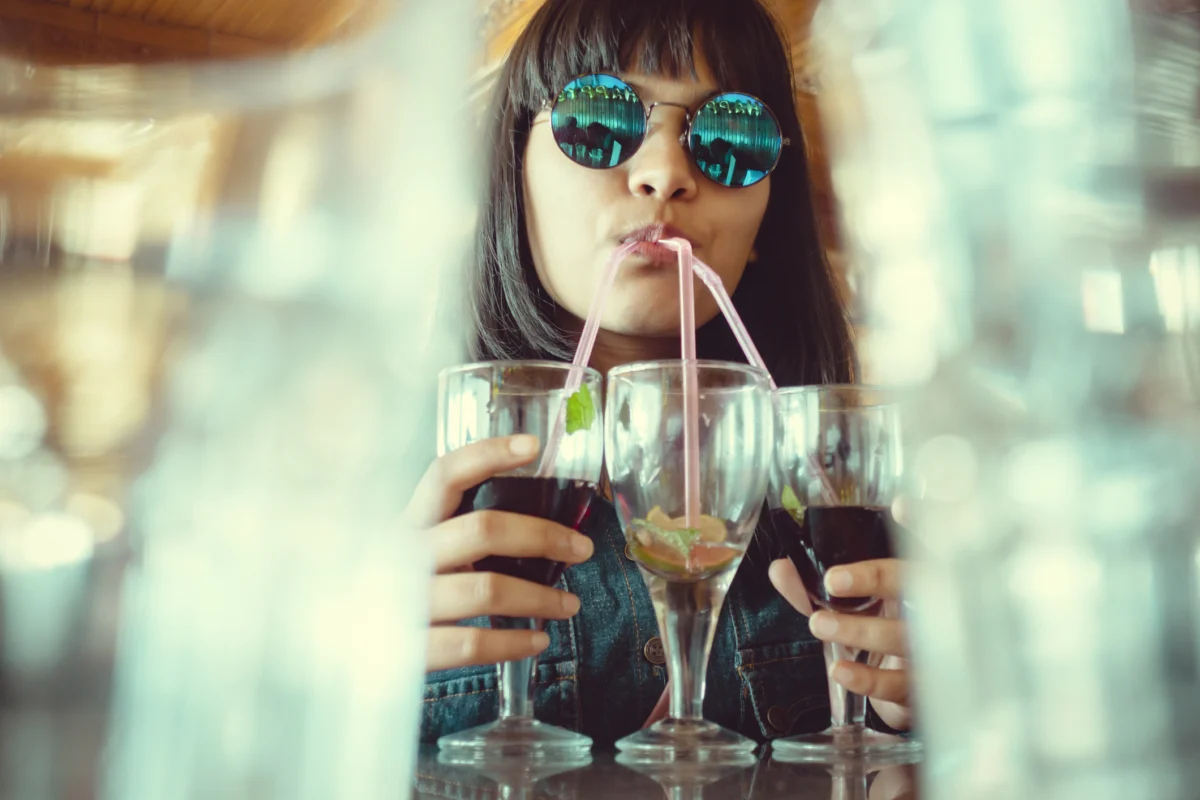
The landscape of ready-to-drink (RTD) alcoholic beverages is undergoing a significant transformation, marked by a discernible move away from effervescence. A growing number of consumers, particularly within the Gen Z demographic, are expressing a preference for "flatter" drinks, leading to a surge in non-carbonated options that are reshaping product development and market strategy across the multi-billion dollar premixed drink sector. This trend signifies a notable departure from the hard seltzer boom that dominated the market in recent years, indicating a maturation of the RTD category and a keen responsiveness from industry players to evolving consumer tastes.
The Rise of the Flat Drink
Data from Bloomberg reveals a substantial increase in the introduction of non-carbonated beverages within the premixed alcoholic drink market. Last year, these offerings constituted 38% of all new product launches, a significant jump from 27% in 2021. This upward trajectory highlights a clear and accelerating consumer demand for alternatives to the fizzy staples that have characterized the RTD market for much of the past decade.
Emily Aprigliano, a 26-year-old resident of New York, exemplifies this shift. She recently transitioned from canned cocktails with carbonation to non-bubbly alternatives after a positive experience with Surfside during a beach vacation. "Because there’s no bubbles, you don’t feel so full," Aprigliano explained. "You can’t even taste the alcohol, so they just kind of go back easier." This sentiment underscores a key driver behind the trend: a desire for a more palatable and less filling alcoholic beverage experience, where the alcohol content is more subtly integrated.
Industry Responds to Shifting Tastes
Major players in the beverage industry are not only observing this trend but are actively capitalizing on it. Stateside Brands, based in Philadelphia, has seen remarkable growth with its Surfside brand, a non-carbonated canned cocktail that has become one of the fastest-growing alcohol brands in the United States. The brand’s success is partly attributed to its trademarked slogan, "No Bubbles, No Troubles," which directly addresses the consumer preference for a less effervescent drinking experience.
The success of Surfside and similar brands has prompted larger corporations to pivot their strategies. Boston Beer Company, a pioneer in the hard seltzer market with its immensely popular Truly brand, has introduced Sun Cruiser. This new line of non-carbonated canned cocktails is reportedly helping to buoy sales as the demand for its flagship seltzer begins to plateau. This strategic adaptation demonstrates an understanding that the market is dynamic and requires continuous innovation to maintain relevance and market share.
Early Adopters and Startup Innovation
The foresight regarding the decline of the fizzy beverage trend was not exclusive to larger corporations. Smaller, agile startups recognized the evolving consumer preferences even earlier. Mom Water, founded by Jill and Bryce Morrison in southern Indiana in 2021, is a prime example. The brand’s inception stemmed from a personal preference for a less carbonated drink, with Jill Morrison experimenting with spa water and a splash of vodka during a vacation in the Dominican Republic.
Bryce Morrison, co-founder of Mom Water, commented on the rapidly changing market dynamics: "The competitive landscape is tenfold what it was five years ago." Despite the intensified competition, Mom Water is projected to surpass one million cases in sales this year, indicating a strong market appetite for their product. This growth is a testament to their early recognition of the "flat drink" trend and their ability to execute a product strategy that resonates with a specific consumer segment.
Even established giants like Gallo, a significant player in the wine and spirits industry, are acknowledging the shift. The company collaborated with Dave Portnoy, founder of Barstool Sports, to launch Lucky One Lemonade. This non-carbonated canned beverage achieved remarkable success, selling one million cases within its first seven months. This achievement serves as a strong indicator that the peak of the Millennial-era hard seltzer boom may be behind us, and that the market is actively seeking new forms of convenient, alcoholic refreshment.
The Science and Psychology Behind the Fizz
The preference for non-carbonated drinks can be attributed to a confluence of physiological and psychological factors. As Emily Aprigliano noted, the absence of bubbles can lead to a feeling of being less full. This is due to the way carbonation affects gastric distension. The release of carbon dioxide gas in the stomach can create a sensation of fullness, which some consumers may find undesirable, particularly when looking to consume multiple servings or pair their drink with food.
Furthermore, the perceived "smoothness" and ease of consumption are often cited as advantages of non-carbonated beverages. The sharp, tingling sensation of carbonation, while appealing to some, can be perceived as overwhelming or masking the underlying flavors of the spirit and mixers. For consumers who prioritize the taste of the ingredients or a more subtle alcohol delivery, flat drinks offer a more refined experience. This is particularly relevant for Gen Z, a demographic known for its discerning palates and emphasis on ingredient quality and flavor profiles.
The "hidden alcohol" aspect mentioned by Aprigliano also plays a role. In a market increasingly saturated with RTD options, the ability of a drink to be sipped without the immediate, noticeable burn or bite of alcohol can contribute to its popularity. This allows for a more relaxed and extended consumption experience, aligning with social occasions and a desire for understated enjoyment.
A Maturing Market and Evolving Preferences
The shift away from hard seltzers and towards non-carbonated RTDs is indicative of a maturing beverage market. When hard seltzers first gained widespread popularity, their novelty, low-calorie appeal, and perceived healthfulness were key selling points. They offered a lighter alternative to traditional cocktails and sugary alcopops. However, as the market has become saturated with countless seltzer brands, consumers, particularly younger demographics, are seeking new experiences and differentiators.
Gen Z, a generation that has grown up with a vast array of beverage choices and is often more attuned to health and wellness trends, is driving this evolution. Their preferences are not solely dictated by convenience or calorie count but by a holistic evaluation of taste, ingredients, brand ethos, and overall drinking experience. The demand for "cleaner" labels, natural flavors, and less processed ingredients also plays a role, and non-carbonated options can sometimes be perceived as simpler and more natural.
The Future of Ready-to-Drink Beverages
The trajectory of the RTD market suggests a future characterized by diversification and a more nuanced understanding of consumer preferences. While hard seltzers may not disappear entirely, their dominance is likely to wane as other categories gain traction. Non-carbonated canned cocktails, flavored waters with alcohol, and potentially even low-ABV (alcohol by volume) wine-based spritzers that are not carbonated are poised to capture a larger share of the market.
Brands that can effectively communicate their value proposition, whether it’s through unique flavor profiles, natural ingredients, or a focus on a smooth drinking experience, are likely to thrive. The success of brands like Surfside and Mom Water underscores the importance of agility and responsiveness to emerging consumer desires.
For the broader beverage industry, this trend presents both challenges and opportunities. Manufacturers will need to invest in research and development to create innovative non-carbonated formulations that meet consumer expectations for taste, quality, and convenience. Marketers will need to adjust their messaging to highlight the unique benefits of these "flatter" drinks, differentiating them from the established effervescent options.
The data clearly indicates a significant and sustained shift in consumer preference within the RTD market. The fizz is fading, replaced by a growing demand for smoother, less filling, and more subtly flavored alcoholic beverages. As Gen Z continues to exert its influence on consumer trends, the beverage industry will undoubtedly continue to adapt, ensuring that the "no bubbles, no troubles" mantra resonates with a broader segment of the drinking public. The ongoing evolution of the RTD market underscores a critical lesson for all businesses: staying attuned to the subtle, yet significant, shifts in consumer taste is paramount for sustained success.