Ella Zulfa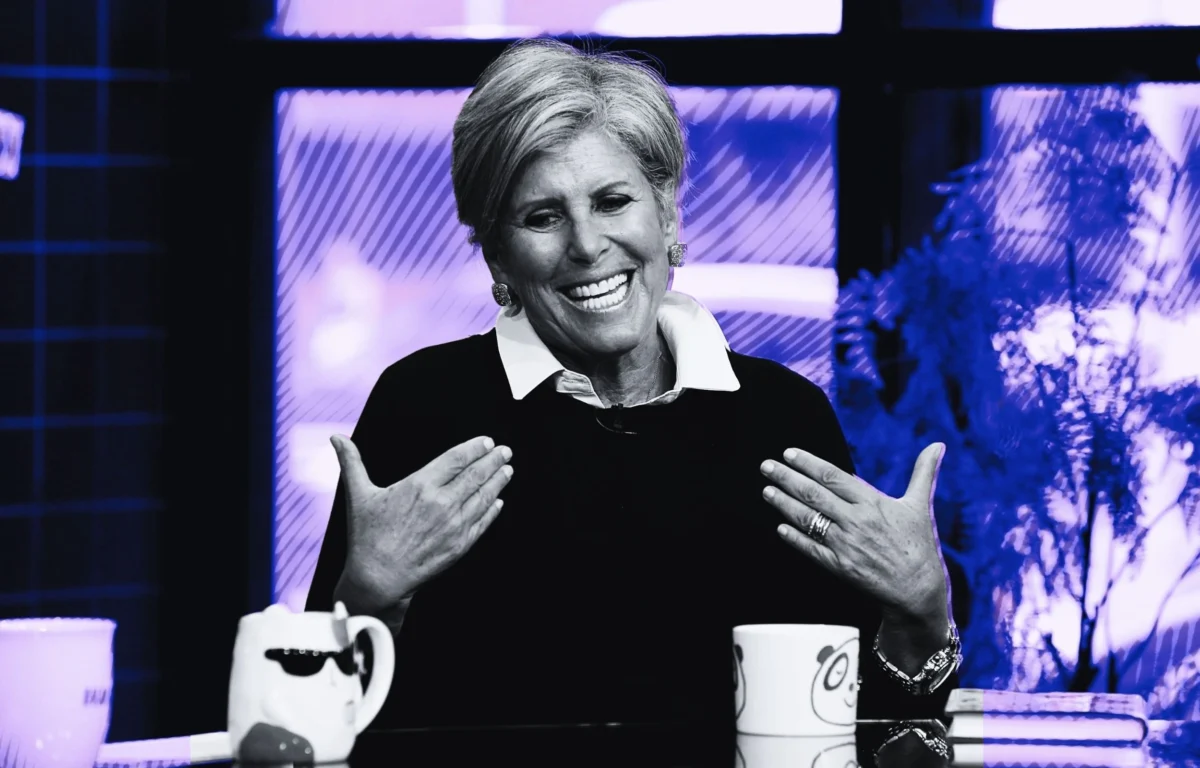
Suze Orman, a titan in the realm of personal finance and a trusted voice for millions of Americans over the past several decades, has consistently championed the virtues of saving diligently and investing wisely. As a best-selling author, acclaimed television and podcast host, and a shrewd investor in her own right, Orman has reportedly accumulated a net worth in the tens of millions of dollars. Yet, despite her considerable financial achievements, the 75-year-old millionaire remains a vocal critic of seemingly minor, yet recurrent, expenditures, particularly those related to daily food and beverage purchases, with a pronounced focus on coffee.
Orman’s steadfast refusal to patronize coffee shops is a well-documented aspect of her financial philosophy. She exclusively brews her coffee at home, often mentioning her preference for Cafe Bustelo. In a candid interview with The Wall Street Journal in 2024, she articulated her resolute stance: "I would drop dead before I bought a coffee – I do one cup a day and that’s it." This declaration underscores her conviction that even small, habitual expenses can represent a significant drain on one’s financial potential over time.
The core of Orman’s argument lies in the power of compound interest and the long-term erosion of wealth through consistent discretionary spending. She has often illustrated this point with compelling arithmetic, demonstrating how funds diverted from daily coffee purchases could blossom into substantial sums when invested. For instance, Orman has calculated that an individual spending approximately $100 per month on coffee, if instead channeled into a retirement savings vehicle like a Roth IRA, could see that investment grow to around $1 million over a 40-year period.
This potent financial analogy was famously articulated by Orman in a 2019 interview with CNBC, where she starkly warned, "You need to think about it as: You are peeing $1 million down the drain as you are drinking that coffee. Do you really want to do that? No." Her reasoning extends beyond mere frugality; Orman views such expenditures not as necessities but as discretionary "wants" that, if indulged without careful consideration, can compromise one’s long-term financial security. She has even gone so far as to state that purchasing a cup of coffee, despite her own ability to afford it, would be an act of "insulting" herself by "wasting money that way."
Extending this Philosophy to Dining Out: A Deeper Dive into Spending Habits
Orman’s disciplined approach to personal finance is not confined to the morning cup of coffee; it extends with equal rigor to the broader category of eating out. In a more recent interview with The Wall Street Journal, published earlier this week, she identified dining out as one of the most significant drains on an individual’s finances.
"We still to this day eat at home," Orman stated, highlighting her and her wife’s, television producer Kathy Travis, commitment to home-cooked meals. She recounted that on the day of the interview, Travis had prepared congee rice for lunch and meatloaf for dinner. While acknowledging that they do occasionally dine at restaurants, Orman clarified that these instances are not driven by culinary desire but rather by social obligation. The primary purpose of these outings is to connect with friends and engage in meaningful conversation.
However, even in these social settings, Orman’s financial consciousness remains acutely present. She expressed concern about the potential financial burden that restaurant bills could impose on her friends, particularly those who she perceives as not possessing the same level of financial stability. Consequently, she often takes it upon herself to cover the entire bill. "If we go out to eat, the deal is we have to pay because I am not going to let people, who I know don’t have the kind of money that we have, waste their money on food eating out," she explained. This demonstrates a paternalistic, albeit financially astute, approach to social engagements.
The Economic Context: Rising Costs of "Food Away From Home"
Orman’s aversion to dining out resonates with particular force in the current economic climate, where the cost of restaurant meals and takeout has seen a notable surge. According to data from the U.S. Bureau of Labor Statistics, the category of "food away from home," which encompasses restaurant and takeout meals, experienced a 4.1% increase in cost from December 2024 through December 2025. This rise significantly outpaced the 2.4% increase in grocery prices and the 2.7% overall rise in consumer prices during the same period, underscoring a growing disparity in the cost of at-home versus away-from-home food consumption.
The inflationary pressures on the food service industry are multifarious, including rising ingredient costs, labor shortages, and increased operational expenses. These factors translate directly into higher menu prices for consumers. Orman’s pointed observations about the escalating costs at even fast-food establishments like McDonald’s and Taco Bell, where she expressed disbelief at potential bills of "$23, $30 just to go to McDonald’s for whatever you eat there," reflect a broader consumer sentiment of sticker shock.
Historical Perspective and Broader Financial Implications
Suze Orman’s journey to financial prominence is a testament to her consistent message of financial empowerment. Her early career, marked by a focus on investment and wealth management, laid the groundwork for her widespread influence. Her seminal work, "The Courage to Be Rich," and her long-running television show, "The Suze Orman Show," provided practical advice and instilled a sense of urgency for Americans to take control of their financial futures. The "Key Takeaways" section, though brief in its original form, hints at the core tenets of her decades-long advocacy: saving more and investing wisely.
The emphasis on small, recurring expenses as potential impediments to wealth accumulation is a recurring theme in personal finance literature. Behavioral economics often highlights the "pain of payment," where small, frequent purchases are less consciously felt than larger, infrequent ones. This psychological phenomenon can lead individuals to underestimate the cumulative impact of their daily spending habits. Orman’s strategy, therefore, aims to counteract this by making the long-term financial consequences of such "small" expenses vividly apparent.
The concept of opportunity cost is central to Orman’s critique. By choosing to spend money on a daily coffee or a restaurant meal, individuals forgo the potential returns that those funds could generate if invested. Over extended periods, these forgone returns can represent a substantial portion of potential wealth. The $1 million figure she often cites is not merely an arbitrary number but a calculated illustration of the power of compound growth, demonstrating how seemingly modest savings can compound into significant wealth.
Reactions and Expert Analysis
While Orman’s advice is widely respected, it is not without its nuances. Financial experts often acknowledge the validity of her core message regarding the impact of discretionary spending on long-term financial health. However, some suggest that a balanced approach is crucial. Dr. Emily Carter, a behavioral economist at the Institute for Financial Well-being, notes, "While Orman’s point about the cumulative effect of small expenses is undeniably true, it’s also important to acknowledge the role of small pleasures in maintaining overall well-being. Completely depriving oneself of minor joys can sometimes lead to burnout or impulsive overspending later on. The key lies in finding a sustainable balance that aligns with an individual’s financial goals and personal values."
The practicality of Orman’s advice also depends on individual circumstances. For those living paycheck to paycheck, the luxury of making coffee at home might be a necessity born out of financial strain rather than a deliberate financial strategy. Conversely, for individuals with significant disposable income, the decision to forgo a $5 coffee might represent a conscious choice to prioritize larger financial objectives, such as early retirement, down payments on property, or philanthropic endeavors.
Broader Economic Implications and Consumer Behavior
Orman’s commentary on the rising cost of dining out also touches upon broader economic trends that affect consumer purchasing power. The persistent inflation in the food service sector, exacerbated by supply chain issues and labor market dynamics, places a strain on household budgets. This trend has led to a noticeable shift in consumer behavior, with many opting for more cost-effective home-cooked meals. Data from market research firms indicates a growing demand for meal kits and grocery delivery services as consumers seek to control their food budgets more effectively.
The divergence in price increases between groceries and restaurant meals highlights a widening affordability gap. While grocery prices have also risen, they have generally remained more manageable than the steep increases seen in the "food away from home" category. This economic reality reinforces Orman’s argument that dining out has become an increasingly expensive "want" for many households.
The implications of Orman’s advice extend beyond individual finances to encompass broader societal discussions about financial literacy and consumerism. Her consistent advocacy for financial discipline serves as a public service, encouraging introspection about spending habits and their long-term consequences. By highlighting the tangible financial benefits of seemingly small sacrifices, she empowers individuals to make more informed decisions about their money.
In conclusion, Suze Orman’s unwavering commitment to financial prudence, exemplified by her refusal to purchase coffee and her skepticism towards dining out, serves as a powerful reminder of the cumulative impact of everyday expenses. Her advice, rooted in decades of financial expertise and reinforced by economic realities, encourages a mindful approach to spending, emphasizing the potential for modest sacrifices today to yield substantial financial rewards tomorrow. As inflation continues to impact household budgets, Orman’s timeless principles of saving and investing remain more relevant than ever, urging Americans to critically evaluate their discretionary spending and prioritize long-term financial well-being.