Ena Muazin
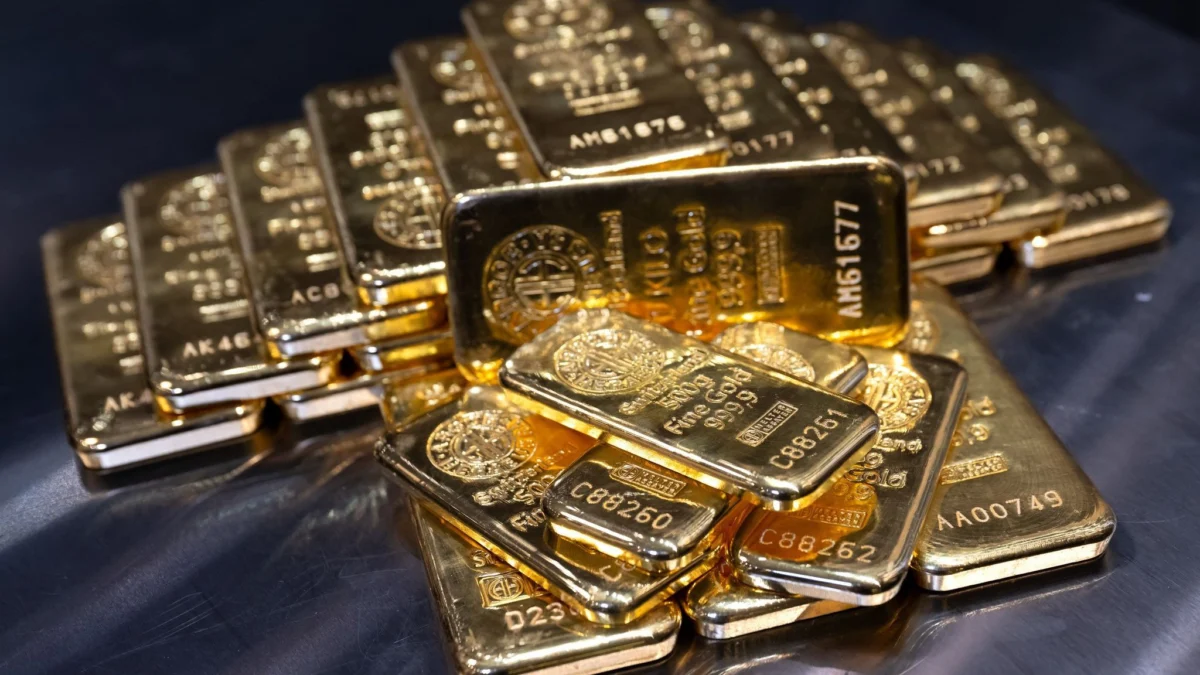
Gold is trading at its lowest levels since September 2025, sparking analysis that suggests a bottom may be near. The central question for investors now is whether any potential recovery will be sustainable in the long term. This persistent downward trend, marking the most significant annual loss for gold in over a decade, has led to a substantial retreat from its all-time highs, raising critical questions about the future trajectory of this traditional safe-haven asset.
The Shifting Sands of the Gold Market
For a considerable period, the gold market was propelled by what analysts termed the "Debasement Trade." This phenomenon was driven by a pervasive distrust in the financial stability of the United States, prompting investors to reallocate capital from U.S. bonds into gold. While the U.S. national debt has indeed continued its ascent, now exceeding a staggering $40 trillion, other macroeconomic factors have increasingly come to the forefront, exerting downward pressure on gold prices.
The narrative surrounding gold has evolved significantly. Previously, the specter of rampant inflation and the perceived erosion of fiat currency value were primary drivers of gold’s ascent. Investors sought refuge in gold as a tangible asset perceived to hold its value against the backdrop of quantitative easing and historically low interest rates. However, a confluence of evolving monetary policies and shifting investor sentiment has altered this landscape.
The Interest Rate Conundrum
A key factor influencing the current gold price decline is the anticipation of rising interest rates. Central banks, particularly the U.S. Federal Reserve, have signaled a more hawkish stance in their monetary policy. As interest rates on traditional fixed-income investments like government bonds and savings accounts become more attractive, the opportunity cost of holding non-yielding assets such as gold increases. Investors are therefore re-evaluating their portfolios, seeking higher returns from interest-bearing instruments.
The Federal Reserve’s monetary policy decisions are closely scrutinized by global markets. A commitment to tighter monetary conditions, including potential interest rate hikes or a slower pace of asset purchases, directly impacts the attractiveness of gold. When yields on safe-haven assets like U.S. Treasuries rise, they present a compelling alternative to gold, which historically offers no dividend or interest payments. This shift in the yield environment has been a significant headwind for gold.
Economic Uncertainty and Gold’s Traditional Role
Historically, gold has been a hedge against economic uncertainty, geopolitical instability, and currency devaluation. During periods of high inflation, market volatility, or international conflict, investors often flock to gold as a store of value. However, the current economic climate presents a more nuanced picture. While global economic growth forecasts have been revised downwards by various institutions, and geopolitical tensions persist in several regions, the immediate reaction has not been a flight to gold.
This divergence from historical patterns suggests that current market participants are prioritizing other factors, such as the aforementioned interest rate outlook, over traditional safe-haven considerations. The effectiveness of gold as a hedge in the current environment is therefore being tested, leading to increased volatility and a re-evaluation of its role in diversified portfolios.

Expert Analysis and Potential Rebound Scenarios
Analysts from major financial institutions, including Goldman Sachs, have weighed in on the current market conditions. Their assessments suggest that while the short-term outlook remains challenging, a medium-term recovery for gold prices is plausible. This outlook hinges on several interconnected economic variables and policy shifts.
Data-Driven Projections
Recent economic data paints a mixed picture. While inflation figures have shown some signs of moderation in certain economies, they remain elevated compared to historical averages. This persistent inflationary pressure, even if abating, could eventually necessitate continued hawkish monetary policies. Conversely, any significant economic downturn or a misstep by central banks in managing inflation could reignite demand for gold as a safe haven.
Goldman Sachs’ research, for instance, often highlights the interplay between central bank policies, inflation expectations, and investor sentiment. Their analysts may point to specific triggers that could reverse the current trend, such as a sharper-than-expected economic slowdown in major economies, a renewed surge in geopolitical risks, or a significant shift in central bank communication towards a more dovish stance.
Historical Performance as a Guide
Examining historical gold price movements can provide valuable context. The commodity has experienced cyclical downturns and subsequent recoveries throughout its history. Understanding the duration and magnitude of past bear markets, as well as the catalysts for their eventual end, can offer insights into potential future scenarios. For example, the period following the 2008 global financial crisis saw gold prices surge as central banks implemented unconventional monetary policies and investors sought refuge from economic turmoil.
Conversely, periods of robust economic growth and rising interest rates have often coincided with periods of stagnation or decline in gold prices. The current environment, characterized by a complex interplay of these factors, makes historical comparisons particularly instructive but not definitively predictive.
Is Now the Time to Invest?
The question of whether the current price dip presents a compelling entry point for investors is multifaceted and depends heavily on individual risk tolerance and investment objectives. Proponents of investing in gold during this downturn often cite its historical role as an inflation hedge and a store of value. They argue that at current price levels, the risk-reward ratio may be becoming more favorable.
The "Buy the Dip" Strategy
The "buy the dip" strategy is a popular approach in financial markets, where investors purchase assets that have experienced a significant price decline, anticipating a subsequent rebound. In the context of gold, this strategy relies on the belief that the underlying fundamentals supporting gold’s long-term value remain intact, and that the current price weakness is a temporary anomaly.
However, this strategy carries inherent risks. The "dip" could potentially extend further, leading to further losses for investors who enter the market prematurely. A thorough analysis of the factors driving the current decline is crucial before adopting such an approach.
Long-Term vs. Short-Term Investment Horizons
The suitability of investing in gold at this juncture also depends on an investor’s time horizon. For those with a long-term investment outlook, a lower entry price could be advantageous, allowing for greater potential capital appreciation over several years. Gold’s historical performance suggests that it can provide significant returns over extended periods, particularly during times of economic uncertainty or currency devaluation.
For short-term traders, the current volatility presents both opportunities and significant risks. The immediate future of gold prices is subject to rapid shifts based on economic data releases, central bank pronouncements, and geopolitical developments.
Broader Economic Implications and Outlook
The performance of gold has wider implications for the global economy and financial markets. As a major commodity, its price movements can influence currency valuations, inflation expectations, and investment flows into other asset classes.
Geopolitical Factors and Safe Haven Demand
While interest rate expectations have dominated recent market narratives, geopolitical events remain a significant wildcard. Any escalation of existing conflicts or the emergence of new geopolitical crises could rapidly shift investor sentiment back towards traditional safe-haven assets like gold. The current geopolitical landscape is complex, with ongoing tensions in Eastern Europe, the Middle East, and other regions, which could provide underlying support for gold demand in the event of unforeseen shocks.
The Role of Central Bank Reserves
Central banks globally hold substantial reserves of gold as part of their foreign exchange assets. Changes in their purchasing or selling patterns can significantly influence market dynamics. While central banks have been net purchasers of gold in recent years, any shift in this trend could have a notable impact on prices. Their decisions are often driven by a desire to diversify reserves away from a single currency and to maintain a stable store of value.
Future of the "Debasement Trade"
The future of the "Debasement Trade" will likely depend on the perceived stability of major fiat currencies and the fiscal policies of sovereign nations. If concerns about government debt levels and inflationary pressures resurface with greater intensity, the demand for gold as a hedge against currency debasement could strengthen once more.
Conclusion: A Market in Transition
The current downturn in gold prices represents a significant shift from the bullish sentiment that characterized recent years. The interplay of rising interest rates, evolving monetary policies, and shifting investor priorities has created headwinds for the precious metal. While some analysts suggest that a market bottom may be approaching, the sustainability of any recovery remains contingent on a complex web of economic and geopolitical factors. Investors considering an entry into the gold market at this juncture must conduct thorough due diligence, understand the risks involved, and align their investment decisions with their long-term financial goals. The market is undoubtedly in transition, and the coming months will likely be crucial in determining the next chapter for gold.