Gilang Muhammad
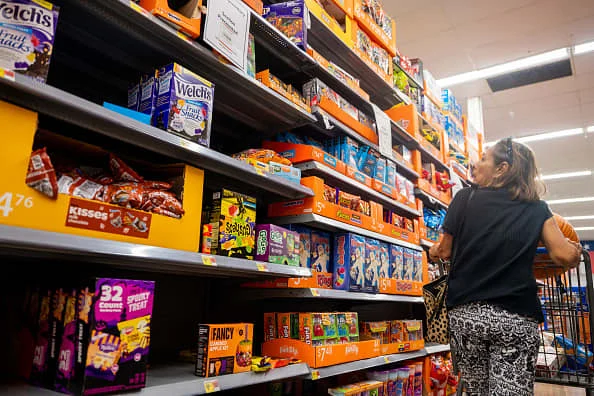
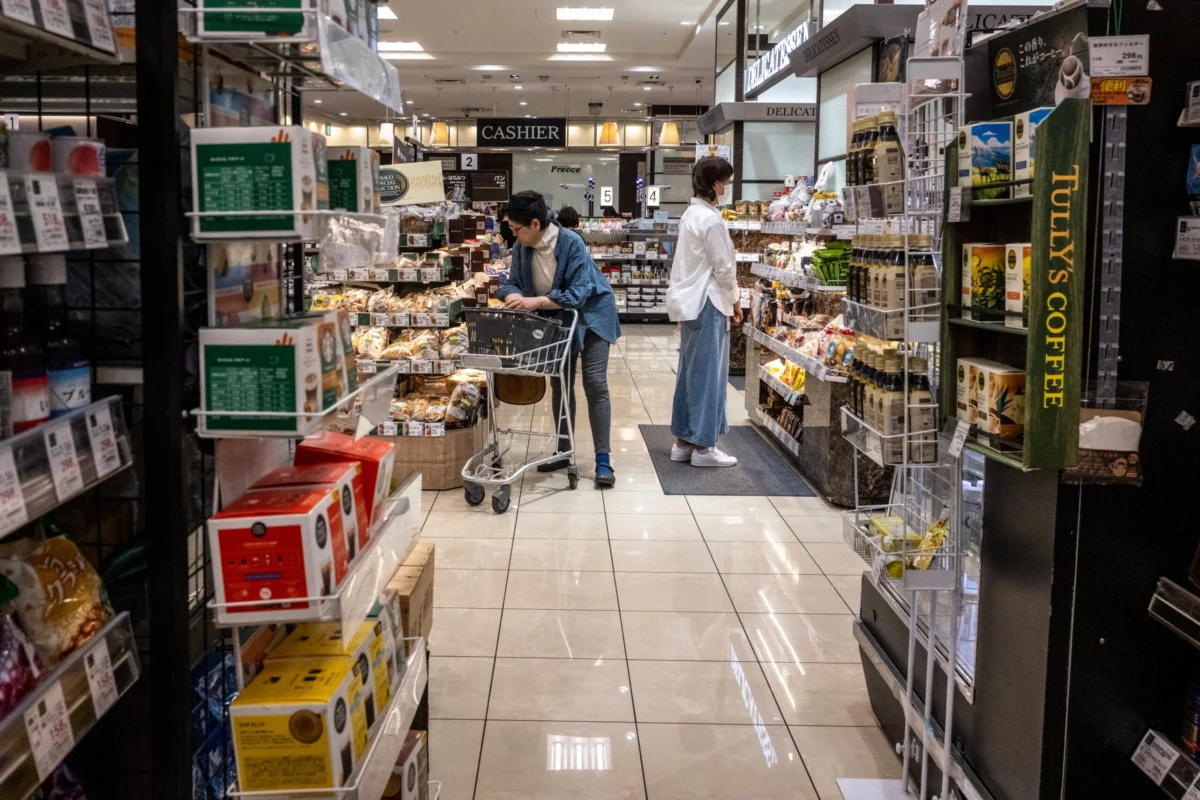
American consumers exhibited clear signs of financial fatigue in October, as retail sales growth decelerated to its slowest pace in nearly a year, according to the latest CNBC/NRF Retail Monitor. This subdued performance underscores the escalating pressure high prices continue to exert on household budgets, prompting shoppers to adopt a more cautious and selective approach to spending. The data, released exclusively on Wednesday, painted a picture of an economy where inflationary pressures are increasingly translating into palpable consumer reluctance, casting a shadow over the critical upcoming holiday shopping season.
A Cooling Consumer Climate: Beneath the Headline Figures
Total retail spending, when adjusted for seasonality, registered at $561.7 billion in October. This represented a modest 0.2% increase from the previous month, a stark slowdown compared to the robust growth observed earlier in the year and a significant departure from pre-pandemic spending patterns. Year-over-year, spending was up 3.6%, a figure that, while positive, must be viewed through the lens of persistent inflation, meaning much of this growth reflects higher prices rather than increased purchasing volume.
The core retail spending, which strategically excludes the often-volatile restaurant sector to provide a clearer picture of goods purchases, saw a slightly stronger month-over-month rise of 0.3%, reaching $454.2 billion. On an annual basis, core spending was 3.4% higher than in October of the previous year. This monthly growth rate for total spending marks the lowest point since November 2025, serving as a critical indicator that shoppers are becoming increasingly discerning with their expenditures as the cumulative effect of elevated prices continues to erode their purchasing power.
Despite the overall slowdown, the National Retail Federation (NRF) noted that a particularly strong Halloween season, characterized by robust demand for costumes, decorations, and candy, alongside an earlier-than-usual rollout of holiday promotions by retailers, likely prevented the figures from being even lower. These strategic efforts by retailers to entice early spending and capture market share in a tightening economic environment highlight the competitive pressures within the sector.
Matthew Shay, CEO of the National Retail Federation, articulated the prevailing sentiment among consumers and retailers alike. "Households are managing budgets carefully, timing purchases around special offers and sales events in order to stretch their dollars further," Shay observed. He further emphasized the proactive stance of retailers: "Retailers continue to offer promotions and value pricing to keep everyday items and holiday gifts affordable, demonstrating their commitment to supporting consumers through these challenging times."
The CNBC/NRF Retail Monitor, which provides these critical insights, has recently expanded its scope to include data from approximately 120 million debt and credit cards. This extensive dataset, sourced from Affinity Solutions, positions the monitor as one of the most comprehensive and authoritative sources of card spending information across the nation, offering a granular view into the intricate dynamics of consumer behavior.
Sectoral Shifts: Winners and Losers in a Tight Economy
The October data revealed a divergent performance across various retail sectors, reflecting shifts in consumer priorities and the varying impact of economic headwinds. Spending increased in nine of the eleven tracked sectors year-over-year, but the magnitude of these gains and losses underscores the uneven landscape.
Leading the charge in annual growth was the electronics and appliances category, which posted a robust 9.3% increase over the 12-month period. This surge can be attributed to several factors. Technology companies, facing escalating production costs, particularly for surging memory chip costs fueled by the burgeoning artificial intelligence (AI) boom, have implemented significant price hikes across a range of products, from premium MacBooks to next-generation Xbox consoles. While some of this growth reflects higher unit prices, it also points to sustained demand for technology, perhaps driven by replacement cycles, the pursuit of productivity enhancements, or the allure of new innovations even in a tighter economic climate. The AI revolution, in particular, has spurred demand for more powerful and expensive computing hardware, indirectly benefiting this sector.
In stark contrast, the furniture and home furnishings sector experienced a contraction, with sales dropping by 0.2% in October compared to the previous month. On a 12-month basis, spending in this category has seen a more substantial decline of 2.6%. This downturn is largely a direct consequence of the "deep freeze" gripping the housing market. As mortgage rates have continued their upward trajectory, housing affordability has plummeted, leading to a significant slowdown in home sales and new construction. A stagnant housing market invariably translates to reduced demand for big-ticket home goods like furniture, appliances for new homes, and renovation materials, as consumers defer or cancel large-scale home improvement projects. The ripple effect from the Federal Reserve’s aggressive interest rate hikes has been particularly pronounced in this sector.
Spending on a basket of leisure items, encompassing sporting goods, music, and bookstores, also pulled back, registering a 0.4% decline on a year-over-year basis. This contraction occurred despite a modest tick higher from September to October, suggesting that while some seasonal or opportunistic spending might occur, consumers are generally reining in discretionary purchases for entertainment and hobbies when faced with rising costs for essential goods and services.
Inflation’s Relentless Grip: A Broader Economic Picture
Wednesday’s retail sales data offers the latest, and perhaps most compelling, evidence of how higher-than-usual inflation and the resultant elevated prices are reshaping the economic behavior of U.S. consumers. Consumer spending remains the bedrock of the American economy, typically accounting for approximately two-thirds of the country’s total economic output. Any significant slowdown in this vital component sends ripples throughout the entire financial system.
The persistent inflationary environment has been a defining characteristic of the post-pandemic economy. Initially triggered by a confluence of factors including unprecedented fiscal stimulus, robust consumer demand fueled by accumulated savings, and severe global supply chain disruptions, inflation surged to multi-decade highs in 2022. While the pace of price increases has moderated from its peak, it remains stubbornly elevated above the Federal Reserve’s target of 2%.
Further reinforcing the narrative of persistent price pressures, the Bureau of Labor Statistics reported on Tuesday that its closely watched Consumer Price Index (CPI) increased by 0.4% in October. This month-over-month growth rate was slightly higher than what many economists had forecast, signaling that the battle against inflation is far from over. Key components such as housing, transportation services, and food continued to exert upward pressure on the overall index, disproportionately affecting lower and middle-income households who allocate a larger share of their budgets to these necessities. The cumulative effect of these price increases over several years means that even if the rate of inflation slows, the absolute price levels remain significantly higher than they were just a few years ago, effectively shrinking real wages and consumer purchasing power.
Adding another layer of concern, a separate survey released on Tuesday by the National Federation of Independent Business (NFIB) revealed that a net 37% of small businesses planned to hike their prices in the next three months. This figure represents the highest percentage since July 2022, a period when the U.S. economy was grappling with severe energy price shocks exacerbated by the Russian invasion of Ukraine. This intention to raise prices among small businesses, which are often more nimble and reactive to immediate cost pressures, suggests that the inflationary pipeline remains active, potentially feeding into future consumer price increases and perpetuating the cycle of strain.
The Federal Reserve’s Balancing Act: Monetary Policy and Consumer Response
The backdrop to this economic climate is the Federal Reserve’s aggressive campaign to tame inflation through a series of interest rate hikes. Beginning in March 2022, the Fed initiated a rapid succession of rate increases, elevating the federal funds rate from near-zero levels to its highest point in over two decades. The central bank’s primary objective has been to cool down an overheated economy by making borrowing more expensive, thereby reducing demand and bringing inflation back down to its target.
While these rate hikes have indeed had a pronounced effect on sectors like housing and durable goods, the path to a "soft landing"—where inflation subsides without triggering a recession—remains precarious. The slowdown in retail sales suggests that the Fed’s monetary policy is having its intended effect on consumer behavior, albeit with the consequence of increased financial discomfort for many households. Higher interest rates translate to higher costs for credit card debt, auto loans, and mortgages, directly impacting consumers’ disposable income and their ability to make new purchases. For instance, the average interest rate on credit card balances has surged to multi-year highs, pushing up monthly payments for millions of Americans who rely on credit to manage their day-to-day expenses. This dynamic forces consumers to allocate more of their income towards debt servicing rather than discretionary spending.
Retailer Strategies: Adapting to the Value-Driven Shopper
In response to the evolving consumer landscape, retailers are employing a multifaceted approach to maintain sales momentum and profitability. The NRF CEO’s comments highlight the shift towards "promotions and value pricing." This goes beyond simple discounts; it encompasses a range of strategies including:
- Aggressive Promotional Cycles: Retailers are launching sales events earlier and more frequently, often extending "Black Friday" and "Cyber Monday" deals across several weeks to capture early spending and spread out the shopping load.
- Loyalty Programs and Personalized Offers: Leveraging data analytics, retailers are targeting specific customer segments with tailored discounts and rewards to foster loyalty and encourage repeat purchases.
- Private Label Brands: Many retailers are expanding their in-house or private label offerings, which typically carry lower price points than national brands, providing consumers with more affordable alternatives without compromising quality.
- Inventory Management: With fluctuating demand and supply chain uncertainties, retailers are meticulously managing their inventory levels to avoid overstocking or understocking, which can lead to costly markdowns or lost sales.
- Omnichannel Experience: Investing in seamless online and in-store shopping experiences, including buy-online-pickup-in-store (BOPIS) options, allows consumers greater flexibility and convenience, which can be a deciding factor in a competitive market.
These strategies are crucial for retailers navigating a period where consumers are not only price-sensitive but also increasingly discerning about the value they receive for their money.
Expert Perspectives: Economists Weigh In
Economists are closely scrutinizing these retail sales figures for signals about the broader economic trajectory. Many view the slowdown as evidence that the economy is indeed cooling, a necessary step to bring inflation under control. However, the key question remains whether this deceleration will lead to a desired "soft landing" or tip the economy into a recession.
"The October retail sales data clearly indicates that the cumulative effect of inflation and higher interest rates is finally catching up with the American consumer," noted Dr. Evelyn Reed, Chief Economist at Horizon Analytics. "While the Fed will likely welcome this cooling trend, the stickiness of core inflation and the persistent intent of businesses to raise prices suggest that the path to 2% inflation remains challenging. The upcoming holiday season will be a crucial test of consumer resilience and the efficacy of retailer strategies."
Other analysts point to the continued strength of the labor market, characterized by low unemployment rates, as a mitigating factor. "A robust job market provides a crucial safety net for consumers, even when facing higher prices," commented Dr. Marcus Thorne, a senior research fellow at the Institute for Economic Policy. "However, wage growth, while present, has struggled to consistently outpace inflation for many households, leading to a decline in real purchasing power. This disparity is what’s truly driving the choosier spending habits we’re observing."
There is also growing concern among some economists that the reliance on credit to sustain spending could become a systemic risk. While not explicitly detailed in the NRF report, other data sources indicate a rise in credit card debt and delinquencies, particularly among subprime borrowers. Should the job market weaken, this could exacerbate financial strain for a significant portion of the population.
Looking Ahead: The Crucial Holiday Season and Beyond
The October retail sales report sets a cautious tone for the imminent holiday shopping season, which traditionally accounts for a substantial portion of annual retail revenue. Retailers are now bracing for a more challenging environment than in previous years, characterized by a highly price-sensitive consumer base. Forecasts for holiday spending, while still projecting growth, are being tempered by these recent indicators. Many analysts anticipate that consumers will prioritize gifts and essentials, potentially cutting back on non-essential purchases and waiting for deeper discounts.
The implications extend beyond the retail sector. The Federal Reserve will undoubtedly factor this data into its upcoming policy decisions. A sustained slowdown in consumer spending could provide the central bank with more flexibility to pause or even reconsider further interest rate hikes, especially if inflation shows clearer signs of moderating. Conversely, if inflation remains stubbornly high despite slower spending, the Fed could find itself in a difficult position, caught between battling inflation and risking a deeper economic downturn.
From a political standpoint, the economy, and specifically the cost of living and inflation, proved to be pivotal issues for voters in last week’s midterm elections. The elections resulted in one of the largest shifts of U.S. political power in recent history, reflecting widespread public dissatisfaction with economic conditions. The continued strain on household budgets ensures that these issues will remain at the forefront of policy debates and election campaigns in the foreseeable future, shaping legislative priorities and public discourse.
Conclusion: A Precarious Path Forward
The October retail sales data underscores a pivotal moment for the U.S. economy. Consumers, having navigated years of unprecedented economic shifts, are now grappling with the cumulative weight of persistent inflation and rising borrowing costs. While the overall economy has shown remarkable resilience, the retail sector’s slowdown signals a palpable shift in consumer behavior towards prudence and value-consciousness. As the nation enters the critical holiday shopping period, retailers face the dual challenge of enticing budget-conscious shoppers while managing their own operational costs. The trajectory of consumer spending in the coming months will be a crucial determinant of whether the U.S. economy can achieve a soft landing, or if the ongoing battle against inflation will necessitate a more significant economic contraction. The journey ahead remains precarious, requiring vigilant monitoring and adaptive strategies from all stakeholders.