Ella Zulfa
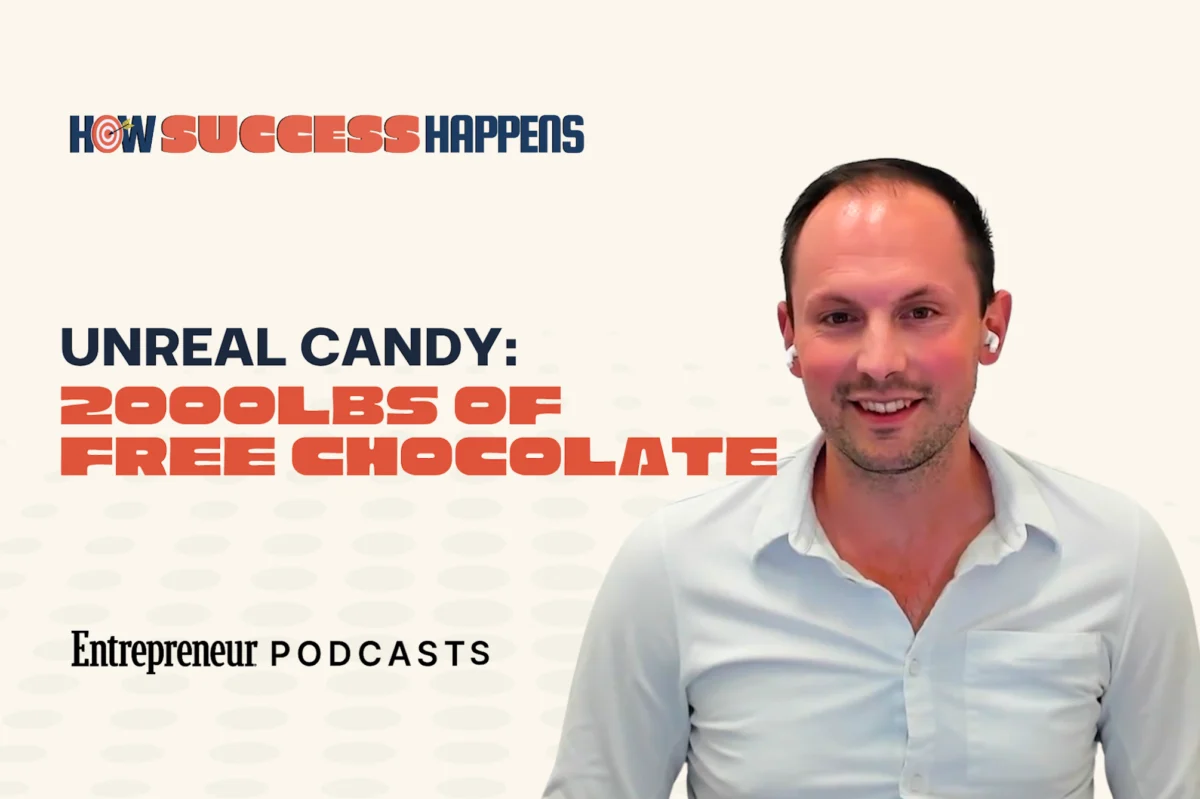
The confectionery industry, often perceived as a realm of established giants and decades-old heritage brands, has a new titan in Kevin McCarthy, CEO of Unreal Snacks. His journey to the helm of America’s largest better-for-you chocolate brand is a testament to an unconventional path, demonstrating that a traditional résumé may not be the sole determinant of success. McCarthy joined Unreal Snacks in 2014 at the tender age of 22, a fresh graduate with no prior experience in the food sector, having recently concluded a congressional campaign. At the time, he was one of only three employees. Today, Unreal Snacks boasts distribution in over 35,000 stores across the United States and Canada, solidifying its position as a dominant force in the rapidly expanding better-for-you confectionery market.
This remarkable ascent was recently explored on the "How Success Happens" podcast, where McCarthy shared insights into his leadership philosophy and the strategic pivots that propelled Unreal Snacks forward. His narrative serves as a compelling case study for aspiring entrepreneurs and seasoned professionals alike, highlighting principles that transcend industry-specific knowledge and underscore the importance of adaptability, product integrity, and strategic introspection. The conversation offered a deep dive into the challenges and triumphs of building a disruptive brand in a competitive landscape, providing actionable takeaways for anyone seeking to cultivate professional growth.
From Congressional Campaign to Confectionery: An Unlikely Beginning
Kevin McCarthy’s entry into the world of food manufacturing was as unexpected as it was impactful. His background prior to joining Unreal Snacks was rooted in politics, a field that demands a different skillset and operates under entirely different market dynamics than the fast-paced consumer packaged goods (CPG) industry. This lack of direct industry experience, however, did not prove to be a hindrance. Instead, it may have offered a fresh perspective, unburdened by established norms and traditional thinking.
"I joined Unreal in 2014 at 22, fresh off a congressional campaign, with zero food experience," McCarthy recounted. "I was one of three employees." This humble beginning underscores a core tenet of entrepreneurial success: the willingness to learn and adapt in a new environment. In an industry often dominated by established players with extensive supply chains and deep-rooted market knowledge, McCarthy’s early days were characterized by a steep learning curve. The initial team likely operated with the agility and resourcefulness typical of a startup, where every individual wears multiple hats and contributes directly to the company’s survival and growth. The fact that McCarthy, at such a young age and with such a divergent background, was entrusted with leadership responsibilities speaks volumes about the faith placed in his vision and potential by the company’s founders or early investors.
The Strategic Art of Shrinking to Grow: A Calculated Pivot
One of the most pivotal moments in Unreal Snacks’ history, and a key focus of McCarthy’s discussion, was the strategic decision to significantly reduce the company’s retail footprint. Launched in 2011, Unreal Snacks experienced rapid initial growth, a trajectory that often signifies market validation but can also outpace a company’s operational capacity.
"The company used to be in 34,000 stores," McCarthy revealed. Upon his arrival and subsequent leadership, the brand underwent a dramatic contraction, relaunching in a mere 38 stores. This decision, counterintuitive to conventional growth strategies, was a deliberate move to recalibrate and strengthen the brand’s foundation. "We were trying to do way too much way too quickly, and we weren’t learning at an appropriate pace," he explained. This period of reduction was not a sign of failure, but rather a strategic pause to address systemic issues and refine the product and its market approach.
This calculated contraction allowed Unreal Snacks to focus on perfecting its product, optimizing its supply chain, and building a more robust infrastructure. By narrowing its focus, the company could dedicate more resources to understanding its core customer base and ensuring consistent product quality and availability. This strategy is often employed by businesses facing hyper-growth that strains their operational capabilities. It allows for a deep dive into the fundamentals, ensuring that when expansion does occur, it is on a solid and sustainable footing. The implications of this pivot are significant: it demonstrates that sustainable growth is often achieved through disciplined execution rather than unfettered expansion. For emerging brands, this lesson is invaluable, emphasizing the importance of internal capacity building alongside market penetration.
The "Bite" as the Ultimate Marketing Tool: Prioritizing Product Excellence
McCarthy’s philosophy places immense emphasis on the sensory experience of consuming their products, positioning the "first bite" as the most critical element of their marketing strategy. In the competitive landscape of chocolate and confectionery, where indulgence and taste are paramount, Unreal Snacks’ commitment to a superior flavor profile is non-negotiable.
"The bite is the moment of truth," McCarthy stated. "When you have a big name like Unreal, you need to deliver on the taste." This dedication to sensory satisfaction is the engine behind the brand’s impressive repeat-purchase rate. The company’s focus on creating "better-for-you" options does not come at the expense of enjoyment; rather, it aims to elevate the experience by using higher-quality ingredients and optimizing formulations for both health and taste.
This unwavering commitment to product excellence has fostered a loyal customer base that effectively acts as the brand’s most potent marketing asset. "Its loyal customers have become what Kevin calls ‘the best marketing engine of anything’," the podcast host observed. This organic advocacy, driven by genuine product satisfaction, is often more impactful and cost-effective than traditional advertising campaigns. It underscores a fundamental marketing principle: a superior product that consistently delights consumers will naturally generate positive word-of-mouth and drive repeat business. For companies aspiring to build lasting brands, this emphasizes the enduring power of customer experience and product superiority. The implication here is that investment in product development and quality control can yield significant returns in customer loyalty and organic growth, reducing reliance on costly external marketing efforts.
Empowering the Team: A Perk That Cultivates Expertise
Unreal Snacks implements an innovative employee perk designed to foster a deep understanding of the market and product landscape: an unlimited chocolate policy. This initiative allows employees to purchase any amount of chocolate, whether from Unreal Snacks or its competitors, and then report back on their findings regarding taste and shelf presence.
"We’ll do close to a ton of chocolate this year," McCarthy noted, highlighting the scale of this internal market research. This program transforms employees into connoisseurs and critical evaluators of the confectionery market. It cultivates an environment of continuous learning and informed debate, leading to more nuanced decision-making. "The result is lively internal debates, like testing thousands of samples to decide whether a peanut butter center should be gritty, crunchy or smooth," he explained. This hands-on approach ensures that every team member, regardless of their role, develops a sophisticated understanding of consumer preferences and competitive offerings.
The policy fosters a culture where every voice is valued, and informed opinions contribute to strategic direction. "Everyone gets a voice, ‘but then we pick a path and we move forward’," McCarthy emphasized. This approach democratizes innovation and ensures that product development is grounded in a comprehensive understanding of the market. The takeaway is that thoughtfully designed employee benefits can serve as powerful tools for professional development and market intelligence, directly contributing to a company’s competitive edge. This strategy can be extrapolated to other industries, suggesting that empowering employees with resources and opportunities to deepen their expertise can yield significant benefits in innovation and market responsiveness.
Navigating Success: The Danger of Good Surprises
McCarthy’s leadership philosophy is characterized by a deliberate effort to maintain equilibrium, advocating for a steady emotional response to both positive and negative developments. This measured approach is crucial for sustained performance and strategic decision-making in a volatile business environment.
"You can never get too excited. You can never get too down," he advised. This even-keeled perspective is not about suppressing emotion, but about maintaining objectivity and strategic clarity. McCarthy extends this philosophy to unexpected successes, viewing them with a degree of caution. "I don’t like surprises that are bad. I also don’t like surprises that are good because we’re probably not prepared for them." This sentiment highlights the potential pitfalls of rapid, unforeseen growth.
Securing a major retail partnership, such as with Costco, is undeniably a cause for celebration. However, McCarthy points out that such wins necessitate immediate adaptation and strategic planning to meet the increased demand and operational complexities. "Landing a big retailer like Costco is worth celebrating, but it also means ‘now you gotta succeed’," he articulated. This perspective frames every significant achievement not as a final destination, but as the commencement of a new set of challenges and responsibilities. The implication for businesses is profound: success should be viewed as a continuous process of evolution and adaptation, rather than a static endpoint. This mindset fosters resilience and ensures that companies are not caught off guard by their own triumphs, but are instead well-equipped to capitalize on them.
The Grand Vision and the Incremental Step: Building for the Future
For aspiring entrepreneurs with a nascent idea and supportive feedback from their social circle, McCarthy offers a grounded approach to brand building. He stresses the importance of clarity in defining the target audience and the unique value proposition of the product.
"For the person in their kitchen whose friends keep saying ‘you should sell this,’ Kevin says to start by being clear about who you serve and why your product is different," the podcast summary conveyed. This foundational step is critical for establishing a distinct market identity and attracting the right customers. While the ultimate goal might be to build a large and beloved brand, McCarthy emphasizes the necessity of embracing the less glamorous aspects of entrepreneurship and preparing for inevitable setbacks.
"Dream about building a massive, well-loved brand, but be ready for the unglamorous work and the near-failures," he advised. This duality of vision and execution is central to his message. The journey from a small-scale operation to a national brand is a marathon, not a sprint, and requires a long-term perspective coupled with meticulous attention to immediate tasks. "You’re gonna take step one, but there’s gonna be step two million someday down the road." This perspective encourages founders to maintain an ambitious outlook while remaining grounded in the practicalities of day-to-day operations. The takeaway is that ambitious goals are best achieved through consistent, incremental progress, underpinned by a clear understanding of the target market and a commitment to overcoming challenges.
The Sweet Future of Better-for-You Confectionery
Unreal Snacks, under Kevin McCarthy’s leadership, has not only redefined what it means to be a successful confectionery brand but has also significantly contributed to the growth and credibility of the "better-for-you" segment. The brand’s presence in major retailers like Costco, Target, and Whole Foods signifies broad consumer acceptance and a strong demand for healthier indulgent options. The company’s continued success is likely to further incentivize innovation within the sector, encouraging more brands to explore the intersection of health consciousness and consumer desire for treats.
McCarthy’s journey, marked by strategic agility, an unwavering commitment to product quality, and a forward-thinking leadership approach, serves as an inspiring blueprint for entrepreneurial success. It demonstrates that the most potent ingredients for building a thriving business are often not found in a conventional résumé, but in a willingness to learn, adapt, and relentlessly pursue excellence, one delicious bite at a time. The narrative of Unreal Snacks and its CEO is a powerful reminder that in the dynamic world of business, the "candy man" can indeed create magic, but it is through strategic foresight and diligent execution that the miracle truly unfolds.
About How Success Happens
The "How Success Happens" podcast, as highlighted in the context of this interview, dedicates itself to exploring the diverse and often unconventional paths that influential figures have traversed to achieve prominence. Each episode delves into the inspiring, entertaining, and sometimes unexpected journeys of leaders across business, arts, and sports. The podcast serves as a valuable resource for listeners seeking inspiration, offering tangible proof that behind every celebrated career lies a story of perseverance, resilience in the face of self-doubt, and the unwavering determination to overcome obstacles. It provides a humanizing perspective on success, underscoring the individual journeys and the hard-won lessons that shape remarkable careers.