Lina Wu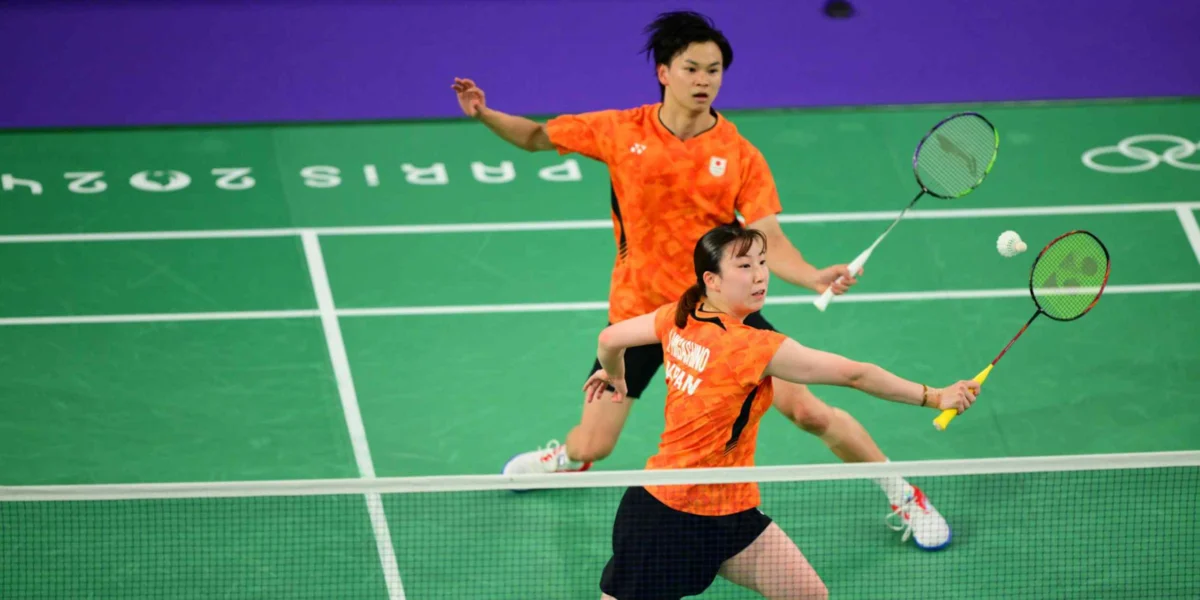
The global badminton community is facing an unprecedented challenge as the escalating avian flu crisis, particularly its impact on duck populations in China, has led to a dramatic scarcity of goose feathers, the traditional material for shuttlecock production. This scarcity has triggered a sharp rise in shuttlecock prices in key markets like Japan, prompting manufacturers, including industry giant Yonex, to accelerate their exploration and development of synthetic alternatives. The delicate balance of this popular sport, from recreational play to the elite Olympic stage, is being tested by a disease that spares neither feathers nor the livelihoods of those who depend on them.

The Feather Crisis: A Perfect Storm of Disease and Demand
For decades, the high-quality feathers of ducks, primarily sourced from specific regions in China, have been the gold standard for shuttlecock manufacturing. These feathers possess a unique combination of stiffness, elasticity, and weight distribution that is crucial for achieving the precise flight trajectory and durability expected by players. However, the recent and persistent outbreaks of highly pathogenic avian influenza (HPAI) have decimated duck flocks across China, the world’s leading supplier of badminton shuttlecock feathers.
The timeline of the avian flu outbreaks is critical to understanding the current crisis. While sporadic outbreaks have occurred for years, the past two to three years have seen a significant escalation in both the frequency and severity of HPAI strains. This has led to widespread culling of infected poultry and stringent biosecurity measures, severely disrupting the supply chain for feather collection. Reports from agricultural ministries and veterinary organizations indicate that millions of birds have been culled globally, with China bearing a substantial portion of this impact due to its vast poultry industry. This disruption, coupled with a sustained increase in global badminton participation, has created a perfect storm, driving up demand for a diminishing supply.

Price Hikes and Supply Chain Strain
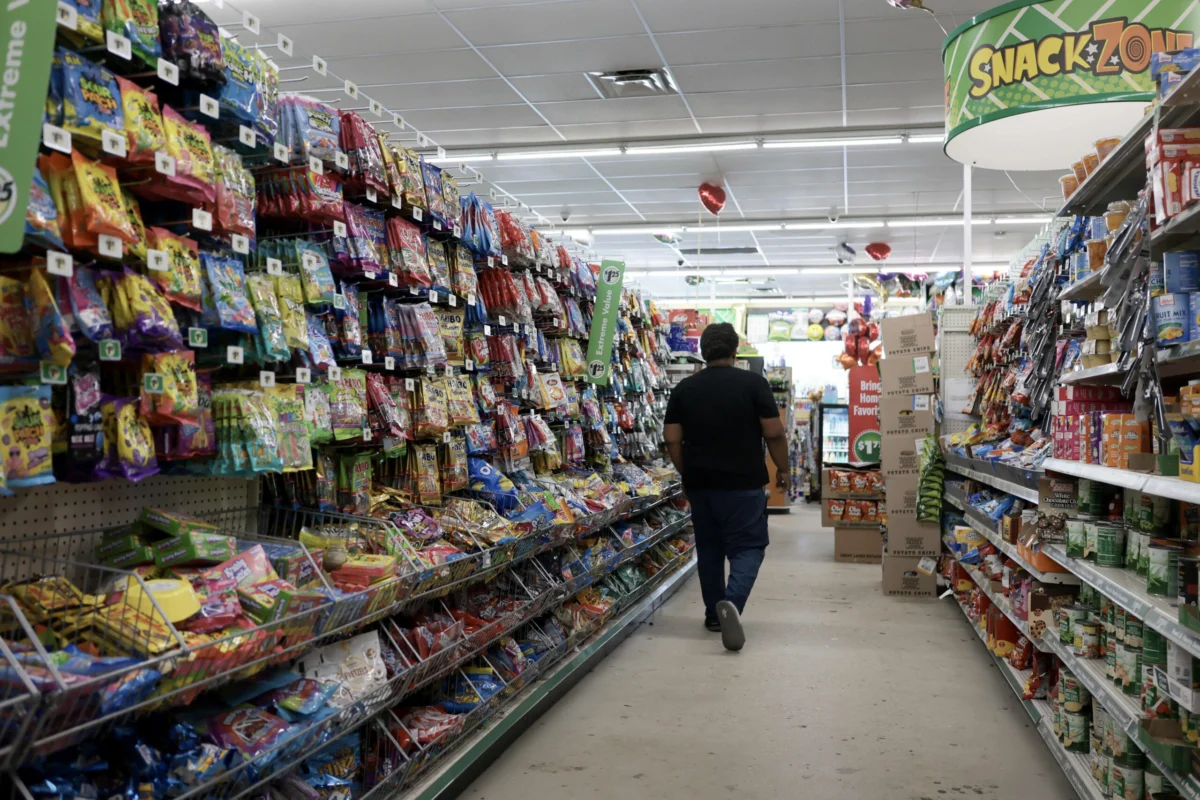
The immediate consequence of this feather scarcity has been a palpable increase in shuttlecock prices. In Japan, a significant market for the sport, consumers and retailers have reported substantial price hikes, with some premium goose feather shuttlecocks seeing an increase of 20-30% over the past year. This is not merely a minor inconvenience; for dedicated players, clubs, and educational institutions, it represents a significant financial burden.
"We’ve had to absorb some of the cost increases ourselves to avoid alienating our customer base, but it’s becoming unsustainable," commented a manager at a sporting goods store in Tokyo, who wished to remain anonymous. "The supply is inconsistent, and when we do get stock, it’s at a much higher price. We’re fielding calls daily from concerned parents and coaches."

This strain extends to manufacturers like Yonex, a company synonymous with high-performance badminton equipment. While Yonex has not publicly disclosed specific figures regarding feather sourcing costs, industry analysts suggest that the company, like its competitors, is facing immense pressure to maintain production levels and quality while navigating volatile raw material prices. The company’s robust global distribution network means that the impact of this shortage is felt far beyond Japan, affecting markets in Asia, Europe, and North America.
The Rise of Synthetic Alternatives: A Long-Awaited Solution?
The search for synthetic alternatives to goose feathers is not a new one. Manufacturers have been experimenting with various plastic and composite materials for years, aiming to create shuttlecocks that offer comparable performance to their feathered counterparts while being more durable and cost-effective. However, achieving the same flight characteristics has proven to be a significant technical hurdle.

Historically, synthetic shuttlecocks have been criticized for their inconsistent flight paths, shorter lifespans, and a tendency to break easily. This has relegated them largely to recreational play or practice sessions, with serious players and competitive leagues almost exclusively relying on goose feather shuttlecocks.
However, the current crisis is acting as a powerful catalyst for innovation. Companies are investing heavily in research and development to overcome these limitations. Advanced polymer science and aerodynamic engineering are being employed to create new materials that mimic the feather’s unique properties. This includes developing materials with specific densities, flexibilities, and surface textures to ensure predictable flight and durability.

Yonex, in particular, has been at the forefront of this push. The company has a history of technological advancement in its product lines, and the current market conditions are likely accelerating its efforts in synthetic shuttlecock development. While official statements from Yonex have been measured, focusing on their commitment to supporting the sport, it is widely understood within the industry that significant resources are being allocated to this area.
"The goal is to create a synthetic shuttlecock that not only matches the performance of goose feathers but potentially offers advantages in terms of consistency and longevity," stated a source close to a leading badminton equipment manufacturer, speaking on condition of anonymity. "We are seeing breakthroughs in material science that were not feasible even a few years ago. The current market pressures are forcing us to innovate at an unprecedented pace."

Supporting Data and Industry Projections
The global badminton market has seen consistent growth, fueled in part by its inclusion in the Olympic Games, which has significantly boosted its popularity and visibility worldwide. Data from market research firms indicates that the global badminton equipment market was valued at over $1.5 billion in 2023 and is projected to grow at a compound annual growth rate (CAGR) of approximately 5-6% over the next five years. This growth trajectory, however, is now under threat from the supply chain disruptions.
The reliance on China for feathers is a significant vulnerability. Estimates suggest that China accounts for over 80% of the world’s goose feather supply for shuttlecock production. This concentration of supply, coupled with the devastating impact of avian flu, highlights the need for diversification and the development of viable alternatives.

Industry projections suggest that if the avian flu situation in China does not abate significantly in the coming years, the price of goose feather shuttlecocks could continue to rise, potentially reaching levels that make them prohibitive for many amateur players and clubs. This could lead to a significant shift in market share towards synthetic alternatives, provided that manufacturers can successfully address the performance concerns.
Broader Implications for the Sport
The implications of this crisis extend beyond just the cost of equipment. For professional players, consistent access to high-quality shuttlecocks is essential for training and competition. A sudden shift to less predictable synthetic alternatives could impact training methodologies and even match outcomes.

"We rely on the consistent flight of goose feather shuttlecocks to hone our skills," commented a national-level player during a training session in Japan. "If the alternatives don’t perform similarly, it could affect our precision, our timing, and our overall game. It’s a concern for all of us."
For grassroots badminton, the impact could be even more profound. Local clubs, schools, and community centers often operate on tight budgets. Substantially higher equipment costs could deter new participants, hindering the growth of the sport at its foundational levels.

The Olympic inclusion of badminton has been a boon, raising the sport’s profile and inspiring new generations of players. However, ensuring that this momentum is not derailed by a supply chain crisis is paramount. Governing bodies for badminton, such as the Badminton World Federation (BWF), are likely monitoring the situation closely. While they have no direct control over feather sourcing, they play a crucial role in setting equipment standards and promoting the sport. Their endorsement of high-quality synthetic alternatives, once they become technically viable, could significantly influence market adoption.
A Look Ahead: Innovation and Adaptation
The avian flu crisis presents a significant challenge to the badminton industry, but it also serves as a powerful impetus for innovation and adaptation. The development of advanced synthetic shuttlecocks is no longer a matter of convenience but of necessity. If manufacturers can successfully bridge the performance gap, the long-term outlook for the sport may be more resilient.

The timeline for a complete transition is uncertain. It will depend on the continued severity of the avian flu outbreaks, the pace of technological advancements in material science, and the willingness of players and governing bodies to embrace synthetic alternatives. However, the writing is on the wall: the era of exclusive reliance on goose feathers for high-performance badminton may be drawing to a close. The industry’s ability to navigate this feathered crisis and adapt to new materials will ultimately determine the future accessibility and growth of this beloved sport. The resilience of the badminton community, coupled with the drive for technological solutions, offers a hopeful outlook, suggesting that the game will indeed go on, perhaps with a slightly different flight path.