Farhan Pambudi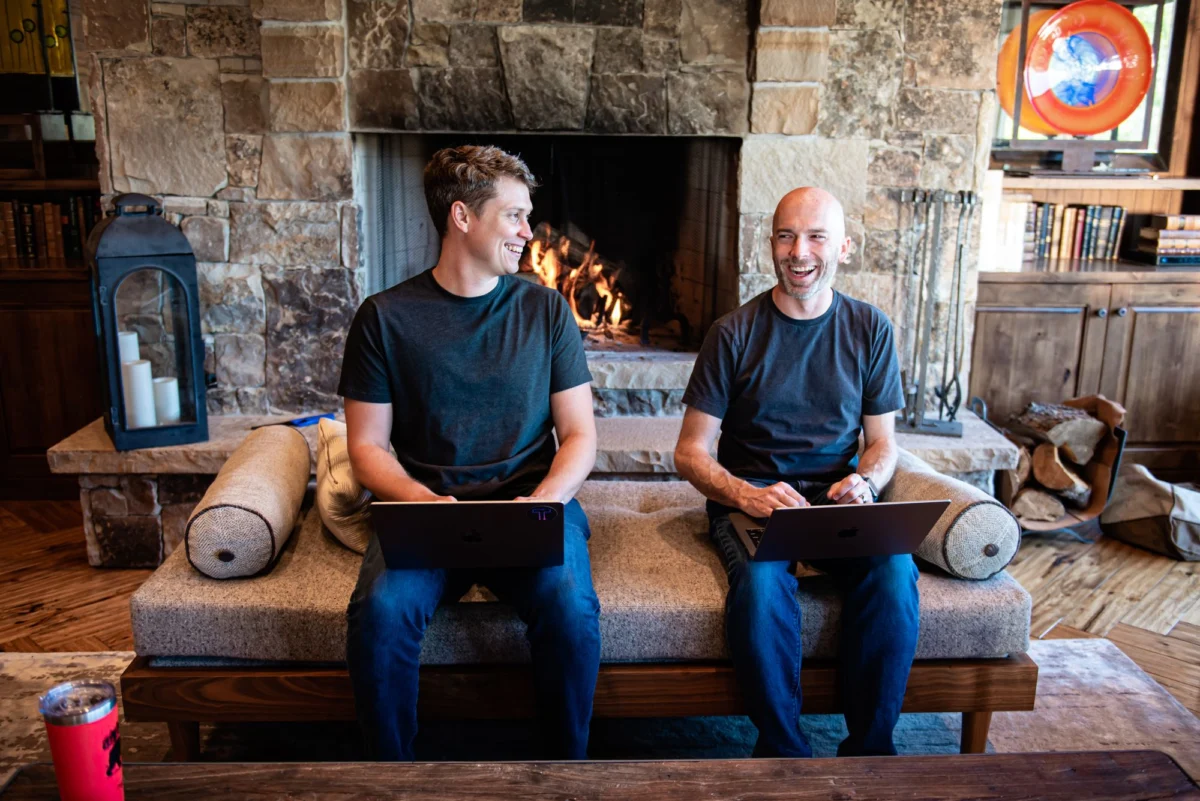
Thatch, a healthcare technology platform designed to streamline health benefits for startups and their employees, has secured $108 million in a new funding round, propelling the company to a $1 billion valuation. The investment was led by a group of high-profile returning investors, including Andreessen Horowitz (a16z), Index Ventures, General Catalyst, and The General Partnership. This significant capital infusion marks a pivotal moment for the San Francisco-based startup, which has seen its valuation more than double in less than a year and a half.
The funding comes a mere 17 months after Thatch closed a $40 million Series B round, which at the time valued the company at approximately $410 million. The rapid appreciation in value is particularly notable given the current venture capital climate, where "unicorn" status—a valuation of $1 billion or more—is increasingly reserved for companies demonstrating exceptional growth and fundamental market utility. While many recent high-valuation rounds have been concentrated in the artificial intelligence sector, Thatch’s success is rooted in its ability to solve a structural, multi-billion-dollar problem within the United States healthcare system: the rising cost and administrative complexity of employer-sponsored health insurance.
The Financial Trajectory and Leadership of Thatch
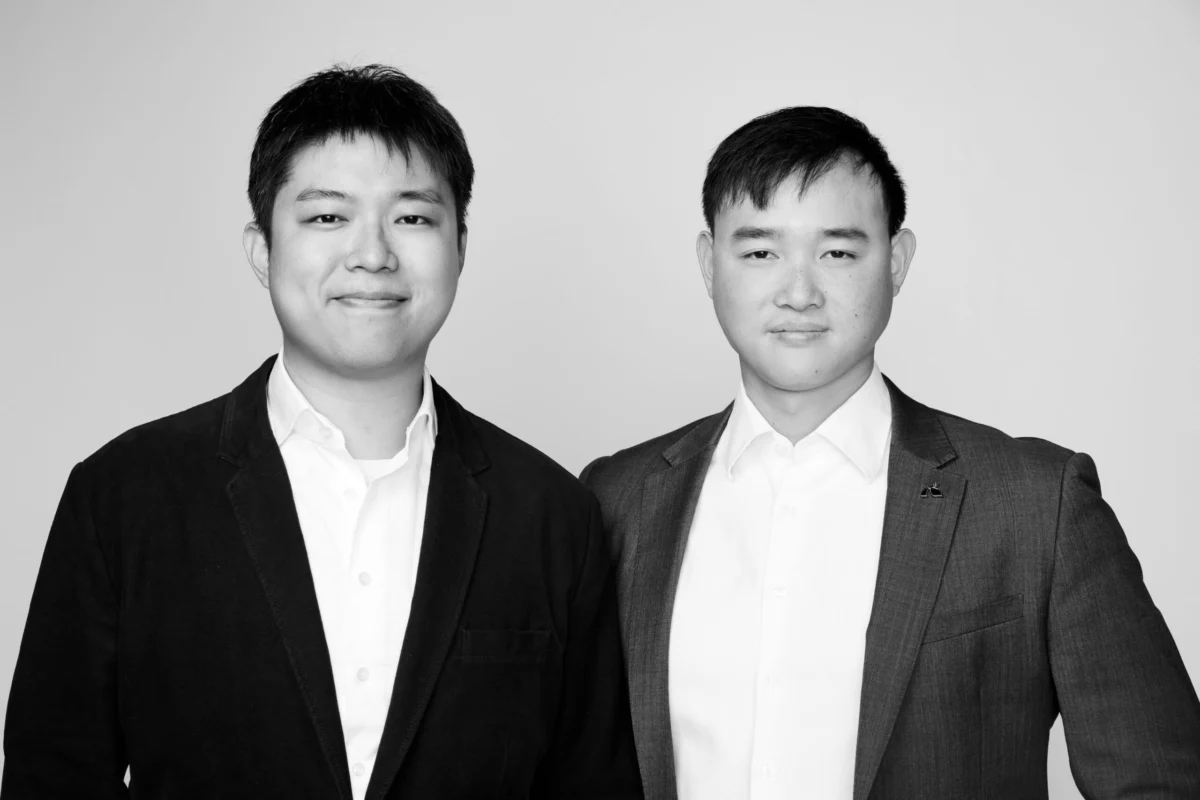
Founded in 2021 by CEO Chris Ellis and Adam Stevenson, a former engineering executive at the payment processing giant Stripe, Thatch was built on the premise that the traditional group health insurance model is fundamentally broken for modern businesses. According to Ellis, the company has experienced a meteoric rise in its financial metrics, growing its annual recurring revenue (ARR) by approximately seven times over the last year. This growth is a testament to the increasing demand for alternative benefit structures among small-to-medium-sized businesses (SMBs) and high-growth startups.
The involvement of blue-chip venture firms like a16z and Index Ventures suggests a high level of confidence in the scalability of Thatch’s model. By leveraging the expertise of founders with backgrounds in fintech and infrastructure, Thatch has positioned itself not just as a benefits broker, but as a financial layer that sits between employers, employees, and insurance carriers.
Addressing the Crisis of Surging Healthcare Costs
The timing of Thatch’s expansion coincides with a period of unprecedented financial strain on American businesses regarding healthcare. Data from healthcare consultancy Mercer suggests that employer health benefit costs are expected to jump by more than 8% in 2027, representing the sharpest annual increase since 2003. These rising premiums are driven by several factors, including general inflation, a shortage of healthcare labor, and the high cost of new medical innovations.
Traditional group plans often leave employers in a difficult position. To maintain coverage levels, they must either absorb the rising costs, which eats into profit margins and hiring budgets, or pass the costs onto employees in the form of higher deductibles and premiums. Furthermore, the negotiation process with major carriers like UnitedHealthcare, Anthem, or Aetna is often opaque and labor-intensive, particularly for smaller companies that lack the scale to negotiate favorable rates.
The ICHRA Revolution: From Group Plans to Individual Choice
At the core of Thatch’s value proposition is a regulatory mechanism known as the Individual Coverage Health Reimbursement Arrangement (ICHRA). Established by federal regulation in 2020, the ICHRA model allows employers to move away from "defined benefit" plans—where the company chooses a specific plan for everyone—to a "defined contribution" model.
Under this framework, recently rebranded by some industry players as "CHOICE," an employer allocates a fixed, tax-free sum of money to each employee. The employee then uses these funds to purchase an individual health insurance plan that best fits their specific lifestyle, family needs, and medical history. This shift is analogous to the transition in the retirement sector from traditional pensions to 401(k) plans, placing the power of choice in the hands of the individual while providing the employer with budget predictability.
Thatch provides the technological marketplace and administrative infrastructure to make this transition seamless. Instead of navigating the complex and often confusing public health exchanges, employees use Thatch’s platform to browse dozens of health, dental, and vision plans. The platform utilizes proprietary AI algorithms to analyze an employee’s specific health needs and recommend the most cost-effective and comprehensive options.
Personalization and the GLP-1 Demand
One of the most significant drivers of employee dissatisfaction with traditional group plans is the lack of coverage for specialized treatments. The recent surge in demand for GLP-1 medications—such as Ozempic and Wegovy, used for weight loss and diabetes management—has highlighted the limitations of the "one-size-fits-all" approach. Many traditional employer plans exclude these drugs due to their high cost, which can exceed $1,000 per month.
Thatch’s model addresses this by providing employees with a dedicated debit card. If an employee chooses a lower-cost health plan, the remaining balance of their employer-provided allowance stays on the card. These pre-tax funds can then be used for a wide range of health-related expenses that traditional insurance might not cover, including GLP-1 medications, mental health services, or even wearable health technology like the Oura Ring.
"If employees don’t like their insurance, they can switch to another one," Ellis noted in a statement to the media. This portability creates a market dynamic where insurers must compete for individual customers based on service quality and claim approval rates, rather than simply winning a massive corporate contract through a broker.
Competitive Landscape and Market Adoption
Thatch is not the only player recognizing the potential of the ICHRA market. The company faces competition from other startups such as Take Command, Remodel Health, and Zorro, all of which are vying to modernize the benefits landscape. However, Thatch’s recent valuation and significant capital reserves provide it with a substantial advantage in terms of product development and market reach.
The broader insurance industry is also taking note. For decades, the individual insurance market was seen as secondary to the massive employer-sponsored group market. However, the ICHRA regulations have revitalized the individual market, bringing in a younger, healthier demographic of workers who were previously tethered to group plans. This influx of new customers is encouraging carriers to offer more robust individual plans, further improving the options available on platforms like Thatch.
Implications for the Future of Work
The rise of Thatch and the ICHRA model has profound implications for the future of the American workforce, particularly in an era of remote work and the "gig economy." Traditional group plans are often geographically restricted, making it difficult for companies with a distributed workforce to provide equitable coverage across different states. Because Thatch focuses on individual plans, coverage is inherently more portable and adaptable to an employee’s location.
Furthermore, for startups and small businesses, the administrative burden of managing health benefits is a major hurdle to growth. By outsourcing the complexity of compliance, tax reporting, and carrier negotiations to Thatch, these companies can focus their resources on their core business operations.
Chronology of Growth and Funding
The trajectory of Thatch illustrates the speed at which the benefits-tech sector is evolving:
- 2021: Thatch is founded by Chris Ellis and Adam Stevenson, focusing on the pain points of startup benefits.
- 2022-2023: The company begins to gain traction as the 2020 ICHRA regulations become more widely understood by HR professionals.
- Early 2024: Thatch secures $40 million in Series B funding, valuing the company at $410 million.
- Mid-2024: The company reports a 7x increase in ARR, driven by a surge in new corporate clients looking to hedge against rising healthcare costs.
- Late 2024/Early 2025: Thatch closes its latest $108 million round, officially reaching a $1 billion valuation.
Analysis: A Strategic Shift in Corporate Wellness
The success of Thatch signals a broader shift in how corporations view employee wellness. By moving to a defined contribution model, companies are essentially "de-risking" their balance sheets from the volatility of healthcare inflation. For the employee, the benefit is a shift from being a passive recipient of a company-mandated plan to being an active consumer of healthcare.
The use of AI in this context is also a critical evolution. While the "AI" label is often overused, in Thatch’s case, it serves a functional purpose: simplifying the choice architecture of the insurance market. By analyzing vast amounts of plan data against an individual’s predicted needs, the platform reduces the cognitive load on employees, ensuring they do not overpay for coverage they don’t need or find themselves under-insured during a medical crisis.
As Thatch prepares to deploy its new capital, the company is expected to focus on expanding its marketplace offerings, enhancing its AI recommendation engine, and potentially moving into adjacent markets such as life insurance or disability coverage. With healthcare costs showing no signs of slowing down, the demand for platforms that offer transparency, choice, and cost-control is likely to remain on an upward trajectory.