Farhan Pambudi
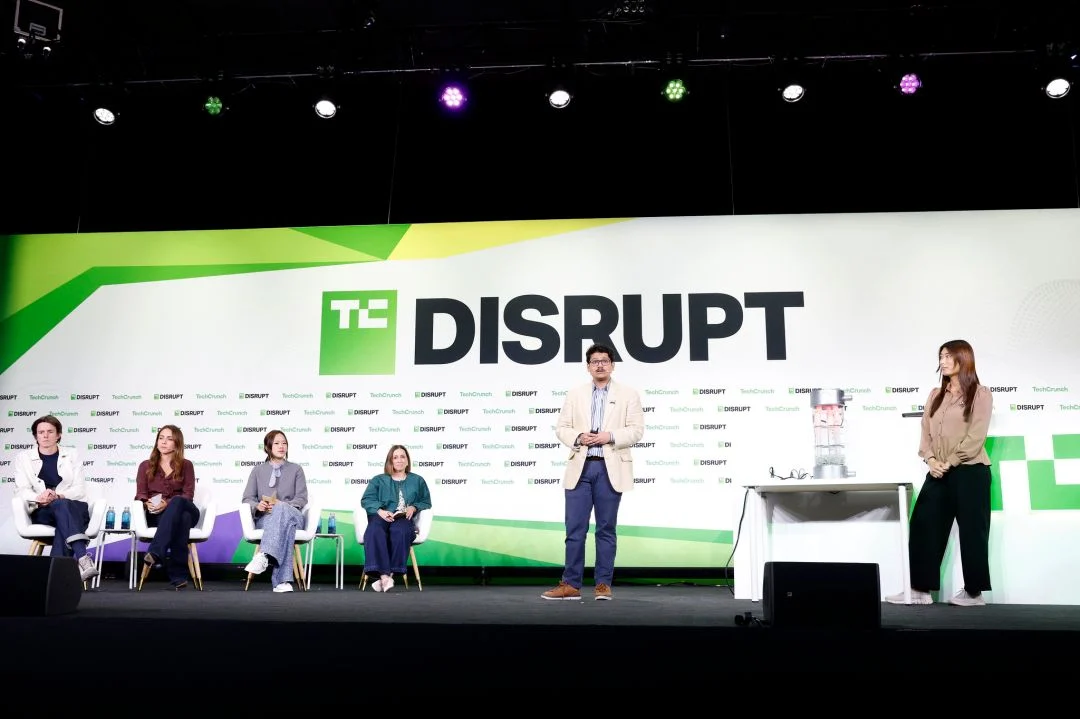
The technology ecosystem is preparing for a significant gathering of minds as the TechCrunch Founder Summit 2026 is officially scheduled to take place on November 4 at the SoWa Power Station in Boston, Massachusetts. This event marks a strategic shift in the conference landscape, moving away from the traditional, high-volume convention model toward a more curated, hands-on experience designed specifically for founders, investors, and high-level operators. By prioritizing intentional networking and peer-to-peer knowledge exchange, the summit aims to address the specific hurdles faced by early-to-mid-stage startups in an increasingly complex global market. Central to this mission is the implementation of Braindate, a sophisticated networking platform designed to facilitate purposeful conversations rather than accidental encounters.
The Architecture of Strategic Networking and the Braindate Integration
In the modern startup environment, the value of a professional conference is increasingly measured by the quality of connections made rather than the quantity of content consumed. Recognizing that the most transformative advice often comes from peers who have navigated similar challenges, TechCrunch has integrated the Braindate platform into the core of the Founder Summit experience. This system allows attendees to move beyond the traditional "elevator pitch" and engage in deep-dive discussions on specific operational hurdles.
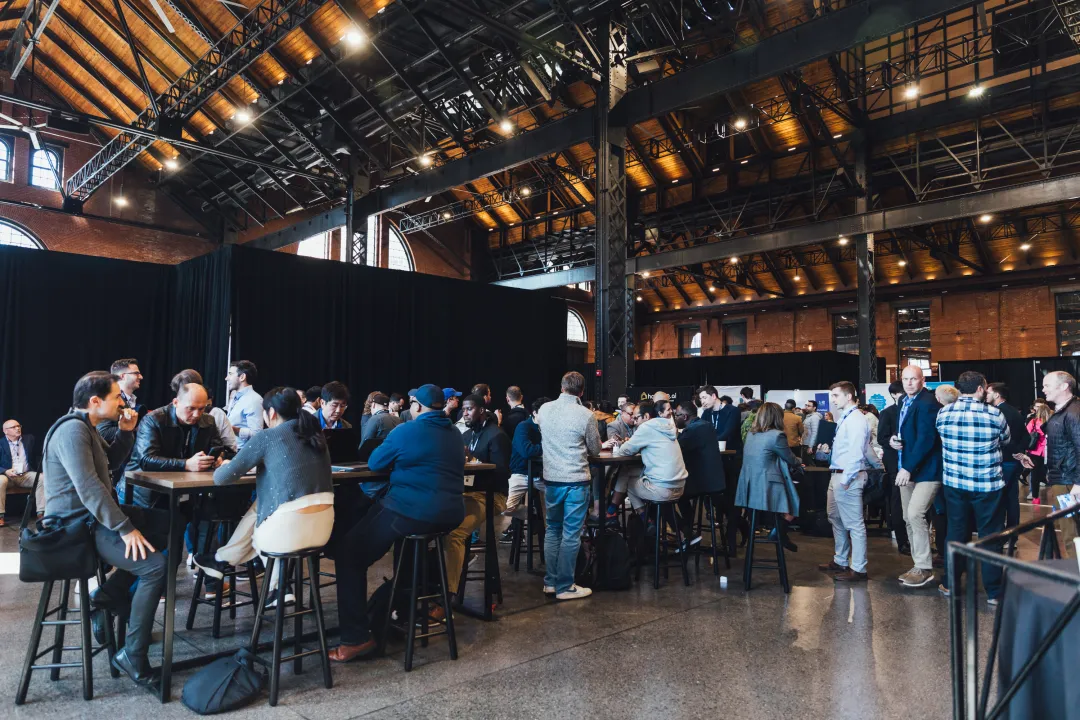
The Founder Summit Networking Lounge will serve as the physical hub for these interactions, offering dedicated spaces for one-on-one meetings and small-group "braindates." Unlike standard networking sessions where participants often rely on chance, Braindate enables users to browse a directory of topics posted by other attendees. This allows a founder struggling with Series A valuation to find an investor specifically interested in that stage, or a CTO facing scaling issues to connect with an operator who has successfully managed rapid technical expansion.
The topics anticipated for these sessions reflect the current anxieties of the tech sector: fundraising strategies in a fluctuating interest rate environment, the nuances of achieving sustainable product-market fit, and the complexities of building enterprise-grade sales teams without the budget of a Fortune 500 company. By structuring networking around these specific queries, the summit seeks to maximize the Return on Time (ROT) for every participant.

Contextualizing the Boston Innovation Ecosystem
The selection of Boston and the SoWa Power Station as the venue for the 2026 summit is a calculated decision that reflects the city’s enduring status as a premier global innovation hub. While Silicon Valley remains the traditional epicenter of venture capital, Boston has solidified its position as the leader in "deep tech," including biotechnology, robotics, and advanced materials. The city’s proximity to world-class academic institutions such as MIT and Harvard provides a continuous pipeline of talent and intellectual property that fuels a robust startup culture.
According to recent economic data, the Massachusetts tech sector contributes significantly to the state’s GDP, with venture capital investment in the region showing remarkable resilience even during broader market downturns. By hosting the Founder Summit at the SoWa Power Station—a restored 19th-century architectural landmark in Boston’s South End—TechCrunch is positioning the event within a space that symbolizes both the industrial heritage and the modern creative resurgence of the city. This environment is intended to foster a sense of focus and historical gravity, distinct from the sterile environments of traditional suburban convention centers.
A Chronology of the Founder Summit Programming
The summit is structured to provide a comprehensive roadmap for the entrepreneurial journey, with the agenda divided across the "Build" and "Impact" stages. The day’s events are designed to flow from high-level strategic overviews to granular, tactical applications.
Early morning sessions are expected to focus on the foundational elements of scaling. As the day progresses, the focus shifts toward the broader impact of technology on society and the long-term sustainability of the business models being developed. Interspersed throughout the day are interactive roundtables and live pitch critiques, where founders can receive real-time feedback from seasoned venture capitalists.
The event concludes with the distribution of post-event session materials, ensuring that the insights shared on stage and in private meetings are preserved for future reference. This chronological flow is designed to mirror the lifecycle of a startup, moving from the initial "build" phase to the "impact" phase where the company begins to influence its broader industry.

High-Level Insights from Industry Leaders
The 2026 speaker lineup features a blend of veteran investors and successful operators, each bringing a unique perspective on the current state of the industry. Kent Bennett of Bessemer Venture Partners is slated to lead discussions on product-market fit. Bessemer, one of the oldest and most successful venture capital firms in the world, has a storied history of identifying market leaders before they become household names. Bennett’s insights into what constitutes a truly scalable product are expected to be a highlight for early-stage founders.
Complementing this is Dave Balter of True Ventures and Edisyl. Balter, known for his serial entrepreneurship and his ability to decode the nuances of consumer behavior, will unpack the elements of a successful pitch. His sessions are designed to help founders understand the psychological triggers that lead an investor to move from a preliminary meeting to a formal due diligence process.
Furthermore, Steve Fredette, the co-founder of Toast, will provide a firsthand account of scaling a company through various market cycles. Toast’s journey from a Boston startup to a dominant player in the restaurant technology space offers a blueprint for navigating the transition from a niche solution to an industry-standard platform. Fredette’s presence underscores the summit’s commitment to providing access to "practitioner" knowledge—insights derived from the actual experience of building and leading a multi-billion dollar enterprise.
Data-Driven Analysis of the 2026 Startup Landscape
The Founder Summit arrives at a pivotal moment for the global tech economy. Following the "funding winter" of the mid-2020s, the market in 2026 is characterized by a "flight to quality." Data indicates that while the total volume of venture deals may be lower than the peaks of 2021, the average deal size for companies with proven unit economics has remained steady.
Investors are increasingly prioritizing profitability and sustainable growth over "growth at all costs." This shift is reflected in the summit’s agenda, which emphasizes operational efficiency and enterprise sales. According to industry reports, startups that focus on solving specific, high-value problems for enterprise clients are 40% more likely to secure follow-on funding compared to those focusing on broader consumer markets. The Founder Summit’s focus on these "hard" skills is a direct response to these market realities.

Broader Impact and Industry Implications
The implications of the TechCrunch Founder Summit 2026 extend beyond the immediate networking benefits for attendees. By fostering a more collaborative and less competitive environment, the event contributes to the strengthening of the East Coast tech corridor. The summit acts as a catalyst for regional economic development, drawing international attention to the Boston ecosystem and encouraging cross-pollination between different sectors of the tech industry.
Moreover, the emphasis on peer-to-peer learning reflects a broader trend in professional education. As the pace of technological change accelerates, traditional academic curricula often struggle to keep up. Intensive, industry-led summits like this one fill the gap, providing real-time intelligence on emerging trends such as generative AI integration, decentralized finance, and sustainable supply chain management.
Access and Participation for the Next Generation of Founders
To ensure that the summit remains accessible to a diverse range of participants, TechCrunch has introduced a tiered registration system. Current promotional offers include a "Buy One, Get One" (BOGO) pass, specifically designed to allow founders to bring a co-founder or a key team member at no additional cost. This initiative recognizes that the challenges of scaling a company are rarely faced by a single individual and that shared knowledge within a leadership team is vital for success.
The pass includes access to all breakout sessions, the Expo Hall where scaling solutions are showcased, and the Braindate platform. By lowering the financial barrier to entry, the summit aims to include voices from underrepresented communities and bootstrapping startups that might otherwise be excluded from high-level industry events.
As the doors prepare to open on November 4 at the SoWa Power Station, the TechCrunch Founder Summit 2026 stands as a testament to the enduring power of human connection in a digital age. It represents a move toward a more intentional, data-driven, and community-focused approach to entrepreneurship—one where the right conversation at the right time can alter the trajectory of a company and, by extension, the industry at large.