Gilang Muhammad
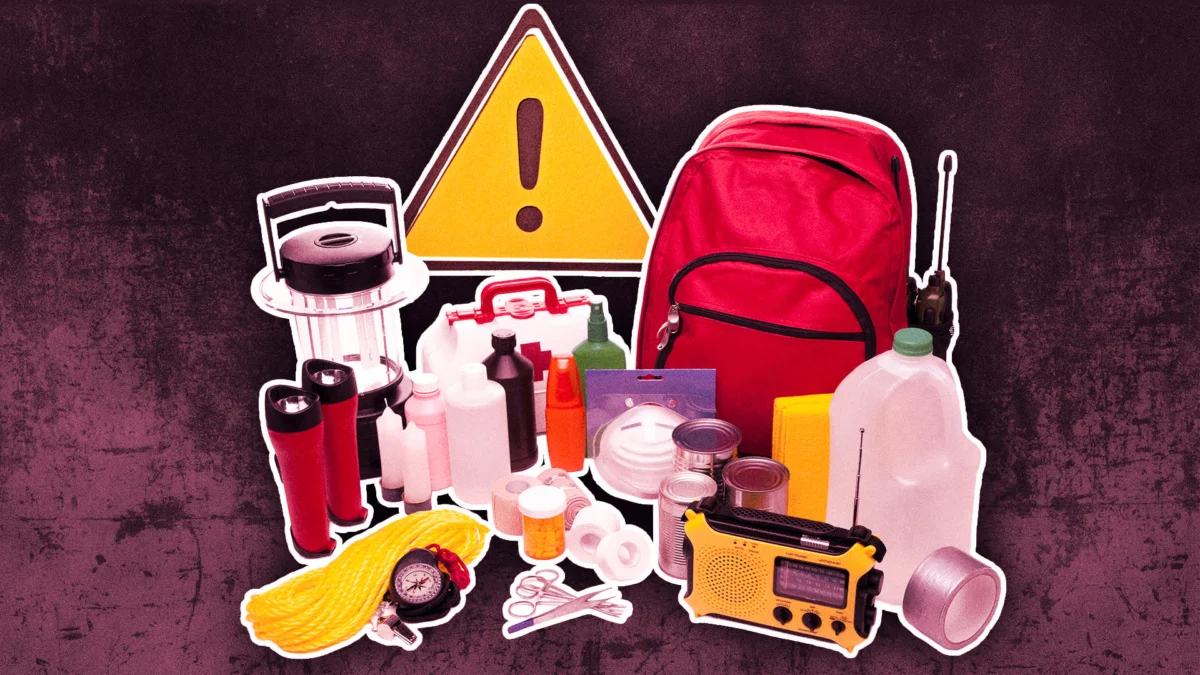
A palpable shift in consumer behavior is sweeping across the United States, as a series of high-profile technology outages and persistent geopolitical anxieties propel Americans towards unprecedented levels of emergency preparedness. What some are calling the "doomsday economy" is witnessing a significant uptick, with sales of survival gear, non-perishable foods, and even firearms surging, prompting retailers and Wall Street analysts to take note of a profound, psychologically driven market trend.
A Week of Digital Disruption Fuels Public Anxiety
The catalyst for this recent surge was a tumultuous period between November 12 and November 17, 2026, during which the nation experienced at least half a dozen major technology malfunctions. These weren’t isolated glitches but systemic disruptions that sent ripples of concern through daily life and critical infrastructure. The Federal Aviation Administration (FAA) suffered an outage that grounded planes nationwide, leading to widespread travel chaos and exposing vulnerabilities in air traffic control systems. Microsoft users reported widespread email access issues, disrupting business operations and personal communications. Simultaneously, a technical issue at JPMorgan Chase slowed bank transactions for several hours, raising alarms about the stability of digital financial networks.
While government officials, including U.S. Director of National Intelligence Jay Clayton, have swiftly moved to dismiss online rumors and speculation of a nefarious culprit or coordinated cyberattack, attributing the incidents to technical malfunctions, the public’s unease has proven resilient. Many Americans are grappling with growing concerns about the potential for artificial intelligence (AI)-driven cyberattacks, the fragility of the nation’s energy grid, and the broader implications of an increasingly interconnected, yet vulnerable, digital world.
From Households to the Pentagon: A Nation on Edge
The personal response to these events paints a vivid picture of heightened anxiety. Sabrina Cepeda, a 39-year-old mother of three from Houston, exemplifies this proactive approach. In the wake of the outages, she purchased propane and lighter fluid for cooking and heating equipment operable without electricity. Her backup stockpiles of non-perishable foods, hygiene products, and allergy medicine were also replenished, ensuring her family could manage a multi-day home confinement. "I have a way to keep my family fed, clean, hydrated, warm and safe," Cepeda stated, underscoring a prevailing sentiment: "You want to have these things and not need them, rather than need them and not have them." Her past experiences with extreme weather events like Hurricane Harvey in 2017 and Winter Storm Uri in 2021 had already instilled a sense of preparedness, but this year marks the first time she felt compelled to prepare specifically for technology-induced emergencies, highlighting a new dimension of perceived risk.
This individual initiative mirrors broader institutional concerns that had been "bubbling under the surface" for weeks. Data from Consumer Edge reveals that shoppers began significantly ramping up purchases from emergency preparedness brands late last month, well before the recent tech outages. This earlier trend was partly fueled by a Fox News report detailing the Pentagon’s plans to prepare U.S. military bases to operate for at least 90 days without external support. Exacerbating these fears was President Donald Trump’s signaling that the ongoing war with Iran could escalate, adding a layer of geopolitical instability to domestic anxieties. The confluence of these factors has created a fertile ground for the "doomsday economy" to flourish.
The "Doomsday Economy" Takes Hold: Retailers See Unprecedented Demand
The immediate aftermath of the November tech outages saw an astonishing surge in consumer spending on emergency products. Card data analyzed exclusively for CNBC by Consumer Edge indicated that spending at brands specializing in emergency supplies spiked approximately 400% between November 12 and November 17, compared with the same period a year prior. This exponential growth dwarfs typical seasonal fluctuations and underscores the urgency felt by consumers.
Ready America, a Vista, California-based company that provides emergency survival kits, prepackaged water, and high-calorie food bars, experienced a roughly five-fold increase in sales through its e-commerce platforms in recent days. Trevyn Reese, President of Ready America, noted that the company has not witnessed such a level of demand since the initial phase of the Covid pandemic, more than six years ago, when national lockdowns triggered a similar wave of panic buying. The sudden influx of orders has compelled Ready America to ask its suppliers to scale up production, with the family-owned business already facing a shortage of water purification tablets and redirecting customers to alternative offerings like prepackaged water pouches. "With everything going on in the news right now, we’ve seen a large spike of people wanting to get prepared," Reese commented, reflecting the pervasive impact of current events.
Beyond basic survival gear, the scope of preparedness buying has expanded to include more substantial investments. Consumers are not only stocking up on essentials but also securing items traditionally associated with self-reliance and security. The National Shooting Sports Foundation (NSSF), a firearm trade group, reported an 8% increase in gun sales in October compared to the previous year. Anecdotal reports from retailers and gun manufacturers suggest this elevated demand continued into November, a trend NSSF attributes to a combination of uncertainty surrounding the midterm election and the recent technological disruptions. Mark Oliva, NSSF’s managing director of public affairs, articulated the significance of this trend: "If people are investing in firearms and ammunition, they’re telling you very directly, with their wallet, what their priority is. You’re literally investing in a product that’s going to be able to protect your life and protect the lives of your family."
Wall Street Weighs In: Market Reactions and Investor Behavior

The ramifications of this consumer shift are now reverberating through financial markets and drawing the attention of Wall Street analysts. Mizuho, a prominent financial services group, informed its clients that consumer anxieties stemming from the outages, coupled with what the bank termed "apocalyptic concerns" circulating on social media, had driven shoppers to significantly stock up on emergency supplies at Costco. As a result, Mizuho projected that a key measure of non-fuel sales growth for Costco in November would exceed 10% for the first time since 2022, signaling a substantial, if niche, boost to the retail giant’s performance.
RBC, a Canadian multinational financial services company, also acknowledged that "doomsday prepping" has had a "real impact" on buying behavior globally in recent weeks. However, RBC noted that, thus far, this trend has primarily boosted sales for a concentrated basket of items, including shelf-stable proteins, water purification products, and dry-pantry foods, indicating a focused, rather than indiscriminate, shift in purchasing patterns.
Private wealth advisors are witnessing this shift firsthand. Richard McWhorter, a private wealth advisor at SRM, reported that his clients are not only rushing to Costco for bulk goods and splurging on power generators but are also inquiring about strategies to prepare for a potential collapse of the financial system. "I’ve never seen anything like this in my life," McWhorter confessed. "There’s the financial side of what I do, and then there’s the psychological side. And the past two weeks have been much more psychological." This sentiment underscores the emotional and psychological underpinnings of the current economic phenomenon.
Further illustrating this flight to perceived safety, metal dealer American Hartford Gold experienced an uptick in customer inquiries. Company president Max Baecker noted that many customers cited newfound concerns about over-reliance on digital financial networks, particularly after the JPMorgan Chase glitch, as a key driver for their interest in products like gold. Gold has long been considered a safe-haven asset during times of turmoil, and its renewed appeal highlights a growing distrust in the resilience of digital financial infrastructure.
Official Responses and Lingering Questions on Cybersecurity
In response to the widespread public apprehension, government officials have been actively engaged. Vice President JD Vance abruptly canceled his appearance at a New York Times summit to attend meetings addressing the technology outages, signaling the high-level attention these incidents are receiving. U.S. Director of National Intelligence Jay Clayton reiterated that the recent outages were not the result of a cyberattack or a coordinated effort by a foreign nation, attempting to assuage fears of external aggression.
However, not all officials share such a comforting outlook. Senator Mark Warner (D-Va.), Vice Chairman of the Senate Intelligence Committee, candidly told CNBC that people were "freaked out" by the outages. Warner expressed concern that the U.S. has been "lucky" to have not yet experienced a major AI-generated cyberattack or a crisis stemming from rogue AI agents. This divergence in official rhetoric highlights an ongoing debate about the true nature of the threats facing critical infrastructure and the potential for AI to be weaponized.
The business implications of these concerns are also emerging. Bilal Hafeez, CEO of Macro Hive, suggested that investors might begin pressuring companies to accelerate their cybersecurity spending, driven by an abundance of caution regarding rogue AI agents following the outages. Hafeez drew a parallel to the antivirus software boom during the dot-com era, predicting a similar surge in demand for cybersecurity solutions. This analysis appears to be supported by market movements; the Global X Cybersecurity ETF (BUG) climbed approximately 3% over the past two weeks, bucking a downtrend observed among AI stocks and the broader technology sector. In contrast, the Nasdaq Composite fell into negative territory for 2026, putting the tech-heavy index on track for its first losing year since 2022, further emphasizing the shift in investor priorities towards defensive, security-focused assets.
A Shift in Mindset: The "Old-Fashioned Way" Resurfaces
While some social media users have engaged in satirical videos joking about "prepping" with Starbucks drive-thru orders or significant quantities of alcohol, the underlying concern is serious and widespread. Google searches for the term "prepping" have more than doubled over the past month compared to the same period a year prior. On YouTube, queries for videos about "survivalism"—the practice of preparing for emergencies—have soared by over 5,000% in the same timeframe, indicating a profound and growing public interest in self-reliance skills and strategies.
Sabrina Cepeda’s pragmatic approach—ensuring her family has enough cash on hand and fuel in their cars for a broader power grid hit—encapsulates this shift. Her reliance on backup stashes during past extreme weather events has instilled a deep appreciation for readiness, but the recent tech outages have introduced a new layer of preparedness for a digital age. "We rely so much on technology," Cepeda observed. "You need to be able to do these things the more traditional, old-fashioned way." This sentiment reflects a broader societal introspection about the vulnerabilities inherent in modern life and a renewed appreciation for foundational skills and resources.
Looking Ahead: Resilience in a Digital Age
The current surge in emergency preparedness purchasing is more than a fleeting trend; it represents a growing public acknowledgment of the inherent fragility of modern, interconnected systems. While government officials strive to reassure the public and investigate the root causes of the recent outages, the market response suggests a collective decision by consumers and investors to take matters into their own hands. The "doomsday economy," driven by a blend of technological anxiety and geopolitical uncertainty, highlights an urgent need for enhanced infrastructure resilience, robust cybersecurity measures, and a societal embrace of preparedness in an increasingly complex and unpredictable world. The lessons from these outages, both technical and psychological, will undoubtedly shape future policies, investments, and individual behaviors for years to come.