Farhan Pambudi
The final countdown for the TechCrunch Founder Summit 2026 has officially commenced, marking exactly seven days until the high-stakes gathering of innovators, investors, and industry veterans at Boston’s SoWa Power Station. Scheduled for November 4, the summit serves as a concentrated, one-day "founder 101 bootcamp" designed to provide actionable intelligence for entrepreneurs navigating the increasingly complex landscape of modern venture capital and enterprise growth. As the event approaches, organizers have signaled a final window for prospective attendees to secure registration discounts of up to $100 before pricing transitions to standard gate rates.
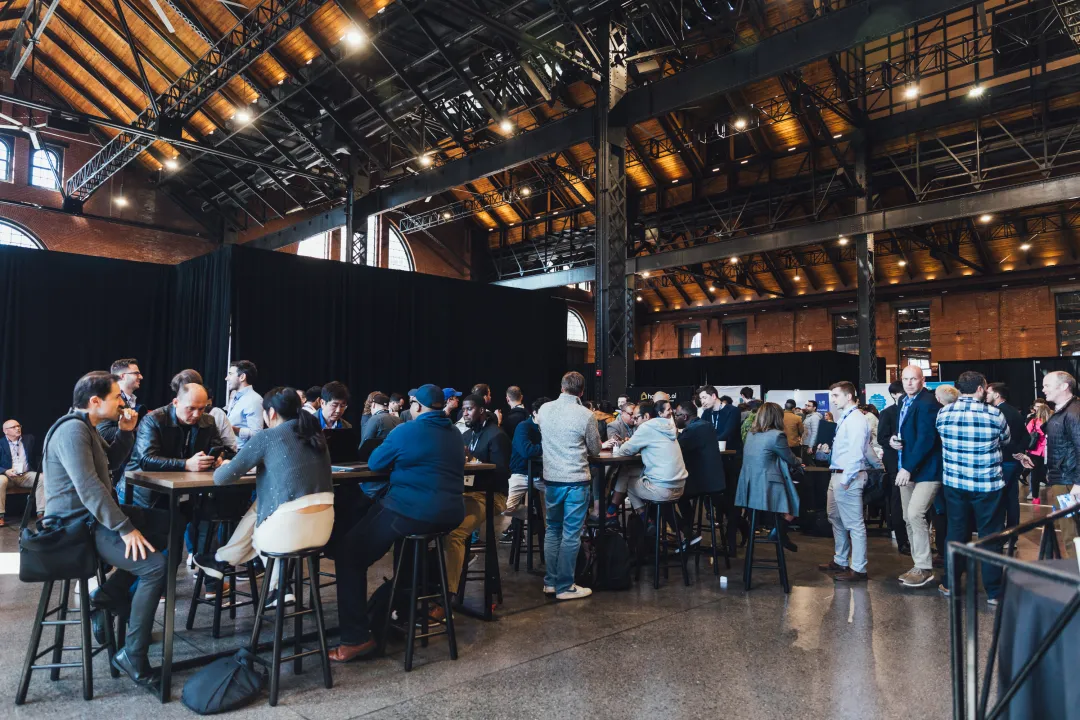
The selection of the SoWa Power Station as the venue underscores the summit’s focus on industrial-strength innovation. Located in Boston’s vibrant South End, the historic venue—once the world’s largest power plant—now serves as a symbolic backdrop for the "repowering" of the startup ecosystem. Boston itself continues to solidify its reputation as a premier global hub for technology, particularly in the sectors of biotechnology, robotics, and artificial intelligence. By hosting the Founder Summit in this corridor, TechCrunch aligns the event with a regional economy that saw billions in venture capital investment throughout the previous fiscal year, driven largely by the proximity of elite academic institutions such as MIT and Harvard.
The Strategic Framework of the 2026 Summit
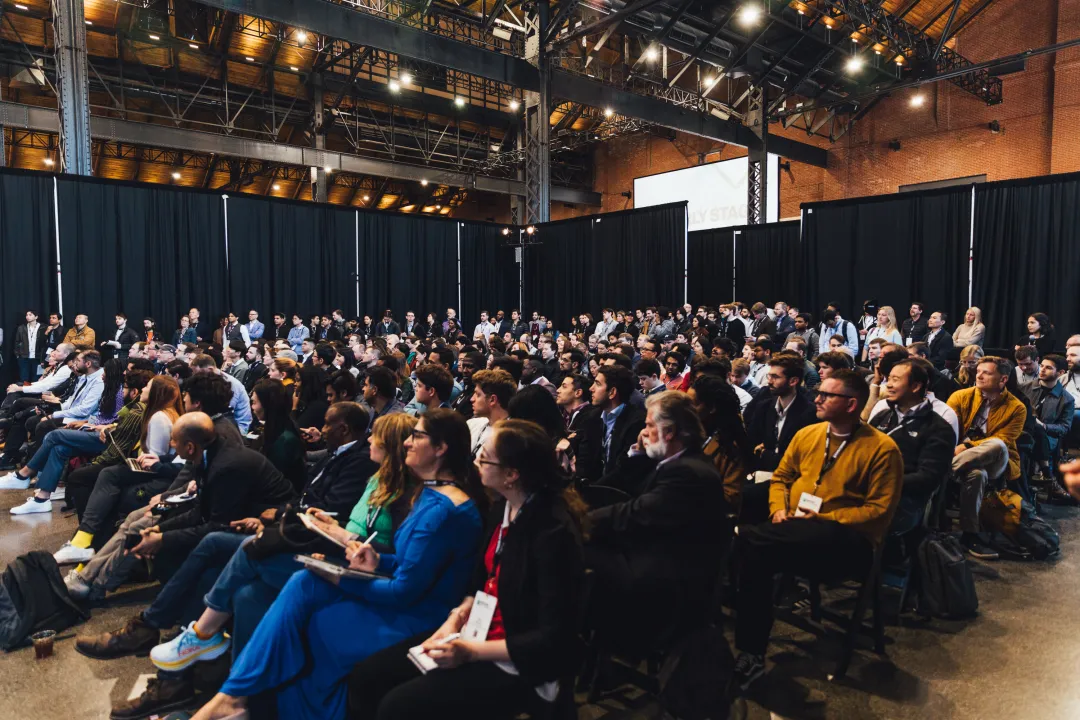
The architecture of the TechCrunch Founder Summit is intentionally distinct from traditional large-scale tech conferences. Rather than focusing on broad keynotes and high-level prognostications, the November 4 event is structured around granular, tactical sessions. The program is divided into two primary formats: Q&A breakout stages and interactive roundtable rooms. This dual-track approach is designed to eliminate the "echo chamber" effect of generic advice, replacing it with direct access to scaling experts who have navigated the specific hurdles of the current economic cycle.
The Q&A breakout stages will host moderated discussions where founders can submit specific inquiries regarding their business models, legal hurdles, and talent acquisition strategies. Simultaneously, the interactive roundtable sessions are intended to facilitate peer-to-peer problem-solving. These smaller, intimate settings allow founders to pressure-test their strategies against the collective experience of their contemporaries and seasoned mentors. Industry analysts suggest that this "workshop" style of event is becoming the preferred format for founders who are increasingly wary of the "fluff" often associated with general tech summits.

Navigating the 2026 Venture Capital Climate
The timing of the summit is particularly significant given the prevailing trends in the global venture capital market. Following the corrections of 2023 and 2024, the 2026 landscape has been defined by a "flight to quality," where investors are prioritizing sustainable unit economics and clear paths to profitability over raw user growth. For founders attending the Boston summit, the sessions on funding rounds will likely focus on the nuances of Series A and Series B extensions, the rise of alternative financing vehicles, and the increasing importance of "clean" term sheets.
Data from recent quarterly reports indicates that while seed-stage funding remains resilient, the "Series A crunch" continues to be a formidable barrier for startups that cannot demonstrate a robust technological moat. The Founder Summit aims to address this by bringing in venture capitalists who specialize in these pivotal transition points. These experts are expected to provide insights into how founders can differentiate their value propositions in a crowded market, particularly as generative AI continues to disrupt traditional software-as-a-service (SaaS) models.
Core Themes: AI, Enterprise Tech, and Scaling Operations
The 2026 agenda is heavily weighted toward the transformative impact of artificial intelligence and the evolving needs of the enterprise technology sector. As AI transitions from a speculative novelty to a core infrastructure component, founders are facing new challenges related to data privacy, compute costs, and ethical implementation. The summit will feature leaders who have successfully integrated AI into enterprise workflows, offering a roadmap for startups looking to scale these technologies responsibly.
Beyond AI, the event will delve into the mechanics of startup growth. Scaling a company from a ten-person team to a hundred-person organization requires a fundamental shift in leadership style and operational structure. Sessions at the SoWa Power Station will cover:
- Product-Market Fit Refinement: Strategies for iterating products based on real-time user data in a shifting market.
- Go-to-Market (GTM) Excellence: Transitioning from founder-led sales to a professionalized sales force.
- Talent Density: Techniques for recruiting and retaining top-tier engineering and executive talent in a competitive labor market.
- Resilience and Crisis Management: Lessons learned from founders who navigated the recent period of economic volatility.
A Confluence of Expert Voices
The strength of the TechCrunch Founder Summit lies in its curated roster of speakers. The November 4 lineup includes a diverse array of perspectives from across the tech spectrum. While the full list of participants remains a central draw for the event, the confirmed speakers represent a cross-section of the industry’s most influential figures. These include venture capital partners from top-tier firms, founders of unicorn-status startups, and technical experts who have pioneered breakthroughs in enterprise software.

These leaders are tasked with delivering "no-nonsense" insights. In a period where the barrier to entry for starting a company has lowered due to AI-assisted development, the barrier to scaling has arguably risen. The expert voices at the summit will focus on the "how-to" aspects of survival and expansion, providing a stark contrast to the aspirational rhetoric often found in the tech media.
Regional Impact and the Boston Innovation Corridor
Hosting the summit in Boston is a strategic nod to the city’s unique ecosystem. Unlike the consumer-heavy focus of Silicon Valley or the fintech dominance of New York, Boston’s tech scene is deeply rooted in "hard tech" and specialized enterprise solutions. This regional identity will likely influence the summit’s discourse, with a greater emphasis on defensible intellectual property and long-term research and development cycles.
Local stakeholders, including regional incubators and university-led accelerators, have expressed optimism regarding the summit’s potential to catalyze new partnerships. The presence of TechCrunch in the SoWa district provides a platform for local startups to gain visibility among a national audience of investors. For the Boston tech community, the event is more than a conference; it is a validation of the city’s role as a critical pillar of the global innovation economy.
Operational Timeline and Attendance Logistics
With only seven days remaining until the doors open, the logistical window for participants is narrowing. The TechCrunch Founder Summit is a single-day, high-intensity event, necessitating a disciplined approach to the schedule. Attendees are encouraged to review the full agenda in advance to maximize their time between the various stages and networking lounges.
The financial incentive for early registration remains a key factor in the final week of preparations. The current discount of up to $100 is designed to encourage commitment from early-stage founders for whom budget management is a constant priority. Once the event commences on the morning of November 4, registration will shift to the full on-site rate.

Broader Implications for the Startup Ecosystem
The TechCrunch Founder Summit 2026 arrives at a juncture where the "founder’s journey" is being redefined. The era of easy capital has been replaced by an era of strategic rigor. By providing a venue for candid conversation and tactical education, the summit plays a vital role in professionalizing the next generation of entrepreneurs.
The insights generated during the sessions in Boston are expected to resonate beyond the walls of the SoWa Power Station. As founders return to their respective headquarters—whether in Cambridge, San Francisco, or Austin—the strategies discussed will likely influence the trajectory of numerous startups over the coming year. In an industry defined by rapid change, the value of a single day spent with experienced mentors and peers cannot be overstated.
As the tech world looks toward November 4, the TechCrunch Founder Summit stands as a testament to the enduring spirit of entrepreneurship. It is a recognition that while the tools of innovation may change, the fundamental challenges of building a successful, scalable, and resilient company remain a constant pursuit. For those ready to take the next step in their startup journey, the countdown to Boston is the final call to action.