Farhan Pambudi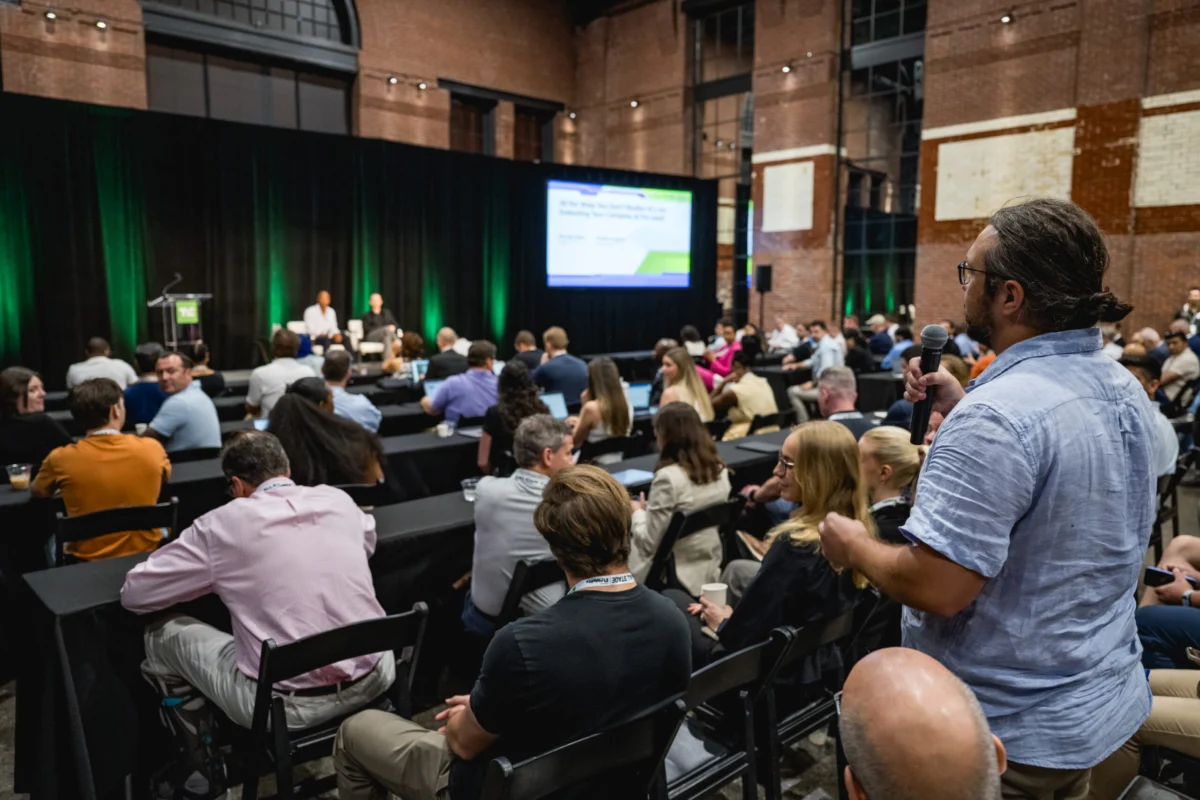
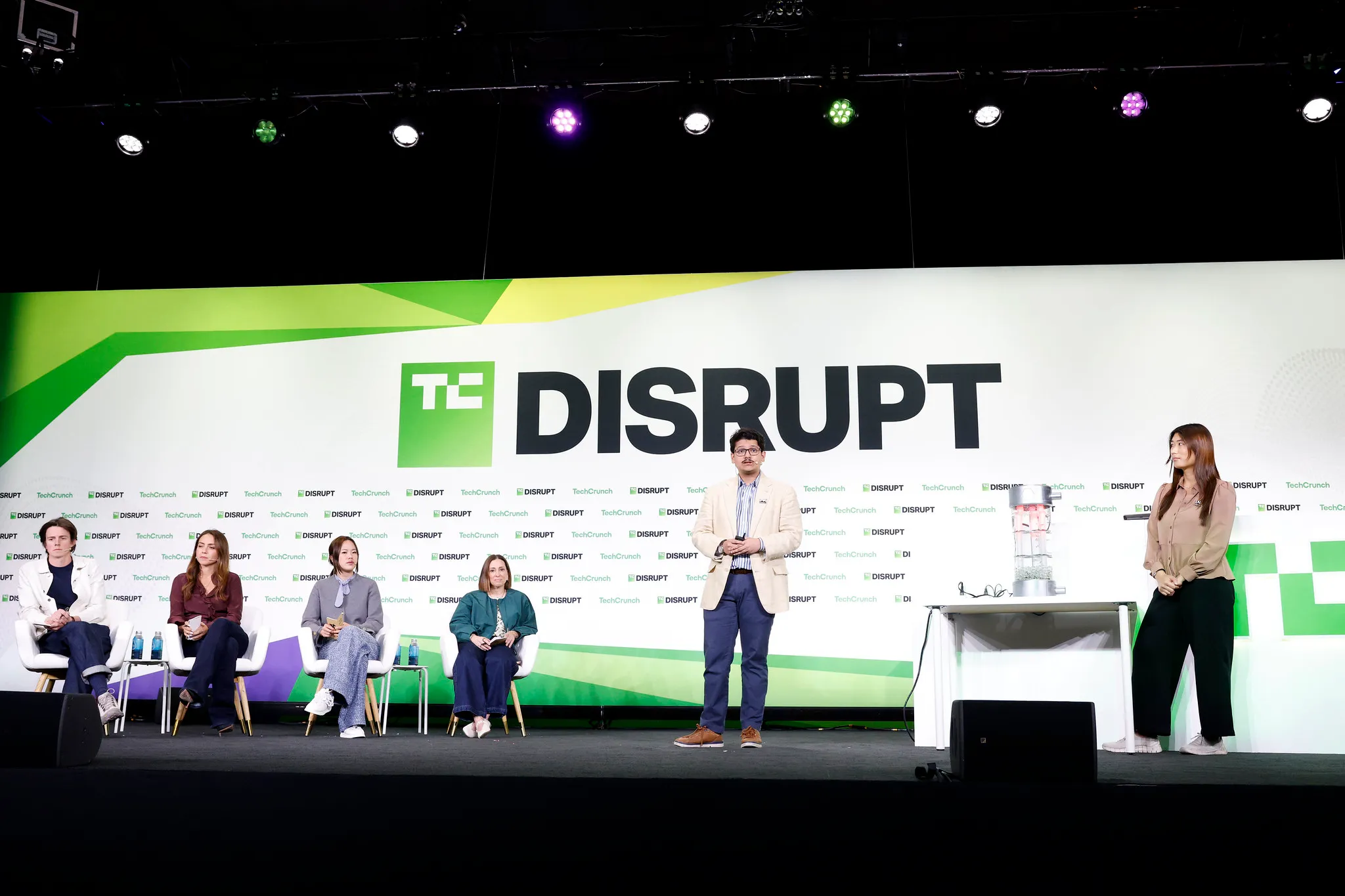
TechCrunch has officially entered the final countdown for its Early Bird registration phase for the upcoming Founder Summit 2026, a high-stakes gathering of the world’s most promising startup leaders and venture capitalists. With the deadline set for June 26 at 11:59 p.m. PT, prospective attendees have only four days remaining to secure a discount of up to $190 on individual passes. The event, scheduled for November 4 in Boston, Massachusetts, is expected to draw over 1,000 participants, ranging from early-stage innovators to seasoned institutional investors. As the global technology sector navigates a complex landscape of shifting capital markets and rapid architectural changes in artificial intelligence, the summit aims to provide a centralized hub for tactical knowledge and strategic networking.
The TechCrunch Founder Summit has established itself as a cornerstone of the annual technology calendar, specifically designed to address the unique isolation often felt by high-growth founders. The central thesis of the event is that founders do not grow in a vacuum; rather, they scale through the synthesis of peer-to-peer insights, operator-led mentorship, and direct access to the capital allocators who fund the next generation of industry giants. By moving the 2026 summit to Boston, TechCrunch taps into one of the most robust innovation corridors in the world, leveraging the city’s unique density of academic excellence, biotechnology leadership, and venture capital infrastructure.
A Strategic Timeline for the 2026 Innovation Cycle
The road to the November summit is paved with several critical milestones for the startup community. Following the conclusion of the Early Bird window on June 26, the event organizers will shift focus to finalizing the 2026 agenda. A unique feature of this year’s summit is the "Call for Content" initiative, which allows the community to submit topics for breakout sessions and roundtables. This democratic approach ensures that the programming remains tethered to the real-world anxieties and opportunities facing founders today.
Between July and October, TechCrunch is expected to announce the full roster of speakers and session leaders. While the 2026 lineup is currently being curated, historical data from previous summits suggests a high concentration of Tier-1 venture partners and unicorn-stage operators. Past participants have included representatives from industry-defining firms such as Sequoia Capital, Greylock, and Precursor Ventures. The timeline culminates on November 4, when the doors open at the Boston venue for a full day of intensive programming, beginning with keynote addresses and transitioning into highly specialized, small-group discussions.

Analyzing the Boston Tech Ecosystem as a Backdrop
The selection of Boston as the host city for 2026 is a calculated move that reflects the city’s enduring status as a global technology powerhouse. Unlike the consumer-tech focus often associated with Silicon Valley, Boston’s ecosystem is characterized by "tough tech"—deep innovations in robotics, life sciences, climate tech, and enterprise software. For founders attending the summit, the geographic context provides an additional layer of value. The proximity to institutions like MIT and Harvard, combined with the presence of major venture hubs in Kendall Square, creates an environment where academic theory meets commercial scalability.
Market analysts suggest that the 2026 summit arrives at a pivotal moment for the New England tech corridor. As venture capital becomes increasingly discerning, focusing on sustainable unit economics over subsidized growth, the "Boston model" of capital-efficient innovation has gained renewed relevance. The summit serves as a bridge, connecting this regional expertise with a global audience of founders who are looking to navigate a more disciplined fundraising environment.
Data-Driven Insights: Why Founders Prioritize In-Person Learning
The demand for the Founder Summit is supported by emerging data regarding the effectiveness of professional networking in the post-pandemic era. According to several recent industry reports on startup success rates, founders who maintain active peer networks are 3.5 times more likely to scale their companies successfully compared to those who operate in relative silos. The TechCrunch Founder Summit addresses this by moving beyond the traditional "sage on a stage" conference format.
The 2026 event structure prioritizes two specific formats: breakout sessions and roundtable discussions. These formats are designed to facilitate "candid and focused" conversations, as noted by the event organizers. Breakouts typically involve deep dives into specific operational hurdles, such as optimizing a sales stack or navigating a down-round, while roundtables allow for intimate Q&A sessions where founders can receive direct feedback on their specific business models.
Furthermore, the economic incentive for early registration is significant. The $190 individual saving represents a substantial reduction for boot-strapped startups, and the 30% discount for groups of four or more encourages companies to bring their entire leadership teams. This group-based approach is often cited by organizational psychologists as a key driver for "institutional memory," ensuring that the insights gained at the summit are successfully integrated into the company’s daily operations.

Programming Pillars: Scaling, Hiring, and Capital Acquisition
The agenda for the Founder Summit 2026 is built around the fundamental pillars of the startup lifecycle. While the specific 2026 sessions are still being finalized through the audience-voting process, the core themes remain consistent with the challenges of the modern era.
1. The Fundraising Landscape in 2026
Raising capital remains the most perennial challenge for any founder. In 2026, the focus has shifted toward "Series A readiness" and the complexities of navigating late-stage private markets. Sessions are expected to cover everything from the psychological aspects of the founder-investor relationship to the technical nuances of term sheet negotiations. By hearing directly from partners at firms like NFX and Wing Venture Capital, founders gain an unvarnished look at what investors are looking for in a volatile economy.
2. Operational Scaling and Revenue Growth
Scaling a company from 10 to 100 employees, or from $1M to $10M in Annual Recurring Revenue (ARR), requires a completely different skillset than the initial product-market fit phase. The summit provides a platform for operators who have "done it before" to share their playbooks. This includes strategies for international expansion, building a resilient remote-first culture, and implementing AI-driven efficiencies within internal workflows.
3. Talent Acquisition and Leadership
In an era where the competition for top-tier engineering and product talent is global, founders must be master recruiters. The 2026 summit will address the evolution of the labor market, focusing on how startups can compete with "Big Tech" for talent by offering mission-driven work and equitable compensation structures. Leadership development is also a major component, helping founders transition from "doers" to "visionaries" as their organizations mature.
Broader Impact and Industry Implications
The TechCrunch Founder Summit 2026 is more than just a networking event; it is a barometer for the health of the global startup ecosystem. When 1,000 of the most influential founders and investors gather in a single room, the resulting conversations often signal upcoming shifts in market sentiment. For example, a consensus reached in a Boston roundtable regarding the regulation of generative AI or the viability of new SaaS pricing models can ripple through the industry for months afterward.

For the broader technology sector, the summit reinforces the importance of "community as a service." In an increasingly digitized world, the value of face-to-face interaction has paradoxically increased. The summit provides a high-density environment where serendipitous encounters—the "hallway track"—often lead to the partnerships, mergers, or funding rounds that define the next decade of tech.
Official responses from past attendees highlight the "practicality" of the summit as its primary differentiator. Unlike broader industry trade shows that cater to a general audience, the Founder Summit’s narrow focus on the founder-investor dynamic ensures that every session is relevant to the bottom line. This focus is what continues to attract high-profile speakers like Jon McNeill and partners from firms like Glasswing Ventures and Underscore VC.
Final Call for Early Bird Participation
As the June 26 deadline approaches, the window for cost-effective entry into this high-level forum is closing. TechCrunch has emphasized that the Early Bird rates are the lowest prices that will be offered for the 2026 event. For founders looking to maximize their professional development budgets while gaining access to a network that can fundamentally alter their company’s trajectory, the next four days represent a critical decision point.
The 2026 Founder Summit stands as a testament to the resilience of the entrepreneurial spirit. By gathering in Boston this November, the next generation of tech leaders will not only learn how to survive the current market conditions but will also forge the relationships necessary to thrive in the years to come. Whether a founder is preparing for their first seed round or eye-ing an eventual exit, the insights and connections available at the summit are designed to move the needle. Registration remains open on the official TechCrunch event page, with group discounts and individual savings available until the clock strikes midnight PT on June 26.