Farhan Pambudi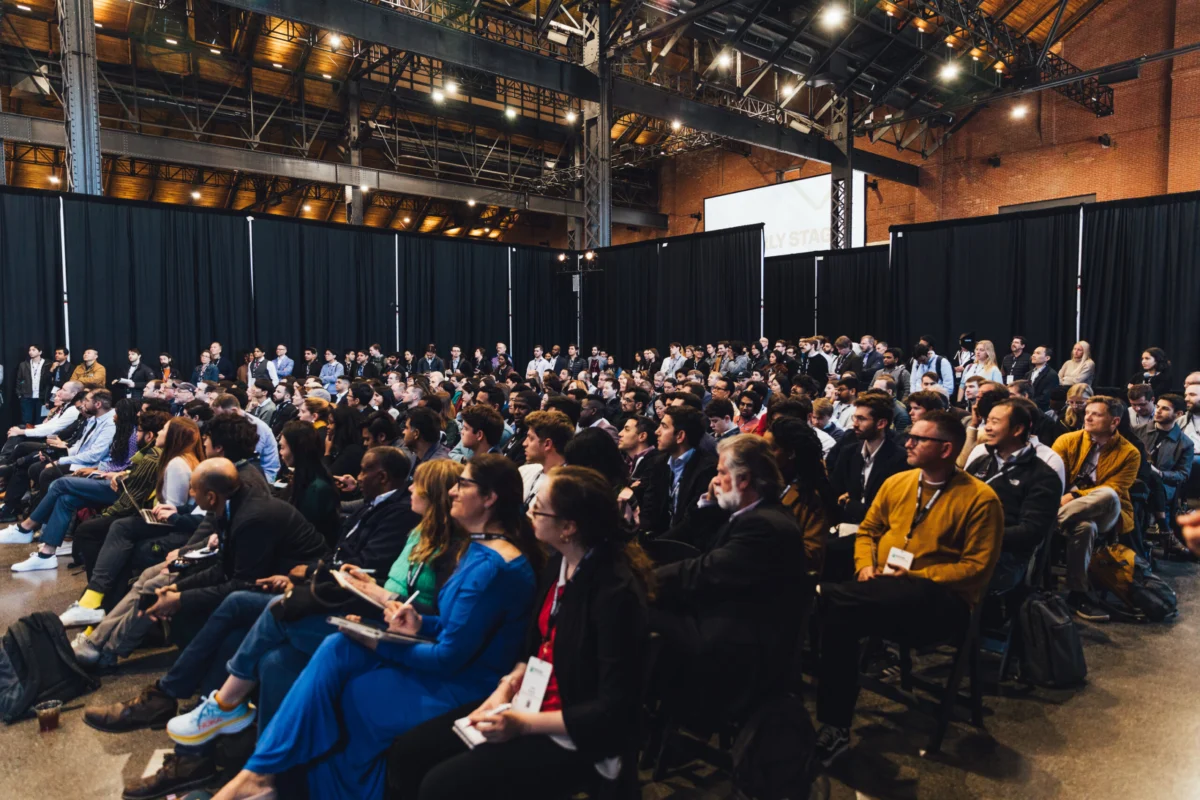
The window for early-stage entrepreneurs and venture capitalists to secure discounted access to the TechCrunch Founder Summit 2026 is rapidly closing, with the Early Bird pricing tier set to expire tonight at 11:59 p.m. PT. This deadline represents the final opportunity for attendees to realize savings of up to $190 on individual passes before standard rates take effect. As the tech industry looks toward the final quarter of the year, the summit, scheduled for November 4 in Boston, is positioning itself as a critical node for strategic networking and tactical development in an increasingly complex global market.
The TechCrunch Founder Summit has evolved into a high-utility forum designed specifically for the "founder-first" perspective. Unlike broader industry trade shows that cater to general consumer technology or enterprise sales, this summit prioritizes the internal mechanics of building and scaling a company. The upcoming November event is expected to draw more than 1,000 participants, creating a concentrated environment where the ratio of founders to investors is meticulously balanced to foster genuine professional relationships rather than transactional exchanges.
Strategic Importance of the Boston Tech Hub
The selection of Boston as the host city for the 2026 summit underscores the region’s enduring status as a primary engine of American innovation. Historically known for its dominance in biotechnology, life sciences, and robotics, Boston has seen a significant surge in software-as-a-service (SaaS) and artificial intelligence (AI) development over the past five years. The city’s proximity to elite academic institutions like MIT and Harvard continues to provide a steady pipeline of technical talent, making it a logical staging ground for a summit focused on the challenges of scaling high-growth ventures.
For founders, the geographic setting offers more than just a backdrop; it provides access to a specific breed of institutional knowledge. The Boston ecosystem is characterized by a "long-view" approach to company building, which aligns with the summit’s emphasis on sustainable growth and rigorous operational standards. By gathering in this hub, the summit taps into a community that has navigated multiple economic cycles, offering attendees a perspective that extends beyond the immediate hype cycles of Silicon Valley.

Tactical Learning and Operational Excellence
The architecture of the 2026 summit is built upon three primary pillars: tactical learning, candid peer-to-peer conversations, and curated networking. Organizers have indicated that the agenda will move away from high-level "visionary" keynotes in favor of granular, "how-to" sessions that address the immediate friction points of the startup lifecycle.
Key areas of focus for the 2026 breakout sessions include:
- Fundraising and Capital Efficiency: Navigating the transition from seed rounds to Series A and B in a market that now demands clear paths to profitability.
- Go-to-Market (GTM) Strategy: Refining customer acquisition costs (CAC) and optimizing sales funnels in saturated digital environments.
- Human Capital and Culture: Developing strategies for hiring top-tier engineering talent and maintaining organizational cohesion during periods of rapid headcount expansion.
- Operational Scaling: Implementing the systems and processes necessary to transition from a small, agile team to a structured corporate entity without losing innovation speed.
These topics are addressed through a mix of roundtable discussions and founder-led sessions. This format is intended to strip away the performative aspects of traditional tech conferences, allowing for honest dialogue about the failures and pivots that define the entrepreneurial experience.
Historical Context and Investor Participation
The TechCrunch Founder Summit carries a legacy of attracting high-caliber participants from the venture capital community. Previous iterations of the event have featured representatives from some of the most influential firms in the world, including Sequoia Capital, Greylock, and Greylock. The inclusion of firms such as NFX, Glasswing Ventures, and Wing Venture Capital further illustrates the summit’s reach across different stages of investment, from early-stage incubation to late-stage growth equity.
The presence of firms like Precursor Ventures and Construct Capital highlights a commitment to diverse investment philosophies, ranging from "pre-seed" specialist views to industrial-tech perspectives. For founders, the opportunity to connect with these entities in a curated setting—rather than through cold outreach—remains one of the summit’s primary value propositions. The 2026 event is expected to continue this trend, with a new cohort of investors and operators scheduled to be announced as the November date approaches.

The Call for Content: A Democratic Approach to Programming
One of the unique features of the Founder Summit is its "Call for Content" initiative. This program allows the startup community to directly influence the event’s agenda by submitting topics for roundtable or breakout sessions. Prospective speakers can propose discussions on niche technical challenges, emerging market trends, or unconventional management philosophies.
Following the submission period, the TechCrunch audience participates in a voting process to determine which topics are most relevant to the current needs of the ecosystem. This democratic approach ensures that the summit remains responsive to real-time shifts in the industry. It also provides a platform for emerging voices and "under-the-radar" founders to share their insights alongside established industry veterans.
Economic Implications for Early-Stage Startups
The financial structure of the summit, including the current Early Bird discounts, reflects an awareness of the budgetary constraints often faced by early-stage companies. In addition to the individual savings of $190 available until tonight, the event offers a group registration program. Organizations sending teams of four or more are eligible for discounts of up to 30%, a move designed to encourage collaborative learning.
From a business analysis perspective, the cost of attendance is often viewed by founders as an investment in "social capital." The ability to bypass traditional gatekeepers and engage in face-to-face dialogue with partners from firms like Glasswing or Wing Venture Capital can significantly shorten the fundraising cycle. Furthermore, the peer-to-peer networking component serves as a form of informal due diligence and market intelligence, providing founders with data on what their contemporaries are paying for talent, which software stacks they are utilizing, and how they are navigating regulatory hurdles.
Broader Impact on the Startup Ecosystem
The TechCrunch Founder Summit 2026 arrives at a time when the tech industry is undergoing a period of structural recalibration. The "growth at all costs" era has largely been replaced by a focus on unit economics and resilient business models. Events of this nature play a crucial role in disseminating the new "best practices" that will define the next decade of innovation.

By facilitating connections between experienced operators (those who have successfully exited or scaled businesses) and first-time founders, the summit helps to preserve institutional knowledge within the tech sector. This transfer of experience is vital for maintaining the health of the startup ecosystem, particularly as new technologies like generative AI and quantum computing begin to disrupt established industries.
Furthermore, the summit’s focus on Boston highlights the decentralization of tech innovation. While Silicon Valley remains a significant force, the growth of hubs in the Northeast, the South, and the Midwest indicates a more geographically diverse future for American startups. The Founder Summit acts as a bridge between these regional hubs and the global venture capital community.
Conclusion and Final Registration Details
As the 11:59 p.m. PT deadline approaches, the surge in registrations typically associated with the end of Early Bird pricing is expected to continue. Prospective attendees are reminded that the November 4 event in Boston is not merely a networking opportunity, but a structured environment for professional development and strategic planning.
In addition to attendee passes, the summit offers opportunities for companies to exhibit their products and services. The exhibit hall provides a direct channel for service providers—ranging from cloud infrastructure firms to legal and accounting specialists—to connect with decision-makers at high-growth startups.
The TechCrunch Founder Summit 2026 represents a critical milestone in the annual tech calendar. For the 1,000 founders and investors who will gather in Boston this November, the day promises a rigorous exploration of what it takes to build a lasting company in the modern era. Those seeking to participate at the lowest possible price point must complete their registration before the transition to standard rates tonight.