Farhan Pambudi
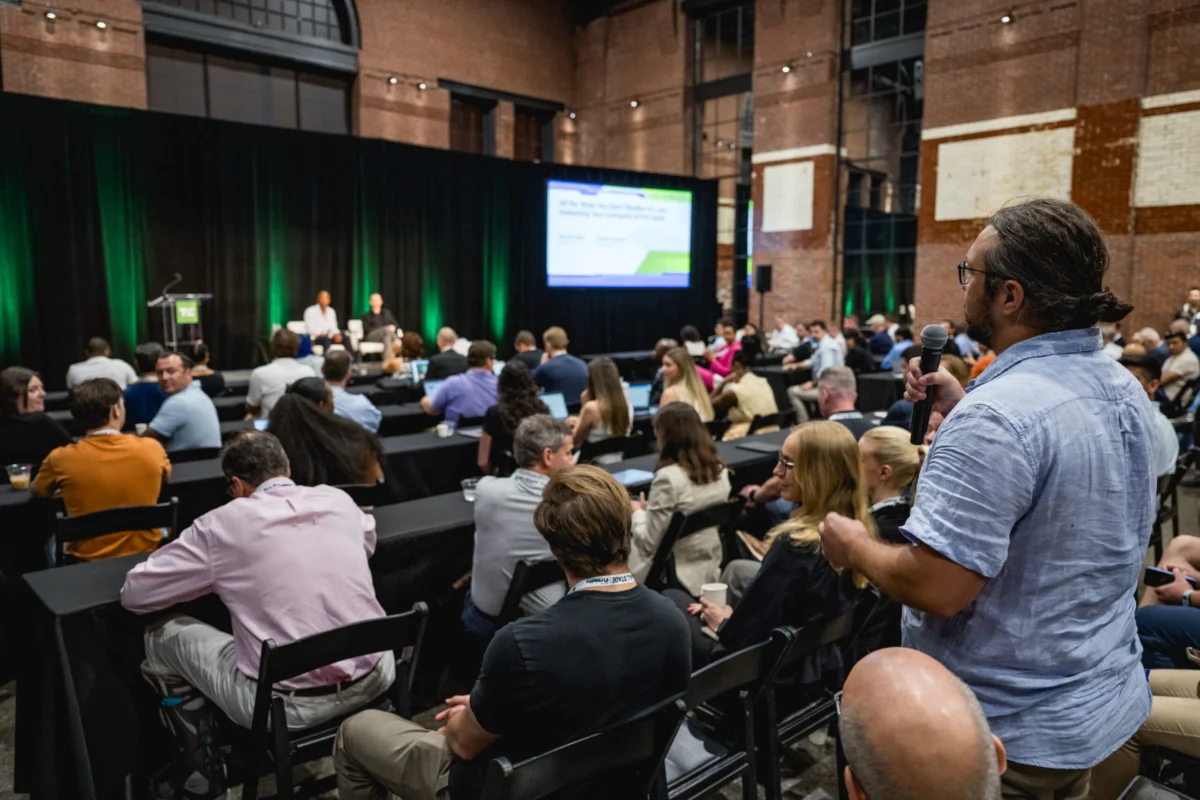
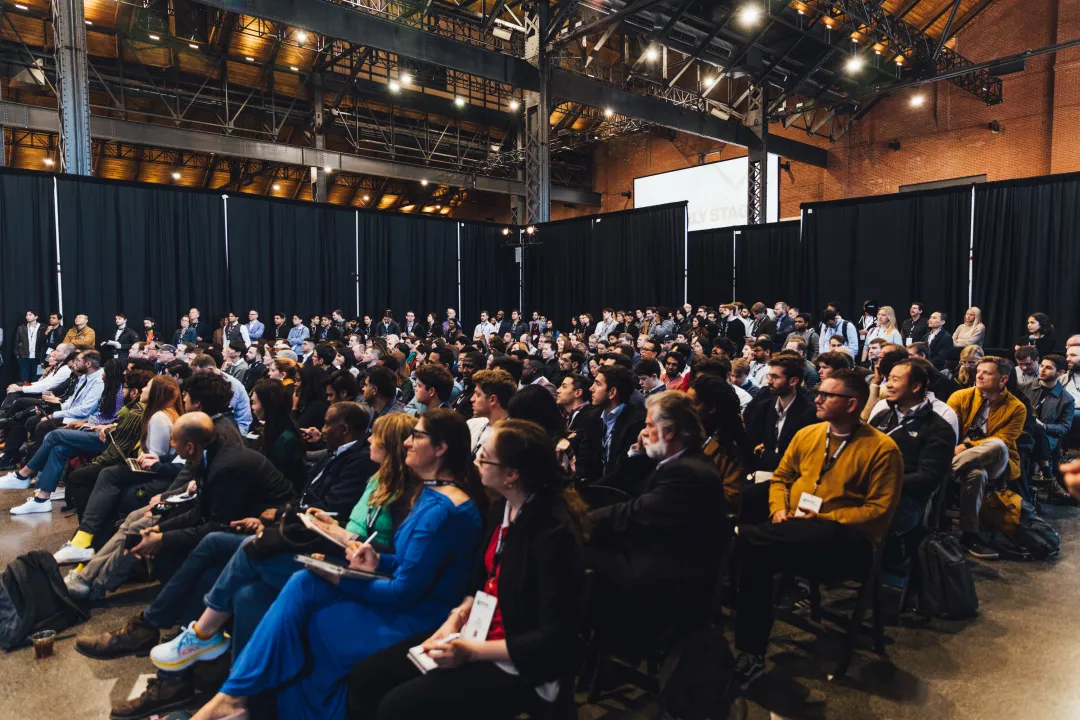
The TechCrunch Founder Summit 2026 officially commenced today at 9:00 a.m. ET at the historic SoWa Power Station in Boston, marking a significant gathering of the East Coast’s most influential startup architects, venture capitalists, and strategic operators. This full-day intensive summit is designed to provide a high-density environment for founders to exchange actionable strategies, secure vital connections, and navigate the shifting paradigms of the global technology market. As doors opened, the event transitioned from its early-access registration phase to a comprehensive program of breakout sessions, interactive roundtables, and high-level networking, signaling a critical moment for the Boston innovation corridor.
The summit arrives at a pivotal juncture for the venture capital ecosystem. Following several years of market recalibration, the 2026 landscape is defined by a rigorous focus on sustainable scaling, the integration of generative artificial intelligence into core enterprise workflows, and a renewed emphasis on product-market fit over speculative growth. By hosting the event in Boston—a city historically recognized for its deep-tech roots, world-class academic institutions, and robust healthcare and robotics sectors—organizers have positioned the summit as a bridge between foundational engineering and modern commercial execution.
Strategic Context: The Boston Innovation Landscape
The selection of the SoWa Power Station as the venue serves as a symbolic backdrop for the event. Once a massive industrial hub providing power to the city’s transit system, the site now hosts a forum dedicated to the intellectual and financial power driving the modern economy. Boston’s technology sector has seen a resurgence in 2025 and early 2026, particularly as venture capital flows have stabilized toward Series A and B rounds. According to recent industry data, the Massachusetts tech ecosystem continues to rank among the top three globally for patent output and research-driven startups, making it an ideal proving ground for the strategies discussed at the summit.
Industry analysts suggest that the "Founder Summit" model reflects a broader shift in the tech conference circuit. Rather than focusing on broad consumer trends, this event targets the "builder" demographic—individuals responsible for the day-to-day operations of high-growth companies. The agenda reflects this pragmatism, moving away from theoretical futurism and toward the immediate mechanics of fundraising, go-to-market (GTM) strategies, and enterprise relationship management.

A Chronological Overview of the Day’s Agenda
The summit is structured to maximize interaction and knowledge transfer through a tiered schedule that balances formal presentations with informal peer-to-peer engagement.
Morning Session: Foundation and Fundraising
The day began at 9:00 a.m. ET with the opening of the Expo Hall, where a curated selection of exhibiting startups showcased solutions ranging from AI-driven developer tools to automated compliance platforms. This initial block served as the primary intake period, where attendees secured credentials and initiated early networking.
At 10:00 a.m. ET, the programming split into two primary tracks: the Build Stage and the Impact Stage. Early discussions on the Build Stage focused on the "Distribution Beats Technology" thesis. Hunter Worland of NEA led a session addressing the reality that in a saturated SaaS market, the ability to reach and retain customers has become a more significant competitive advantage than the underlying code itself. This sentiment was echoed in the "Fundraising Trends" panel, where Kristen Craft of Fidelity Private Shares and Jennifer Neundorfer of January Ventures discussed the increasing demand for "capital-efficient growth" among late-stage investors.
Mid-Day: Deep Dives and Interactive Roundtables
The midday sessions, running from 10:00 a.m. to 4:00 p.m. ET, are characterized by their interactive nature. Unlike traditional keynote formats, the Founder Summit emphasizes "Roundtable Sessions." These limited-capacity discussions allow founders to sit across from experienced VCs and subject-matter experts to dissect specific operational hurdles. Topics covered in these sessions include navigating the complexities of the 2026 regulatory environment for AI, optimizing remote-first engineering cultures, and the nuances of secondary markets for early employees.
In the Networking Lounge, powered by the Braindate platform, participants utilized a data-driven approach to networking. By scheduling one-on-one and small-group meetings based on specific areas of expertise or shared challenges, the summit aims to eliminate the serendipity-only model of networking in favor of a more intentional, high-ROI experience for busy executives.

Afternoon Session: Scaling and Exit Strategies
The afternoon agenda shifts toward the "Impact Stage," focusing on the long-term trajectory of startup success. A highly anticipated Ask-Me-Anything (AMA) session featuring Toast co-founder Steve Fredette provided a local success story perspective. Fredette’s insights into building a multi-billion-dollar enterprise from a Boston base provided a roadmap for founders looking to scale without relocating to Silicon Valley.
Concurrently, sessions on "Product-Market Fit Before You Scale" led by Kent Bennett of Bessemer Venture Partners addressed the common pitfall of premature scaling—a primary cause of startup failure in the current economic cycle. The afternoon also featured a specialized track on "Enterprise Relationships," where leaders from Wix Ventures and Fidelity Labs discussed how startups can successfully navigate the long sales cycles and rigorous procurement requirements of Fortune 500 companies.
Core Themes and Market Analysis
The 2026 Founder Summit is dominated by three recurring themes that reflect the current state of the global technology industry: AI maturity, distribution-led growth, and the "Boston Playbook."
The Evolution of AI Innovation
Amulya Vishwanath of Techable Ventures led discussions on the "Next AI Opportunity," moving the conversation past large language models (LLMs) and toward vertical AI applications. The consensus among summit participants is that the "low-hanging fruit" of AI—such as basic chatbots and content generation—has been harvested. The 2026 frontier lies in specialized, high-reliability AI systems that can automate complex industrial, medical, or financial workflows with high degrees of accuracy and data privacy.
The Primacy of Distribution
The session led by Hunter Worland highlighted a significant shift in investor sentiment. In previous cycles, a unique technical moat was often enough to secure high valuations. However, in 2026, investors are scrutinizing the cost of customer acquisition (CAC) and the efficiency of the GTM motion. The summit emphasized that founders must be as innovative in their marketing and sales engineering as they are in their product development.

The Boston Playbook
Chase Garbarino of HqO and other local leaders explored the "Boston Founder Playbook," which emphasizes resilience, technical depth, and community-integrated growth. This regional approach is characterized by a "quiet confidence"—focusing on building profitable, durable businesses rather than chasing short-term media hype. This ethos is increasingly attractive to limited partners (LPs) who are looking for stability in their venture portfolios.
Supporting Data: The State of Venture Capital in 2026
To understand the urgency of the summit, one must look at the broader economic data influencing these conversations. As of Q3 2026, venture capital deployment has seen a 12% year-over-year increase compared to 2025, yet the number of deals has remained relatively flat. This indicates that investors are placing larger bets on fewer, more proven companies.
Furthermore, the "exit environment" remains a primary concern. With the IPO window only partially open, many founders at the summit are exploring alternative paths to liquidity, including strategic M&A and private equity buyouts. Data presented at the summit suggests that 65% of Series B founders are now prioritizing "path to profitability" over "market share at any cost," a 20-point increase from 2021 levels.
Reactions and Broader Implications
Early reactions from attendees suggest that the summit’s focus on practical, "day-of" utility is filling a gap in the professional development of tech leaders. One founder noted that the "So You Think You Can Pitch?" session—a live feedback forum featuring VCs from True Ventures and Define Ventures—provided more clarity on their messaging in thirty minutes than months of internal strategy meetings.
The broader implications of the TechCrunch Founder Summit 2026 extend beyond the individual companies in attendance. By concentrating this much intellectual capital in Boston, the event reinforces the city’s status as a premier global hub for the "next wave" of technology. The connections made today at the SoWa Power Station are expected to catalyze a series of funding rounds, partnerships, and product launches throughout the remainder of the 2026 fiscal year and into 2027.

As the summit concludes this evening with a closing reception from 4:30 p.m. to 6:30 p.m. ET, the focus will shift from learning to consolidation. The conversations initiated during the breakout sessions and roundtables will likely transition into formal boardrooms and coffee shops across Kendall Square and the Seaport District.
In a year where the definition of startup success is being rewritten, the TechCrunch Founder Summit 2026 stands as a definitive roadmap for the modern builder. It underscores the reality that while technology provides the spark, it is the strategic rigor of the founders and the strength of their networks that ultimately sustain the flame of innovation. For the attendees in Boston today, the day’s insights are not merely academic—they are the blueprints for the next generation of industry-defining companies.