Farhan Pambudi
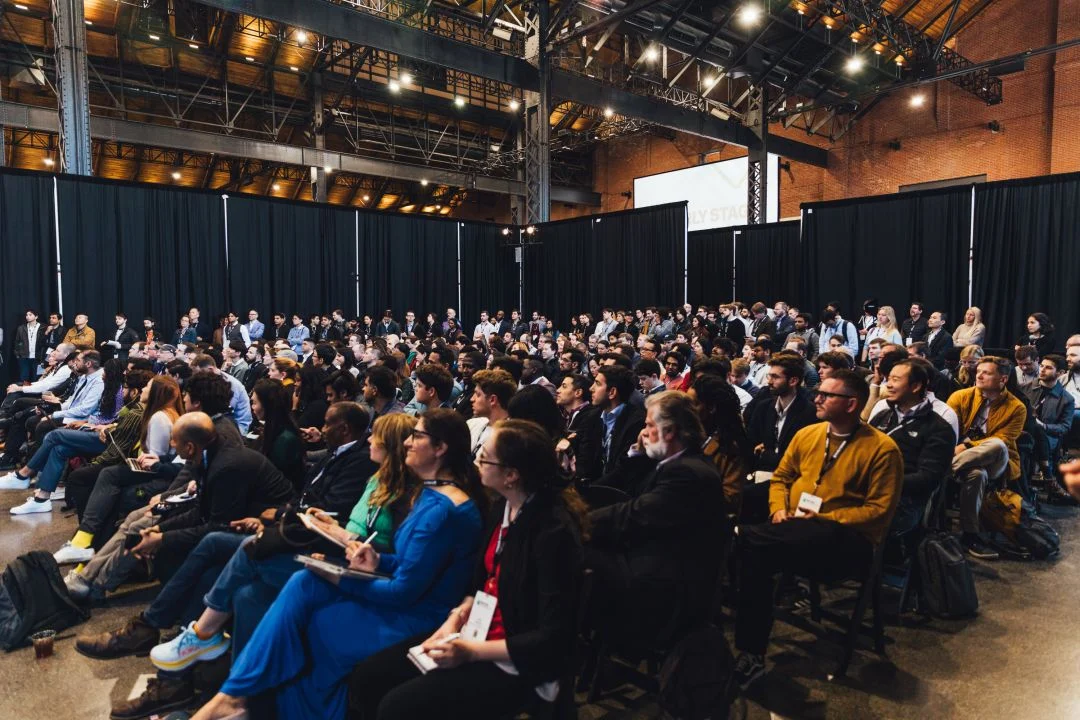
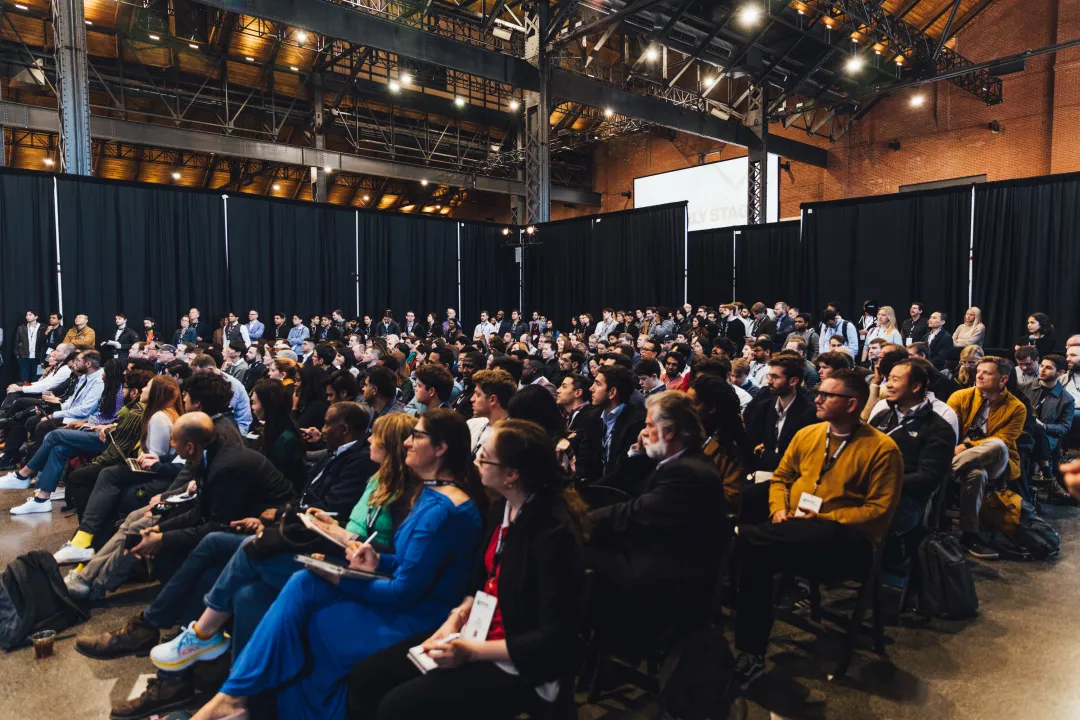
The TechCrunch Founder Summit 2026, presented by Fidelity Private Shares, is scheduled to commence tomorrow, November 4, at the SoWa Power Station in Boston, marking a significant gathering of the global entrepreneurial and investment communities. This full-day event is designed to provide a concentrated forum for founders and investors to collaborate on the complexities of building, scaling, and sustaining the next generation of technology companies. As the doors prepare to open at 9:00 a.m. ET, the summit arrives at a pivotal moment for the venture ecosystem, which continues to navigate a landscape defined by rapid technological shifts and evolving capital markets.
The selection of Boston as the host city underscores the region’s enduring status as a premier hub for innovation, particularly in the fields of biotechnology, artificial intelligence, and robotics. By utilizing the SoWa Power Station—a historic venue in the city’s South End—organizers have chosen a location that reflects both the industrial heritage and the modern revitalization of the American tech sector. The summit serves as a tactical extension of TechCrunch’s broader mission to provide critical analysis and resources for the startup lifecycle, moving beyond high-level reporting to offer direct, actionable insights for those in the early and growth stages of business development.
Strategic Context and the Boston Innovation Ecosystem
The 2026 summit occurs against a backdrop of stabilizing interest rates and a renewed focus on "efficient growth" within the startup world. Following several years of volatility in the private markets, the current climate demands that founders demonstrate not only innovation but also a clear path to profitability and sustainable scale. Boston, with its proximity to world-class academic institutions such as MIT and Harvard, provides a fitting environment for these discussions. According to recent venture capital data, the Boston-Cambridge corridor remains one of the top three recipients of venture funding in the United States, particularly for deep-tech and life-sciences ventures.
Fidelity Private Shares, the presenting sponsor, brings a specific focus on the operational health of startups. As a provider of equity management and cap table solutions, Fidelity’s involvement highlights a growing trend in the industry: the professionalization of startup operations from day one. Inferred industry reactions suggest that founders are increasingly prioritizing clean equity structures and transparent governance to attract sophisticated institutional investors who have become more discerning in their due diligence processes.

Event Chronology and Operational Logistics
The summit is structured to maximize interaction and knowledge transfer within a single business day. Registration and door opening are scheduled for 9:00 a.m. ET, with a tiered pricing structure that incentivizes early registration. The day is organized into distinct tracks and formats, allowing participants to tailor their experience based on their current business needs.
The morning sessions are expected to focus on the foundational elements of company building, while the afternoon sessions pivot toward long-term impact and market expansion. Throughout the day, the "Braindate" networking application will be active, facilitating peer-to-peer learning. Unlike traditional networking, which can be serendipitous but inefficient, the Braindate system allows attendees to book specific times to discuss niche problems, such as navigating specific regulatory hurdles or optimizing cloud spend. The day concludes with a formal closing reception, providing a less structured environment for follow-up discussions and deal-making.
The Build Stage: Tactical Execution and Fundraising
The Build Stage is dedicated to the immediate, tactical challenges that founders face in the first 12 to 36 months of a company’s life. A primary focus of this stage is the evolving nature of fundraising in 2026. While seed-stage capital remains available, the "Series A crunch" continues to be a reality for many. Experts on the Build Stage will address how to craft a narrative that resonates with modern VCs who are looking for evidence of product-market fit and capital efficiency.
Key sessions on the Build Stage include:
- Distribution Strategies: Moving beyond traditional social media advertising, this session explores omnichannel growth and the role of AI-driven marketing in reaching target audiences with lower customer acquisition costs (CAC).
- Team Construction: In an era of remote and hybrid work, building a cohesive culture remains a challenge. Discussions will center on attracting top-tier talent in a competitive market and the legalities of global hiring.
- The Art of the Pitch: Founders will receive feedback on their communication styles, focusing on how to distill complex technical innovations into compelling investment propositions.
Data from the 2025 fiscal year indicates that startups with a diversified distribution strategy were 30% more likely to reach their Series B milestones than those relying on a single channel. This data is expected to inform much of the tactical advice shared on the Build Stage.

The Impact Stage: Scaling and Enterprise Integration
While the Build Stage focuses on the "how," the Impact Stage focuses on the "where to." This track is designed for founders who have moved past the initial survival phase and are now looking to integrate into the broader economy. A significant portion of the Impact Stage is dedicated to enterprise relationships. For many B2B startups, landing a pilot program with a Fortune 500 company is a make-or-break moment.
Sessions on the Impact Stage will cover:
- Product-Market Fit (PMF) Evolution: PMF is not a static achievement but a continuous process. Speakers will analyze how to maintain fit as market conditions change and new competitors enter the space.
- Scaling Operations: This includes the transition from a founder-led sales model to a professionalized sales organization.
- Long-term Growth and Exit Strategies: While an IPO may be years away for many attendees, understanding the current state of the public markets and the M&A (mergers and acquisitions) landscape is vital for long-term planning.
Inferred statements from industry analysts suggest that the "Impact" track is particularly relevant in 2026 as the integration of Artificial Intelligence into legacy enterprise systems creates massive opportunities for startups that can offer seamless, secure, and scalable solutions.
Interactive Learning: Roundtables and the Pitch Competition
A unique feature of the TechCrunch Founder Summit is the move away from passive "sage on a stage" presentations toward interactive formats. The roundtable conversations are designed to be small-group sessions where founders can ask specific questions to industry veterans in a Chatham House Rule environment. This format encourages honesty regarding failures and setbacks, which are often omitted from larger keynote speeches.
The live pitch competition remains a centerpiece of the event. Beyond the potential for exposure, the competition serves as a real-time case study in how investors evaluate opportunities. Judges for the competition typically include partners from leading venture firms who provide transparent feedback on the viability of the business models presented. This "public due diligence" offers a rare educational opportunity for the audience to see the world through the eyes of a professional investor.

Broader Implications for the Venture Ecosystem
The TechCrunch Founder Summit 2026 serves as a barometer for the health of the startup ecosystem. The concentration of founders in Boston for this event suggests a continued belief in the power of physical hubs, even in an increasingly digital world. The emphasis on "asking the question yourself," as highlighted in the event’s promotional materials, speaks to a desire for authentic, firsthand information in an age where AI-generated content and online advice can often be generic or outdated.
The implications of this summit extend beyond the immediate attendees. The themes discussed—efficiency, enterprise integration, and operational rigor—reflect the broader requirements of the 2026 economy. As the tech sector continues to be a primary driver of global GDP growth, the success of the founders attending this summit has a direct impact on job creation and technological advancement.
Furthermore, the partnership with Fidelity Private Shares indicates a maturing of the "fintech for startups" sector. By providing the tools to manage equity and compliance, these platforms are lowering the barrier to entry for founders who may have the technical expertise to build a product but lack the legal or financial background to manage a complex corporate entity.
Final Preparations and Last Call for Participation
As the 24-hour countdown to the event begins, organizers have emphasized that this is the final opportunity for interested parties to secure tickets at a reduced rate before door prices take effect. The summit is expected to reach capacity, given the high level of interest from both the local Boston tech scene and international participants traveling for the event.
The TechCrunch Founder Summit 2026 represents a concentrated effort to equip entrepreneurs with the tools necessary to navigate an increasingly complex world. By focusing on practical takeaways and direct connection, the event aims to move the needle for the companies that will define the next decade of innovation. For those attending, the goal is clear: to leave the SoWa Power Station not just with a stack of business cards, but with a refined strategy and the specific answers required to scale their ventures in the year ahead.