Farhan Pambudi
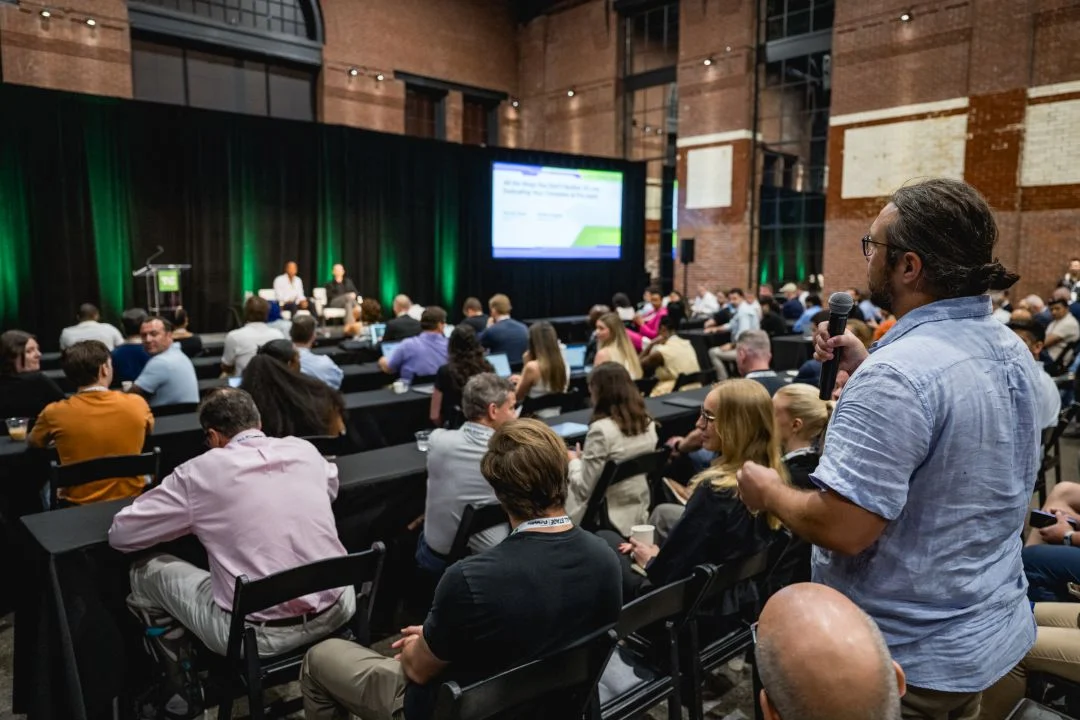
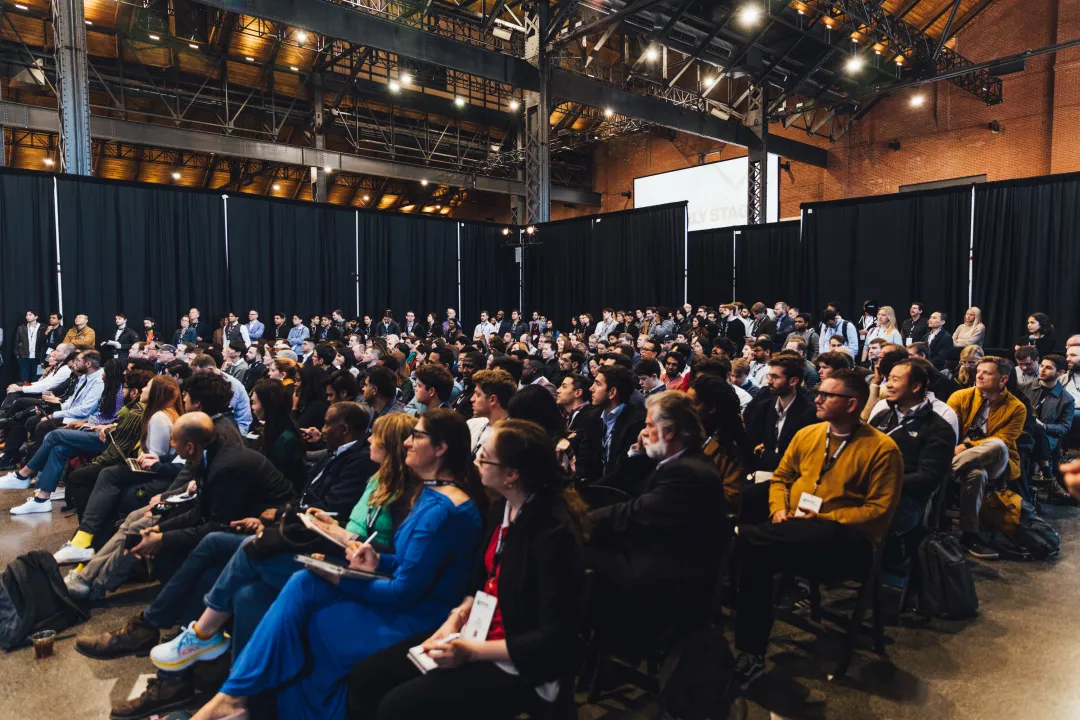
Today at 9:00 a.m. ET, the SoWa Power Station in Boston transformed into a central hub for the global entrepreneurial ecosystem as the TechCrunch Founder Summit 2026 officially commenced. This high-stakes gathering brings together an elite cohort of founders, institutional investors, and startup operators for a comprehensive day of strategic planning, market analysis, and professional networking. The event is designed to address the specific hurdles of the 2026 fiscal landscape, offering actionable insights into fundraising, product-market fit, and the rapidly evolving sector of artificial intelligence innovation.
The choice of Boston as the host city underscores the region’s enduring significance in the technology sector. Known for its dense concentration of academic institutions and venture capital firms, Boston has remained a resilient pillar for tech development even during periods of global economic fluctuation. The SoWa Power Station, a historic 19th-century facility once used to power the city’s transit system, serves as a symbolic backdrop for an event focused on the "power" and "energy" required to scale modern enterprises from seed stages to late-stage maturity.
A Strategic Agenda for a Competitive Market
The summit’s programming is structured to provide a logical progression from foundational growth strategies to advanced exit preparations. As doors opened this morning, organizers signaled a shift in registration pricing, moving to full-day rates as the initial sessions began. The urgency of the morning’s opening reflected the broader sentiment of the startup community: the window for securing early-stage advantages is narrowing, and immediate action is required to remain competitive.
The morning sessions are dominated by discussions on the "new fundamentals" of the startup world. Unlike the hyper-growth-at-all-costs era of the early 2020s, the 2026 summit emphasizes sustainable scaling and the achievement of "true" product-market fit before aggressive capital deployment. This thematic shift is a direct response to the heightened scrutiny from venture capitalists who, in the current market, are prioritizing unit economics and clear paths to profitability over mere user acquisition.

Chronology of the Summit: A Full Day of Immersion
The event is meticulously scheduled to maximize engagement between participants and industry veterans. The timeline for the day is as follows:
9:00 a.m. – 4:30 p.m. ET: Registration and Expo Hours
The Expo Hall serves as the summit’s primary marketplace of ideas. Exhibiting startups are showcasing a diverse array of solutions, ranging from AI-driven operational tools to new fintech infrastructures designed for cross-border scaling. This window allows for continuous interaction between founders looking for service providers and investors scouting for the next breakthrough technology.
9:30 a.m. – 4:30 p.m. ET: Networking Lounge powered by Braindate
Recognizing that the most significant deals often happen outside of formal presentations, the Braindate platform facilitates curated one-on-one and small-group meetings. This peer-learning approach allows founders to discuss specific internal challenges—such as talent retention or cap table management—in a confidential and collaborative environment.
10:00 a.m. – 4:30 p.m. ET: Breakout Sessions
These expert-led panels are the intellectual core of the summit. Divided into two primary tracks—the Build Stage and the Impact Stage—these sessions offer a deep dive into the mechanics of company building. Highlights include an "Ask Me Anything" (AMA) session with Steve Fredette, the co-founder of Toast, who provides a roadmap for building a multi-billion-dollar enterprise in the competitive Boston tech corridor.
10:00 a.m. – 4:00 p.m. ET: Roundtable Sessions
These interactive forums are limited in capacity to ensure high-quality discourse. Led by experienced scaling leaders, these sessions tackle the nuances of fundraising in 2026, the ethics of AI deployment, and the complexities of navigating enterprise-level sales cycles.

4:30 p.m. – 6:30 p.m. ET: Closing Reception
The summit concludes with a formal reception, providing a final opportunity for attendees to solidify the connections made throughout the day. In the world of venture capital, these informal gatherings are often where the groundwork for future Series A and Series B term sheets is laid.
Data-Driven Insights: The 2026 Venture Environment
The discussions at the TechCrunch Founder Summit are occurring against a backdrop of significant shifts in the venture capital data. Preliminary reports for the first half of 2026 suggest a stabilization in seed-stage valuations, though the bar for Series A funding has risen significantly. According to industry analysts, startups in 2026 are expected to demonstrate at least 18 months of runway and a clear integration of AI not just as a feature, but as a core driver of operational efficiency.
The "Next AI Opportunity" session, led by Amulya Vishwanath of Techable Ventures, highlighted that while 2024 and 2025 were defined by the development of Large Language Models (LLMs), 2026 is the year of "Vertical AI" and "Distribution." The consensus among speakers is that having superior technology is no longer a sufficient moat; rather, the ability to integrate that technology into existing enterprise workflows and distribution channels is the new "Startup Advantage."
Hunter Worland of NEA echoed this sentiment, arguing that "distribution beats technology." This perspective marks a departure from the traditional "build it and they will come" philosophy, suggesting that modern founders must be as adept at business development and partnership management as they are at software engineering.
Expert Analysis: The Boston Playbook and Enterprise Scaling
A significant portion of the summit is dedicated to the "Boston Founder Playbook." This segment, featuring Chase Garbarino of HqO, examines how regional companies can leverage local advantages—such as the proximity to world-class research hospitals and financial institutions—to build "King of the Hill" companies. These are defined by TDK Ventures’ Tina Tosukhowong as category winners that exhibit hidden signals of long-term dominance, such as high switching costs for customers and proprietary data loops.

The "Enterprise Relationships" panel, featuring representatives from Fidelity Private Shares, Wix Ventures, and Fidelity Labs, addressed the critical bridge between nimble startups and massive corporations. For many founders at the summit, the goal is to transition from a pilot program to a full-scale enterprise contract. The panelists emphasized that enterprise sales in 2026 require a sophisticated understanding of security compliance, data sovereignty, and the internal politics of Fortune 500 decision-making.
Inferred Reactions and Industry Implications
While official statements from the summit organizers emphasize the collaborative nature of the event, the inferred reaction from the attendee pool is one of "cautious optimism." Founders interviewed on the sidelines noted that while capital is available, the "due diligence" process has become more rigorous than in previous years. Investors are no longer looking for "moonshots" with no clear business model; they are looking for "precision strikes"—startups that solve specific, high-value problems with measurable ROI.
The implications of this summit extend beyond the SoWa Power Station. As the insights from today’s sessions propagate through the tech ecosystem, they are likely to influence the types of pitches that VCs see in the coming months. The emphasis on "Product-Market Fit Before You Scale," a session led by Kent Bennett of Bessemer Venture Partners, is expected to become a mantra for the next generation of Boston-based startups.
Conclusion: The Road Ahead for the Class of 2026
As the TechCrunch Founder Summit 2026 moves toward its closing reception, the primary takeaway for the hundreds of attendees is clear: the era of "growth at all costs" has been replaced by the era of "strategic resilience." The connections made today between founders and VCs like those from True Ventures, Maveron, and Glasswing Ventures will likely define the trajectory of the New England tech scene for the remainder of the decade.
By providing a platform where the "next generation of AI opportunities" can be debated and where "fundraising trends" are decoded in real-time, the summit reinforces the necessity of community in the startup world. For those founders who secured their passes and engaged with the day’s rigorous agenda, the event offered more than just networking; it provided a blueprint for navigating the complexities of a global economy that is increasingly defined by rapid technological shifts and a renewed focus on fundamental business value.

The SoWa Power Station may have once provided electricity to the city’s trams, but today, it provided the intellectual and social current necessary to power the next wave of corporate innovation. As the doors close on this year’s summit, the focus shifts from the stage to the boardroom, where the strategies discussed today will be put to the ultimate test of the marketplace.