Farhan Pambudi
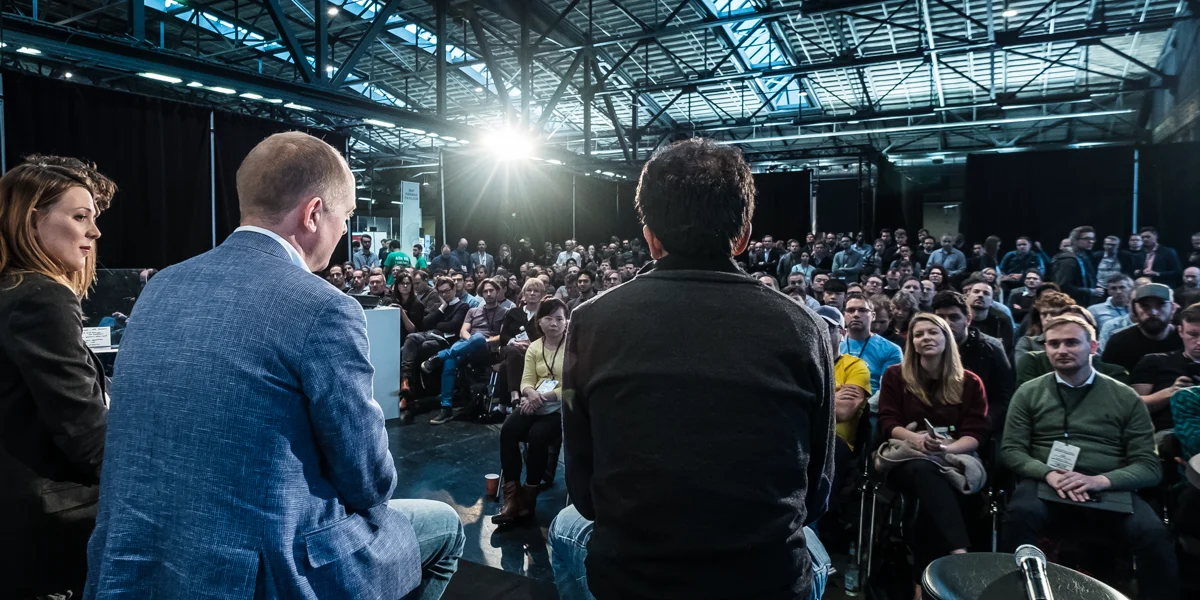
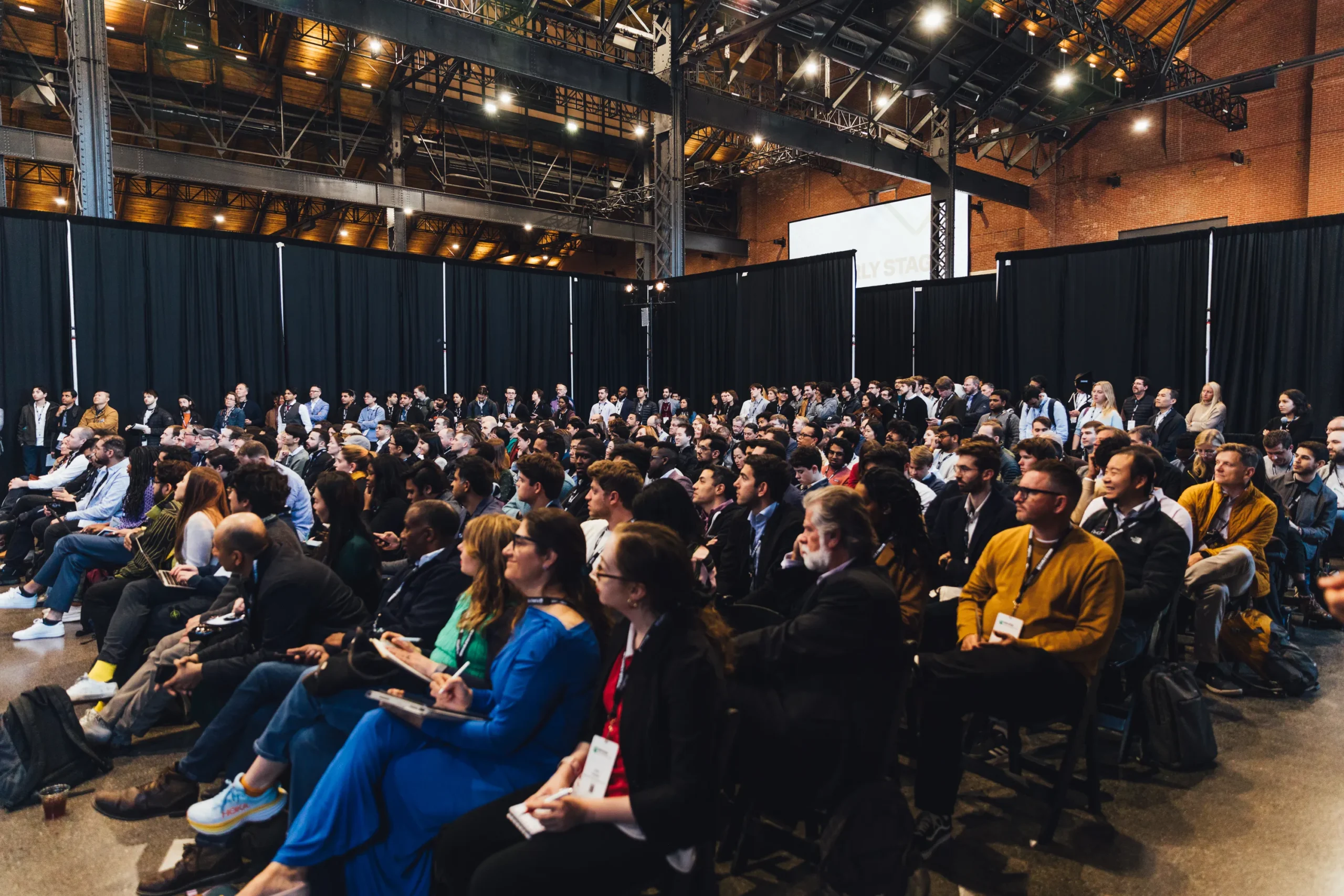
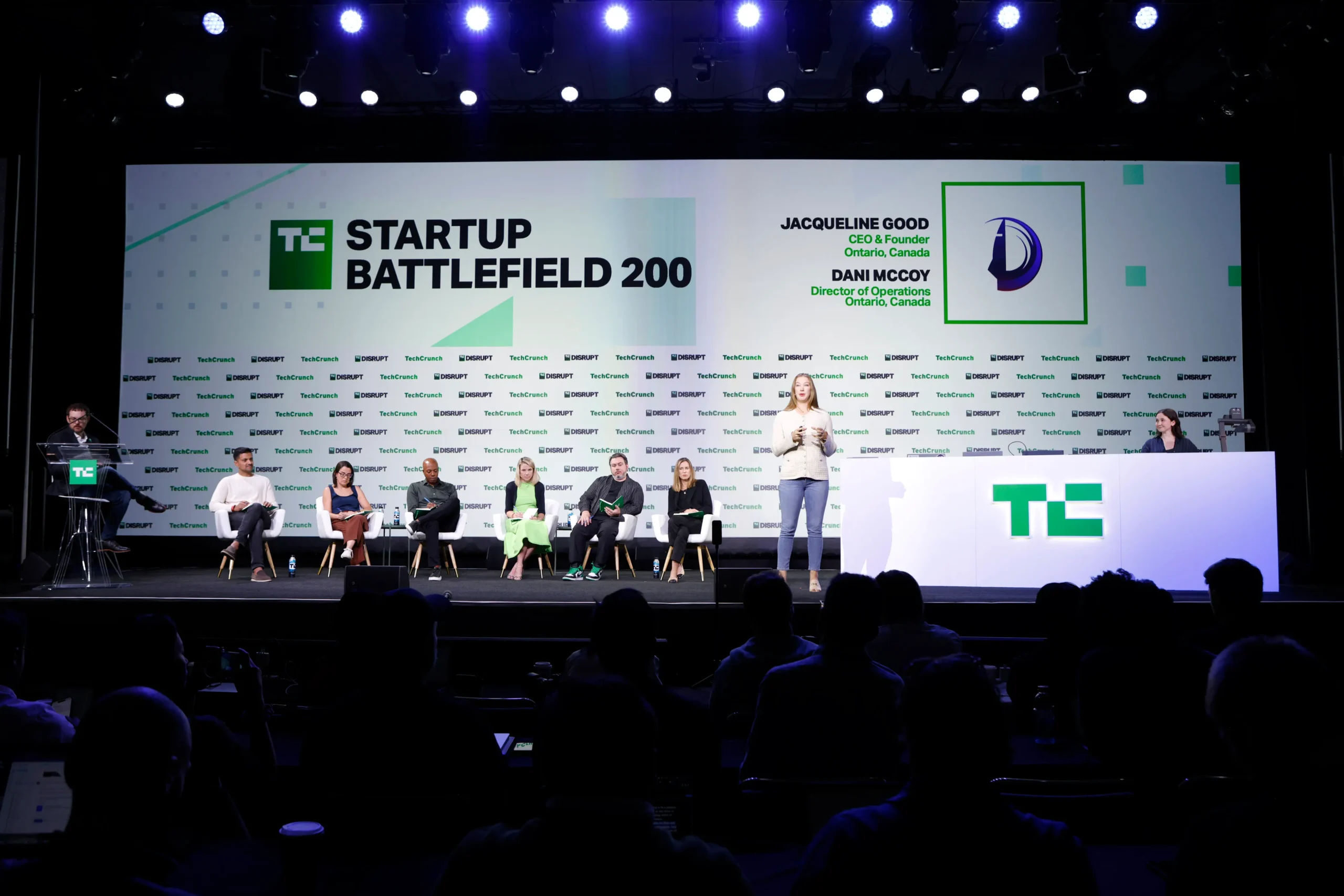
TechCrunch Disrupt, the long-standing cornerstone of the global startup ecosystem, is set to return to the Moscone West convention center in San Francisco from October 13 to 15, 2026. The three-day summit is expected to draw more than 10,000 founders, venture capitalists, operators, and technical leaders. This year’s iteration arrives at a pivotal moment for the technology sector, as the industry transitions from the initial hype of generative artificial intelligence toward the practical implementation of autonomous agents and the integration of AI into physical hardware. While the main stages of Disrupt traditionally host high-level keynote addresses and the renowned Startup Battlefield competition, the 2026 program places a renewed emphasis on its breakout sessions. These 50-minute segments are designed to facilitate deeper technical and operational inquiries, combining expert-led presentations with moderated audience Q&A sessions.
The shift toward more intimate, specialized programming reflects a broader trend in the technology conference circuit, where attendees increasingly prioritize actionable insights over broad visionary rhetoric. The 2026 agenda is heavily weighted toward solving the "Day 2" problems of the AI era: scaling agentic workflows, navigating the economics of model inference, and managing the complexities of physical robotics. Capacity for these sessions is strictly limited and managed on a first-come, first-served basis, signaling a return to high-density, in-person networking as the primary driver of value for the San Francisco tech hub.
Historical Context and the Evolution of Disrupt
Since its inception, TechCrunch Disrupt has served as a launchpad for companies that have redefined the global economy, including Dropbox, Mint, and Fitbit. Historically held in various tech capitals, the event’s consistent presence in San Francisco underscores the city’s enduring status as the epicenter of venture capital and engineering talent. By 2026, the "AI Summer" that began in late 2022 has matured into a complex landscape where software-only solutions are facing diminishing returns, and the frontier of innovation has moved toward "Physical AI"—the marriage of large-scale reasoning models with robotics and industrial automation.
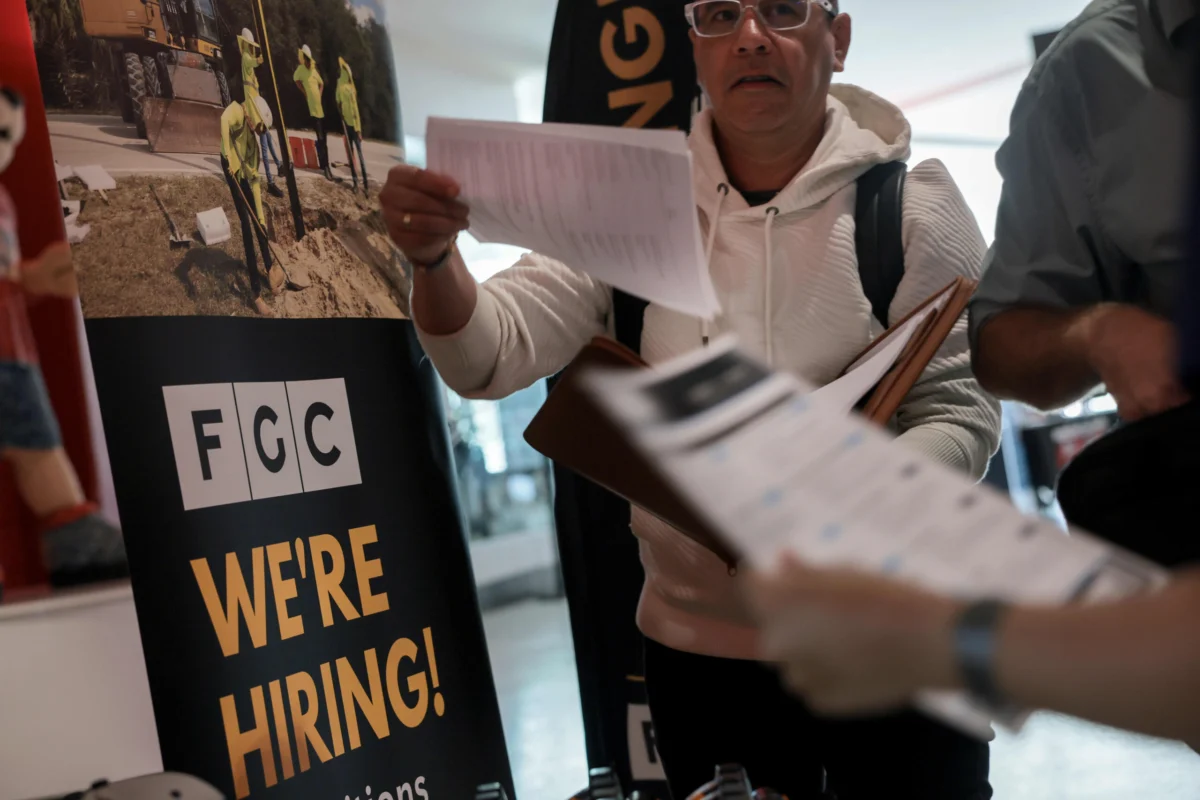
The 2026 event also marks a period of recalibration for the startup labor market. Following several years of volatility in big tech employment, Disrupt has introduced specific initiatives to support displaced talent, including a dedicated $75 Expo+ Pass for individuals who have recently experienced layoffs. This move is seen by industry analysts as an attempt to keep high-level engineering and product talent within the startup ecosystem rather than losing those skills to traditional industries.
Chronology of the 2026 Summit
The event is structured to follow a logical progression from foundational technology to market execution.

Day 1: The Infrastructure and Foundation Layer
The opening day focuses on the shifting economics of AI. Discussions center on the "Inference Economy," analyzing how the cost of running models is becoming a more critical factor than the cost of training them. Breakout sessions on this day explore the hardware requirements for real-time processing and the emergence of specialized chips designed for low-latency output.
Day 2: Agents and Operational Execution
The second day moves into the application layer. The primary focus is on AI agents—software entities capable of performing multi-step tasks with minimal human intervention. Sessions feature engineers from leading labs like Anthropic, demonstrating how these tools are being used internally to automate software development and architectural design.
Day 3: Physical AI, Space, and Long-term Scaling
The final day bridges the gap between software and the physical world. Topics include the deployment of AI in robotics, the use of autonomous systems in space exploration, and the transition of founders into the role of institutional investors. The day concludes with a focus on sustainable growth and the "human operating system" required to manage high-performance teams in an automated environment.
Key Breakout Sessions and Technical Deep Dives
The 2026 breakout agenda is categorized into several high-priority tracks, each led by recognized experts in their respective fields.
The Shift to Physical AI and Robotics
A cornerstone of the 2026 program is the exploration of "Physical AI." Susan Schofer and Duncan Turner of SOSV HAX lead a session titled "What Is Physical AI, Anyway?" The discussion aims to move beyond the marketing jargon to define how machines perceive and act in unpredictable, non-digital environments. According to SOSV, the "playbook" for building hardware-centric AI differs fundamentally from SaaS, requiring different capital structures and longer development cycles. This is complemented by a session featuring Ethan Batraski of Venrock and Ivan Poupyrev of Archetype AI, who argue that the primary challenge in robotics today is not the model itself, but the execution layer—the ability of a machine to reliably close the loop between perception and action.
Agentic Workflows in Engineering
The practical application of AI agents is addressed by Anthropic’s technical staff, Steve Androulakis and Sachin Malhotra. Their session, "Outnumbered Either Way," provides a rare look at how the creators of AI use their own tools. They detail workflows where multiple Claude agents run in parallel to delegate engineering tasks, a model that many believe will become the standard for software development by 2027. This session is particularly relevant for CTOs looking to increase output without linearly increasing headcount.

The Economics of the Inference Economy
As frontier models become commoditized, the focus of venture investment is shifting. Hagay Lupesko of Cerebras Systems and Rudina Seseri of Glasswing Ventures lead a session on the "Inference Economy." Their analysis suggests that the next trillion dollars in AI value will not come from training massive new models, but from the efficiency and latency of inference. They argue that "defensibility" in a startup is no longer about the model but about the integration and the speed at which it delivers value to the end user.
Strategic Fundraising and Market Navigation
Despite the technological focus, the fundamental challenge of securing capital remains a central theme. A session sponsored by Fidelity Private Shares covers the end-to-end process of running a successful fundraise in a more discerning VC environment. Additionally, a panel featuring representatives from General Catalyst and HealthQuest Capital identifies common "fundraising mistakes" that can derail a round, such as poor cap table management or a lack of clarity in investor targeting.
Supporting Data: The State of the Tech Ecosystem in 2026
The themes of the Disrupt 2026 agenda are supported by current market data. According to industry projections, the market for AI agents is expected to grow at a compound annual growth rate (CAGR) of over 40% between 2024 and 2028. Furthermore, investment in "Physical AI" and industrial robotics has seen a 25% year-over-year increase as manufacturing sectors seek to hedge against labor shortages.
The "Inference Economy" session addresses a critical fiscal reality: by 2026, it is estimated that 80% of enterprise AI spending is directed toward inference and operationalization, a complete reversal from 2023 when the majority of capital was allocated to R&D and model training. TechCrunch’s decision to include sessions on space technology, led by The Aerospace Corporation, also aligns with the 15% growth in the commercial space sector, which is increasingly reliant on AI for real-time data processing from satellite constellations.
Official Responses and Industry Implications
The announcement of the 2026 agenda has drawn responses from across the tech spectrum. Sponsors such as Wells Fargo and Hostinger have emphasized the importance of sessions that bridge the gap between "building" and "scaling." Patrick Burke, Managing Director at Hostinger, noted that "AI is compressing the distance between spotting an opportunity and acting on it," a sentiment that echoes the event’s focus on speed and execution.
Industry analysts suggest that the 2026 program reflects a "maturation phase" for Silicon Valley. The inclusion of Dr. Rumman Chowdhury (Humane Intelligence) and Cassie Kozyrkov (Kozyr) indicates a move toward responsible and trustworthy AI. Their sessions focus on the "human side" of building, arguing that while AI can accelerate decision-making, expert human judgment remains the final arbiter of scalability and safety.

Broader Impact on the San Francisco Economy
TechCrunch Disrupt remains a significant economic driver for San Francisco. The influx of 10,000 high-spending attendees provides a concentrated boost to the city’s hospitality and service sectors. Moreover, the "Layoff Expo" initiative serves as a localized social safety net, attempting to bridge the gap between corporate downsizing and startup formation. By offering a $75 entry point for those in career transition, the event fosters a "recycling" of talent that has historically been the secret to the Bay Area’s resilience.
The event’s focus on "Space" and "Physical AI" also signals a geographic expansion of the tech hub. While software remains centered in the South of Market (SoMa) district, the rise of "hard tech" is revitalizing industrial zones in the East Bay and the Peninsula, creating a more diverse regional economy.
Conclusion and Future Outlook
As TechCrunch Disrupt 2026 approaches, the agenda highlights a clear mandate for the next generation of founders: the era of speculative growth is being replaced by a focus on agentic efficiency and physical integration. The breakout sessions at Moscone West will serve as the testing ground for these ideas, providing the technical and operational frameworks necessary to navigate an increasingly automated global economy. For the 10,000 attendees, the goal is not just to witness the next "disruption" but to acquire the specific tools required to lead it. Registration remains open, with tiered pricing designed to encourage group attendance and support the continued growth of the founder community in a post-AI-hype world.