Farhan Pambudi
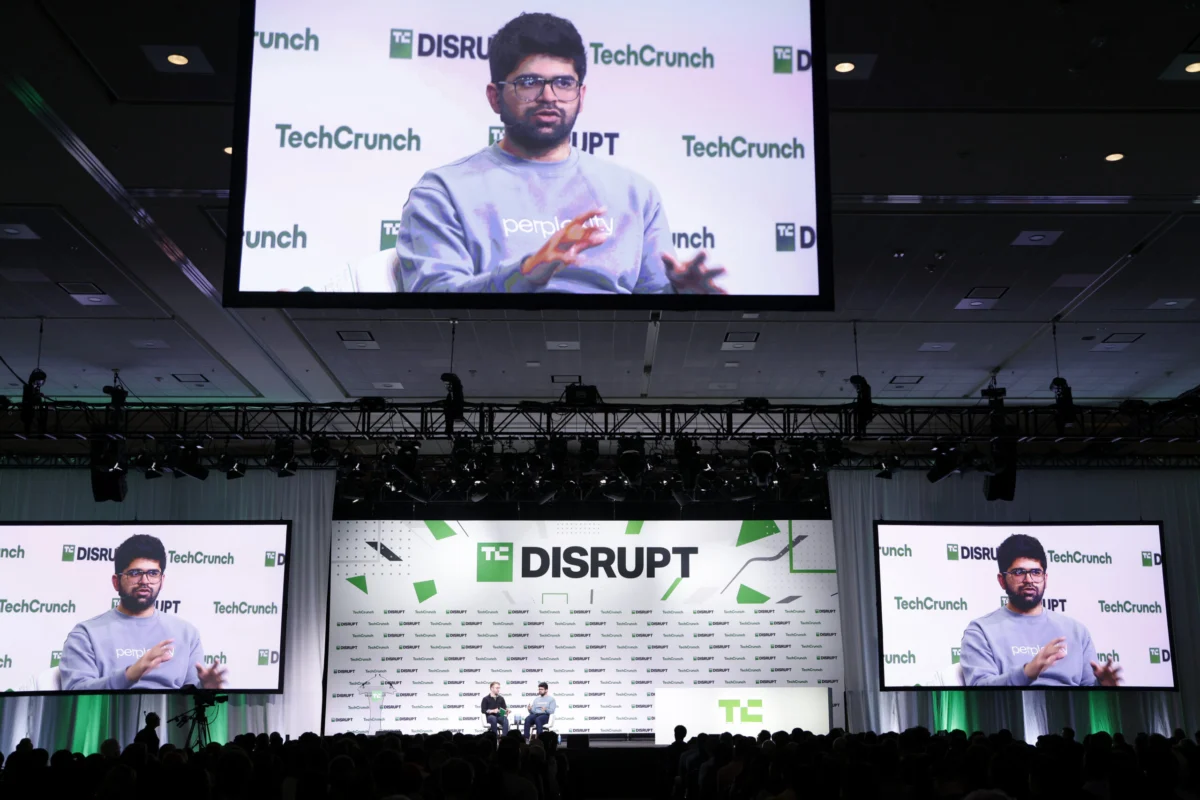
The global technology community is descending upon San Francisco as the final countdown begins for TechCrunch Disrupt 2026, which is set to open its doors at the Moscone West convention center in less than 48 hours. Scheduled to run from October 13 through October 15, the event remains one of the most influential gatherings in the venture capital and startup ecosystem, expected to draw more than 10,000 founders, investors, and industry executives. As the 8:00 a.m. PT deadline on October 13 approaches, organizers have issued a final call for registrations, offering tiered discounts including a $100 savings on standard passes and a "Buy One, Get One" 50% discount for secondary tickets before door prices take effect.
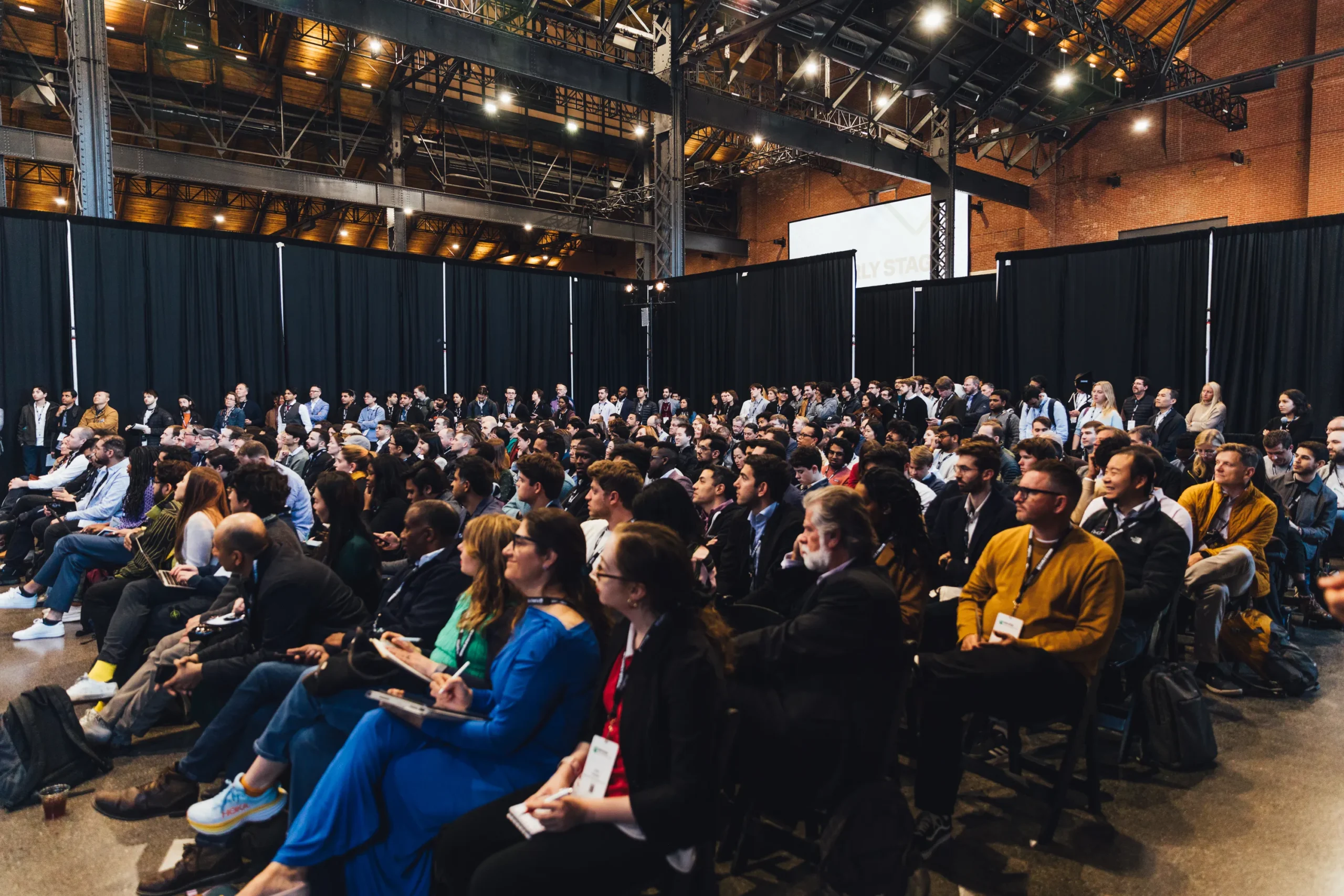
The 2026 iteration of Disrupt arrives at a pivotal moment for the technology sector, characterized by a maturing generative artificial intelligence market, a resurgence in climate tech investment, and a shifting landscape for hardware and robotics. With over 250 speakers confirmed to take the stage across more than 200 sessions, the conference aims to provide a comprehensive roadmap for the next decade of innovation. The scale of the event—featuring six dedicated stages, numerous roundtable discussions, and specialized breakout sessions—underscores the event’s role as a primary catalyst for networking and deal-making within the Silicon Valley corridor.
Historical Context and the Evolution of Disrupt
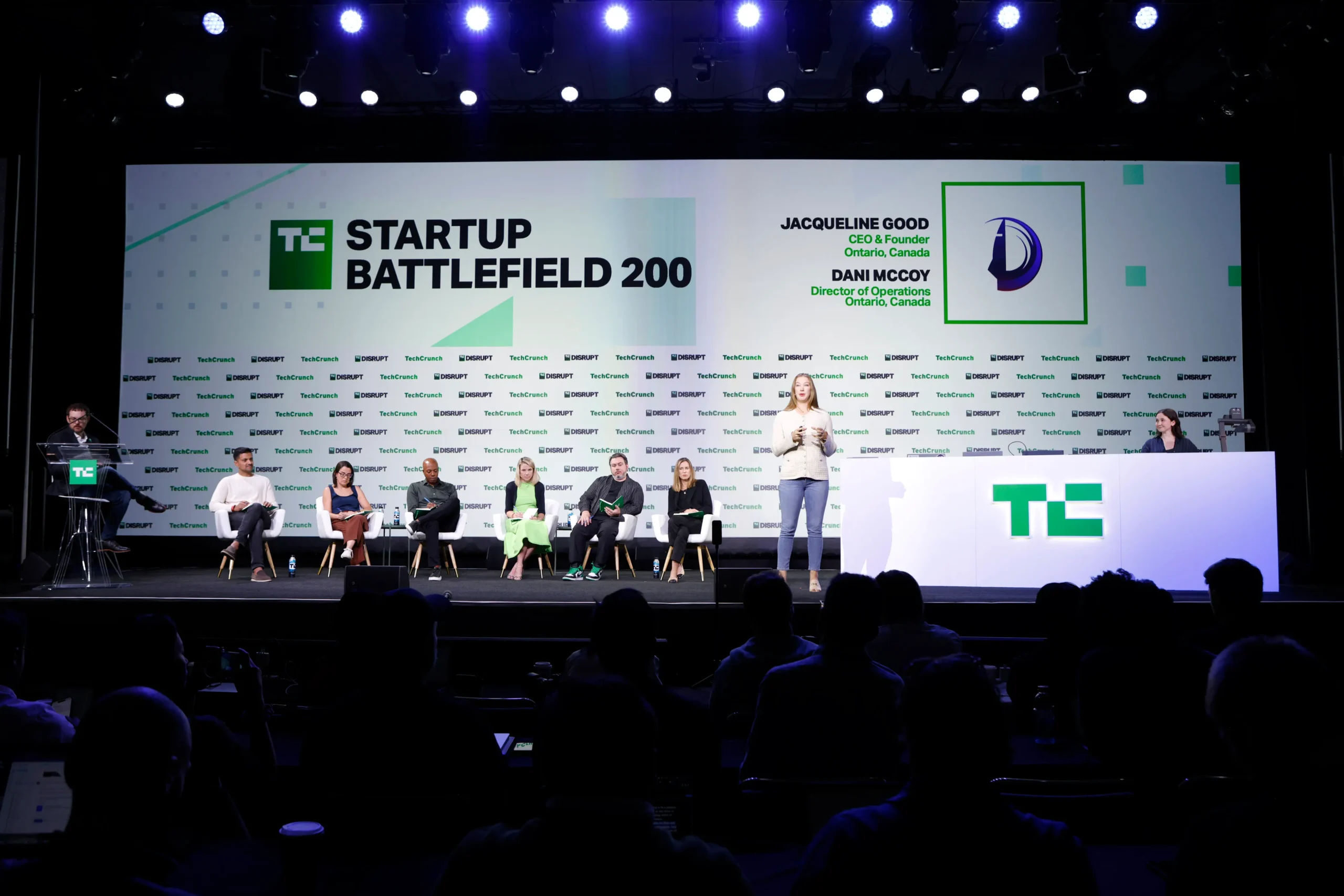
TechCrunch Disrupt has long served as the premier stage for early-stage companies to gain international visibility. Since its inception, the conference has been synonymous with the "Disrupt Startup Battlefield," a competition that has previously featured companies such as Dropbox, Trello, and Mint before they became household names. In 2026, the stakes remain high as 200 hand-picked startups from the "Startup Battlefield 200" cohort prepare to pitch their business models to panels of seasoned venture capitalists and industry experts.
The choice of Moscone West as the venue is significant. San Francisco, despite facing narrative challenges in recent years regarding urban flight, has seen a massive resurgence driven by the artificial intelligence boom. By hosting the event in the heart of the city, TechCrunch Disrupt 2026 reinforces San Francisco’s status as the epicenter of global tech development. This year’s event is expected to contribute significantly to the local economy, filling hotels and restaurants with a global cohort of attendees from over 60 countries.

High-Profile Speaker Lineup and Sector Analysis
The 2026 speaker roster reflects the current power structures and emerging frontiers of the technology world. Keynote sessions will feature RJ Scaringe, CEO of Rivian, who is expected to discuss the future of electric vehicle (EV) infrastructure and the challenges of scaling manufacturing in a volatile global economy. His presence highlights the intersection of climate technology and heavy industry, a major theme for this year’s programming.
Artificial intelligence remains the dominant narrative, represented by leaders such as Cat de Jong of Anthropic and Les Karpas of NVIDIA. As NVIDIA continues to hold a central position in the global semiconductor supply chain, Karpas’s insights into AI-optimized hardware are highly anticipated by developers and enterprise leaders alike. Anthropic’s involvement suggests a deep dive into AI safety, ethics, and the competitive landscape of Large Language Models (LLMs).
Other notable speakers include:
- Mark Wahlberg: Representing the intersection of celebrity influence, brand building, and venture investment.
- Alexa von Tobel (Inspired Capital): Providing a venture capitalist’s perspective on the current fundraising environment and the "dry powder" available for Series A and B rounds.
- Andrew Feldman (Cerebras Systems): Addressing the physical limitations of computing and the race for specialized AI chips.
These sessions are distributed across six stages, each focusing on specific verticals such as Fintech, SaaS, Robotics, and Sustainability. The "Builders Stage" in particular has become a favorite for those seeking tactical advice on scaling engineering teams and navigating the complexities of product-market fit.

The Startup Battlefield 200 and the Expo Hall
While the main stages host established industry titans, the Expo Hall serves as the engine room of the conference. More than 300 startups will be showcasing live demonstrations of their products. Central to this is the Startup Battlefield 200, an elite group of startups selected from thousands of applicants worldwide. These companies receive free exhibition space and the opportunity to compete for the $100,000 equity-free grand prize.
Data from previous years indicates that Battlefield alumni have collectively raised over $9 billion in funding and achieved numerous successful exits. For investors, the Expo Hall represents a curated "speed-dating" environment where they can identify emerging trends in real-time. In 2026, early reports suggest a heavy concentration of startups focusing on autonomous systems, decentralized finance (DeFi) security, and carbon capture technologies.
Economic Resilience and the Layoff to Liftoff Program
A unique aspect of the 2026 conference is its continued focus on the tech workforce. Following several years of fluctuating employment data within the sector, TechCrunch has renewed its "Layoff to Liftoff" program. This initiative allows tech workers who have recently been displaced by corporate downsizing to attend the event for a significantly reduced rate of $75 for an Expo+ Pass.
This program is designed to facilitate the re-entry of skilled talent into the startup ecosystem. By providing affordable access to recruiters, founders, and networking mixers, Disrupt acts as a bridge between legacy tech corporations and the high-growth startups of tomorrow. Industry analysts view this as a vital "safety net" and networking hub that helps maintain the density of talent within the San Francisco Bay Area.

Chronology of the Event
The three-day schedule is meticulously structured to maximize engagement:
- October 13 (Day 1): Focuses on the "Big Picture," featuring opening keynotes from major CEOs and the commencement of the Startup Battlefield preliminary rounds. The afternoon transitions into sector-specific tracks focusing on AI and Robotics.
- October 14 (Day 2): Highlights include deep-dive roundtables and breakout sessions. This is traditionally the most intensive day for networking, with numerous satellite events and after-parties hosted by venture capital firms around the SoMa district.
- October 15 (Day 3): The final day culminates in the Startup Battlefield Finals, where the top five companies pitch to a "super-panel" of judges. The winner is announced in the late afternoon, followed by closing remarks on the state of the industry for 2027.
Broader Impact and Industry Implications
TechCrunch Disrupt 2026 is more than just a trade show; it is a barometer for the health of the global innovation economy. The presence of over 10,000 attendees suggests that despite higher interest rates and a more cautious investment climate compared to the 2020-2021 peak, the appetite for transformative technology remains robust.
The focus on "realities of building at scale," as noted in the session descriptions, indicates a shift away from the "growth at all costs" mentality toward sustainable business models and operational efficiency. This shift is likely to be a recurring theme in the conversations between founders and LPs (Limited Partners) throughout the week.
Furthermore, the integration of robotics and infrastructure into the core curriculum suggests that the tech industry is moving back toward physical world solutions. While software and SaaS remain dominant, the inclusion of companies like Rivian and Cerebras indicates that hardware is once again a primary driver of venture interest.

Final Preparations for Attendees
As the Moscone West team finalizes the stage builds and the 300+ exhibitors set up their booths, the window for pre-event pricing is rapidly closing. Organizers have emphasized that registration should be completed online to avoid the expected long lines and higher "at-the-door" rates on Tuesday morning.
For those unable to attend in person, the event typically generates a massive digital footprint, with key sessions often summarized and analyzed by global media outlets. However, for the founders looking for that one crucial introduction to a Tier-1 investor, or the investor looking for the next "unicorn" in its infancy, the physical halls of Moscone West remain the place to be this October.
The event stands as a testament to the enduring power of face-to-face collaboration in an increasingly digital world. As the doors prepare to open, the tech world watches to see which of the 300 startups will emerge as the next major disruptor and how the insights shared on the 2026 stages will shape the technological landscape for years to come.