Farhan Pambudi
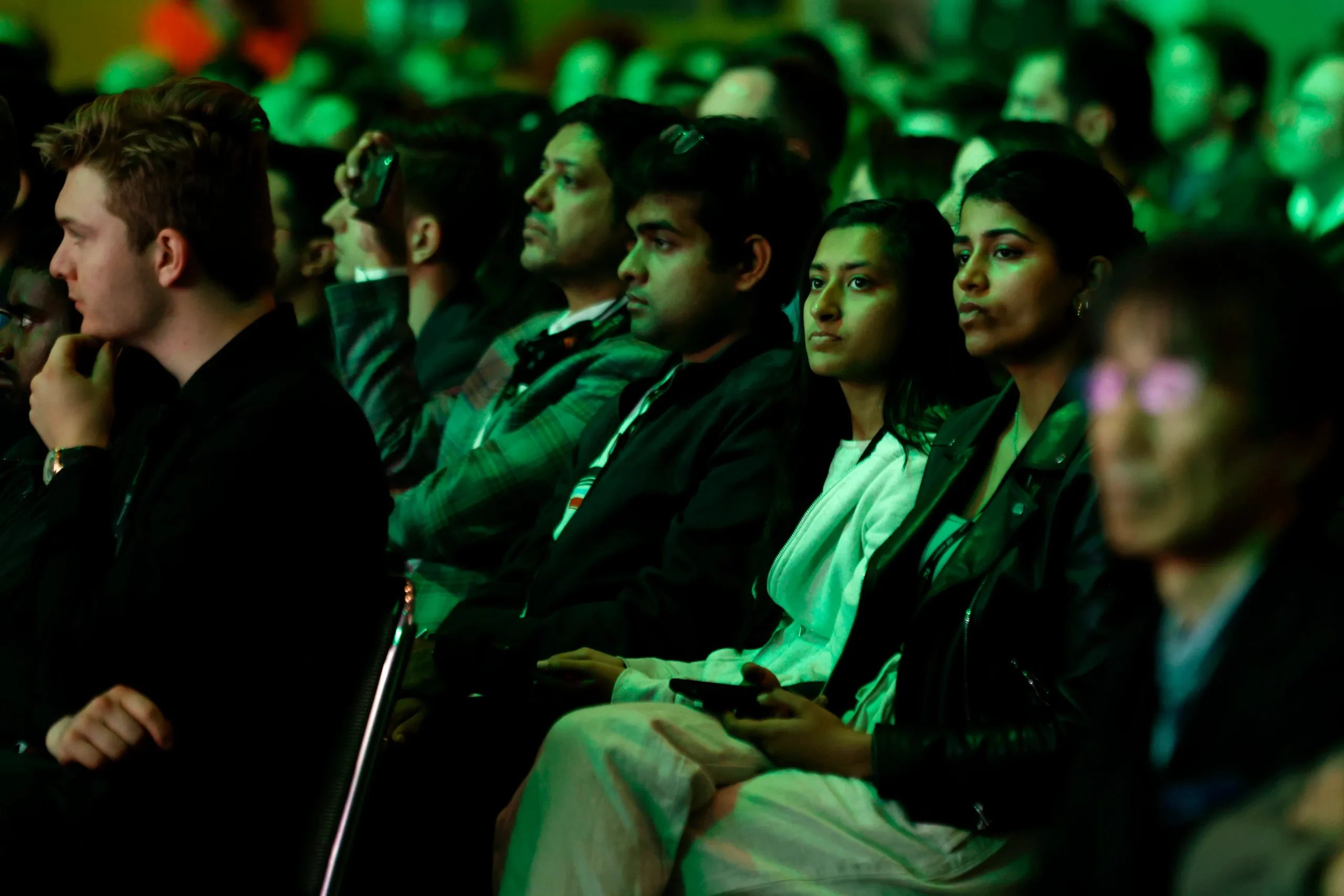
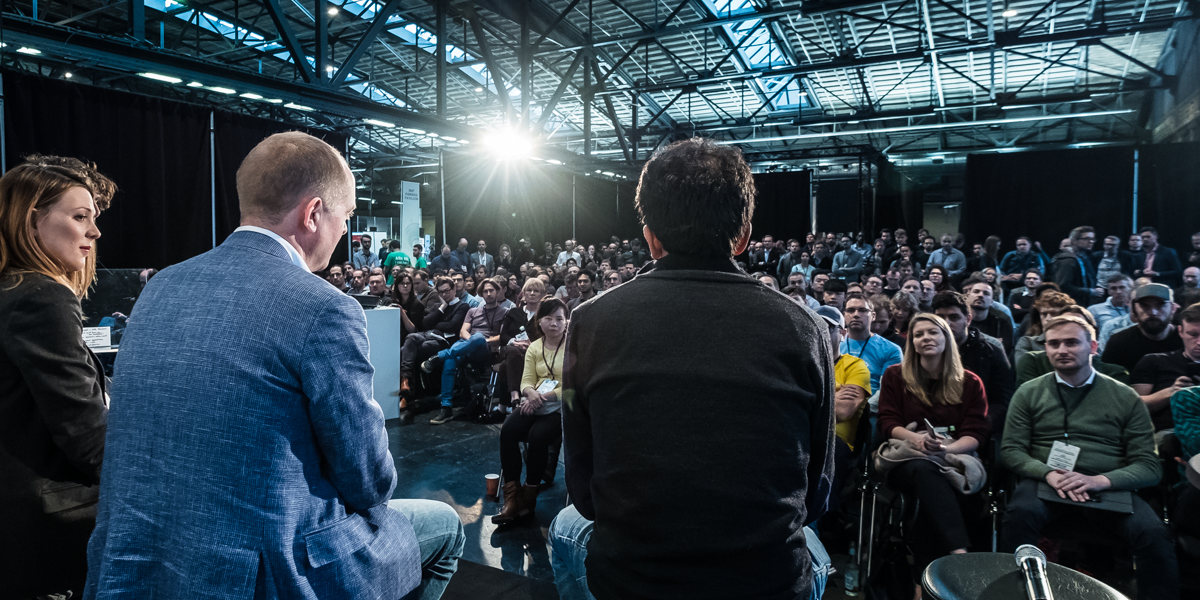
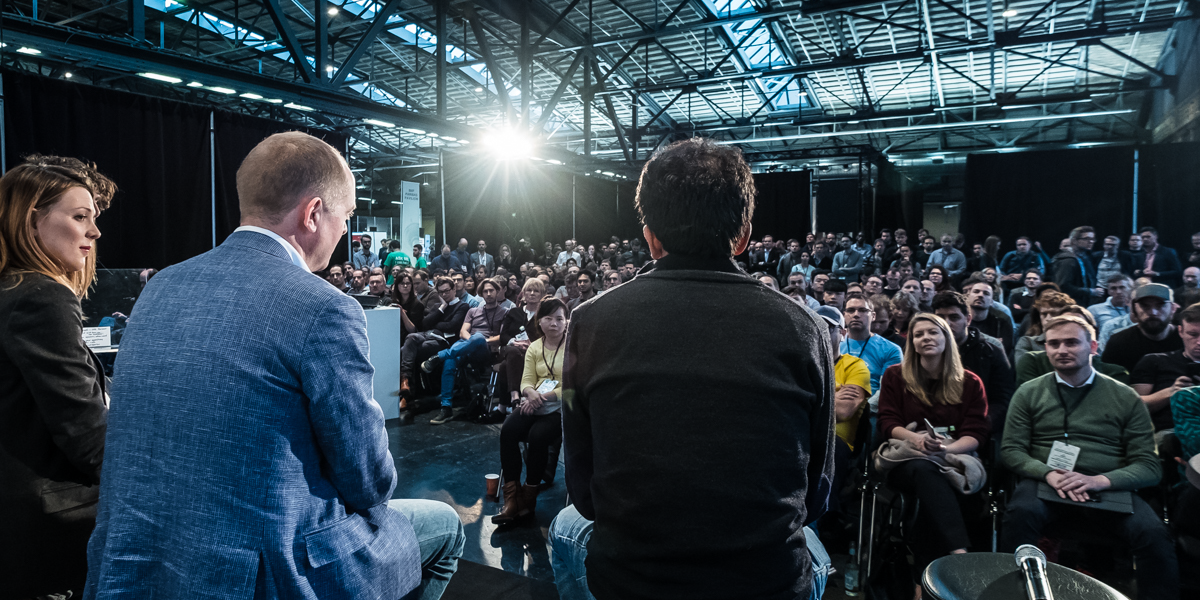
The 2026 edition of TechCrunch Disrupt officially commenced this morning at San Francisco’s Moscone West, marking a significant milestone for the global startup ecosystem as it navigates a landscape increasingly defined by the integration of artificial intelligence into physical infrastructure. More than 10,000 startup founders, venture capitalists, and technology executives have gathered for the three-day event, which serves as a primary barometer for emerging tech trends and investment priorities. This year’s conference arrives at a critical juncture for the industry, following a period of intense focus on generative AI and a subsequent shift toward what many experts are calling "Physical AI"—the application of intelligent systems to robotics, manufacturing, and the built environment.

The Strategic Importance of Disrupt 2026 in the Current Venture Landscape
Since its inception, TechCrunch Disrupt has been a launchpad for companies that have redefined their respective industries, including Dropbox, Fitbit, and Uber. In 2026, the event’s role has evolved from a mere pitch competition to a comprehensive intelligence-gathering hub for the venture capital community. The current market environment is characterized by a "flight to quality," where investors are prioritizing startups with clear paths to profitability and tangible real-world applications.
The presence of over 10,000 attendees at Moscone West underscores San Francisco’s enduring status as the world’s premier technology hub, despite ongoing debates regarding the decentralization of the industry. The event features six new industry-specific stages focused on scaling, artificial intelligence, fintech, climate tech, and infrastructure, reflecting the sectors currently attracting the most significant capital inflows.

Chronology of Day 1: From Registration to High-Stakes Keynotes
The first day of the conference began at 7:30 a.m. with the opening of registration in the Level 1 lobby. Attendees were equipped with badges featuring Klik technology, a contact-exchange system that allows for seamless networking through scannable interfaces. This technological integration is emblematic of the event’s broader focus: using hardware and software synergy to enhance human interaction and efficiency.
By 8:00 a.m., the Expo Hall opened its doors, featuring more than 300 exhibiting startups. The hall serves as the physical heart of Disrupt, where early-stage founders showcase prototypes to potential partners and investors. The morning sessions on the Disrupt Stage and Builders Stage were dominated by discussions on the limits of AI scaling and the rise of autonomous hardware.

The Rise of Physical AI and the Agentic Economy
A central theme of Day 1 is the transition from "screens to atoms." RJ Scaringe, founder and CEO of Rivian, delivered a keynote titled "Building the Impossible," which detailed the complexities of scaling electric vehicle production and the necessity of integrating advanced AI into automotive hardware. Scaringe’s insights set the tone for a series of discussions on Physical AI—a sector that focuses on giving machines the ability to perceive, reason, and act in the physical world.
Andrew Feldman of Cerebras Systems addressed the technical constraints of the current AI boom in his session, "Can AI Keep Scaling?" Feldman’s analysis provided a sobering look at the energy requirements and hardware limitations facing the next generation of large language models. This was complemented by Max Hodak of Science Corporation, who explored the frontier of neural interfaces in his session, "Beyond Screens," suggesting that the next major platform shift will involve direct human-computer interaction.

On the Builders Stage, the focus shifted to the "Agentic Era." Industry leaders from Google Cloud, Airbyte, and Webflow discussed the implications of OpenAI and other major players "shipping roadmaps"—a phenomenon where platform providers integrate features that were previously the core products of smaller startups. The consensus among panelists was that founders must now build "agentic" systems—AI that can perform complex, multi-step tasks autonomously—to remain competitive.
Startup Battlefield 200: The $100,000 Competition
The Startup Battlefield remains the centerpiece of the Disrupt experience. This year, TechCrunch’s editorial team vetted thousands of applicants to select the top 200 early-stage startups to participate in the "Battlefield 200." From this cohort, a select group of 20 finalists will compete for the Disrupt Cup and a $100,000 equity-free prize.

Day 1 featured lightning pitches in two high-priority categories:
The Built World and Infrastructure
Startups in this category are tackling challenges in real estate, construction, and smart city development. The "Built World" track reflects a growing investment interest in decarbonizing the construction industry and using AI to optimize urban planning. Judges for these sessions included prominent VCs from Kleiner Perkins, Maven Ventures, and Iconiq, who scrutinized the scalability and technical defensibility of the participating companies.

Sustainability and Climate Tech
The Sustainability pitches highlighted companies focused on renewable energy, carbon capture, and circular economy platforms. Unlike the software-heavy pitches of previous years, the 2026 sustainability cohort is notable for its emphasis on "hard tech." Founders are presenting solutions for clean water, sustainable agriculture, and long-duration energy storage, proving that planetary impact and venture-scale profitability are increasingly aligned.
Sector-Specific Insights: Smart Money and Smart Systems
The Industry Stages provided deep dives into the financial and structural foundations of the 2026 tech economy. On the "Smart Money" stage, executives from Circle, Plaid, and Robinhood discussed the future of money movement. A primary topic was the role of trust and verification in an era where AI can generate sophisticated fraudulent identities.

Simultaneously, the "Smart Systems" stage addressed the looming power crisis driven by AI data centers. Jeff Lawson, the founder of Twilio, discussed his new ventures in energy, while leaders from Helion and Commonwealth Fusion Systems provided updates on the timeline for commercial fusion power. The discussion emphasized that the "AI revolution" is fundamentally an "energy revolution," as the demand for compute continues to outpace traditional grid capacity.
Networking and the Deal Flow Ecosystem
Beyond the stages, Disrupt 2026 is designed to facilitate high-velocity deal-making. The Networking Lounge, powered by Signify Business Cash from Wells Fargo, and the Deal Flow Café provided dedicated spaces for founders and investors to conduct private meetings.

The integration of AI-powered matchmaking in the event app has reportedly increased the efficiency of these interactions. By analyzing founder profiles and investor mandates, the system suggests high-probability connections, reducing the serendipity required to secure seed and Series A funding. For many attendees, these "coffee line conversations" are as valuable as the programmed content, often serving as the genesis for future partnerships.
Broader Economic Implications and Regional Impact
The scale of Disrupt 2026 reflects a stabilizing venture capital market. After the volatility of the mid-2020s, the 2026 landscape is characterized by more disciplined valuations and a focus on "sustainable growth." Data presented during the "Equity Live" podcast recording on the Builders Stage suggested that while total deal volume is lower than the 2021 peak, the average seed round size has increased, particularly for startups with proprietary datasets or hardware components.

The event also serves as a catalyst for the local San Francisco economy. The "Side Events" calendar includes dozens of company-hosted parties, panels, and meetups across the city, from the "Irish Shark Tank" hosted by Enterprise Ireland to networking nights at Harrington’s. These events extend the conference’s reach into the city’s various neighborhoods, reinforcing the "Silicon Valley" ecosystem’s physical density.
Looking Ahead: The Remainder of Disrupt 2026
As Day 1 concludes, the focus shifts toward the later stages of the Startup Battlefield and more granular technical sessions. Upcoming highlights include discussions on quantum computing, the "Inference Economy," and the role of data teams in providing context to AI models.

The overarching sentiment of the first day is one of cautious optimism. While the challenges of AI safety, energy consumption, and market competition remain significant, the diversity of innovation on display at Moscone West suggests that the startup ecosystem is successfully transitioning from experimental software to foundational technology that impacts the physical world. With two days remaining, the industry looks toward the crowning of the Startup Battlefield winner and the further unveiling of technologies that will define the late 2020s.