Farhan Pambudi
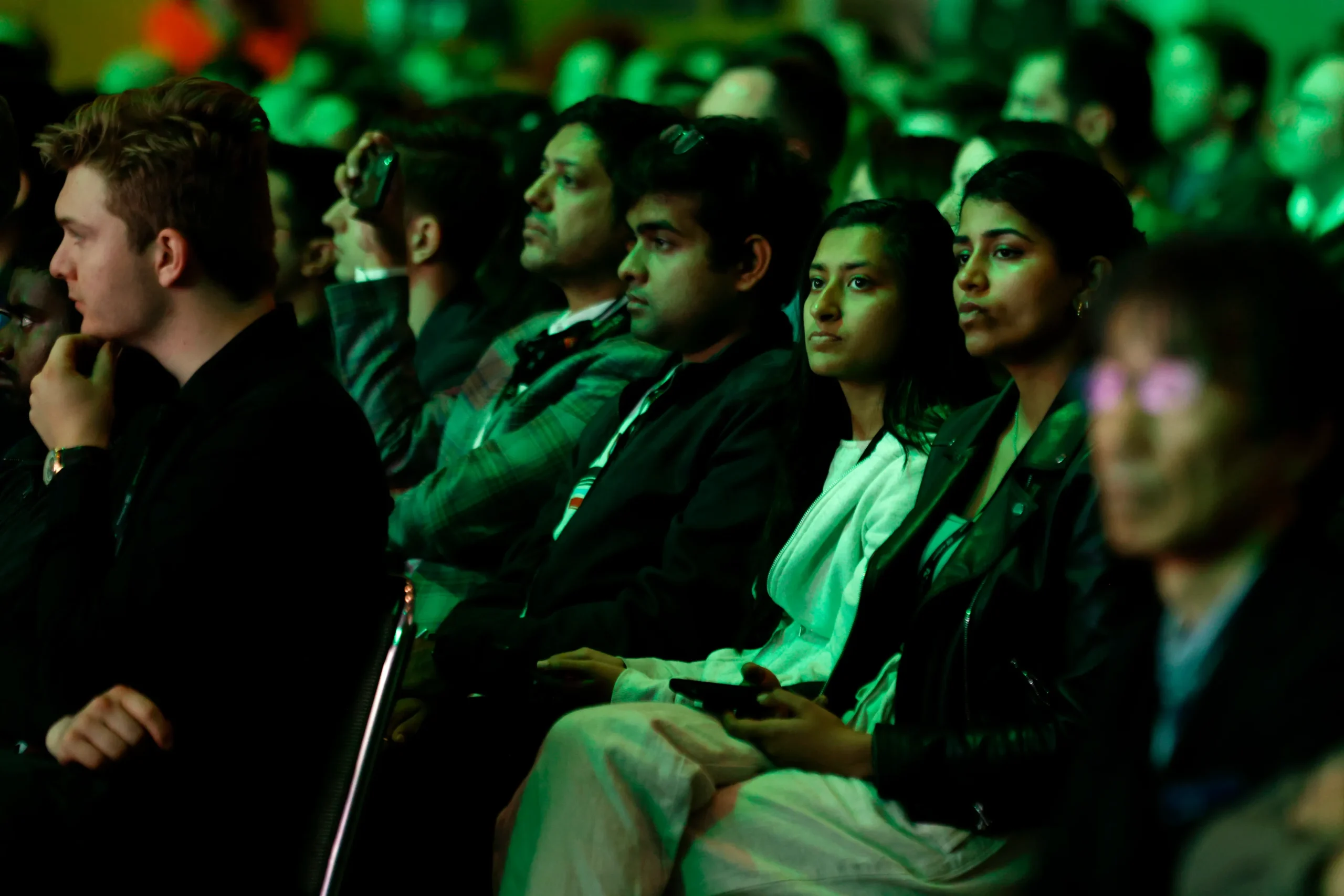
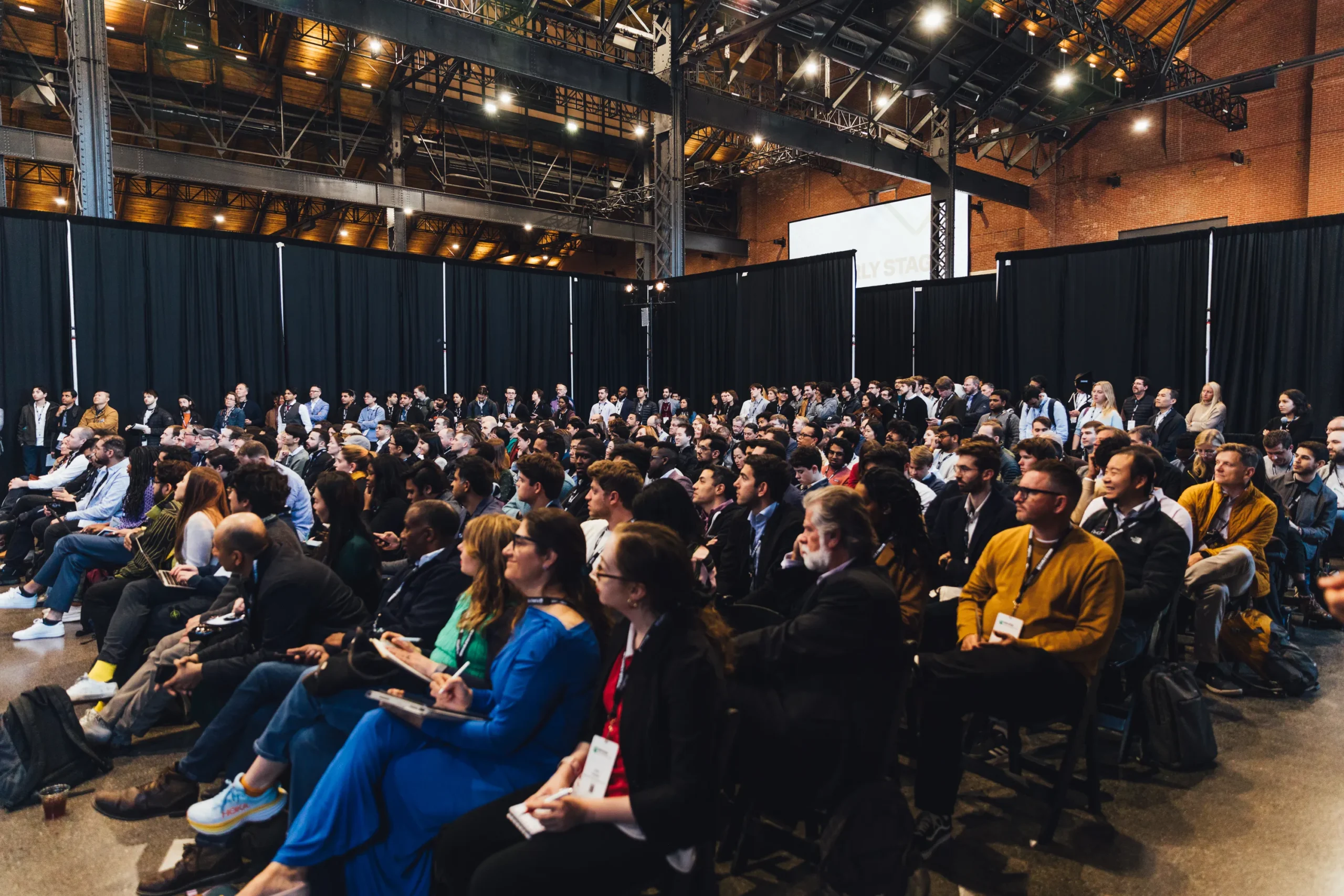
TechCrunch Disrupt 2026 officially opened its doors today at the Moscone West convention center in San Francisco, marking the commencement of a three-day summit that remains a cornerstone for the global venture capital and startup ecosystem. The event has drawn more than 10,000 founders, investors, and technologists to the heart of the Bay Area, signaling a robust resurgence in the tech sector’s appetite for large-scale, in-person collaboration. This year’s iteration features an expansive program including over 250 speakers and 300 exhibiting startups, with a thematic emphasis on the transition from generative models to agentic systems and the integration of artificial intelligence into the physical world.

The atmosphere at Moscone West reflects a pivotal moment for the industry as it navigates the complexities of scaling breakout companies in a high-interest-rate environment while simultaneously racing to capitalize on breakthroughs in energy, climate tech, and quantum computing. The halls are populated by a diverse array of participants, ranging from early-stage entrepreneurs seeking their first seed round to seasoned venture capitalists from firms such as Kleiner Perkins, General Catalyst, and Insight Partners.
A Chronological Overview of Day 1 Activities
The event began promptly at 7:30 a.m. with the opening of registration in the Level 1 lobby. Attendees were equipped with smart badges utilizing Klik technology, a contact-exchange system designed to facilitate frictionless networking. By tapping badges together, participants can instantly exchange professional details, which are then synchronized with the official Disrupt event app for post-conference follow-up. This technological integration underscores the event’s commitment to maximizing "serendipity by design," ensuring that the 10,000 attendees can efficiently navigate the high-density environment.

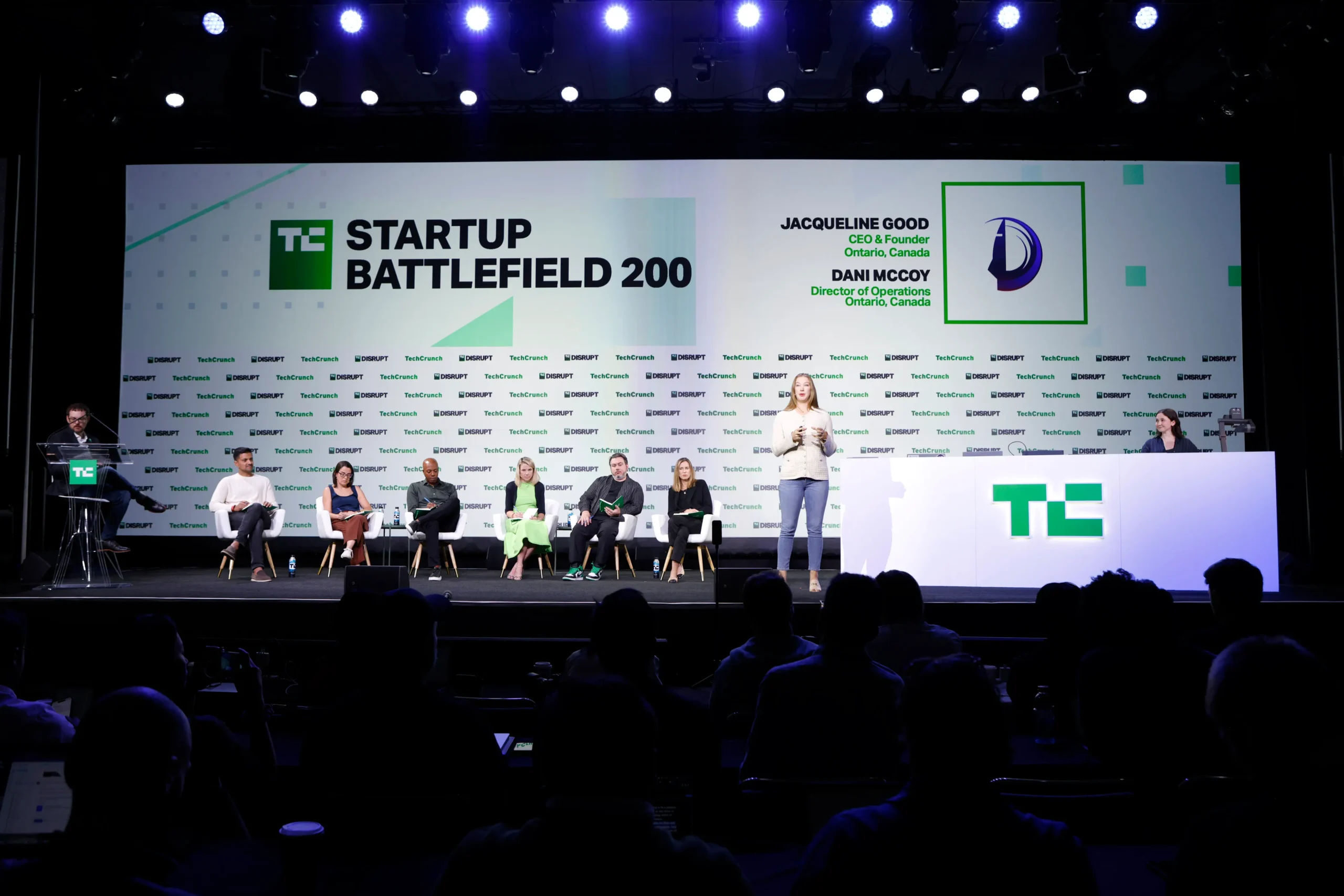
By 8:00 a.m., the Expo Hall was fully operational. The floor serves as the geographic and metaphorical center of the conference, hosting over 300 early-stage companies across various "pavilions" dedicated to specific technological verticals. Simultaneously, the Pitch Showcase Stage at the rear of the hall began its "lightning pitch" series, where startups from the Startup Battlefield 200 were given 60 seconds to present their value propositions to passing investors and peers.
Throughout the morning and afternoon, the programming was distributed across six specialized industry stages. The Disrupt Stage hosted high-level discussions on space technology and physical AI, while the Builders Stage focused on the operational mechanics of running a startup, including hiring strategies and achieving product-market fit. The Industry Stages—Smart Money and Smart Systems—delved into fintech and infrastructure, respectively. The day concluded with the commencement of numerous side events across the city, extending the networking window into the late evening.

The Evolution of Startup Battlefield and the Pitch Competition
A primary draw of the opening day was the commencement of the Startup Battlefield, often referred to as the "World Series" of startup competitions. Historically, this platform has served as a launchpad for companies that have collectively raised billions of dollars and achieved significant exits. For the 2026 competition, TechCrunch editors narrowed down thousands of global applicants to a select group of 20 finalists who are competing for a $100,000 equity-free prize and the prestigious Disrupt Cup.
The Day 1 sessions for the Battlefield were divided into critical categories: Built World, Sustainability, Space, and Physical AI. In the Built World category, startups showcased innovations aimed at decarbonizing the construction industry and implementing smart-city infrastructure. The Sustainability segment highlighted the growing maturity of the "Climate Tech 2.0" movement, with founders presenting solutions for carbon capture and circular economy logistics.

Judges for these sessions included prominent figures such as Anu Bharadwaj of Iconiq, Sara Deshpande of Maven Ventures, and Leah Solivan of Precedent.vc. The judging criteria have notably shifted this year, with a greater emphasis placed on "unit economics" and "defensibility" against incumbent AI models, reflecting a more disciplined investment climate compared to the speculative peaks of previous years.
Deep Dives into AI: From Screens to Physical Systems
The thematic core of Day 1 was undoubtedly the evolution of artificial intelligence. Multiple sessions addressed the move away from "Screen-based AI"—chatbots and image generators—toward "Physical AI" and "Agentic Systems." On the Disrupt Stage, Andrew Feldman of Cerebras Systems discussed the physical limitations of AI scaling, addressing the massive energy requirements of next-generation data centers. Max Hodak of Science Corporation further pushed the boundaries of the conversation by discussing the intersection of AI and neural interfaces, suggesting a future where human-computer interaction moves "beyond screens."

On the Builders Stage, the conversation turned to the practicalities of the "Agentic Era." Founders discussed the "OpenAI Roadmap" problem—the risk of a platform provider releasing a feature that renders a startup’s core product obsolete. Panelists including Linda Tong of Webflow and Michel Tricot of Airbyte emphasized that the value in the current market lies in providing "context" and "orchestration" rather than just basic model access.
The "When Machines Clock In" session, hosted by NYSE Wired, provided a look at the commercial reality of autonomous systems. Executives from Gatik and Dexterity AI shared data on how autonomous trucking and robotic warehouse fulfillment are moving from pilot programs to large-scale deployments. This shift is corroborated by recent venture capital data, which shows that while software-as-a-service (SaaS) funding has stabilized, "Hard Tech" and robotics investments have seen a 15% year-over-year increase in 2026.

Energy and Infrastructure: Powering the Next Industrial Revolution
As AI models grow in complexity, the infrastructure required to support them has become a primary concern for the tech industry. The Smart Systems Stage featured a series of sessions dedicated to the "Energy Problem." Jeff Lawson, the founder of Twilio, made a notable appearance to discuss his new ventures into tackling power grid inefficiencies.
The discussion on fusion energy was particularly well-attended, featuring David Kirtley of Helion and Brandon Sorbom of Commonwealth Fusion Systems. They provided updates on the timeline for bringing fusion to the commercial grid, an essential component for sustaining the long-term growth of compute-heavy industries. Supporting this, panels on "Rewiring the Grid" explored how startups like Weave Grid and VEIR are using superconducting materials and AI-driven load management to modernize aging electrical infrastructure.

Networking Ecosystems and Economic Impact
Beyond the stages, Disrupt 2026 has prioritized structured networking. The Networking Lounge, powered by Signify Business Cash, and the Deal Flow Café provided dedicated spaces for high-stakes negotiations. According to early reports from the event organizers, the "matchmaking AI" within the event app facilitated over 4,500 requested meetings on the first day alone.
The presence of international delegations, including a significant cohort from Taiwan focused on the AI hardware supply chain and an Irish delegation hosting a "Shark Tank" style event, highlights the global nature of the 2026 tech economy. The economic impact of the event extends to the local San Francisco economy, with hotel occupancy in the SOMA district reaching its highest levels of the year.

Broader Implications and Industry Sentiment
The first day of TechCrunch Disrupt 2026 suggests a shift in the tech industry’s collective psyche. There is a palpable move away from the "growth at all costs" mentality toward a "build what matters" philosophy. The heavy focus on sustainability, energy infrastructure, and physical automation indicates that the next wave of value creation is expected to occur in the "real world" rather than solely in digital environments.
Analysts observing the event noted that the quality of early-stage startups appears higher than in previous cycles, largely due to the rigorous "thinning of the herd" that occurred during the market corrections of the mid-2020s. The startups exhibiting in the Expo Hall today are characterized by more robust business models and a clearer path to profitability.

As the conference moves into its second and third days, the focus will shift toward the final rounds of the Startup Battlefield and deeper explorations into the "Inference Economy." With thousands of connections made on Day 1, the groundwork has been laid for the next generation of unicorn companies and technological breakthroughs that will likely define the remainder of the decade. For those yet to join, registration remains open, reflecting the ongoing demand for access to the insights and partnerships being forged within the walls of Moscone West.