Farhan Pambudi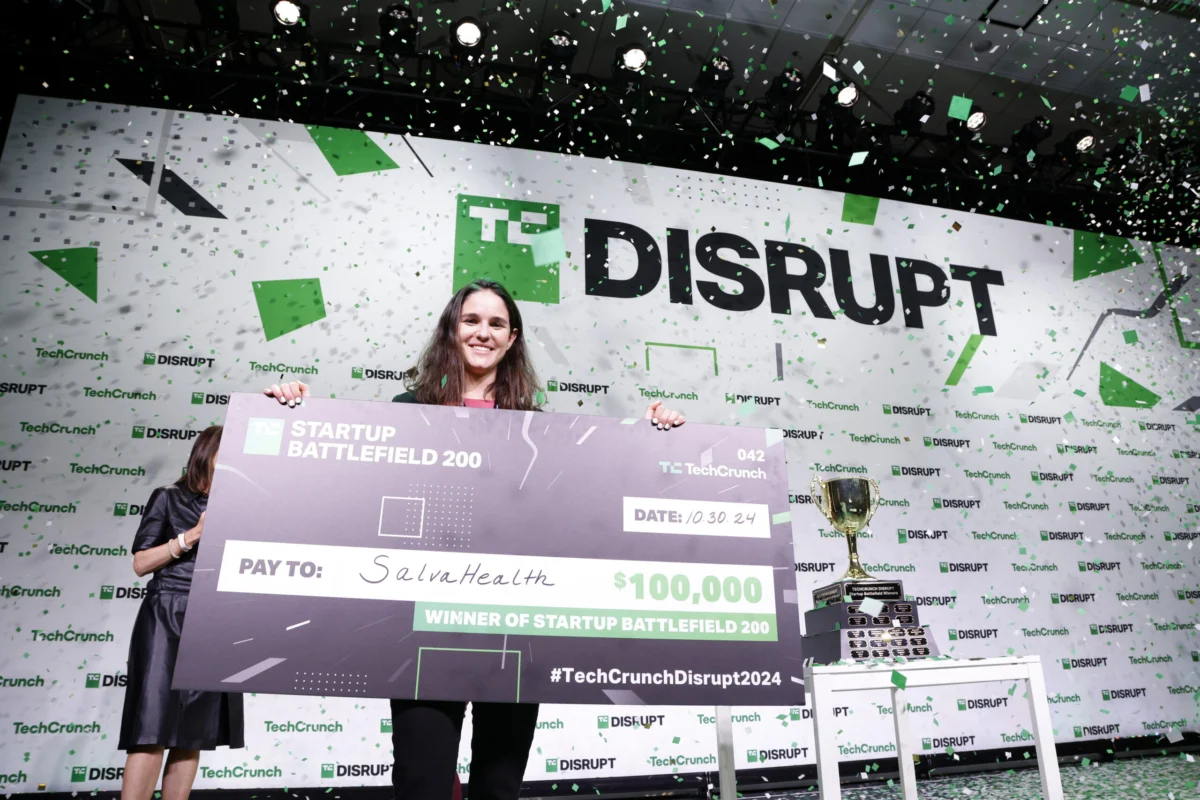
The window for early-stage entrepreneurs to secure a spot in the prestigious Startup Battlefield 200 is rapidly closing, with only three days remaining before the official application period concludes. Aspiring founders and technology innovators have until June 8, 2026, at 11:59 p.m. PT to submit their entries for a chance to compete at TechCrunch Disrupt 2026. This year’s event, scheduled to take place this October at San Francisco’s Moscone West, represents one of the most significant opportunities for nascent companies to gain international visibility, secure venture capital, and join an elite tier of alumni that has defined the modern tech landscape.
The Startup Battlefield 200 (SB200) serves as the primary gateway for the world’s most promising startups to transition from the relative obscurity of the development phase to the global stage. TechCrunch editorial teams have reported that thousands of applications have already been received from diverse sectors, including artificial intelligence, sustainable technology, fintech, and healthcare. The selection process is notoriously rigorous, designed to identify the top 200 startups from a global pool of thousands, all of which are vying for a chance to pitch their vision to the industry’s most influential stakeholders.
The Evolution and Structure of the Startup Battlefield 200
Historically, the TechCrunch Startup Battlefield was a smaller, more concentrated competition. However, in recent years, the format evolved into the Startup Battlefield 200 to provide a broader range of companies with the resources necessary for scaling. Under this expanded framework, the selected 200 startups receive a comprehensive package of support that extends far beyond a simple pitch opportunity.

Selected founders are granted full access to the Disrupt event, including a dedicated exhibition space on the show floor for all three days of the conference. This exposure is critical in a crowded market where physical presence and face-to-face interaction with potential partners can often lead to "serendipitous" funding rounds or strategic pivots. Beyond the exhibition, the SB200 cohort participates in specialized workshops, masterclasses, and networking events tailored to the unique challenges of early-stage growth.
The ultimate pinnacle of the competition remains the Disrupt Stage. From the initial 200 startups, a select few are chosen to pitch live in front of a panel of expert judges—typically composed of managing directors from top-tier venture capital firms and seasoned technology executives. The winner of this final "battle" receives the coveted Disrupt Cup and $100,000 in equity-free funding, a sum that provides significant runway for a pre-seed or seed-stage company without diluting the founders’ ownership.
A Legacy of Economic Impact and Alumni Success
The significance of the Startup Battlefield is best measured by the historical performance of its alumni. Since the competition’s inception, participating companies have collectively raised more than $32 billion in venture capital. Perhaps more impressively, the program has seen over 250 successful exits, with many alumni being acquired by "Big Tech" giants such as Microsoft, Google, Salesforce, Uber, and Amazon.
The roster of former competitors reads like a "who’s who" of the digital economy. Industry leaders such as Dropbox, which revolutionized cloud storage; Discord, the dominant platform for community communication; and Fitbit, a pioneer in the wearable technology space, all utilized the Startup Battlefield as a springboard for their initial growth. Other notable alumni include Trello, Mint, and Yammer. For many of these companies, the "TechCrunch bump"—the surge in media attention and user acquisition following the event—was the catalyst that moved them from a niche product to a household name.

The 2025 winners, including Glïd and its leadership team of Kevin A. Damoa, Claire Kroft, and Ankit Malhotra, have already begun to see the dividends of their victory. Their success on the stage in San Francisco last year has served as a benchmark for the incoming 2026 class, illustrating that the competition remains a viable path for companies addressing complex industrial and social challenges.
Eligibility Requirements and Selection Criteria
TechCrunch has maintained a clear set of criteria for the 2026 cohort. The competition is specifically looking for "bold, early-stage startups" that possess a working Minimum Viable Product (MVP). The focus is on companies that demonstrate the potential for industry-wide disruption. While the majority of applicants are in the bootstrapped, pre-seed, or seed stages, the organizers have noted that certain Series A startups may be considered, particularly if they operate in capital-intensive sectors such as deep tech, biotech, or hardware manufacturing.
The review process is conducted entirely by the TechCrunch editorial team, ensuring that selection is based on merit, technical innovation, and market potential rather than existing financial backing. This "equity-free" approach is a cornerstone of the Battlefield’s philosophy, providing a level playing field where a two-person team with a transformative idea can compete directly against better-funded peers.
The 2026 Strategic Context: Fundraising in a Tightening Market
The timing of the June 8 deadline comes at a critical juncture for the global venture capital ecosystem. Analysts have noted that while there is still significant "dry powder" (unallocated capital) in the hands of VC firms, the criteria for investment have become increasingly stringent. In 2026, investors are prioritizing startups that can demonstrate clear paths to profitability, sustainable unit economics, and defensive intellectual property.

In this environment, being selected for the Startup Battlefield 200 acts as a powerful signal of quality. For an investor, the TechCrunch vetting process serves as a preliminary layer of due diligence. For a founder, it provides a rare concentrated environment where they can meet dozens of potential investors in a single week, a process that would otherwise take months of cold outreach and travel.
The shift toward San Francisco’s Moscone West for the October event also underscores the city’s enduring status as the epicenter of the global tech industry. Despite the rise of remote work and secondary tech hubs, the concentration of capital and talent in the Bay Area remains unparalleled. Disrupt 2026 is expected to draw tens of thousands of attendees, making it one of the largest gatherings of the startup community in the post-pandemic era.
Timeline and Key Milestones for Applicants
As the June 8 deadline approaches, the following chronology outlines the road to Disrupt 2026 for the successful applicants:
- Application Phase (Closing June 8): The final call for submissions. Founders must provide detailed information regarding their product, team, and market strategy.
- Review and Vetting (June–July): The TechCrunch editorial team reviews thousands of applications, narrowing the field to the top 200.
- The Announcement (Late Summer): The Startup Battlefield 200 cohort is officially announced, and the selected founders begin their onboarding process.
- Preparation and Training (August–September): Selected startups receive coaching on their pitch decks and presentations, preparing them for the high-pressure environment of the Disrupt Stage.
- The Main Event (October): The 200 startups convene at Moscone West in San Francisco. The three-day event includes exhibition, networking, and the final rounds of the pitch competition.
- Post-Event Scaling: Alumni gain access to a permanent network of past competitors and ongoing media interest from TechCrunch and other major outlets.
Broader Implications for the Technology Sector
The Startup Battlefield 200 is more than a competition; it is a barometer for the future of technology. By examining the types of companies that make the final 200, industry analysts can identify emerging trends and shifts in consumer behavior. For instance, recent years have seen a massive influx of generative AI applications and climate-tech solutions, reflecting the global focus on automation and environmental sustainability.

Furthermore, the emphasis on "equity-free" funding and merit-based selection helps to address some of the historical inequities in venture capital. By providing a platform for bootstrapped and pre-seed companies, TechCrunch allows founders from diverse backgrounds and geographical locations to access the same resources as those within traditional Silicon Valley networks.
As the clock ticks toward the June 8 cutoff, the message from the organizers is clear: this is the final opportunity for founders to change the trajectory of their companies. The competition for the Startup Battlefield 200 is fierce, but the rewards—a $100,000 prize, access to billions in potential capital, and a place in tech history—are among the highest in the entrepreneurial world. Founders are urged to complete their applications or nominate promising startups immediately to ensure they do not miss the window for Disrupt 2026.