Farhan Pambudi
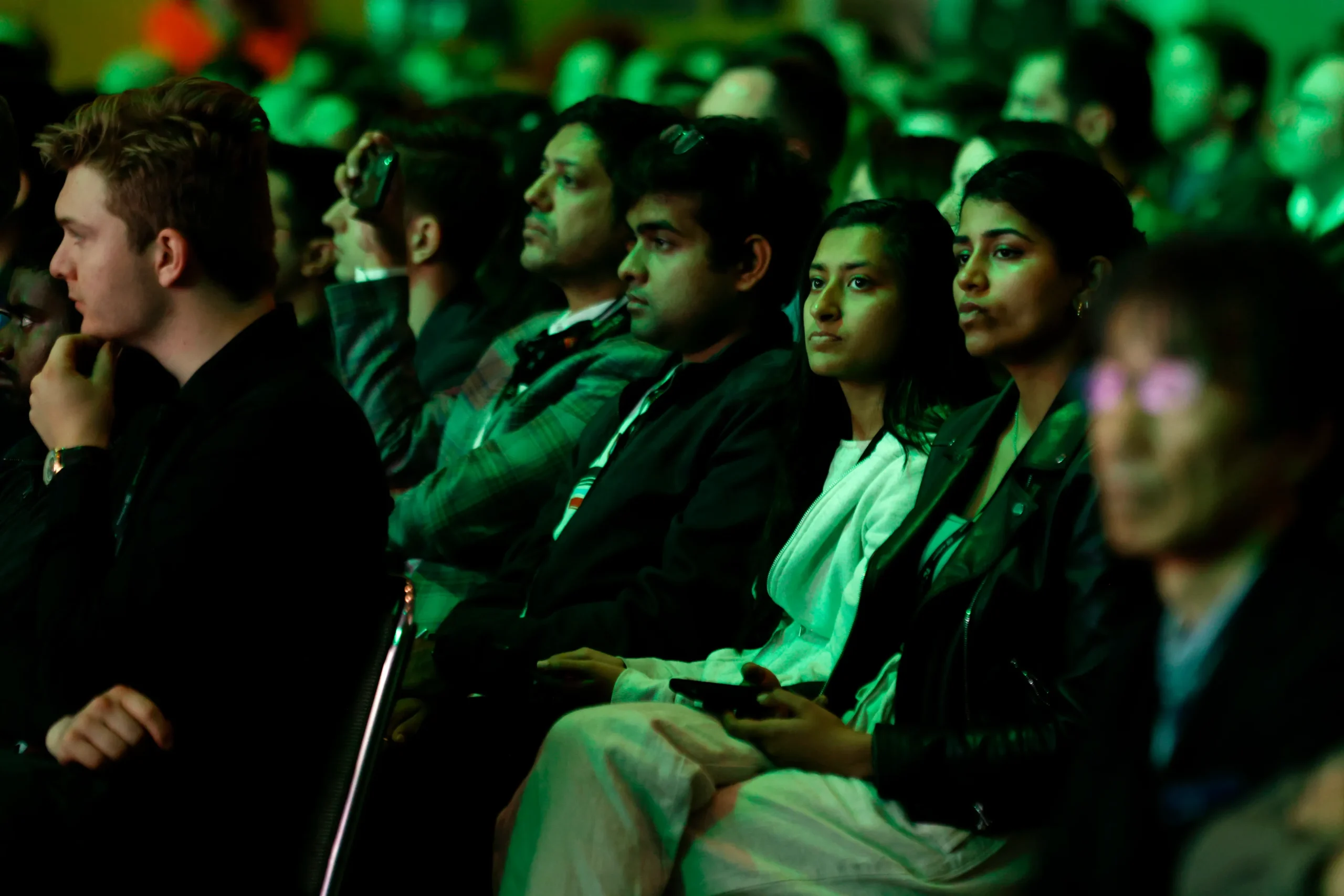
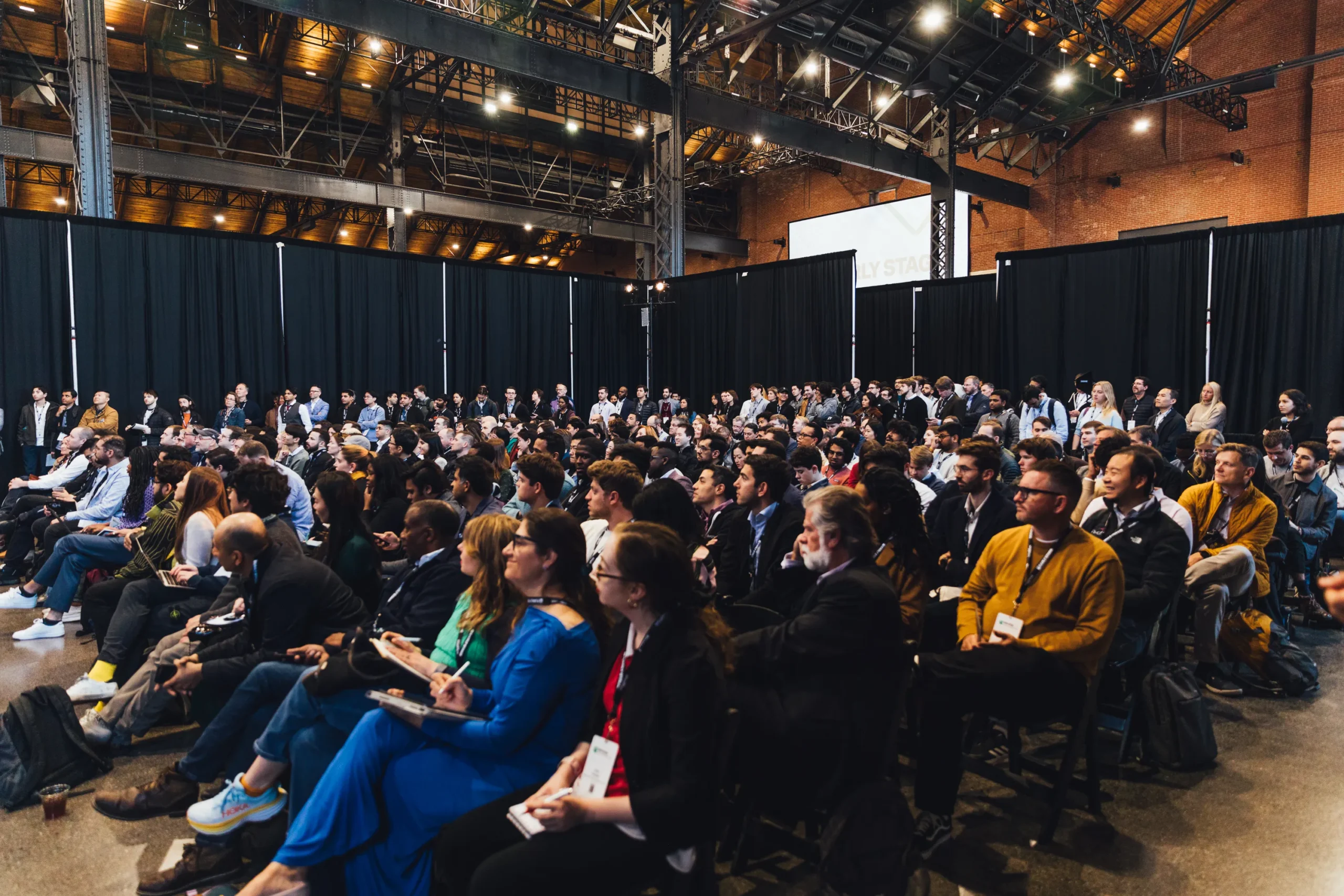
The 2026 edition of TechCrunch Disrupt, the world’s preeminent conference for early-stage startups and venture capital, officially commenced today at San Francisco’s Moscone West, drawing an estimated 10,000 attendees. The event, which has long served as a bellwether for the global technology ecosystem, opened its doors to a diverse assembly of founders, institutional investors, and industry analysts. This year’s gathering is characterized by a significant shift in focus toward "Agentic AI"—artificial intelligence capable of autonomous action—and "Physical AI," which integrates advanced computing with robotics and industrial manufacturing.

As the tech industry navigates a complex macroeconomic environment in 2026, Disrupt remains a critical nexus for capital allocation and strategic partnership. The presence of over 250 speakers and more than 300 exhibiting startups underscores the resilience of the venture ecosystem. The opening day was marked by high-intensity networking, the launch of the prestigious Startup Battlefield competition, and a series of keynote addresses that addressed the convergence of software intelligence and physical infrastructure.
The Evolution of the Startup Battlefield and the 2026 Cohort
The centerpiece of the conference, the Startup Battlefield, has returned with its "World Series of Pitching" format. This year, the competition vetted thousands of applicants from around the globe to select the "Battlefield 200," a group of top-tier early-stage companies. From this group, a refined selection of 20 finalists has been chosen to compete on the Disrupt Stage for the $100,000 equity-free prize and the coveted Disrupt Cup.

The Day 1 pitches highlighted two major categories: the "Built World" and "Sustainability." The Built World category featured startups addressing legacy challenges in real estate, construction, and urban infrastructure. Analysts noting the presentations observed a trend toward "smart cities" technology that moves beyond theoretical planning into practical, sensor-driven utility management.
Simultaneously, the Sustainability track showcased founders working on renewable energy, carbon capture, and circular economy platforms. Unlike previous years, where sustainability was often treated as a niche vertical, the 2026 presentations demonstrated that climate-tech is now deeply integrated into core industrial manufacturing and supply chain logistics. Investors at the event suggested that the shift from "pure software" sustainability to "hard-tech" solutions reflects a maturing market where planetary impact and profitability are no longer viewed as mutually exclusive.

Keynote Highlights: From Physical AI to Intelligent Systems
On the Disrupt Stage, the conversation was dominated by the practical applications of high-level intelligence. RJ Scaringe, founder and CEO of Rivian, delivered a keynote titled "Building the Impossible," which focused on the logistical and engineering hurdles of scaling hardware-heavy enterprises. Scaringe’s insights are particularly relevant in 2026, as the "Atoms vs. Bits" debate has shifted in favor of companies that can successfully bridge the gap between digital innovation and physical production.
Andrew Feldman of Cerebras Systems addressed the technical limits of AI scaling, posing the question: "Can AI Keep Scaling?" His session explored the hardware constraints of large language models and the burgeoning demand for specialized inference chips. This technical deep dive was complemented by Max Hodak of Science Corporation, who discussed the future of neural interfaces and technologies that exist "Beyond Screens."

The Builders Stage offered a more pragmatic look at the operational side of the startup journey. A notable session, "What Happens When OpenAI Ships Your Roadmap," featured leaders from Radical Ventures and Webflow. The discussion centered on a common anxiety in the 2026 tech landscape: the risk of platform risk as major AI providers expand their native capabilities. The consensus among the panelists was that proprietary data and deep vertical integration remain the most viable moats for startups in the age of generative agents.
Industry Stages: Fintech and the Agentic Economy
The 2026 conference introduced six new industry stages, reflecting the increased specialization of the tech sector. On the "Smart Money" stage, the primary theme was the "Agentic Economy." As AI agents begin to handle autonomous financial transactions, the infrastructure for money movement is undergoing a radical transformation. Leaders from Circle and TabaPay discussed how blockchain and instant-payment rails are being adapted to facilitate machine-to-machine commerce.

Another critical focus of the Fintech track was "AI, Trust & Verification." With the rise of deepfakes and automated fraud, representatives from American Express and Plaid emphasized the need for "Proof of Personhood" and advanced biometric verification. The data presented during these sessions suggests that financial institutions are now allocating up to 30% of their technology budgets specifically toward AI-driven security and compliance.
On the "Smart Systems" stage, the discussion turned to energy infrastructure. The demand for power, driven by massive AI data centers, has led to a resurgence in interest in fusion energy and grid modernization. Executives from Helion and Commonwealth Fusion Systems provided updates on their efforts to bring fusion to the commercial grid, a milestone that many industry experts believe will be necessary to sustain the current pace of AI development.

Networking Infrastructure and the "Klik" Ecosystem
TechCrunch Disrupt 2026 has implemented several technological enhancements to facilitate high-value connections among its 10,000 attendees. This year, the event utilized "Klik" technology integrated into attendee badges. These smart badges allow for the seamless exchange of contact information through physical proximity or a simple tap, with the data synced directly to the Disrupt event app.
The physical layout of Moscone West was designed to maximize these interactions. The Expo Hall, housing 300 startups, serves as the central hub, while specialized areas like the "Deal Flow Café" provide quiet environments for founders and investors to conduct private negotiations. Historical data from TechCrunch suggests that approximately 40% of early-stage funding rounds initiated at Disrupt are the result of these spontaneous or semi-structured meetings.

Beyond the walls of Moscone West, the "Side Event" culture has taken over the broader San Francisco area. Tonight, several high-profile gatherings are scheduled, including "The Irish Shark Tank" hosted by Enterprise Ireland and various networking nights for international delegations from South Korea, Taiwan, and Europe. These events reflect the global nature of the 2026 startup ecosystem, where cross-border collaboration is becoming the standard for scaling companies.
Analysis: The State of Tech in 2026
The opening day of Disrupt 2026 provides a clear snapshot of an industry in transition. The "SaaS-only" era of the 2010s has given way to a more complex landscape where hardware, energy, and autonomous intelligence are the primary drivers of value. The heavy emphasis on "Physical AI" indicates that the next wave of unicorns will likely be found in robotics, autonomous logistics, and advanced manufacturing.

Furthermore, the focus on "Agentic AI" suggests that the industry is moving past the novelty of generative text and images. The startups receiving the most attention on Day 1 are those building "agents" that can execute tasks, manage workflows, and interact with the physical world without constant human intervention.
Institutional investors present at the event noted that while the "hype cycle" for AI remains high, there is a newfound rigor in due diligence. Founders are being asked not just how they use AI, but how they manage the energy costs, data privacy, and ethical implications of their systems. The presence of major players like the New York Stock Exchange (NYSE) and Google Cloud on the Builders Stage underscores that even at the earliest stages, startups are now expected to have a clear path toward enterprise-grade reliability and public market readiness.

Chronology of the Remaining Event
TechCrunch Disrupt 2026 will continue through October 15. The following two days will see the conclusion of the Startup Battlefield, where the top 20 will be narrowed down to a single winner. Upcoming sessions will delve deeper into "Space Tech," "Quantum Computing," and the evolving regulatory landscape for AI in the United States and the European Union.
As Day 1 concludes, the energy in San Francisco remains high. For many in the tech community, Disrupt is more than just a conference; it is a vital check-up on the health of global innovation. With 10,000 participants and hundreds of millions of dollars in potential deal flow on the line, the stakes for the remaining sessions are significant.

The event remains open for registration through its final day, reflecting the organizers’ desire to maintain an inclusive environment for the next generation of entrepreneurs. As the sun sets over Moscone West, the focus shifts to the dozens of side events across the city, where the conversations started on the Disrupt stages will continue into the night, potentially forming the foundations of the next decade’s most influential technology companies.