Farhan Pambudi
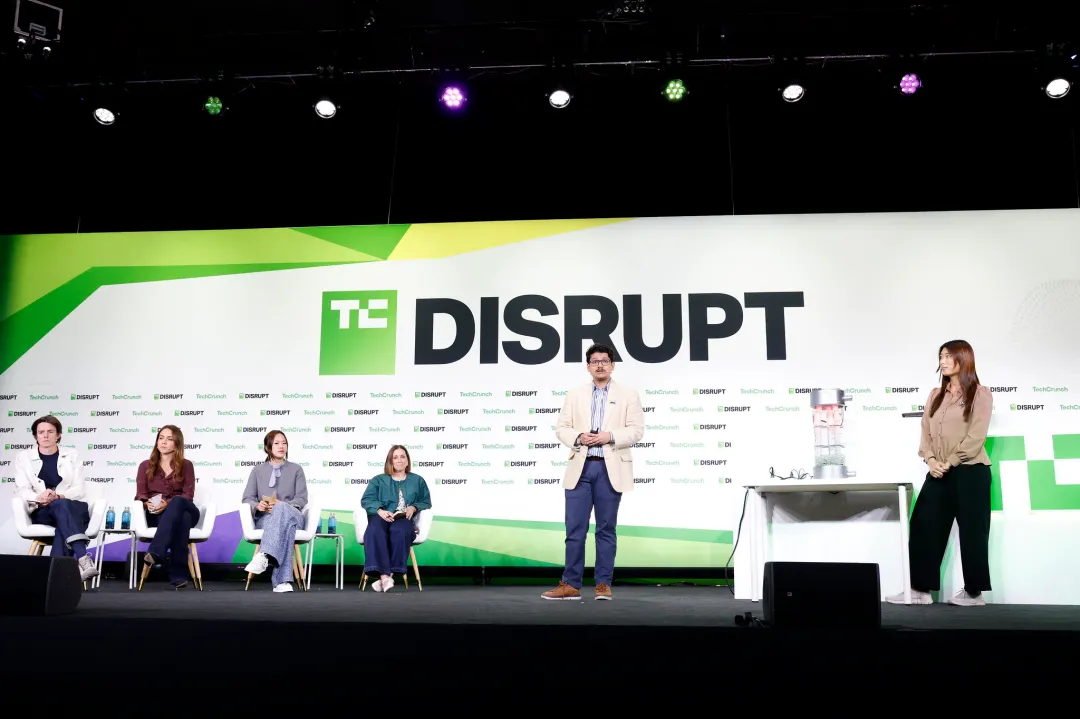
The 2026 edition of TechCrunch Disrupt, the premiere global stage for startup innovation and venture capital, has officially transitioned into its mid-event programming at San Francisco’s Moscone West. Following the conclusion of the event’s opening day on October 13, organizers have announced a significant tactical shift to maximize attendance for the remaining sessions on October 14 and 15. In an effort to lower the barrier to entry for founders and emerging entrepreneurs, a 50% discount has been applied to all remaining ticket categories. This move comes as the conference prepares to host a series of high-stakes discussions involving artificial intelligence pioneers, legendary venture capitalists, and high-profile figures from the intersection of entertainment and technology.
The discount applies to the full spectrum of Disrupt’s offerings, ranging from general admission to specialized founder and investor passes. By reducing costs mid-event, the organizers aim to facilitate last-minute networking opportunities that have historically served as the catalyst for significant seed-round funding and strategic partnerships within the Silicon Valley ecosystem.
A Strategic Hub for Global Innovation
TechCrunch Disrupt has long been regarded as the "Super Bowl of Startups," a reputation solidified by its role in launching companies that have gone on to redefine their respective industries. The 2026 iteration continues this tradition against the backdrop of a rapidly evolving technological landscape dominated by advancements in generative artificial intelligence and decentralized platforms. Moscone West, a venue synonymous with the historical growth of the tech sector, serves as the physical anchor for an event that draws thousands of international participants.
The decision to offer a 50% discount for the final two days reflects a broader industry trend toward making high-level tech summits more accessible to the "early-stage" community. For many founders, the cost of attendance is often weighed against the potential for investor visibility. By halving the ticket price, the event organizers are effectively increasing the density of the "hallway track"—the informal networking that occurs between scheduled sessions—which many attendees cite as the most valuable aspect of the conference.
High-Profile Speaker Lineup and Keynote Highlights
The schedule for October 14 and 15 features an array of speakers that bridge the gap between traditional enterprise and the cutting edge of modern software. On the main Disrupt Stage, the programming includes a diverse roster of leaders. Among the most anticipated appearances is a joint session featuring all five partners of Benchmark. This rare collective appearance by one of Silicon Valley’s most storied venture capital firms is expected to provide deep insights into the current state of the private markets and the criteria for securing Series A funding in a post-AI-hype cycle.
The entertainment industry’s increasing involvement in tech investment is represented by A-list actor and entrepreneur Mark Wahlberg. His presence underscores the growing trend of "celebrity VC" and the strategic use of personal brand equity to scale consumer-facing startups. Wahlberg is expected to discuss the intersection of fitness, wellness, and digital platforms, offering a blueprint for founders looking to leverage high-profile partnerships.
In the realm of infrastructure and software development, Amjad Masad, CEO of Replit, will address the future of collaborative coding. As AI continues to lower the barrier to software creation, Masad’s insights into the democratization of development are particularly relevant for the hundreds of early-stage engineers in attendance. Similarly, Panos Panay, Amazon’s lead for Devices and Services, is slated to discuss the hardware implications of ambient intelligence, providing a glimpse into how the world’s largest e-commerce entity plans to integrate AI into the daily lives of consumers.
The Dual AI Stages: A Deep Dive into Agentic Technology
Central to the 2026 Disrupt experience are the two flagship AI Stages, which have become the focal point of the event’s technical discourse. The most significant announcement anticipated for the second day involves Alexander Embiricos, OpenAI’s Head of Enterprise Product. Embiricos is scheduled to detail the launch and implementation of "Dots," the company’s new suite of AI agents designed to automate complex enterprise workflows.
The shift from conversational AI to "agentic" AI—systems capable of executing tasks autonomously—is the primary theme of these stages. Leaders from Anthropic, Hugging Face, and Clay will join the discussion to debate the ethics, safety, and scalability of these autonomous systems. For enterprise leaders, these sessions offer a roadmap for integrating large language models (LLMs) into legacy systems, while for developers, they provide a look at the next generation of APIs and deployment tools.

Startup Battlefield 200: The Competition Intensifies
The heart of the Disrupt experience remains the Startup Battlefield 200. This curated cohort of 200 startups represents the top tier of applicants from a global pool of thousands. These companies are currently competing for the Disrupt Cup and a $100,000 equity-free grand prize.
The competition, which takes place on the Disrupt Stage, allows founders to pitch their business models to a panel of expert judges, including top-tier VCs and industry veterans. Historically, Battlefield participants have collectively raised billions of dollars in follow-on funding. The 2026 cohort is notable for its heavy lean toward climate tech, health tech, and specialized AI applications that move beyond general-purpose chatbots. As the competition enters its final rounds over the next 48 hours, the intensity of the pitches is expected to rise, drawing significant attention from investors looking for the next "unicorn."
The Revamped Expo Hall and Side Events
Beyond the stages, the Moscone West Expo Hall has been revamped to accommodate over 320 exhibitors. This space serves as a live laboratory for product demos, where attendees can interact directly with the hardware and software being discussed in the keynotes. The hall is structured to facilitate "breakouts" and interactive roundtable sessions, allowing for more intimate Q&A opportunities with industry experts.
The impact of TechCrunch Disrupt extends beyond the walls of the convention center. A series of "Side Events" is currently taking place across San Francisco, including specialized meetups in the Hayes Valley "Cerebral Valley" district and the SoMa neighborhood. These events, ranging from breakfast mixers to late-night hackathons, create a city-wide ecosystem of innovation that reinforces San Francisco’s status as the global capital of technology.
Data and Economic Implications
The 2026 conference arrives at a pivotal moment for the tech economy. After a period of market correction in 2024 and 2025, the venture capital landscape has shown signs of stabilization, albeit with a much higher bar for profitability and sustainable growth. Data from recent quarters suggest that while deal volume has decreased, the average size of seed and Series A rounds for AI-centric startups has remained robust.
The 50% discount on Disrupt tickets is a response to the "founder-first" mentality that has permeated the industry. According to internal data from previous years, founders who attend Disrupt are 40% more likely to secure a follow-up meeting with an investor within thirty days of the event compared to those who rely solely on cold outreach. For the San Francisco economy, the event represents a significant influx of high-spending business travelers, providing a much-needed boost to the local hospitality and service sectors.
Analysis: The Value of Physical Presence in a Digital Era
The decision to continue hosting Disrupt as a massive physical gathering—and to incentivize last-minute attendance—is a strategic bet on the value of face-to-face interaction. In an era where much of the tech world operates remotely, the "serendipity of the lobby" remains a powerful force. The ability to demo a product in person or to shake hands with a potential co-founder provides a level of trust and clarity that digital platforms struggle to replicate.
Furthermore, the inclusion of decentralized social media leaders like Toni Schneider and Rose Wang from Bluesky signals a shift in the digital social order. Their presence at Disrupt highlights a growing interest in platforms that prioritize user autonomy and open protocols, a stark contrast to the walled gardens of the previous decade.
Conclusion and Final Call to Action
As TechCrunch Disrupt 2026 moves into its final two days, the focus shifts from high-level vision to practical execution. The 50% discount on all ticket types, including General Admission and Investor passes, remains available through the official registration portal. For those currently in the Bay Area or capable of making the journey to Moscone West, the remaining sessions represent a concentrated opportunity to engage with the architects of the next technological era.
With the Startup Battlefield winner yet to be crowned and the full details of OpenAI’s "Dots" yet to be explored, the most impactful moments of Disrupt 2026 are likely still to come. Founders, investors, and tech enthusiasts are encouraged to act immediately to secure their place at the center of the conversation. The event concludes on October 15, marking the end of another chapter in the ongoing narrative of global innovation.