Clara Shinta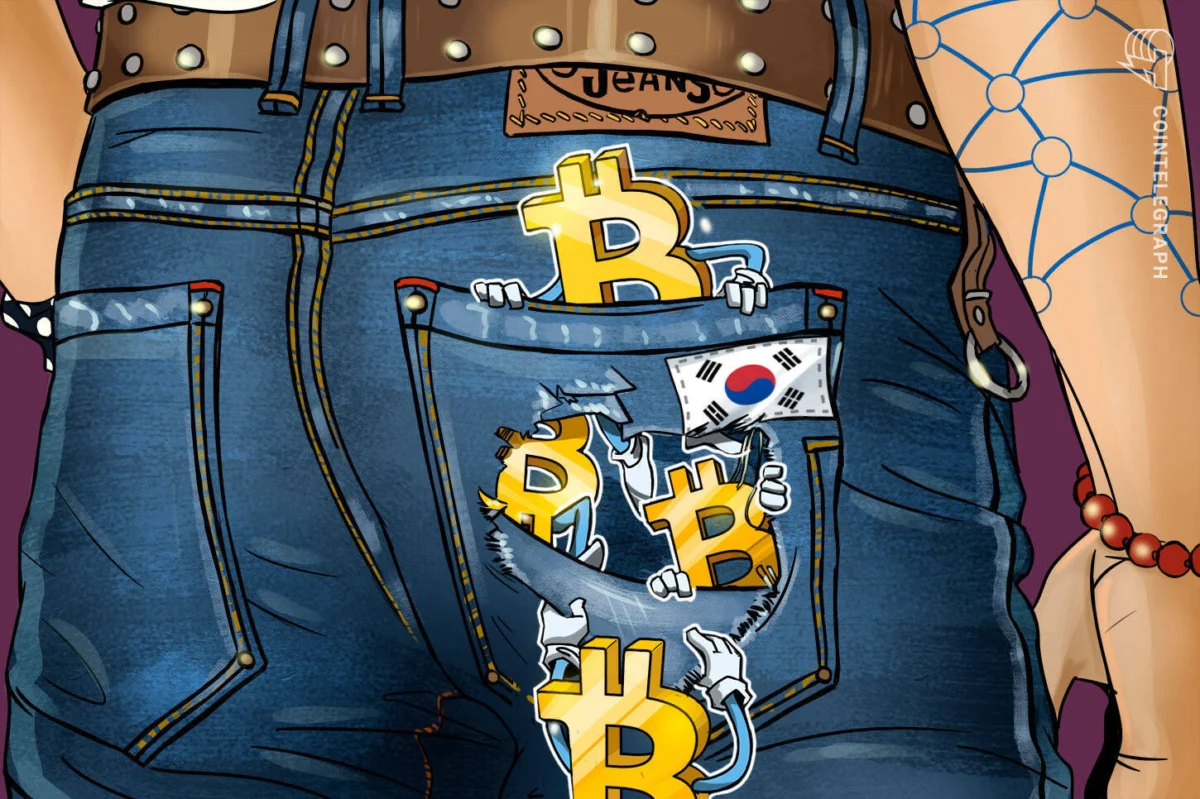
South Korea’s financial authorities have launched a significant offensive against illicit activities within its burgeoning virtual asset market, investigating more than 40 cases of unfair trading, including sophisticated market manipulation and fraudulent crypto schemes, over the past two years. This concerted effort underscores the nation’s commitment to fostering a secure and transparent digital asset ecosystem, particularly as new protective legislation takes full effect. The Financial Services Commission (FSC), the country’s principal financial regulator, has been at the forefront of this enforcement drive, signaling a new era of stringent oversight for virtual asset service providers (VASPs) and individual traders alike.
A Sweeping Enforcement Campaign Under New Legislation
Of the more than 40 cases brought under scrutiny, 30 have been formally reported or referred to investigative agencies, leading to the identification of 25 suspects since the landmark Virtual Asset User Protection Act (VAUPA) officially took effect in July 2024. These figures, shared by Financial Services Commission Chair Lee Eog-won via an X post commemorating the second anniversary of the Act’s enactment, highlight the immediate impact of the strengthened regulatory framework. Chair Lee further disclosed that the average unlawful gains derived from these illicit activities amounted to approximately 1.4 billion Korean won, equivalent to about $940,000, underscoring the significant financial incentives driving such misconduct and the substantial sums at stake for victims.
Chair Lee reflected on the journey to establish robust crypto regulations, stating, "Today marks the second anniversary of the enactment of the ‘Virtual Asset User Protection Act.’ It was a meaningful time that brought the virtual asset market, which was outside the institutional framework at the time, into the fold of the law and created an opportunity to establish a user protection system for virtual assets." This statement encapsulates the legislative intent to transition the crypto market from a largely unregulated frontier into a structured and accountable financial domain. The enforcement actions reported represent the tangible outcome of this strategic shift, demonstrating that the regulatory teeth are now firmly in place and being actively used.
The Genesis of Regulatory Action: A Market in Flux
The journey towards the VAUPA and the subsequent aggressive enforcement began against a backdrop of rapid growth and significant volatility in the global cryptocurrency market. South Korea, with its tech-savvy population and high rates of digital adoption, quickly became a global hub for cryptocurrency trading. However, this rapid expansion was not without its pitfalls. The absence of comprehensive regulatory oversight created fertile ground for various forms of misconduct, leaving individual investors vulnerable to scams, market manipulation, and operational failures of virtual asset platforms.
Key global events played a pivotal role in accelerating South Korea’s regulatory response. The spectacular collapse of the Terra-Luna ecosystem in May 2022, which saw billions of dollars in investor capital vanish, had a disproportionately large impact on South Korean investors, given the significant domestic adoption of the Terra stablecoin. This incident, followed by the bankruptcy of major international crypto exchange FTX later that year, exposed critical vulnerabilities in the decentralized finance (DeFi) space and highlighted the urgent need for investor protection mechanisms. These events served as a stark reminder that while innovation was welcome, it could not come at the expense of market integrity and user safety.
Prior to the VAUPA, South Korea’s approach to crypto regulation was somewhat fragmented, with authorities grappling to categorize and oversee digital assets effectively. Initial responses included outright bans on initial coin offerings (ICOs) in 2017, followed by a gradual shift towards recognizing and regulating crypto exchanges under anti-money laundering (AML) laws. However, these measures were largely insufficient to address the unique challenges posed by market manipulation, insider trading, and the commingling of customer funds, which continued to plague the industry. The VAUPA, therefore, emerged as a comprehensive legislative answer to these systemic issues, aiming to provide a clear legal framework that balances innovation with robust consumer protection.
The Virtual Asset User Protection Act: A Deeper Dive
The Virtual Asset User Protection Act is a multifaceted piece of legislation specifically designed to safeguard users who engage in buying, selling, and storing crypto assets with virtual asset service providers. At its core, the Act introduces several critical provisions that fundamentally alter the operational landscape for VASPs in South Korea:
-
User Asset Segregation: One of the most significant requirements mandates VASPs to legally separate user deposits and virtual assets from their own corporate holdings. This crucial provision aims to prevent scenarios where platform bankruptcies or operational mismanagement lead to the loss of customer funds, a common issue observed in past crypto exchange failures. Under the VAUPA, client deposits must be held in regulated banks, and a substantial portion of customer virtual assets (typically 80% or more) must be stored in cold wallets (offline storage) to minimize hacking risks. This ensures that even if a VASP faces financial distress, user assets are protected from being seized by creditors or used for the VASP’s operational expenses.
-
Prohibition of Illicit Activities: The Act directly targets and explicitly prohibits various forms of market misconduct that undermine fair trading practices. These include:
- Insider Trading: Using non-public information obtained through one’s position to trade virtual assets for personal gain. This mirrors traditional financial market regulations designed to ensure a level playing field.
- Wash Trading: Engaging in trades where the buyer and seller are the same entity, creating artificial trading volume and misleading other market participants about an asset’s demand or price.
- Market Manipulation: Any action intended to deceive or defraud investors by artificially controlling or affecting the supply or demand for a virtual asset, including pump-and-dump schemes, spoofing, and spreading false information.
-
Enhanced Supervisory Authority for the FSC: The VAUPA significantly bolsters the Financial Services Commission’s powers to supervise and inspect VASPs. This includes the authority to demand information, conduct on-site inspections, and impose sanctions for non-compliance. These expanded powers are crucial for proactive monitoring and swift intervention when potential violations are detected, moving beyond a reactive enforcement model to a more preventative one.
The enactment of VAUPA in 2022 and its subsequent effective date in July 2024 mark a crucial pivot point. While investigations covering the "last two years" (roughly late 2022 to late 2024) likely included cases identified under existing general financial laws and in anticipation of the new act, the concentrated effort resulting in 30 referrals and 25 suspects since July 2024 clearly indicates the immediate and forceful application of the VAUPA’s specific provisions. This chronological distinction is vital, showing both a continuous effort and a sharpened focus post-implementation.
The Mechanics of Enforcement: From Investigation to Prosecution
The process of bringing unfair trading cases to justice in South Korea involves a multi-agency effort. The FSC, through its Financial Intelligence Unit (FIU) and dedicated virtual asset investigation teams, serves as the primary investigative body. These teams utilize advanced data analytics, AI-powered surveillance tools, and forensic techniques to identify suspicious trading patterns and activities across various virtual asset platforms. Once an investigation uncovers sufficient evidence of wrongdoing, the case is then "reported or referred" to more specialized investigative agencies, such as the Prosecutor’s Office or the National Police Agency, which possess the authority to conduct arrests, gather further evidence, and initiate criminal proceedings.
The identification of 25 suspects since July 2024 within a relatively short period speaks to the efficiency and intensity of this coordinated enforcement. These suspects likely face charges ranging from fraud and market manipulation to violations of specific provisions within the VAUPA. The average unlawful gains of nearly $1 million per case underscore the serious financial implications for victims and the importance of recovering these illicit proceeds, which can often be a complex process given the cross-border and pseudonymous nature of some cryptocurrency transactions.
Broader Impact and Implications: Shaping the Future of Crypto in South Korea
The intensified regulatory scrutiny and enforcement actions carry profound implications for the South Korean virtual asset market and its participants:
-
Enhanced Investor Confidence and Market Legitimacy: By actively cracking down on illicit activities, the FSC aims to instill greater trust among investors. A safer and more regulated environment is crucial for attracting both retail and institutional capital, moving the crypto market away from its perception as a speculative, high-risk frontier towards a more legitimate and integrated part of the broader financial system. This move is particularly important for South Korea, a nation where crypto adoption is significantly high, with estimates suggesting millions of Koreans actively participate in the market.
-
Industry Adaptation and Compliance Burden: VASPs operating in South Korea are now facing an increased compliance burden. They must invest heavily in robust internal controls, advanced surveillance systems, and dedicated compliance teams to ensure adherence to VAUPA’s stringent requirements, including asset segregation, transaction monitoring, and reporting obligations. While this presents operational challenges, it also fosters a more mature and responsible industry, weeding out bad actors and promoting sustainable growth for compliant businesses. Industry observers suggest that this will lead to consolidation, with smaller, less compliant VASPs potentially struggling to meet the new standards.
-
Technological Advancement in Regulatory Tools: Chair Lee’s statement about enhancing market surveillance and monitoring systems "based on AI" highlights a critical trend. Regulators are increasingly leveraging artificial intelligence and machine learning to analyze vast amounts of blockchain data, identify anomalies, and detect sophisticated manipulation schemes that might evade traditional surveillance methods. This technological arms race against financial criminals is expected to continue, making it harder for illicit activities to go unnoticed.
-
Influence on Global Regulatory Landscape: South Korea’s proactive and comprehensive approach to crypto regulation positions it as a significant player in shaping global standards. As one of the first major economies to implement such a detailed user protection act for virtual assets, its experiences, successes, and challenges will undoubtedly provide valuable lessons for other nations still grappling with how to effectively regulate their own digital asset markets. This could potentially lead to South Korea’s regulatory framework serving as a model or at least a significant reference point for international bodies and national governments.
-
Integration into Broader Financial Strategy: The move to bring digital assets under a new state asset management system, as referenced in related reports, signifies a deeper integration of virtual assets into South Korea’s national financial strategy. This suggests that cryptocurrencies are no longer viewed merely as speculative instruments but as a class of assets requiring systematic management and oversight, akin to traditional securities. This broader strategic shift could pave the way for institutional adoption, clearer tax frameworks, and even the exploration of central bank digital currencies (CBDCs).
Challenges and the Road Ahead
Despite the robust framework and aggressive enforcement, challenges remain. The decentralized and often cross-border nature of cryptocurrency transactions makes investigations complex, requiring international cooperation to trace funds and apprehend perpetrators residing in different jurisdictions. Furthermore, the rapid pace of technological innovation in the crypto space means regulators must continuously adapt their tools and strategies to keep up with evolving illicit methods.
Looking forward, Chair Lee’s commitment to "proactively respond to high-risk areas" indicates that the FSC will maintain a vigilant stance. This likely includes focusing on emerging DeFi protocols, non-fungible tokens (NFTs), and other novel applications of blockchain technology that could become new vectors for financial crime. The second anniversary of the VAUPA’s enactment is not just a moment for reflection on past achievements but a renewed commitment to securing the future of South Korea’s digital economy. The ongoing investigations and the swift identification of suspects serve as a clear warning that illicit actors will face increasingly severe consequences in a market now firmly within the ambit of the law.