Reynand Wu
The price of Silver (XAG/USD) experienced a nuanced trading session on Thursday, initially surging towards the $53.50 mark before relinquishing some of its early gains to settle near $52.50, reflecting a modest 0.6% increase in European trade. This immediate retraction from peak levels was primarily attributed to a partial recovery of the US Dollar (USD), which had been under considerable pressure in preceding sessions. The intricate dance between the precious metal and the greenback underscores the complex interplay of economic indicators, political developments, and investor sentiment shaping the global commodities market.
Immediate Market Dynamics: Silver’s Rally Meets Dollar Resistance
Silver’s initial ascent above $53.00 was indicative of prevailing market optimism, potentially fueled by broader risk appetite or specific factors affecting the precious metals complex. However, this upward momentum faced a significant roadblock as the US Dollar Index (DXY), a crucial gauge of the dollar’s strength against a basket of six major currencies, began to claw back some of its recent losses. At press time, the DXY was marginally down, hovering near 101.44, having successfully rebounded after retesting its monthly low of 101.10 recorded on the previous day. This dollar resurgence, even if slight, created headwinds for dollar-denominated assets like silver, making them relatively more expensive for international buyers and tempering their upward trajectory.
The sensitivity of silver to dollar movements is a well-established principle in financial markets. A stronger dollar typically exerts downward pressure on commodity prices, as it takes more local currency to purchase a dollar-denominated asset. Conversely, a weakening dollar tends to bolster commodity values. This inverse relationship was clearly demonstrated in Thursday’s trading, as the dollar’s tentative rebound immediately dampened silver’s rally, highlighting the critical role of currency fluctuations in precious metal valuations.
Underlying Bullish Outlook: The Aftermath of US Midterm Elections
Despite the immediate pullback, the overarching sentiment regarding Silver’s medium to long-term outlook appears to be leaning bullish. This optimistic perspective is largely predicated on the perceived implications of the recent United States (US) midterm elections. The outcome, specifically the victory of the Democratic Party in key contests, is widely interpreted by analysts as potentially jeopardizing the medium-term appeal of the US Dollar. A divided government, where different political parties control the executive and legislative branches, often leads to legislative gridlock and increased political uncertainty, which can erode investor confidence in the national currency.
Technically, a sustained period of US Dollar weakness would render Silver a more attractive risk-reward proposition for investors. As a yieldless asset, Silver often benefits when the opportunity cost of holding non-interest-bearing assets decreases, typically in environments of lower real interest rates or when the alternative, the dollar, is losing its allure. The political landscape following the midterms introduces a layer of fundamental uncertainty that could contribute to this scenario, drawing capital towards safe-haven assets and inflation hedges like silver.
Dollar Outlook Darkens: Political Frictions into 2027
Analysts at ING, a prominent financial institution, have articulated a bearish outlook for the US Dollar over the medium term, extending their projections into 2027. They contend that the evolving US political backdrop is poised to become an additional, significant headwind for the dollar. Their analysis suggests that if an emboldened Democratic Party takes a more assertive stance against Republican policies, particularly concerning deregulation and the expansive build-out of artificial intelligence (AI) infrastructure, the dollar could experience further weakness. This political friction could manifest in legislative stalemates, delays in policy implementation, and increased uncertainty surrounding future economic direction.
Furthermore, ING highlights the potential for a prolonged government shutdown in mid-2027 as another factor reinforcing their view of a weaker dollar. Government shutdowns, historically disruptive events, can trigger economic instability, impact credit ratings, and diminish investor confidence, all of which tend to weigh negatively on the national currency. The prospect of such political discord becoming more frequent or severe under a potentially divided government structure strengthens the case for a depreciating dollar, thereby enhancing the relative attractiveness of alternative assets such as silver. This long-term perspective suggests that beyond immediate economic data, structural political dynamics are increasingly influential in shaping currency market expectations.
Key Economic Data on the Horizon: The US Nonfarm Payrolls
Looking ahead, market participants are keenly awaiting the release of the US Nonfarm Payrolls (NFP) data for October, scheduled for Friday. This monthly labor market report is one of the most closely watched economic indicators globally, offering crucial insights into the health and trajectory of the US economy. The NFP data is particularly significant because it is a primary determinant of the Federal Reserve’s (Fed) monetary policy decisions, especially concerning interest rates.
A robust NFP report, indicating strong job creation and potentially rising wages, could signal an overheating economy and may prompt the Fed to maintain a hawkish stance, potentially leading to higher interest rates or a prolonged period of elevated rates. Conversely, a weaker-than-expected report, showing slower job growth, might suggest economic deceleration and could encourage the Fed to adopt a more dovish approach, possibly pausing or even cutting interest rates in the future. Given Silver’s status as a yieldless asset, a dovish Fed stance, which implies lower interest rates, typically supports its price by reducing the opportunity cost of holding the metal. Therefore, the NFP data’s influence on Fed interest rate expectations will be a critical factor for Silver’s performance in the immediate aftermath of its release.
Understanding Silver’s Value: Beyond Currency Fluctuations
Silver, a venerable precious metal, holds a multifaceted role in the global economy and investment landscape. Historically, it has served as a reliable store of value and a medium of exchange, a testament to its intrinsic worth and enduring appeal. While often overshadowed by Gold, Silver offers investors a compelling avenue for portfolio diversification, acts as a potential hedge against inflationary pressures, and carries significant industrial demand, distinguishing it from its yellow counterpart.
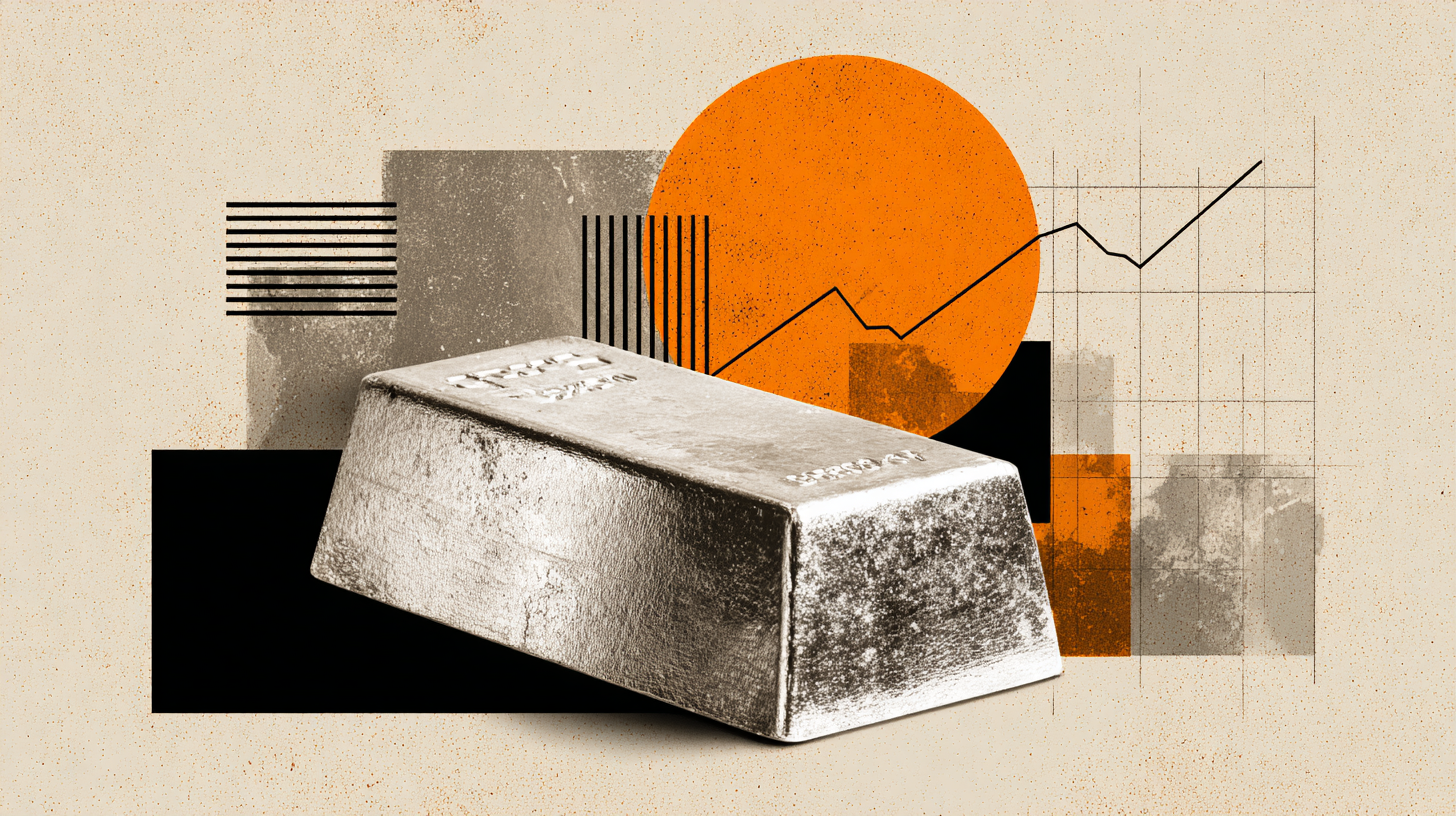
Investors can gain exposure to silver through various channels, including physical holdings in coins or bars, or via financial instruments such as Exchange Traded Funds (ETFs) that track its price on international markets. The allure of silver stems from its unique combination of monetary and industrial characteristics, making its price dynamics a complex interplay of supply, demand, economic sentiment, and geopolitical factors.
Factors Driving Silver Prices: A Comprehensive Overview
The price of silver is influenced by a broad spectrum of factors, making its market movements often volatile and unpredictable.
- Safe-Haven Status: During periods of geopolitical instability or heightened fears of a deep recession, silver, much like gold, tends to appreciate as investors seek safe-haven assets. While its safe-haven appeal is generally considered secondary to gold’s, it nonetheless benefits from risk aversion.
- Interest Rates and the US Dollar: As a non-yielding asset, silver’s attractiveness typically increases when interest rates are low or declining, as the opportunity cost of holding it diminishes. Crucially, as silver (XAG/USD) is priced in US dollars, a weaker dollar makes the metal cheaper for holders of other currencies, thereby boosting demand and price. Conversely, a strong dollar tends to suppress silver prices.
- Investment Demand: Investor sentiment and demand for physical silver or silver-backed financial products play a significant role. Market trends, speculative interest, and general economic outlooks can all influence investment flows into silver.
- Mining Supply and Recycling Rates: Unlike gold, silver is significantly more abundant, and its supply dynamics are influenced by mining output, often as a byproduct of mining other metals like copper, lead, and zinc. Recycling rates also contribute to the overall supply, with fluctuations in these areas directly impacting market availability and price.
- Industrial Demand: A distinguishing feature of silver is its extensive industrial application. It boasts the highest electrical conductivity among all metals, surpassing even copper and gold. This property makes it indispensable in numerous high-tech sectors.
Silver’s Industrial Backbone: A Pillar of Demand
Silver’s widespread industrial utility is a critical driver of its demand and, consequently, its price. Its unparalleled electrical conductivity and thermal conductivity, combined with its malleability and ductility, make it an essential component in various advanced industries:
- Electronics: Silver is extensively used in electrical contacts, conductors, and printed circuit boards in a vast array of electronic devices, from smartphones and computers to household appliances.
- Solar Energy: The burgeoning solar power industry is a major consumer of silver. Photovoltaic cells, which convert sunlight into electricity, rely on silver paste to conduct the generated current. The global push towards renewable energy sources is expected to sustain, if not accelerate, demand from this sector.
- Automotive Industry: Modern vehicles, particularly electric vehicles (EVs), incorporate increasing amounts of electronics and sensors, many of which utilize silver components. The transition to electric mobility is thus a significant demand catalyst.
- Medical and Photography: Silver’s antibacterial properties make it valuable in medical instruments and certain wound dressings. Although its use in traditional photography has declined with the advent of digital imaging, it still finds niche applications.
The economic health of major industrial powerhouses, particularly the US and China, significantly impacts silver demand. Their vast manufacturing sectors consume substantial quantities of silver. Furthermore, consumer demand for silver jewelry and silverware in countries like India also plays a key role in global price setting, demonstrating the cultural and traditional importance of the metal beyond its industrial uses.
The Gold/Silver Ratio: A Valuation Compass
The relationship between gold and silver prices is often analyzed through the Gold/Silver ratio, which measures how many ounces of silver are needed to equal the value of one ounce of gold. This ratio serves as a valuable indicator for investors seeking to understand the relative valuation of these two precious metals.
- High Ratio: A high Gold/Silver ratio might suggest that silver is undervalued relative to gold, or conversely, that gold is overvalued. This can prompt investors to consider buying silver with the expectation that its price will eventually catch up to gold, thus narrowing the ratio.
- Low Ratio: Conversely, a low ratio could indicate that gold is undervalued compared to silver, potentially signaling an opportunity to invest in gold.
Historically, both metals tend to move in tandem due to their shared status as safe-haven assets and sensitivity to similar macroeconomic factors. However, silver’s dual role as an industrial metal means it can also be more volatile and reactive to changes in industrial demand and economic growth cycles, leading to fluctuations in the ratio. Monitoring this ratio provides investors with a tool to identify potential arbitrage opportunities or rebalancing strategies within their precious metals portfolios.
Technical Analysis: Navigating the Near-Term Bias
From a technical perspective, the XAG/USD pair, currently trading around $52.66, exhibits a bearish near-term bias on the daily chart. This bias is underscored by the fact that spot prices remain firmly below the 20-day exponential moving average (EMA), which stands at $54.66. The 20-day EMA is a widely watched short-term trend indicator, and sustained trading below it typically signals underlying selling pressure and a continuation of a downtrend. The inability of silver to hold onto its early gains and its subsequent slide away from recent highs reinforces its positioning beneath this dynamic resistance level.
The Relative Strength Index (RSI), a momentum oscillator, is currently registered at 39.85. While this reading is in bearish territory (below 50), it is notably off oversold extremes (typically below 30). This suggests that while downside momentum is weak, it may be stabilizing rather than indicating an imminent reversal. It implies that while sellers are in control, the intensity of selling pressure has somewhat abated, but without sufficient strength from buyers to initiate a significant rebound.
For bulls to alleviate immediate selling pressure and pave the way for a more sustained recovery phase, reclaiming the 20-day EMA at $54.66 is paramount. A decisive break above this level, ideally supported by increased trading volume, would signal a shift in market sentiment and potentially open the door for further upward movement. On the downside, the immediate and critical support level to watch is the November 3 low at $48.62. A breach of this level would confirm a deeper bearish trend, potentially targeting lower price territories and increasing the likelihood of further capitulation by investors.
Conclusion: A Complex Outlook for Silver
The immediate trajectory of Silver (XAG/USD) is caught between the ebb and flow of US Dollar strength and anticipation surrounding critical economic data. While the dollar’s rebound has momentarily stalled Silver’s ascent, the broader implications of the US midterm elections introduce a structural headwind for the dollar, potentially bolstering Silver’s medium to long-term appeal. The upcoming Nonfarm Payrolls report will serve as a crucial test, influencing Federal Reserve policy expectations and, by extension, the attractiveness of yieldless assets like silver.
Beyond these immediate catalysts, Silver’s inherent value as a safe-haven asset, an inflation hedge, and a vital industrial metal ensures its enduring relevance. As political frictions in the US potentially weigh on the dollar into 2027, and industrial demand for silver continues to grow in sectors like solar energy and electronics, the white metal’s fundamental outlook remains robust. Investors will need to carefully navigate the confluence of macroeconomic data, geopolitical developments, and technical indicators to position themselves effectively in this dynamic market.