Lina Wu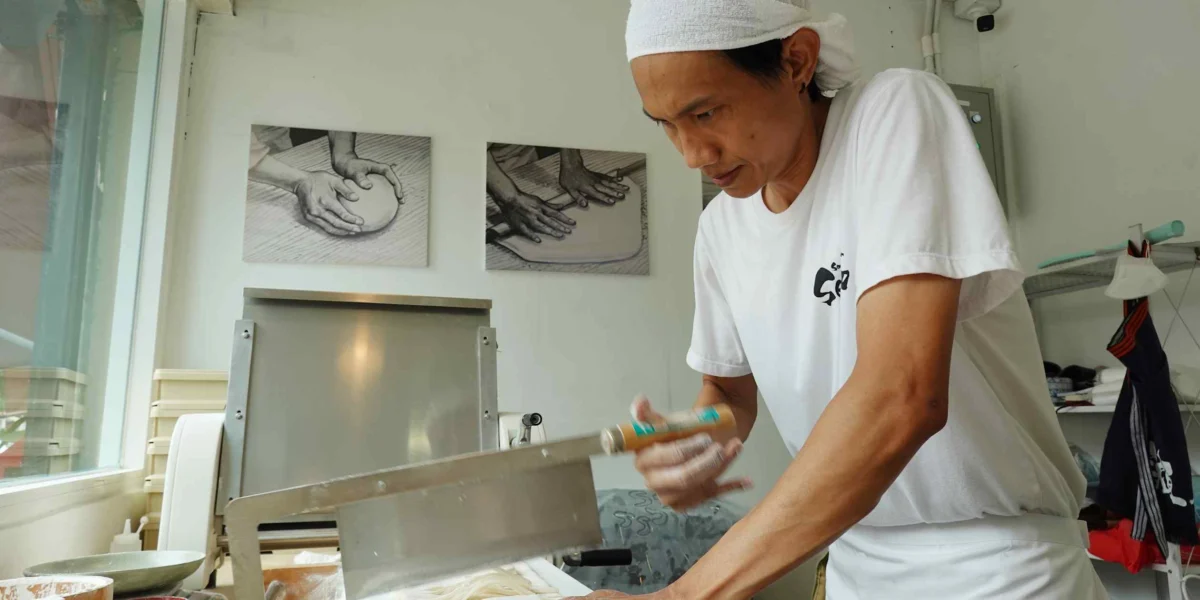
BANGKOK – The culinary landscape of Thailand, already a vibrant tapestry of global flavors, is witnessing a subtle yet significant shift with the growing popularity of Sanuki udon. While Japanese cuisine, from the meticulous artistry of sushi to the comforting embrace of ramen, has long been a staple in Bangkok and other major Thai cities, udon, particularly the distinct Sanuki style originating from Kagawa Prefecture in western Japan, is emerging from its niche status. This evolution is being driven by a confluence of factors, including dedicated restaurateurs, a discerning consumer base, and a growing appreciation for authentic regional Japanese specialties.
The rise of Sanuki udon in Thailand is more than just a culinary trend; it represents a deeper engagement with the diverse regional offerings of Japan. Historically, when Japanese food gained popularity in Thailand, the focus was often on more widely recognized dishes like sushi and tempura. Ramen, with its complex broths and diverse noodle textures, followed, capturing a significant market share. Udon, with its simpler, yet profoundly satisfying, characteristics, initially lagged behind. However, the inherent qualities of Sanuki udon – its firm, chewy texture, its delicate flavor profile derived from high-quality wheat and meticulous preparation, and its versatility in both hot broths and cold dipping sauces – are proving to be a potent combination for Thai palates accustomed to nuanced flavors and satisfying textures.
The Genesis of Sanuki Udon’s Thai Ascendancy
The journey of Sanuki udon in Thailand is not a sudden phenomenon but a gradual process rooted in the dedication of individuals and businesses seeking to introduce a specific regional Japanese experience. Pongpan Pattapan, proprietor of Seto Sanuki Udon in Phuket, exemplifies this commitment. His restaurant, as highlighted by recent coverage, serves as a testament to the authenticity and growing appeal of this particular noodle. Such establishments are crucial in bridging the gap between a lesser-known regional specialty and a broader consumer audience.
The origins of Sanuki udon can be traced back centuries in Kagawa Prefecture, historically known as Sanuki Province. The region’s favorable climate and fertile land were conducive to wheat cultivation, and the local diet evolved to incorporate these readily available ingredients. Over time, Kagawa developed a unique method of noodle-making that emphasized the texture and flavor of the wheat. This traditional approach, passed down through generations, involves a careful balance of flour, water, and salt, followed by a unique resting and kneading process that results in the signature "koshi" – the desirable firmness and chewiness. This dedication to craft is what distinguishes Sanuki udon and is now being appreciated by Thai consumers.
A Timeline of Udon’s Evolving Presence in Thailand
While precise timelines are difficult to establish for such organic culinary diffusion, the increasing visibility of udon restaurants, particularly those specializing in Sanuki style, can be observed over the past decade.
- Early 2000s: The initial wave of Japanese restaurant openings in Thailand largely focused on sushi, sashimi, and tempura. Udon was present but often as a secondary option on broader Japanese menus.
- Mid-2010s: Ramen’s explosive popularity began, leading to a surge in dedicated ramen establishments. This also raised general awareness of Japanese noodle dishes.
- Late 2010s – Present: A growing number of Japanese expatriates and tourists, familiar with regional Japanese specialties, began seeking out more authentic and specific offerings. This demand, coupled with entrepreneurial efforts by local and Japanese restaurateurs, paved the way for the introduction of dedicated Sanuki udon restaurants. Establishments like Seto Sanuki Udon in Phuket represent this later stage of development, focusing specifically on the Kagawa style.
- 2020s Onward: Sanuki udon is increasingly being recognized for its unique qualities, moving beyond its initial niche and gaining a more significant foothold in the Thai culinary scene, appealing to both Japanese expatriates and adventurous Thai diners.
Supporting Data: A Growing Market for Regional Flavors
While specific market share data for Sanuki udon in Thailand is not readily available, broader trends in the Thai food service industry provide context. The Japanese food market in Thailand has been a significant and growing sector for years. According to various industry reports, the market for Japanese restaurants in Thailand has consistently shown growth, driven by a rising middle class, increasing disposable incomes, and a strong affinity for Japanese culture.
The average spending on dining out in Thailand has also been on an upward trajectory, with consumers showing a willingness to explore diverse culinary experiences. For instance, market research often indicates that consumers are willing to pay a premium for authentic, high-quality ingredients and expertly prepared dishes. This willingness to invest in authentic regional experiences is a key enabler for the success of Sanuki udon.
Furthermore, the growth of food delivery platforms has also played a role. As more people have access to a wider variety of restaurants at their fingertips, the discovery of lesser-known but high-quality culinary options like Sanuki udon becomes more feasible. The visual appeal of well-presented udon dishes, often shared on social media, further contributes to their visibility and appeal.
Official Responses and Industry Perspectives
While there may not be official governmental responses to the rise of a specific noodle dish, industry bodies and culinary experts have noted the evolving landscape. Japanese food industry associations and trade delegations often highlight the potential for regional Japanese cuisine to gain international traction. Their efforts to promote Japanese food culture abroad implicitly support the growth of specialties like Sanuki udon.
From the perspective of restaurateurs like Pongpan Pattapan, the focus remains on authenticity and quality. The challenge lies in sourcing the right ingredients, replicating traditional preparation techniques, and educating consumers about the unique characteristics of Sanuki udon. The positive reception of establishments that prioritize these aspects suggests a receptive market.
"The key is to respect the tradition," remarked a hypothetical spokesperson for a Japanese food promotion agency, speaking generally about regional specialties. "Sanuki udon is not just about the noodles; it’s about the entire experience – the texture, the broth, the toppings, and the philosophy behind its creation. When this is conveyed effectively, consumers appreciate the depth and authenticity."
Broader Impact and Implications: A Culinary Diplomacy
The increasing presence of Sanuki udon in Thailand signifies a broader trend of international palates becoming more sophisticated and receptive to regional culinary diversity. This goes beyond mere consumption; it represents a form of cultural exchange and soft diplomacy.
- Economic Implications: The success of Sanuki udon establishments contributes to the local Thai economy through job creation, local sourcing of ingredients where possible, and increased tourism interest in regions known for their culinary heritage. For Kagawa Prefecture in Japan, it can also foster renewed interest in their signature product.
- Cultural Exchange: By introducing Sanuki udon, Thailand is not only diversifying its own food scene but also deepening its understanding and appreciation of Japanese regional culture. This can lead to greater cross-cultural understanding and exchange.
- Culinary Innovation: The adaptation of Sanuki udon to local tastes, while maintaining authenticity, can also inspire innovation within the Thai food industry. Chefs may draw inspiration from the textures and flavor profiles of udon in their own creations.
- Future Growth Potential: The current momentum suggests that Sanuki udon has significant potential for further growth. As more Thai consumers become familiar with its unique appeal, demand is likely to increase, potentially leading to more specialized restaurants and a wider variety of udon-based dishes being offered. The success in Thailand could also serve as a model for introducing Sanuki udon to other markets in Southeast Asia and beyond.
The story of Sanuki udon in Thailand is a microcosm of how globalized food trends, when coupled with genuine dedication to regional authenticity, can create vibrant new culinary narratives. It underscores the fact that in the dynamic world of food, even seemingly niche specialties can find fertile ground to flourish, enriching both the local economy and the cultural landscape. The chewy embrace of Sanuki udon, once a regional secret of western Japan, is now a welcome addition to the diverse and discerning palate of Thailand, signaling a promising future for this humble yet profound noodle.