Lina Wu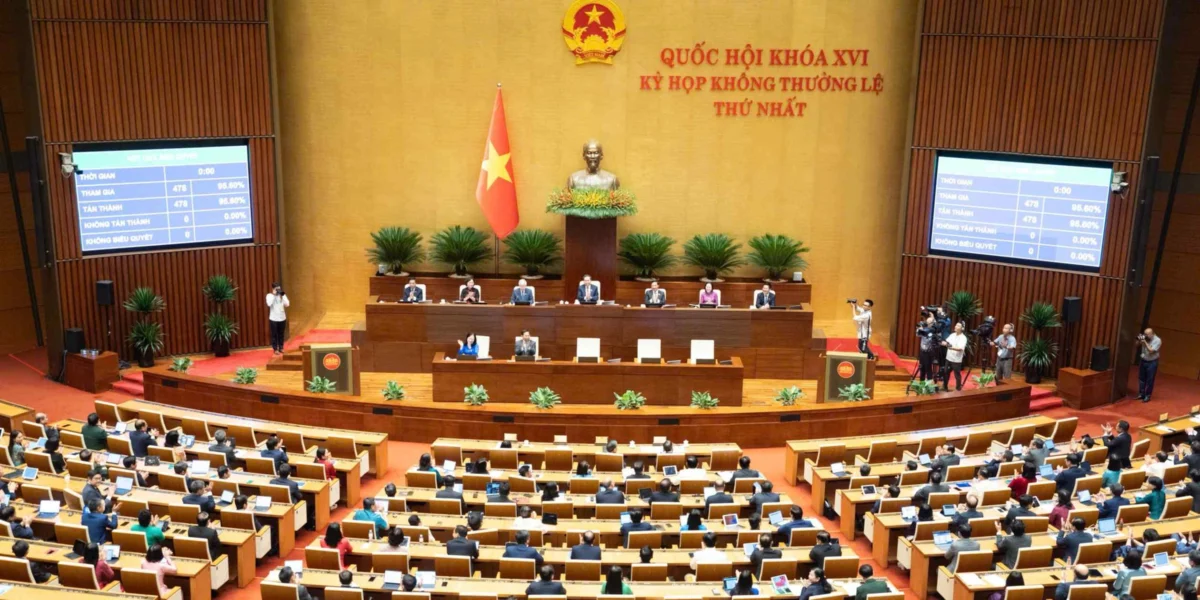
HANOI – Vietnam’s parliament has officially approved an agreement paving the way for the construction of the nation’s first nuclear power plant, a landmark decision that signals a significant revival of Hanoi’s long-standing nuclear ambitions. The agreement, ratified on August 24, 2026, greenlights the development of the 2.4-gigawatt (GW) Ninh Thuan 1 project, a move driven by the urgent need to secure a stable and robust energy supply for one of Asia’s most rapidly expanding economies. The decision comes after years of deliberation and shifts in policy, underscoring Vietnam’s commitment to diversifying its energy mix and meeting escalating power demands.
A Renewed Push for Nuclear Energy
The approval of the Ninh Thuan 1 project represents a pivotal moment for Vietnam, a country that has grappled with its energy future for over a decade. Initial plans for nuclear power were first approved in 2009, with the goal of bringing two plants online by 2020. However, these ambitious plans were shelved in 2016 due to safety concerns, rising costs, and the falling price of fossil fuels, particularly coal. The subsequent shelving of the project, which had been slated for the central province of Ninh Thuan, led to significant planning and infrastructure investment being put on hold.

The current resurgence of interest in nuclear energy is a direct response to Vietnam’s burgeoning economic growth and the subsequent surge in electricity consumption. Projections from the International Energy Agency (IEA) indicate that Vietnam’s electricity demand is expected to more than double by 2030, driven by industrial expansion, urbanization, and a growing middle class. Traditional energy sources, primarily coal and hydropower, are facing limitations. Coal, while abundant, contributes significantly to air pollution and greenhouse gas emissions, attracting increasing international scrutiny and pressure to transition away from. Hydropower resources, while substantial, are largely developed, and further expansion faces environmental and social challenges. This energy gap necessitates a reliable, low-carbon baseload power source, a role nuclear energy is well-positioned to fill.
The Ninh Thuan 1 Project: Key Details
The Ninh Thuan 1 project, to be constructed by Russia’s state-owned nuclear energy corporation, Rosatom, will feature two VVER-1200 reactors, each with a capacity of 1.2 GW. This reactor design is a modern, evolutionary pressurized water reactor developed by Rosatom, known for its enhanced safety features and efficiency. The VVER-1200 is a third-generation plus reactor, incorporating advanced passive and active safety systems designed to withstand extreme external events and prevent meltdowns.
The choice of Rosatom as the principal contractor underscores the deepening energy cooperation between Vietnam and Russia. This partnership is not merely transactional; it is built on a history of technological collaboration and Russia’s extensive experience in nuclear power plant construction and operation. Rosatom has a global track record of delivering nuclear projects, including in countries with evolving nuclear programs. The agreement includes provisions for technology transfer, training of Vietnamese personnel, and the long-term supply of nuclear fuel, as well as spent fuel management, addressing critical aspects of the nuclear fuel cycle.

The planned site for the Ninh Thuan 1 plant is in the Phuoc Dinh commune, Thuan Nam district, Ninh Thuan province. This location was previously identified for the earlier, shelved nuclear project, meaning some preliminary site assessments and infrastructure planning may already be in place, potentially streamlining the initial stages of development. The province’s coastal location also offers advantages for cooling water supply, a crucial requirement for nuclear power plant operation.
Economic and Energy Security Implications
The strategic imperative behind Vietnam’s renewed commitment to nuclear power is multifaceted. Firstly, it addresses the immediate challenge of meeting surging electricity demand. A 2.4 GW nuclear power plant would provide a significant and consistent source of baseload power, complementing intermittent renewable sources like solar and wind, and reducing reliance on volatile imported fossil fuels. This enhanced energy security is paramount for sustained economic growth and industrial development.
Secondly, nuclear energy aligns with Vietnam’s climate change mitigation goals. While the country has made commitments to reducing emissions, its current energy infrastructure is heavily reliant on fossil fuels. Nuclear power offers a low-carbon alternative that can significantly contribute to decarbonizing the power sector. The International Atomic Energy Agency (IAEA) has noted that nuclear power is a proven technology for generating large amounts of electricity with virtually no greenhouse gas emissions during operation.

Thirdly, the project is expected to stimulate economic activity. The construction phase alone will create thousands of jobs, and the long-term operation of the plant will require a skilled workforce. Furthermore, a stable and affordable energy supply is a critical factor for attracting foreign investment, which has been a cornerstone of Vietnam’s economic success. Companies are increasingly looking for jurisdictions with reliable power infrastructure and a commitment to sustainable energy solutions.
A Look at the Timeline and Key Milestones
The journey to this parliamentary approval has been a protracted one, marked by evolving national priorities and international geopolitical shifts.
- Early 2000s: Vietnam begins exploring the feasibility of nuclear power as a long-term energy solution.
- 2009: The National Assembly approves a master plan for nuclear power development, including the construction of two nuclear power plants, Ninh Thuan 1 and Ninh Thuan 2, with the aim of commencing operations by 2020.
- 2010-2015: Feasibility studies, site selection processes, and initial negotiations with potential technology providers take place. Several international vendors express interest.
- 2016: Facing mounting concerns over costs, safety, and the declining price of coal, the Vietnamese government announces the suspension of its nuclear power program. The Ninh Thuan 1 and 2 projects are officially put on hold.
- Late 2010s – Early 2020s: Vietnam’s energy landscape shifts again. Rapid economic growth intensifies demand, and the limitations of existing energy sources become more apparent. Global discussions around energy security and climate change gain further momentum.
- Mid-2020s: Vietnam re-evaluates its energy strategy, with nuclear power re-emerging as a viable option to meet future demand and decarbonization targets. Negotiations with Rosatom for the Ninh Thuan 1 project intensify.
- August 24, 2026: The Vietnamese National Assembly approves the agreement related to the Ninh Thuan 1 nuclear power project, paving the way for its construction.
Following this approval, the next critical steps will involve securing final regulatory approvals, detailed site assessments, and the commencement of the bidding process for construction contracts. The actual construction of the plant is expected to take several years, with initial operation likely to commence in the late 2030s, assuming a smooth development process.

Global Context and International Reactions
Vietnam’s decision to proceed with nuclear power places it within a global trend of renewed interest in the technology, particularly in emerging economies. Countries like India, China, and South Korea have been expanding their nuclear fleets, recognizing its role in providing clean and reliable energy. The International Atomic Energy Agency (IAEA) has been a key partner for Vietnam, providing technical assistance and guidance on nuclear safety and regulatory frameworks. It is anticipated that the IAEA will continue to play a crucial role in overseeing the development and operation of the Ninh Thuan 1 plant, ensuring adherence to international safety standards.
While the decision is primarily a national one, it is likely to be met with a range of international reactions. Environmental organizations may express concerns regarding waste disposal and safety, while energy analysts will monitor the project’s economic viability and its impact on regional energy markets. However, the overall sentiment from governments and international bodies focused on climate action and energy security is likely to be cautiously optimistic, recognizing nuclear power’s potential to contribute to decarbonization efforts.
Challenges and Considerations Ahead
Despite the significant milestone of parliamentary approval, the path forward for the Ninh Thuan 1 project is not without its challenges.

Financing: Nuclear power plants are capital-intensive projects. Securing the substantial funding required for construction will be a critical undertaking. While Rosatom is the technology provider and likely a key partner, the financing structure will need to be robust and transparent. Vietnam may seek a mix of state funding, international loans, and private investment.
Safety and Regulation: Maintaining the highest standards of nuclear safety is paramount. Vietnam will need to ensure it has a robust regulatory framework and a highly trained workforce capable of overseeing the safe construction and operation of the plant. Continuous collaboration with the IAEA and international nuclear safety bodies will be essential.
Public Perception: While the government has made the decision, public opinion on nuclear energy can be complex. Transparent communication about the project’s benefits, safety measures, and environmental considerations will be crucial to foster public acceptance and confidence.
%20DJI_0754.JPG?fit=cover&gravity=faces&dpr=2&quality=medium&source=nar-cms&format=auto&width=178&height=100)
Waste Management: The long-term management of spent nuclear fuel is a critical aspect of any nuclear program. Vietnam will need to establish a comprehensive strategy for the safe storage and eventual disposal of radioactive waste, in line with international best practices.
Supply Chain and Workforce Development: Building a nuclear power plant requires a specialized and extensive supply chain. Vietnam will need to develop its domestic industrial capacity and train a skilled workforce to support the project, from construction to long-term operation and maintenance.
The approval of the Ninh Thuan 1 nuclear power project marks a bold step for Vietnam in its quest for energy independence and sustainable development. As the nation navigates the complexities of building its first nuclear facility, the project’s success will hinge on meticulous planning, unwavering commitment to safety, and strategic international cooperation. This development signals Vietnam’s determination to secure its energy future while contributing to global efforts to combat climate change.