
 Gilang Muhammad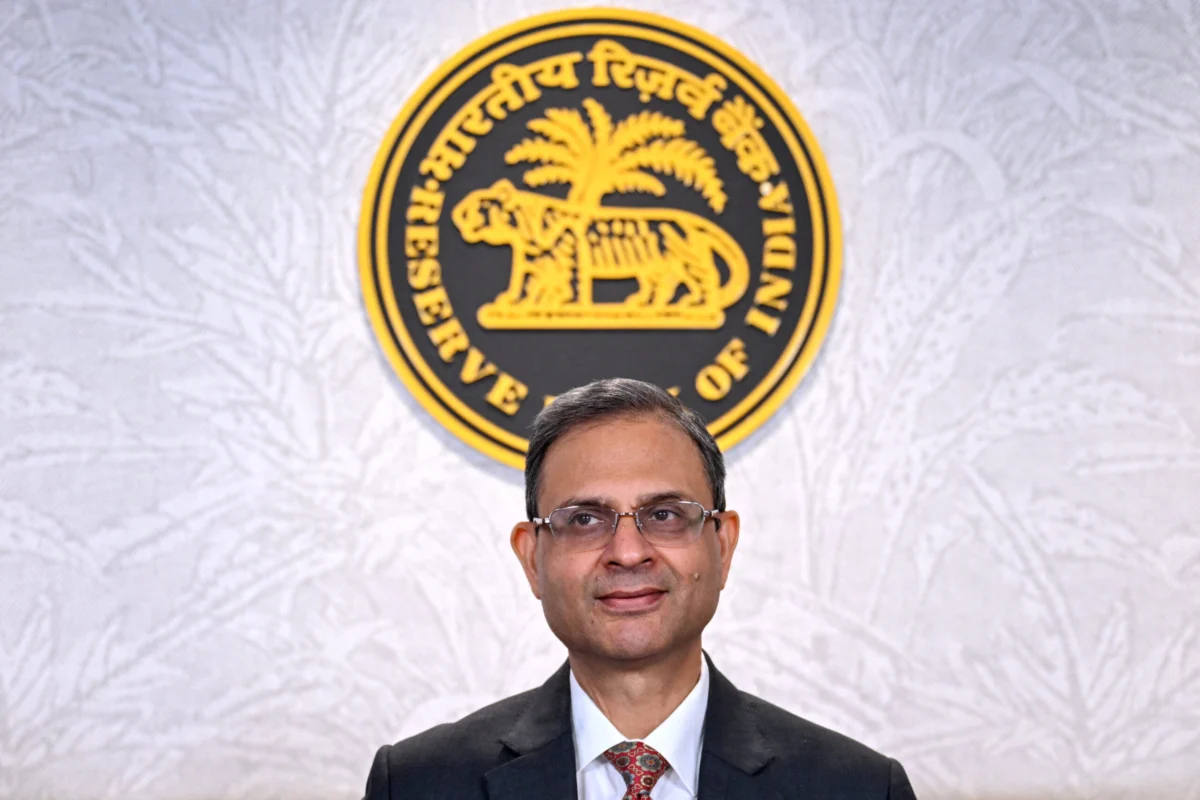
Mumbai, India – The Reserve Bank of India (RBI) on Wednesday, October 7, 2026, initiated its first interest rate increase since 2023, raising the benchmark repo rate by 25 basis points to a one-year high of 5.50%. This move aligns India with a global trend of major central banks tightening monetary policy in a concerted effort to combat persistent and accelerating inflation, which has become a formidable challenge to economic stability worldwide. The decision, announced following a rigorous monetary policy review at the RBI headquarters in Mumbai, was largely anticipated by economists polled by Reuters, underscoring the market’s expectation for decisive action.
RBI Governor Sanjay Malhotra, addressing a press conference after the review, acknowledged India’s robust economic growth despite a complex global landscape. However, he cautioned that "inflation and its outlook are not benign, as they were last year," signaling a significant shift in the central bank’s assessment of the economic environment. Consequently, the Monetary Policy Committee (MPC) unanimously decided to alter its policy stance from "accommodative" to "calibrated tightening," a clear indication of its commitment to prioritizing price stability. This strategic pivot reflects the growing urgency to anchor inflationary expectations and safeguard the purchasing power of Indian citizens, even as the nation continues its trajectory as the world’s fastest-growing major economy.
The Imperative of Calibrated Tightening: Battling Persistent Inflation
The RBI’s decision comes against a backdrop of steadily climbing retail inflation, which has defied expectations and remained elevated for ten consecutive months. In August 2026, India’s retail inflation rate reached 4.8%, surpassing the central bank’s medium-term target of 4%. This persistent upward trend, driven by a confluence of domestic and international factors, has necessitated a proactive stance from the monetary authority. The RBI’s latest projections indicate that India’s core inflation is expected to settle at 4.4% for the financial year ending March 2027, with headline inflation anticipated to be higher at 5.2%.
Governor Malhotra’s remarks underlined the seriousness of the inflation outlook, stating, "Given the current conditions, rate cuts are off the table in the near term, and policy action ahead can only be a rate hike or a pause." This assertion leaves little room for ambiguity regarding the RBI’s immediate priorities, strongly suggesting that the current tightening cycle may not be a solitary event. Leading financial institutions, including HSBC and Goldman Sachs, have already factored in the likelihood of the RBI implementing another interest rate hike as early as December, further emphasizing the market’s expectation for sustained action. HSBC, in a report issued earlier in the week, stressed the importance of a "credible" hike from India’s central bank – one that unequivocally demonstrates its capacity and resolve to raise rates again if necessary to contain inflation. The report warned that if the RBI’s initial rate hike were "perceived as dovish at a time" when inflation is rising and likely to persist, it could significantly diminish India’s appeal among global investors, potentially leading to capital outflows and currency depreciation.
Unpacking the Inflationary Pressures: A Multifaceted Challenge
Several critical factors are converging to exert upward pressure on India’s inflation, making the RBI’s task particularly challenging. These can be broadly categorized into external geopolitical shocks, domestic climatic events, and broader global supply-side disruptions.
Global Geopolitical Tensions and Energy Prices: The ongoing conflict in Iran has emerged as a significant external shock, profoundly impacting global energy markets. India, heavily reliant on crude oil imports for nearly 85% of its fuel needs, is particularly vulnerable to these supply disruptions. The Strait of Hormuz, a crucial chokepoint for global oil shipments, was a key supply route for India prior to the escalation of hostilities. The conflict has not only driven up international commodity prices but also introduced significant uncertainty into global supply chains, pushing up transportation costs and, consequently, the prices of goods across various sectors. The ripple effect of higher crude oil prices translates directly into increased domestic fuel prices, impacting manufacturing, logistics, and eventually, consumer prices.
El Niño and Food Inflation Risks: Domestically, India is grappling with the looming threat of an El Niño event this year. The World Bank has reported that India experienced its fourth-driest June-August period since 1960, a clear indicator of a deficient monsoon season. A weak monsoon directly impacts agricultural output, particularly summer crops, leading to reduced harvests and, inevitably, higher food prices. Given that food constitutes a substantial portion of the average Indian household’s expenditure, an uptick in food inflation disproportionately affects lower-income households and can fuel broader inflationary expectations. The combination of geopolitical energy shocks and domestic agricultural vulnerabilities presents a potent recipe for sustained price pressures.
Global Supply Chain Disruptions: While not explicitly detailed in the original snippet, it’s widely understood that lingering global supply chain disruptions, exacerbated by geopolitical tensions and uneven post-pandemic recovery, continue to contribute to inflationary pressures. Bottlenecks in manufacturing, shipping, and logistics translate into higher input costs for businesses, which are often passed on to consumers.
India’s Economic Resilience: A Silver Lining Amidst Clouds
Despite the formidable inflationary headwinds and global uncertainties, India’s economy has demonstrated remarkable resilience. The RBI revised India’s economic growth estimate upwards by 40 basis points to 7.1% for the financial year ending March 2027. This upward revision is attributed to robust and resilient domestic economic activity, which has managed to sustain momentum even as global conditions have deteriorated.
During the June quarter of 2026, India reported a better-than-expected economic expansion of 7.8%. This performance stands in stark contrast to many other major global economies, which have experienced a cooling in growth. For instance, the U.S. economy slowed to a 1.5% growth rate in Q2 2026, China’s growth moderated amidst internal challenges, and Japan’s GDP missed estimates due to adverse trade conditions, geopolitical uncertainties, and high energy prices. India’s ability to maintain a strong growth trajectory, driven by domestic consumption and investment, provides a crucial buffer against external shocks and offers the central bank some latitude to focus on inflation without immediately derailing growth prospects.
However, the RBI also flagged several potential impediments to future growth, including protracted geopolitical tensions, escalating trade frictions, the tightening of global financial conditions, and persistently elevated international commodity prices. These factors are expected to weigh on growth, suggesting that while current resilience is commendable, the path ahead remains fraught with challenges. The World Bank, in its report issued just a day before the RBI’s announcement, projected India’s economic growth to moderate to 7.1% in the financial year ending March 2027, down from 7.8% in the previous year. While acknowledging that the country’s economic growth "held up better than expected despite trade and geopolitical uncertainties," the report also anticipated a moderation over the next few quarters, reinforcing the RBI’s cautious outlook.
A Global Phenomenon: Central Banks Unison in Tightening
The RBI’s move is not an isolated incident but rather part of a broader, synchronized global monetary tightening cycle. Major central banks around the world have been compelled to raise interest rates to tame runaway inflation, a phenomenon driven by a combination of post-pandemic demand surges, supply chain disruptions, and the persistent impact of geopolitical events.
- U.S. Federal Reserve: Last month, the U.S. Fed raised interest rates for the first time in over three years and signaled the possibility of another hike, reacting to core inflation reaching 3.3% in June.
- Bank of Japan: In a historic shift, the Bank of Japan raised interest rates to a 31-year high, departing from its long-standing ultra-loose monetary policy, primarily in response to global energy prices pushing domestic inflation higher.
- European Central Bank (ECB): The ECB has also raised interest rates in recent months, with President Christine Lagarde acknowledging the significant impact of global energy prices and the Iran conflict on the Eurozone economy.
- Bank of Korea (BoK): Similarly, the South Korean central bank has implemented rate hikes to address domestic inflationary pressures.
This coordinated global response underscores the pervasive nature of the current inflationary environment and the unanimous recognition among central bankers that aggressive action is required to prevent inflation from becoming entrenched. The RBI’s decision, therefore, places India squarely within this global framework, demonstrating its commitment to maintaining macroeconomic stability in line with international best practices.
Market Reactions and Future Outlook
Immediately following the RBI’s announcement, financial markets displayed a mixed reaction. Yields on the benchmark 10-year government bond rose by 5 basis points to 7.243%, reflecting investors’ anticipation of higher borrowing costs and potentially further rate hikes. Bond yields typically move inversely to bond prices, and an increase indicates that the market is demanding a higher return for lending money to the government, often in expectation of future inflation or higher policy rates.
Conversely, the Nifty 50 stock index, a key barometer of India’s equity market performance, was down 0.7% after the decision. While a rate hike is generally seen as negative for equity markets in the short term due to increased borrowing costs for companies and a potential dampening of consumer demand, the market’s relatively contained reaction also suggests that the hike was largely priced in. Moreover, a credible action against inflation can be viewed positively by long-term investors seeking stability and a predictable economic environment. The immediate dip reflects short-term adjustments to higher interest rates, which can impact corporate profitability and investor sentiment.
The forward guidance from Governor Malhotra, indicating that rate cuts are "off the table" for the near term and that future policy action would entail either a hike or a pause, sets a clear direction for market participants. Analysts from HSBC and Goldman Sachs have already signaled expectations for another rate hike in December, suggesting that the current tightening cycle is likely to extend. This continued vigilance against inflation will be crucial for maintaining India’s economic stability and its attractiveness to global investors, who value central bank independence and proactive policy measures in managing economic challenges.
The RBI’s October 2026 monetary policy review marks a pivotal moment, signaling a decisive shift towards combating inflation. While India’s economic growth remains robust, the central bank’s focus has clearly pivoted to price stability, acknowledging the potent combination of global geopolitical tensions, commodity price surges, and domestic climatic risks. The "calibrated tightening" stance, coupled with the explicit warning against premature rate cuts, underscores a commitment to navigating these complex challenges with prudence and foresight, even as the nation strives to maintain its impressive growth trajectory amidst an uncertain global economic landscape. The coming months will test the efficacy of these measures and the RBI’s ability to balance its dual mandate of growth and price stability.








