Gilang Muhammad
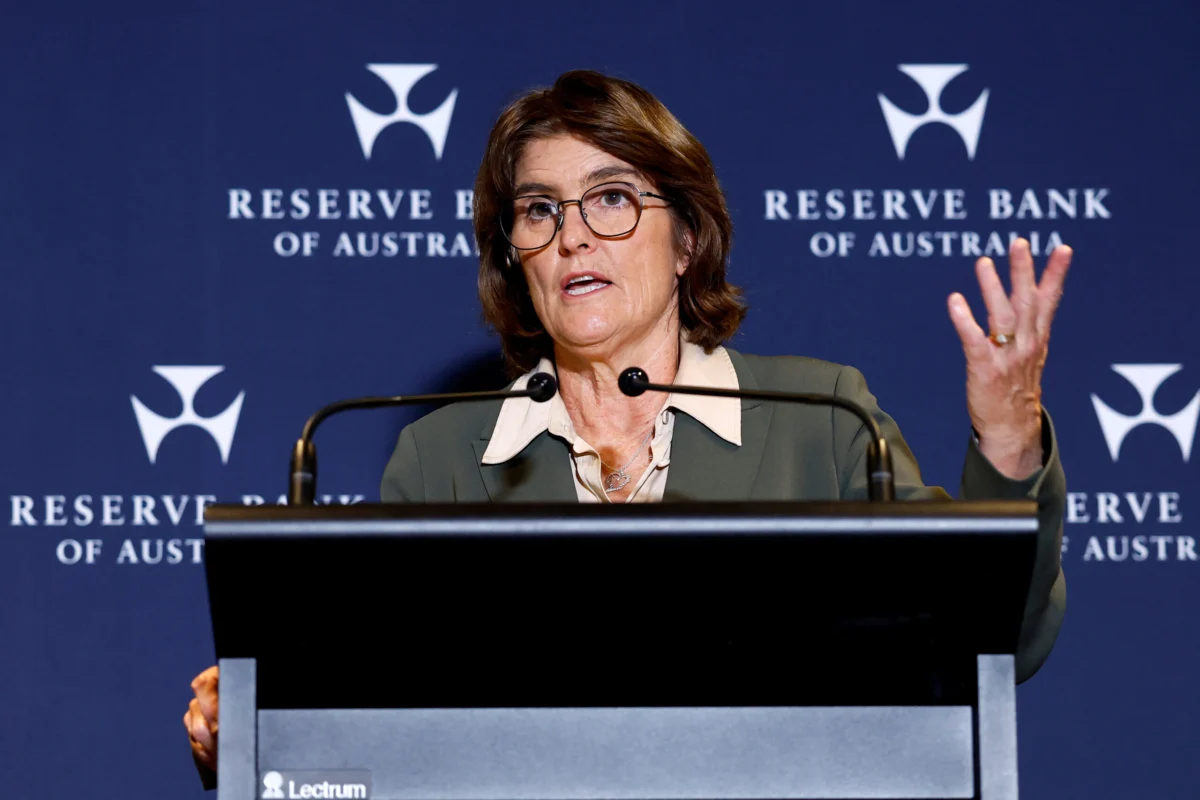
Sydney, Australia – The Reserve Bank of Australia (RBA) has once again signaled its unwavering commitment to taming persistent inflation, announcing a 25-basis point increase to its benchmark cash rate, bringing it to 4.85%. This significant move, declared on Tuesday, May 5, 2026, marks the fifth rate hike this year and the third consecutive increase, pushing borrowing costs to their highest level since November 2008, a period immediately following the tumultuous Global Financial Crisis. The decision underscores the RBA’s determination to rein in stubbornly strong price pressures, even as it cements Australia’s outlier status among major global central banks, many of which are either pausing or contemplating easing their monetary policies.
The Latest Monetary Policy Decision and Its Immediate Impact
The RBA’s Monetary Policy Board, led by Governor Michele Bullock, concluded its latest meeting with a decisive, though not unanimous, vote. The official statement from the central bank revealed a split decision, with six members opting for the rate increase and three advocating for a pause. This internal divergence highlights the complex economic landscape and the delicate balance the RBA is attempting to strike between curbing inflation and supporting economic growth. Despite the internal debate, the majority decision aligned with the expectations of economists polled by Reuters, indicating that financial markets had largely anticipated this hawkish pivot.
The new cash rate of 4.85% will inevitably translate into higher interest rates for a wide array of financial products, most notably variable-rate mortgages, business loans, and personal credit. For millions of Australian households already grappling with a cost-of-living crisis, this latest increase will further squeeze disposable incomes, adding considerable pressure to household budgets. Businesses, too, will face elevated borrowing costs, potentially impacting investment decisions and expansion plans in an already decelerating economy.
Australia’s Persistent Inflation Battle
The primary catalyst for the RBA’s aggressive stance is the nation’s stubbornly high inflation rate, which continues to defy earlier expectations for a more rapid deceleration. The Consumer Price Index (CPI) registered a significant rise of 4.3% in September, climbing from 4.0% in August. This marks the highest inflation rate since March, indicating a worrying reacceleration of price pressures after a brief period of moderation. The RBA’s updated forecasts paint a stark picture, projecting that inflation will now "remain elevated through much of 2027" and will not fall back into the central bank’s target range of 2%-3% until late 2027. This revised timeline represents a significant setback, pushing the return to target three quarters later than previously forecast.
Governor Michele Bullock has consistently articulated the central bank’s concern regarding the trajectory of inflation. In a speech following the September decision, she emphatically stated that inflation is "too high" and acknowledged the materialization of "upside risks to inflation." Her remarks, including the clear warning that "additional hikes will come if that’s what’s needed to get inflation down," foreshadowed the current tightening cycle and underscore the RBA’s resolute commitment to its mandate of price stability. This firm rhetoric aims to anchor inflation expectations, preventing a wage-price spiral and ensuring long-term economic stability.
A Deeper Look at Inflation Drivers
The RBA’s analysis points to a multifaceted set of factors contributing to Australia’s enduring inflation challenge. Global commodity prices, particularly fuel, have played a significant role. The central bank specifically cited higher fuel prices, exacerbated by geopolitical tensions suchations such as the Iran War, as a key contributor. The ripple effects of elevated energy costs permeate through supply chains, increasing transportation expenses and ultimately feeding into the prices of a wide range of goods and services. Beyond fuel, other commodity prices have also contributed to inflationary pressures, reflecting global supply-demand imbalances and ongoing geopolitical uncertainties.
Domestically, stronger-than-expected spending by Australian consumers has sustained demand-side inflationary pressures. Despite rising interest rates and cost-of-living challenges, certain segments of the economy have demonstrated resilience, preventing a more rapid cooling of demand. This sustained domestic spending, coupled with a tight labour market (which, while not explicitly detailed in the immediate RBA statement, is a common contributing factor to wage growth and service sector inflation), complicates the RBA’s task.
A more novel and notable factor highlighted by the RBA is the impact of AI-related investment. The central bank indicated that significant capital inflows into artificial intelligence technologies are driving rapid growth in prices for technology-related goods and services. This phenomenon represents a new dimension to inflationary pressures, suggesting that the current environment is not solely driven by traditional cyclical factors but also by structural shifts and technological advancements that are reshaping global economic dynamics. This specific mention signals the RBA’s forward-looking assessment of emerging economic trends and their potential inflationary consequences.
Economic Growth: A Delicate Balance
The RBA’s aggressive tightening comes at a time when Australia’s economic growth is already showing signs of moderation. Gross Domestic Product (GDP) expanded by 2.1% in the June quarter compared to a year earlier, a noticeable deceleration from the 2.5% growth recorded in the March quarter. This slowdown indicates that the cumulative effect of previous rate hikes and global headwinds is beginning to filter through the economy.
The central bank finds itself navigating a precarious path: it must cool aggregate demand sufficiently to bring inflation back to target without inadvertently tipping the economy into a recession. Governor Bullock addressed these concerns directly when questioned about the possibility of an economic downturn, stating firmly that a recession is "not our base case at the moment." This statement reflects the RBA’s optimistic assessment that a "soft landing" – a scenario where inflation is brought under control without a significant economic contraction – remains achievable, albeit challenging. However, the slowing GDP figures underscore the inherent risks in this balancing act, as higher borrowing costs and persistent cost-of-living pressures inevitably weigh on household consumption and business investment.
Australia’s "Outlier" Status in Global Monetary Policy
The RBA’s decision to continue raising rates for a third consecutive meeting places Australia in an increasingly unique position on the global stage. Many of the world’s major central banks, including the U.S. Federal Reserve and the European Central Bank, have either paused their tightening cycles or are signaling that their rate hike campaigns are nearing an end. Some, like the Bank of England, have also continued tightening, but the RBA’s current trajectory distinguishes it from many peers.
This "outlier status" can be attributed to several factors. Australia’s inflation dynamics may differ from those in other advanced economies, perhaps due to a unique blend of domestic demand strength, specific commodity price exposures, or a delayed impact from global disinflationary forces. The RBA’s mandate and its assessment of the domestic economic situation are paramount, leading to policy decisions that may diverge from global trends. While a higher cash rate typically strengthens the Australian dollar by making Australian assets more attractive to foreign investors seeking yield, the broader implications of this divergence on trade, capital flows, and international competitiveness remain subjects of ongoing scrutiny.
Implications for Households and Businesses
For Australian households, the immediate and most tangible impact of the rate hike is the further increase in mortgage repayments. With a significant proportion of mortgages on variable rates or approaching the end of fixed-rate terms, millions will face higher monthly outgoings. This reduction in discretionary income exacerbates the cost-of-living crisis, forcing households to make difficult choices about spending, saving, and managing their budgets. Consumer confidence, already fragile, is likely to be further dampened, potentially leading to a pullback in non-essential spending, which could in turn affect retail sales and broader economic activity.
Businesses, particularly small and medium-sized enterprises (SMEs) that rely heavily on debt financing, will also feel the pinch. Higher borrowing costs can constrain investment, slow expansion plans, and potentially lead to job shedding as companies grapple with reduced demand and increased operational expenses. Sectors sensitive to interest rates, such as construction and real estate, are likely to experience continued headwinds. While larger corporations with stronger balance sheets may be better equipped to absorb these costs, the cumulative effect across the economy could temper overall business sentiment and activity.
The Road Ahead: Navigating Uncertainty
Looking ahead, the RBA’s policy trajectory will remain highly data-dependent. The central bank will meticulously monitor key economic indicators, including future CPI releases, wage growth figures, employment data, and consumer and business sentiment surveys. The split vote within the Board suggests that the path forward is not predetermined, and future decisions will likely involve careful deliberation and a nuanced assessment of evolving economic conditions.
The RBA’s commitment to bringing inflation back into its target band by late 2027 underscores a long and potentially challenging period for the Australian economy. The interplay between global geopolitical events, domestic demand, and emerging factors like AI-driven price pressures will continue to shape the economic landscape. The central bank’s strategy is clear: prioritize price stability to ensure the long-term health and sustainability of the Australian economy, even if it entails short-term pain for households and businesses. The coming months will be crucial in determining whether the RBA’s aggressive stance achieves its intended outcome without pushing the economy into a more severe downturn than currently anticipated. The delicate balancing act between reining in inflation and safeguarding growth will define Australia’s economic narrative through much of 2027 and beyond.