Ena Muazin
Düsseldorf. The price of crude oil experienced a notable decline at the beginning of the week, following the cessation of a nearly two-week series of US attacks on Iran. The reference price for Brent crude, for September delivery, fell by nearly five percent on Monday morning, settling just below the $92 per barrel mark. West Texas Intermediate (WTI), the US benchmark oil, also saw a five percent decrease. This downward trend contrasts sharply with the end of the previous week, when Brent crude had breached the $100 per barrel threshold for the first time since late May.
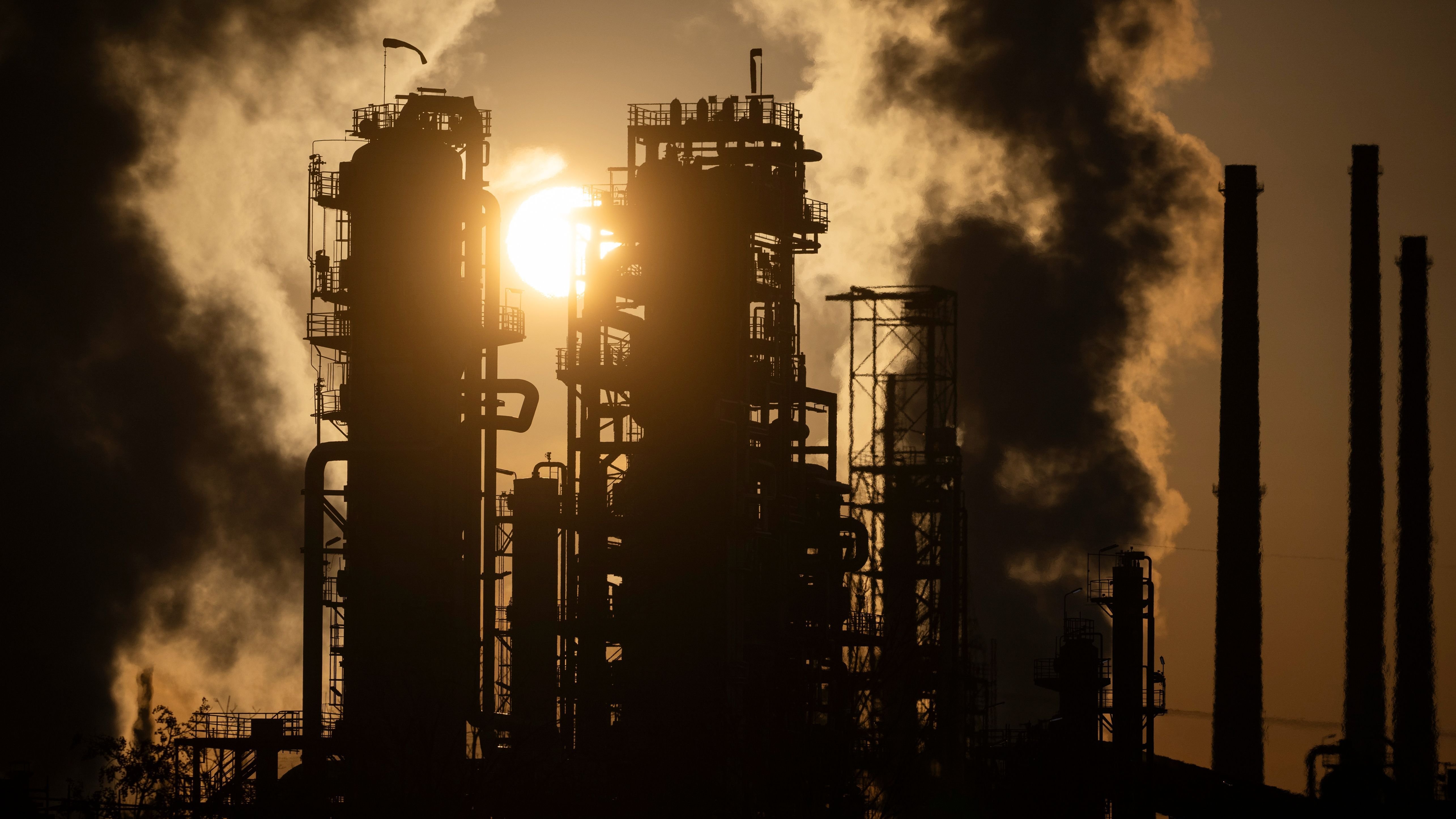
The de-escalation in the conflict between the United States and Iran, marked by the suspension of mutual attacks over the weekend, has created a more favorable environment for global energy markets. This pause in hostilities has allowed for a palpable reduction in prices for European oil and gas. The ongoing geopolitical tensions have been a significant factor influencing energy supply and demand dynamics, and any indication of diplomatic resolution or reduced conflict is swiftly reflected in market valuations.
Background: Escalation and Diplomatic Overtures
The recent escalation involved a sustained period of US military actions against Iran, which had been ongoing for thirteen consecutive nights. These actions were met with an absence of reported Iranian attacks on neighboring countries. Reports from sources, including US television network CBS, citing insiders, suggest that the US decision to suspend its attacks was prompted by the arrival of an Omani mediator in Tehran on Friday for discussions. This suggests a concerted effort to find a diplomatic off-channel to de-escalate the situation.

A crucial element in this shift appears to be the willingness of both sides to engage in dialogue. An Iranian insider, speaking to the Reuters news agency, indicated that Iran would reciprocate the pause in US attacks by suspending its own. This reciprocal de-escalation is a critical step towards stabilizing the energy markets.
US President Donald Trump, according to his Ambassador to the United Nations, Mike Waltz, has expressed a desire to "give diplomacy a chance." Waltz stated on Sunday in an interview with Fox News that Trump is "giving the conversations some room, he’s letting them have a little time." While specific details of these diplomatic efforts were not immediately disclosed, the sentiment expressed by the Ambassador signals a strategic shift towards a less confrontational approach.
Market Reaction and Data Analysis
The immediate market reaction to the news of a pause in hostilities was significant. The drop in oil prices reflects a market sentiment that the immediate threat to oil supply routes and production facilities has diminished.
Key Data Points:

- Brent Crude: Fell by nearly 5% on Monday morning, trading below $92 per barrel for September delivery.
- WTI Crude: Also experienced a 5% decrease.
- Previous High: Brent crude had surpassed $100 per barrel in late May, indicating the sensitivity of the market to geopolitical risks.
- Duration of Attacks: The US had conducted attacks for thirteen consecutive nights prior to the reported pause.
The price of oil is intrinsically linked to global supply and demand, as well as geopolitical stability. Historically, periods of increased geopolitical tension in the Middle East, a region critical for global oil production, have led to sharp increases in oil prices. Conversely, the easing of such tensions typically results in price declines. The recent price drop underscores this correlation.
The reference price for oil, like Brent crude, is a global benchmark that influences the pricing of many other crude oil grades. A sustained drop below the $100 per barrel mark is a significant development for consumers and economies worldwide, as it can lead to lower fuel costs and potentially reduce inflationary pressures.

Broader Implications and Economic Impact
The decline in oil prices has far-reaching implications for the global economy. For oil-importing nations, lower energy costs translate to reduced import bills, potentially improving trade balances and freeing up capital for other investments. Consumers often benefit from lower gasoline and heating fuel prices, which can boost disposable income and consumer spending.
However, for oil-exporting countries, a sustained drop in oil prices can lead to reduced government revenues and economic strain. This can impact national budgets, investment in infrastructure, and social programs.

The price of natural gas, which is often correlated with oil prices, also saw a noticeable decrease. This is particularly significant for Europe, which relies heavily on imported natural gas. Lower gas prices can ease the burden on industrial consumers and households, especially during periods of high demand.
The pause in US-Iran hostilities, while currently appearing to be a temporary de-escalation, could foster an environment conducive to renewed diplomatic engagement. The success of these diplomatic efforts will be crucial in determining the long-term stability of energy markets. A sustained period of reduced tensions could lead to more predictable energy pricing, benefiting global economic growth.

Future Outlook and Analysis
The current situation is fluid, and the energy markets will remain sensitive to any further developments in US-Iran relations. The effectiveness of the Omani mediation and the commitment of both nations to sustained dialogue will be key factors in shaping future price trends.
Potential factors influencing future prices include:

- Diplomatic Progress: Any tangible progress in negotiations could lead to further price stabilization or declines.
- Geopolitical Developments: Renewed escalations or new flashpoints in the region could quickly reverse current trends.
- Global Demand: The overall health of the global economy and demand for energy will continue to play a significant role.
- OPEC+ Decisions: The Organization of the Petroleum Exporting Countries and its allies (OPEC+) will continue to monitor market conditions and adjust production levels accordingly.
The current market reaction suggests that traders and investors are pricing in a reduced immediate risk to oil supply. However, the underlying geopolitical complexities in the Middle East mean that volatility could return swiftly. The coming days and weeks will be critical in assessing the sustainability of this de-escalation and its impact on global energy markets. The significant drop in oil and gas prices, while a welcome development for consumers, serves as a stark reminder of the intricate connection between international relations and the global economy.