Lina Wu
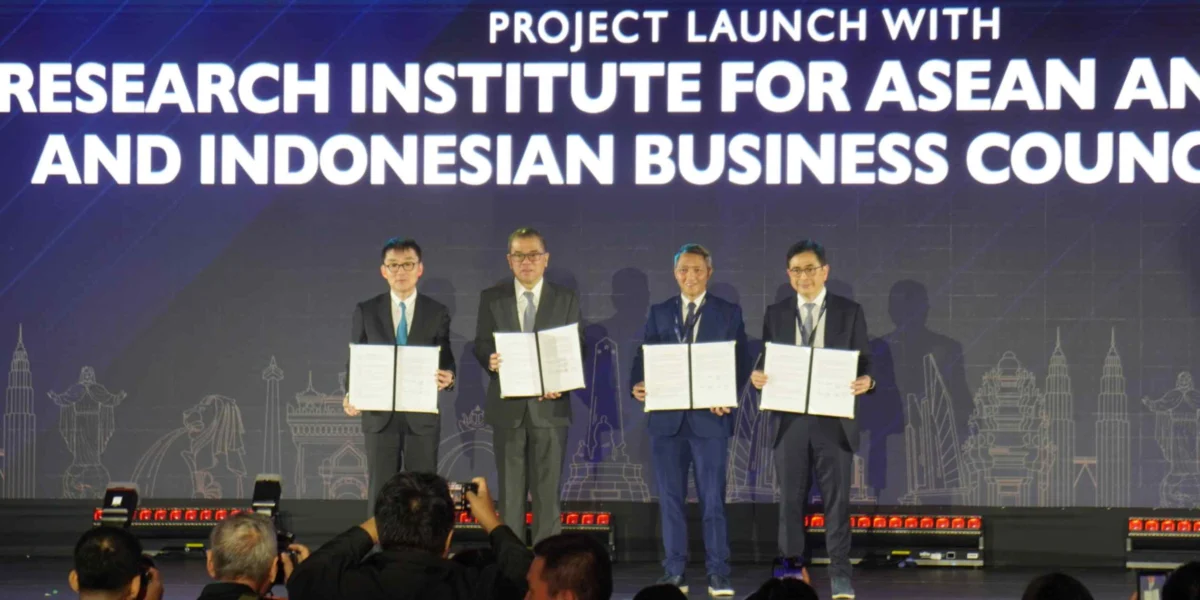
MANILA — The Philippine National Oil Company (PNOC) Exploration Corporation has taken a significant step towards bolstering the nation’s energy security by signing letters of intent (LOIs) with two prominent storage tank operators from Indonesia and Thailand. The agreements, formalized on Saturday, November 14, 2026, in Manila, pave the way for potential arrangements that would grant the Philippines emergency access to reserves of petroleum products stored in these Southeast Asian neighbors. This strategic move underscores a growing regional commitment to mutual support in times of energy crisis and aims to mitigate vulnerabilities in the Philippines’ petroleum supply chain.
The signing ceremony, held at a yet-to-be-specified venue in Manila, brought together key representatives from PNOC Exploration and the Indonesian and Thai entities. While the exact names of the Indonesian and Thai companies involved were not immediately disclosed in the initial announcement, the nature of the agreements suggests they are major players in the region’s oil and gas storage infrastructure. The LOIs represent a preliminary commitment to explore the feasibility and terms of providing emergency access, signaling a proactive approach to energy resilience.

Background: A Growing Need for Energy Security
The Philippines, an archipelago nation, has historically faced challenges in ensuring a stable and secure supply of petroleum products. Its reliance on imports makes it susceptible to global supply disruptions, geopolitical tensions, and volatile international oil prices. In recent years, the country has experienced several instances where supply chain disruptions, whether due to natural disasters, refinery issues, or logistical bottlenecks, have led to temporary shortages and price hikes.
This initiative by PNOC Exploration can be viewed as a direct response to these recurring vulnerabilities. By securing potential access to stored reserves in neighboring countries, the Philippines aims to create a crucial safety net. This would allow for a more rapid and reliable replenishment of domestic stocks during emergencies, preventing severe economic repercussions and ensuring the continued operation of essential services. The move also aligns with broader regional efforts to enhance energy cooperation and interdependence, recognizing that the stability of one nation’s energy supply can have ripple effects across the entire Southeast Asian economic landscape.
The establishment of such emergency access arrangements is not unprecedented in the global energy landscape. Many nations maintain strategic petroleum reserves (SPRs) within their own borders. However, for countries like the Philippines, with limited landmass and significant logistical complexities, forging bilateral or multilateral agreements for access to offshore or neighboring storage facilities offers a pragmatic and cost-effective alternative. This approach leverages existing infrastructure within the region, fostering a collaborative spirit that benefits all participating nations.

Timeline of Developments
The signing of these LOIs on November 14, 2026, represents a culmination of several months, if not years, of discussions and preparatory work. While specific details of the preceding negotiations are not public, it is logical to infer that PNOC Exploration, under the guidance of the Philippine government and its energy department, would have undertaken extensive due diligence. This would have included assessing the capacity and reliability of potential partner storage facilities, evaluating legal and regulatory frameworks for cross-border energy access, and conducting economic feasibility studies.
The initial engagement likely involved identifying suitable partners in countries with robust petroleum storage infrastructure and a willingness to engage in such cooperative agreements. Indonesia and Thailand are logical choices given their strategic locations within Southeast Asia and their significant roles in the regional energy market. Both nations possess substantial refining capacities and extensive port facilities, often complemented by large-scale storage terminals for crude oil and refined products.
Following preliminary discussions and expressions of interest, the process would have moved to the negotiation of the terms of the LOIs. These documents, while not legally binding in the same way as definitive agreements, typically outline the key principles and intentions of the parties. They serve as a formal commitment to proceed with further discussions, feasibility studies, and ultimately, the negotiation of definitive contracts. The signing on November 14 signifies a successful milestone in this process, indicating a strong mutual interest and a shared vision for enhanced energy security.

The next phase would involve detailed technical and commercial assessments. This could include site visits to the storage facilities, joint risk assessments, and the development of operational protocols for emergency access. The legal teams of all parties would also be working to draft comprehensive agreements that address aspects such as pricing, volume, delivery mechanisms, payment terms, and dispute resolution. The ultimate goal is to have definitive contracts in place that can be activated swiftly and efficiently when an emergency arises.
Supporting Data and Regional Context
The global petroleum storage market is a vast and complex ecosystem, with significant capacities concentrated in key strategic locations. While precise, up-to-date figures for specific terminals in Indonesia and Thailand are proprietary, these countries are known to host some of the largest oil and gas storage hubs in Asia. For instance, major industrial and refining centers in Indonesia, such as those in Java and Sumatra, are equipped with extensive tank farms. Similarly, Thailand’s coastal regions, particularly around its major ports and industrial estates, house substantial storage capacities for crude oil and refined products.
The volume of petroleum products stored in these facilities can range from tens of thousands to millions of barrels. The specific capacity that PNOC Exploration might seek access to would depend on the Philippines’ strategic needs, which are often determined by factors like the nation’s daily consumption of key products (gasoline, diesel, jet fuel, LPG), the duration of potential supply disruptions, and the capabilities of the available storage infrastructure.

Regionally, the Association of Southeast Asian Nations (ASEAN) has long recognized the importance of energy security and cooperation. While formal mechanisms for coordinated emergency oil stockpiling at a pan-ASEAN level have been slow to materialize, bilateral and plurilateral agreements are increasingly being pursued. The LOIs signed by PNOC Exploration are consistent with this trend, contributing to a more interconnected and resilient energy network within the region. Such initiatives can also complement existing international energy security frameworks, such as those coordinated by the International Energy Agency (IEA), of which some ASEAN member states are partners.
The economic implications of such agreements are significant. For the Philippines, ensuring a stable fuel supply is critical for maintaining economic activity, supporting transportation networks, and ensuring the availability of power. Disruptions can lead to increased inflation, reduced productivity, and social unrest. By securing access to reserves, the Philippines can mitigate these risks, thereby fostering greater economic stability and investor confidence.
For the Indonesian and Thai partners, these agreements can represent a new revenue stream through storage fees and potentially through the sale of petroleum products during emergency situations. Furthermore, it strengthens their position as key players in regional energy logistics and reinforces their commitment to regional stability.

Official Responses and Potential Reactions
While specific official statements from the Indonesian and Thai governments were not immediately available, the act of signing LOIs with a national oil company like PNOC Exploration suggests a level of governmental awareness and, likely, tacit approval. In many countries, such strategic energy agreements are subject to government oversight and policy directives.
From the Philippine government’s perspective, this initiative would be welcomed as a positive development for national security. Statements from the Department of Energy and the Office of the President would likely highlight the strategic importance of the agreements in enhancing the country’s resilience and reducing its vulnerability to external shocks. It would also be presented as a testament to the Philippines’ proactive diplomacy in securing its vital energy interests.
Industry stakeholders within the Philippines, including oil companies, logistics providers, and major industrial consumers, would likely view these agreements favorably. They represent a tangible step towards greater supply chain security, which can translate into more predictable operating costs and reduced risk of business interruption.

Internationally, such arrangements are generally seen as constructive steps towards regional stability. However, the specific details of any agreement – such as pricing mechanisms or the conditions under which access can be invoked – could attract scrutiny from global energy markets and international organizations. Transparency in the development of these agreements will be crucial to building confidence and avoiding misinterpretations.
Broader Impact and Implications
The signing of these LOIs by PNOC Exploration with Indonesian and Thai storage tank operators marks a pivotal moment in the Philippines’ pursuit of enhanced energy security. The immediate implication is a strengthened ability to respond to potential petroleum supply disruptions. By having pre-arranged access to reserves in neighboring countries, the Philippines can significantly reduce the lead time required to replenish its domestic stocks during emergencies, thereby minimizing the impact of shortages on its economy and populace.
This development also has broader implications for regional energy cooperation. It exemplifies a practical, market-driven approach to mutual support, moving beyond general declarations of intent to concrete operational arrangements. As more countries in Southeast Asia face similar energy security challenges, these bilateral agreements could serve as a template for further collaboration, potentially leading to a more integrated and resilient regional energy market.

Furthermore, the initiative underscores the evolving role of national oil companies in a dynamic global energy landscape. PNOC Exploration is not merely focused on exploration and production but is actively engaging in strategic partnerships to secure the nation’s energy future. This proactive approach is crucial in an era characterized by geopolitical uncertainties and the accelerating transition towards cleaner energy sources, where maintaining a stable supply of traditional fuels remains a paramount concern.
The successful negotiation of definitive agreements following these LOIs will be a critical test. The clarity of terms, the efficiency of activation protocols, and the fairness of pricing mechanisms will all be subject to close examination. However, the initial step taken by PNOC Exploration, in collaboration with its Indonesian and Thai counterparts, represents a significant stride towards a more secure and stable energy future for the Philippines and a stronger, more interconnected energy network across Southeast Asia. The successful implementation of these arrangements could pave the way for further initiatives, potentially involving other regional partners and a wider range of energy commodities.