Gilang Muhammad
BANGKOK — The Bangko Sentral ng Pilipinas (BSP), the Philippines’ central bank, is proactively charting its monetary policy course through a landscape increasingly fraught with severe climatic events and persistent global energy market volatility. Governor Eli Remolona Jr. recently revealed that the BSP is now incorporating highly adverse scenarios, including a "Godzilla" El Niño, into its policy framework, alongside the enduring threat of elevated global oil prices. This strategic recalibration underscores the nation’s intensified efforts to stabilize prices and rein in inflation, which has recently surged to three-year highs.
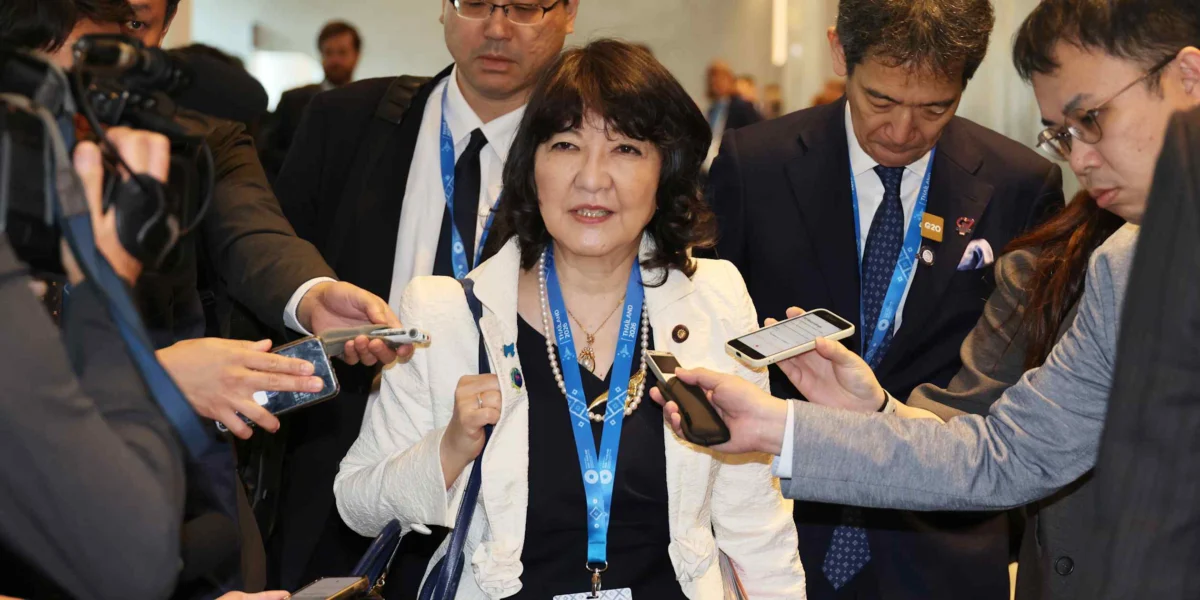
Governor Remolona, speaking on a panel at the International Monetary Fund (IMF) and World Bank annual meetings in Bangkok, articulated the gravity of the situation. "We have the regular, ordinary El Niño, which is bad, and then we have the Godzilla El Niño, which is really, really bad," he stated, highlighting the spectrum of potential climatic impacts. This stark warning reflects the central bank’s commitment to foresight and preparedness, as the archipelago nation faces a complex interplay of domestic and international pressures threatening economic stability. The full brunt of the El Niño phenomenon’s impact on domestic prices is still anticipated, with effects projected to intensify from November through February of the coming year. Maintaining price stability, Remolona emphasized, remains the BSP’s paramount objective amidst these gathering storms. "We’re holding our breath," he conceded, "but we have to be prepared for the worst."
Mounting Economic Vulnerabilities Amidst Global Headwinds
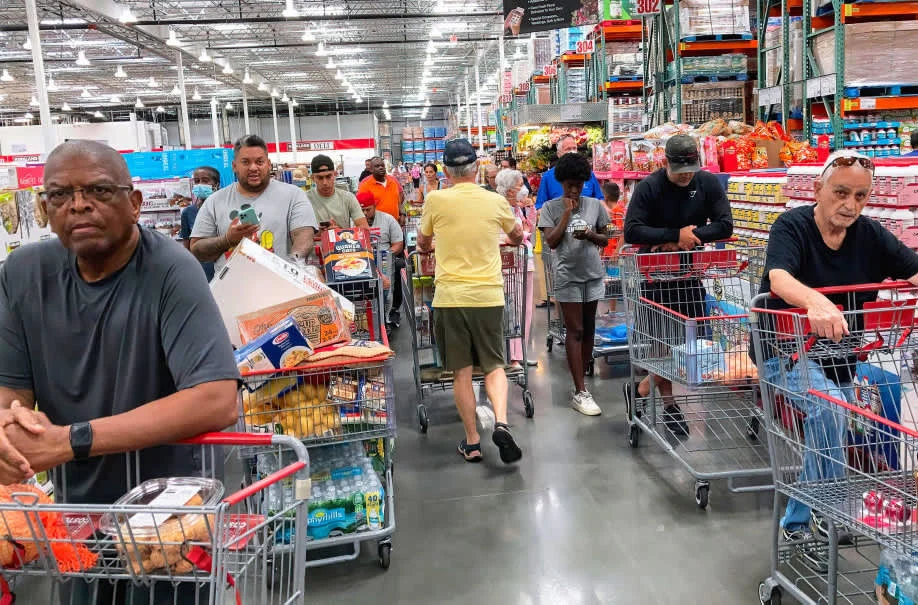
The Philippines, an economy frequently cited among Southeast Asia’s most susceptible to external shocks, is contending with a confluence of risks that challenge its growth trajectory and the purchasing power of its citizens. Inflation, a persistent concern, accelerated to 7.2% in September, up from 6.1% in August, according to the Philippine Statistics Authority (PSA). This uptick was largely driven by soaring food prices, particularly rice, a staple commodity, which saw an alarming 18% increase year-on-year. This surge in inflation not only erodes household incomes but also poses significant challenges for businesses managing production costs and consumer demand.
The nation’s vulnerability is exacerbated by its heavy reliance on imports for both food and fuel. As a net oil importer, the Philippines is directly exposed to fluctuations in global crude prices, which translate almost immediately into higher domestic transport and energy costs. The "prolonged oil shock" scenario, as described by Governor Remolona, implies sustained high prices, fueled by geopolitical tensions, production cuts by major oil-producing nations, and a gradual recovery in global demand. This creates a difficult balancing act for policymakers, as energy costs permeate almost every sector of the economy, from manufacturing and logistics to agriculture and daily household expenses.
The El Niño Threat: A Deeper Dive
El Niño, a climate pattern characterized by the unusual warming of surface waters in the eastern tropical Pacific Ocean, significantly alters global weather patterns. For the Philippines, its typical manifestations include reduced rainfall, prolonged dry spells, and, in severe cases, outright drought. Historically, El Niño events have wreaked havoc on the country’s agricultural sector, leading to crop failures, water shortages, and diminished yields for essential crops like rice, corn, and sugar.
The "Godzilla" El Niño scenario conjured by Governor Remolona refers to an event of extreme intensity, surpassing the typical impact. Such an event could lead to widespread agricultural devastation, severely straining domestic food supply. The Philippines, already the world’s largest rice importer, would face an even greater need for foreign supply, placing immense pressure on global markets already grappling with their own challenges. Agriculture Secretary Francisco Tiu Laurel has already issued warnings about the potential for a fresh drought to squeeze domestic supply, underscoring the government’s concern. Past severe El Niño episodes, such as those in 1997-1998 and 2015-2016, resulted in significant economic losses for the Philippines, primarily through agricultural damage, increased food prices, and adverse impacts on water resources and hydroelectric power generation. The current El Niño, which began to strengthen in mid-2023, has already led to concerns across Southeast Asia, with its full effects yet to be realized.
Global Rice Market Dynamics and Food Security Concerns
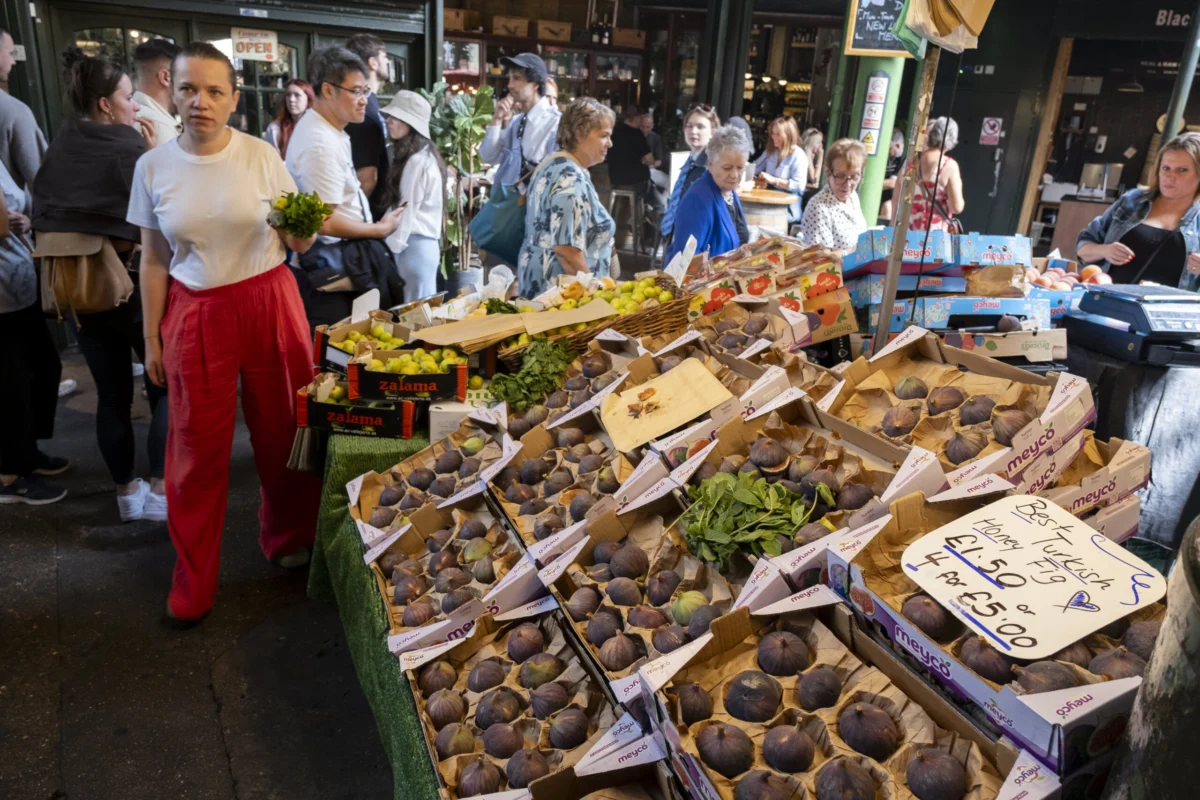
The threat of a severe El Niño in the Philippines arrives at a particularly precarious time for global food markets. The UN Food and Agriculture Organization (FAO) has reported a six-consecutive-month increase in its rice price index, reaching a 20-month high. This upward trend is not solely due to El Niño; it has been compounded by export curbs imposed by major rice-producing nations, most notably India, which implemented restrictions on non-basmati white rice exports in July. These protectionist measures, aimed at ensuring domestic food security, have sent ripples through international markets, driving up prices and creating uncertainty for importing nations.
For the Philippines, larger purchases on an already jolted global market could further inflate prices, exacerbating domestic food inflation. The government, through agencies like the National Food Authority (NFA) and the Department of Agriculture (DA), typically resorts to strategic rice imports to stabilize supply and prices during shortages. However, the current global context means that such interventions come at a higher cost, potentially impacting the national budget and ultimately the consumer. Ensuring a stable and affordable supply of rice is not merely an economic issue; it is a matter of national food security and social stability in a country where rice is a fundamental component of the daily diet.
Monetary Policy Response: A Balancing Act
In response to the persistent inflationary pressures, the Bangko Sentral ng Pilipinas has been on a tightening path. In August, the central bank lifted its benchmark interest rate by 25 basis points to 5%, a move aimed at cooling aggregate demand and anchoring inflation expectations. This action reflects the BSP’s unwavering commitment to its primary mandate of price stability, even as it navigates the delicate balance between curbing inflation and supporting economic growth.
Analysts widely anticipate further monetary policy adjustments. Aris Dacanay, Senior ASEAN Economist at HSBC Bank, projected in a recent note that the BSP would deliver another quarter-percentage hike, raising the benchmark rate to 5.25% in the near future, likely followed by an additional same-sized hike in December. Such moves signal the central bank’s resolve to act decisively, even if higher interest rates dampen economic activity in the short term. The decision-making process for the BSP’s Monetary Board involves a careful assessment of inflation forecasts, domestic and global economic conditions, and the potential impact of policy actions on various sectors of the economy.
Broader Economic Implications and Government Strategy
The twin threats of a "Godzilla" El Niño and a prolonged oil shock carry significant implications for the broader Philippine economy. Beyond immediate price increases, these factors can impact economic growth, investment, and employment. Higher inflation erodes purchasing power, leading to reduced consumer spending, which is a major driver of the Philippine economy. Businesses face increased operational costs, potentially leading to lower profit margins, delayed investment, and in some cases, job losses.
The government’s response extends beyond monetary policy. The Department of Agriculture is tasked with implementing measures to mitigate the impact of drought, including promoting climate-resilient farming practices, enhancing irrigation systems, and exploring alternative crop varieties. The Department of Energy monitors global oil prices and explores strategies to cushion domestic consumers from sharp increases, such as targeted subsidies or fuel efficiency programs, though these can have fiscal implications. Furthermore, social safety nets and targeted aid programs become crucial to protect the most vulnerable segments of the population from the brunt of rising food and energy costs.
The IMF and World Bank annual meetings provide a crucial platform for central bank governors and finance ministers to discuss global economic challenges, coordinate policies, and share best practices. Governor Remolona’s candid remarks underscore the need for vigilance and proactive measures in an increasingly volatile global environment. His statements serve not only as a warning to domestic stakeholders but also as a signal to international investors about the BSP’s commitment to maintaining economic stability.
Outlook and Future Challenges
The path ahead for the Philippine economy appears challenging, with significant headwinds from both climatic phenomena and global commodity markets. The central bank’s preparedness for a "Godzilla" El Niño scenario, while concerning, demonstrates a robust approach to risk management. The effectiveness of monetary policy in taming inflation will depend not only on the BSP’s actions but also on the coordinated efforts of other government agencies in addressing supply-side constraints and mitigating the socio-economic impacts of these shocks.
As the anticipated peak of El Niño’s effects approaches in the coming months, the resilience of the Philippine economy and the efficacy of its policy responses will be thoroughly tested. The ability to maintain price stability while fostering sustainable growth will require continued vigilance, adaptability, and a comprehensive, multi-pronged approach from all sectors of government. The "holding our breath" sentiment expressed by Governor Remolona encapsulates the profound uncertainty, yet also the determined resolve, with which the Bangko Sentral ng Pilipinas is confronting these formidable challenges.