Lina Wu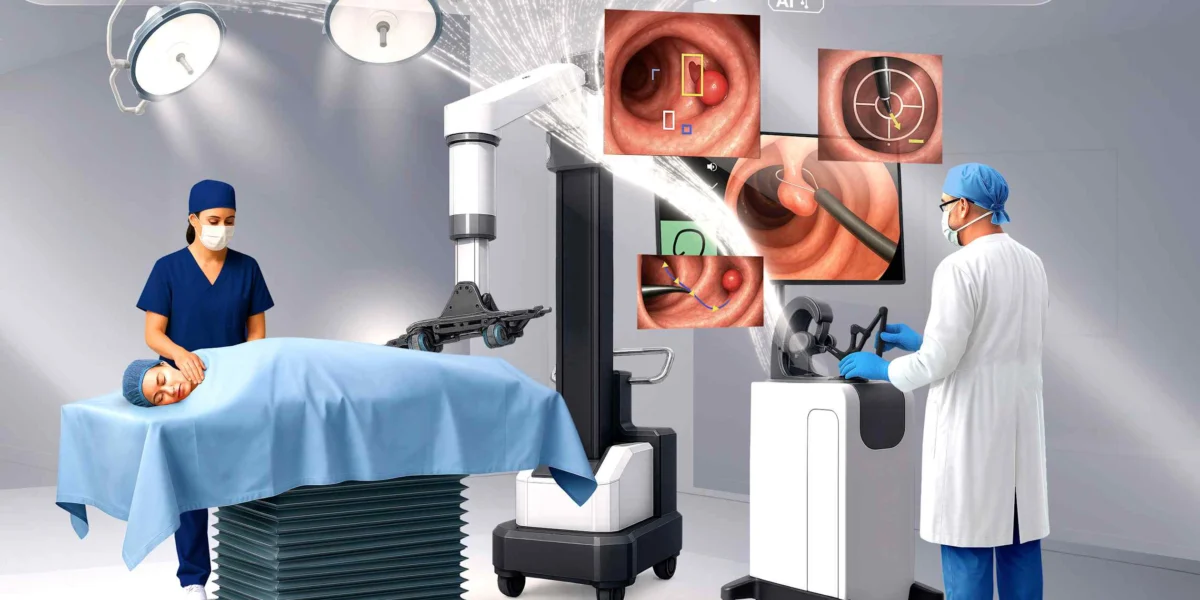
Japan’s Olympus, a venerable name in medical imaging and diagnostics, is poised to revolutionize the field of endoscopic surgery, traditionally a hands-on, physician-driven discipline. The company envisions a future where intricate procedures are increasingly performed not at the patient’s bedside, but from the detached, precise vantage point of a robotic console. This strategic pivot underscores a broader trend within the medical device industry: the growing integration of robotics and artificial intelligence (AI) to shoulder a larger proportion of physician workloads, thereby enhancing precision, efficiency, and potentially patient outcomes.

The current landscape of endoscopic surgery, while minimally invasive, still relies heavily on the direct manual dexterity of surgeons. This involves manipulating specialized instruments through natural orifices or small incisions to visualize and treat internal conditions. While these techniques have significantly advanced patient recovery compared to traditional open surgeries, they remain physically demanding for practitioners and can be subject to the inherent limitations of human motor control and fatigue. Olympus’s ambition to transform this practice signals a significant technological leap, moving towards a more automated and remotely controlled surgical environment.
The Dawn of a New Era in Endoscopic Procedures
The company’s forward-looking strategy, as indicated by their investments and product development, suggests a future where the surgeon’s role in endoscopy evolves. Instead of directly holding and maneuvering the endoscope and its associated instruments, physicians will likely operate sophisticated robotic arms from a control station. This console would offer magnified, high-definition visualization, enhanced haptic feedback (the sense of touch), and the ability to execute movements with unparalleled stability and precision.

This shift is not merely about technological advancement; it is deeply intertwined with the evolving demands on healthcare systems worldwide. As populations age and the prevalence of chronic diseases increases, the burden on surgical teams grows. Robotic assistance offers a potential solution to alleviate some of this pressure by enabling surgeons to perform more procedures with greater efficiency and potentially reduced physical strain. Furthermore, remote operation capabilities could expand access to specialized surgical expertise in underserved or remote geographical areas.
Supporting Data and the Growing Robotic Surgery Market
The global robotic surgery market has witnessed exponential growth in recent years, a trend that provides a strong tailwind for Olympus’s strategic direction. According to various market research reports, the sector is projected to reach tens of billions of dollars by the end of the decade, driven by factors such as increasing adoption of minimally invasive procedures, advancements in robotic technology, and growing demand for better patient outcomes. For instance, a report by Grand View Research estimated the global robotic surgery market size at USD 6.7 billion in 2022, with projections indicating a compound annual growth rate (CAGR) of over 15% from 2023 to 2030.

This market expansion is fueled by a range of robotic platforms designed for various surgical specialties, including general surgery, urology, gynecology, and cardiology. While established players like Intuitive Surgical with its da Vinci system have dominated much of the market, new entrants and established medical device companies like Olympus are increasingly investing in their own robotic solutions, often focusing on niche or emerging applications. Olympus’s entry into this space with a focus on endoscopy is particularly noteworthy, as it targets a vast array of diagnostic and therapeutic procedures within the gastrointestinal tract, respiratory system, and beyond.
Background Context: Evolution of Medical Robotics
The concept of robotic surgery is not entirely new. Early forays into surgical robotics began in the late 20th century, with initial applications in areas like neurosurgery and laparoscopy. However, it was the development of systems that allowed for remote control and enhanced dexterity that truly catalyzed the field. The da Vinci Surgical System, first approved by the FDA in 2000, became a benchmark, demonstrating the potential for robots to perform complex surgeries with improved precision and reduced invasiveness.

Olympus, with its deep expertise in endoscopy, is uniquely positioned to leverage this existing technological foundation and adapt it for the specific demands of endoscopic procedures. Endoscopic interventions often require navigating tight anatomical spaces and performing delicate manipulations, areas where robotic precision can offer significant advantages over human hands. The image provided, showing an "Endoluminal robotics" concept from Olympus, hints at the sophisticated design and potential capabilities of their future offerings. The expectation that endoscopy will shift from a "bedside procedure to one performed from a robotic console" encapsulates this transformative vision.
Implications for Physician Workloads and Training
The integration of robotics and AI into surgical workflows has profound implications for the roles and training of physicians. As robots take on more of the manual and repetitive tasks, surgeons can dedicate more cognitive resources to complex decision-making, patient assessment, and the overall strategic planning of procedures. This could lead to a more sustainable and fulfilling surgical career, mitigating the risk of burnout associated with physically demanding and repetitive tasks.

However, this transition also necessitates a significant evolution in medical education and training. Future surgeons will need to be proficient not only in traditional surgical techniques but also in operating robotic platforms, interpreting AI-driven diagnostic insights, and managing complex integrated technological systems. The development of specialized training curricula, simulation tools, and accreditation pathways will be crucial to ensure a smooth and safe integration of these technologies into clinical practice.
Official Responses and Industry Reactions (Inferred)
While specific official statements from Olympus regarding the precise timeline and scope of their robotic endoscopy initiatives might be proprietary, the company’s strategic investments and public pronouncements on innovation in medical technology strongly suggest a commitment to this direction. Competitors in the medical device and robotics sectors are also actively pursuing similar advancements. Companies like Medtronic, Johnson & Johnson, and numerous startups are investing heavily in robotic surgery, indicating a collective industry consensus on the transformative potential of these technologies.

The medical community, while generally receptive to technologies that promise improved patient care and physician well-being, will likely approach this transition with a degree of caution and rigorous evaluation. Clinical trials, peer-reviewed studies, and real-world evidence will be essential to validate the safety, efficacy, and cost-effectiveness of robotic endoscopic procedures. Discussions around regulatory approvals, reimbursement policies, and ethical considerations will also be paramount.
Broader Impact and Future Outlook
The move towards robotic and AI-assisted endoscopy by companies like Olympus signifies a paradigm shift in healthcare delivery. Beyond enhancing surgical precision, these technologies have the potential to:

- Improve Patient Outcomes: By enabling more precise and less invasive procedures, robotic surgery can lead to reduced complications, faster recovery times, and shorter hospital stays.
- Expand Access to Care: Remote operation capabilities could democratize access to specialized surgical expertise, bringing advanced treatments to patients in areas with limited resources.
- Drive Innovation in Diagnostics: AI integrated with robotic platforms can offer real-time analysis of tissue, identify anomalies with greater accuracy, and assist in early disease detection.
- Enhance Efficiency: Streamlined workflows and potentially reduced procedure times can help healthcare systems manage increasing patient demand more effectively.
The timeline for widespread adoption of robotic endoscopy will depend on several factors, including the pace of technological development, regulatory approvals, cost of implementation, and physician training. However, the trajectory is clear: the future of surgery, including endoscopy, will be increasingly shaped by the intelligent integration of robotics and artificial intelligence. Olympus’s strategic pivot positions them as a key player in this transformative journey, aiming to redefine what is possible in minimally invasive interventions and ultimately, in patient care. The coming years will likely witness significant advancements and a growing presence of robotic consoles in operating rooms and specialized clinics worldwide, marking a new chapter in the evolution of medical practice.