Lina Wu
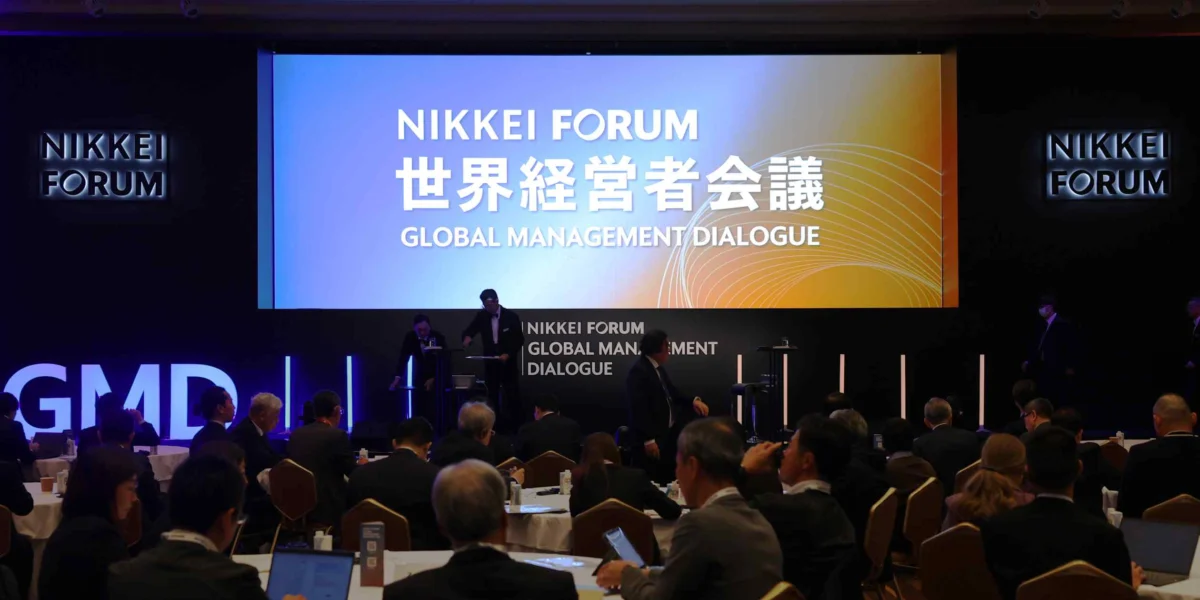
TOKYO – The second day of Nikkei’s 2026 Global Management Dialogue, a premier gathering of international business leaders, commenced on Wednesday with a significant focus on the accelerating advancements and strategic implications of artificial intelligence, particularly within the critical semiconductor industry. Senior representatives from Taiwan Semiconductor Manufacturing Co. (TSMC), the undisputed global leader in contract chip production, and tech titan Microsoft were prominent among the scheduled speakers, underscoring the event’s commitment to dissecting the forces shaping the future of global commerce and technology. The dialogue, held in Tokyo, has consistently served as a crucial platform for high-level discussions on economic trends, technological innovation, and geopolitical challenges affecting businesses worldwide.
The Evolving Landscape of AI and Semiconductor Power
The presence of a senior executive from TSMC at the 2026 Global Management Dialogue is particularly noteworthy. TSMC’s pivotal role in the global technology supply chain cannot be overstated. As the world’s largest and most technologically advanced contract chip manufacturer, the company is responsible for producing the sophisticated processors that power everything from smartphones and personal computers to advanced artificial intelligence systems and cutting-edge data centers. The company’s manufacturing prowess, particularly its leadership in process node technology, such as the 3-nanometer and upcoming 2-nanometer nodes, directly influences the pace of innovation across the entire tech sector.
The dialogue’s emphasis on AI at this juncture reflects the technology’s exponential growth and its transformative impact across industries. In recent years, AI has moved from a niche research area to a mainstream driver of economic activity. The demand for specialized AI chips, often referred to as AI accelerators, has surged, creating immense pressure on semiconductor manufacturers like TSMC to meet the burgeoning needs of companies developing and deploying AI solutions. Global AI spending, according to various industry analyses, is projected to reach trillions of dollars in the coming decade, with a significant portion of this expenditure directed towards the underlying hardware infrastructure.
Microsoft’s participation further highlights the interconnectedness of AI development and the foundational technologies that enable it. As one of the leading cloud computing providers and a major developer of AI software and services, Microsoft is a significant customer of advanced semiconductors. The company’s investments in proprietary AI models, alongside its extensive use of AI across its product portfolio, from Azure cloud services to its Office suite, make its perspective on the future of AI hardware and software integration highly valuable. The synergy between chip design, manufacturing, and AI application development is a central theme that is expected to dominate discussions.
A Legacy of Global Dialogue
Nikkei’s Global Management Dialogue, now in its 2026 iteration, has a rich history of bringing together influential figures to deliberate on critical global issues. Established to foster international understanding and collaboration, the annual event typically convenes CEOs, senior executives, policymakers, and academics from diverse sectors and regions. Over the years, the dialogue has addressed a spectrum of topics, including global economic recovery, the challenges of globalization, the rise of emerging markets, and the imperative of sustainable development.
The choice of Tokyo as the venue for this year’s dialogue is significant, reflecting Japan’s own strategic interests in technological innovation and its role within the broader Asian economic landscape. Japan has long been a leader in manufacturing and technological advancement, and its current focus on digital transformation and advanced materials aligns with the core themes of the dialogue.
The structure of the dialogue typically involves keynote speeches, panel discussions, and intimate breakout sessions, allowing for in-depth exploration of complex subjects. The presence of TSMC and Microsoft suggests a deliberate effort to address the most pressing technological and economic trends of the current era. The 2026 event is particularly poised to dissect the strategic imperatives for companies navigating the increasingly complex geopolitical and technological terrain.
The Interplay of Geopolitics and Semiconductor Supply Chains
The global semiconductor industry operates within a highly sensitive geopolitical context. The concentration of advanced manufacturing capabilities, particularly in Taiwan, has made the industry a focal point of international trade relations and national security concerns. Governments worldwide are increasingly prioritizing the development of domestic semiconductor manufacturing capacity and seeking to secure reliable access to advanced chips.
This drive for semiconductor resilience has led to significant government initiatives, such as the CHIPS Act in the United States and similar programs in Europe and Asia, aimed at incentivizing the construction of new fabrication plants (fabs) and research facilities. These initiatives, while designed to bolster national technological sovereignty, also have the potential to reshape the global supply chain dynamics and create new competitive pressures.
TSMC, as the industry’s dominant player, is at the epicenter of these geopolitical considerations. The company’s strategic decisions regarding capacity expansion, geographic diversification, and technological investment are closely watched by governments and industry players alike. Its ability to navigate these complex dynamics while maintaining its technological edge and serving its diverse customer base is a testament to its sophisticated management and operational capabilities.
AI’s Impact: From Efficiency to Innovation
The implications of artificial intelligence extend far beyond mere technological advancement; they are fundamentally reshaping business models, workforce requirements, and societal structures. For enterprises, AI offers the promise of enhanced operational efficiency through automation, predictive analytics, and personalized customer experiences. In manufacturing, AI can optimize production processes, reduce waste, and improve quality control. In finance, it can detect fraud, personalize investment strategies, and streamline trading operations.
However, the widespread adoption of AI also presents significant challenges. These include the need for robust data governance, the ethical considerations surrounding AI bias and decision-making, and the potential for job displacement in sectors heavily reliant on routine tasks. The dialogue is expected to delve into these multifaceted impacts, seeking to identify pathways for responsible AI deployment and inclusive growth.
For Microsoft, the proliferation of AI represents both an opportunity and a responsibility. As a provider of the infrastructure and tools that enable AI development, the company plays a critical role in shaping the future of this technology. Its investments in responsible AI research and its commitment to ethical guidelines are likely to be key talking points, underscoring the growing importance of trust and transparency in the AI ecosystem.
Looking Ahead: Data, Strategy, and the Future of Industry
The discussions at Nikkei’s 2026 Global Management Dialogue are expected to provide valuable insights into the strategic considerations that will guide businesses in the coming years. For companies reliant on advanced semiconductors, understanding TSMC’s roadmap for next-generation manufacturing processes and its strategies for managing supply chain risks will be paramount. For those leveraging AI, gaining clarity on the evolving capabilities of platforms like Microsoft’s Azure AI and the ethical frameworks governing AI development will be crucial.
The data presented and the analyses offered by these industry leaders will likely inform investment decisions, shape research and development priorities, and influence policy debates. The dialogue serves as a vital barometer for the health and direction of the global economy, offering a glimpse into the challenges and opportunities that lie ahead. The convergence of advanced computing, the strategic importance of semiconductors, and the transformative power of AI are defining forces that will continue to shape the global business landscape for the foreseeable future. The insights gleaned from this year’s Nikkei Global Management Dialogue will undoubtedly contribute to a more informed and strategic approach to navigating this complex and rapidly evolving future.