Lina Wu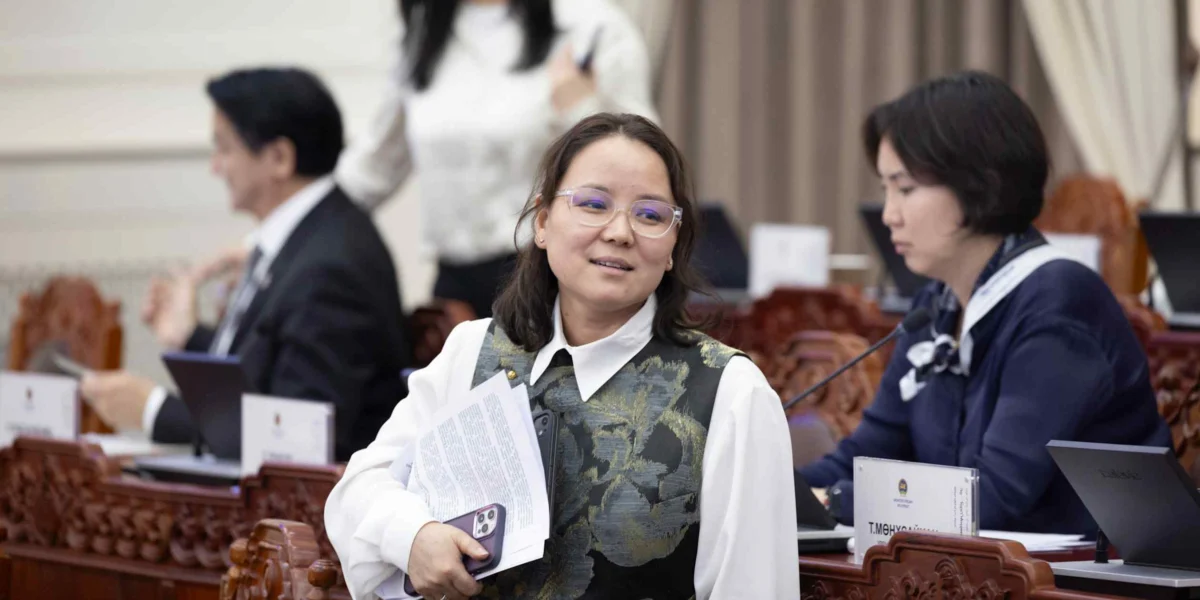
ULAANBAATAR – The recent swearing-in of Saranchuluun Otgon and Gankhuyag Banzragch, marking the historic entry of Mongolia’s first two lawmakers with disabilities into the State Great Khural, signifies a profound shift in the nation’s political landscape. This milestone, observed by many as a critical step towards more representative and inclusive governance, comes after years of advocacy and a growing awareness of the need to ensure all voices are heard in the halls of power. Otgon, in particular, shared a poignant reflection on her recent experience touring the nation’s capital with its mayor to assess accessibility, an exercise that underscored for her the significant evolution within Mongolian politics, a sector she once felt was "too far to reach."
A Milestone in Mongolian Political Representation
The inclusion of Otgon and Banzragch is not merely symbolic; it represents a tangible change in the demographic makeup of Mongolia’s legislative body. For decades, individuals with disabilities have faced systemic barriers in accessing political participation, from physical accessibility of public spaces to societal attitudes that often marginalized their voices. Their presence in the State Great Khural is the culmination of a long and often arduous journey for disability rights advocates in Mongolia, who have consistently pushed for greater inclusion and the dismantling of discriminatory practices.
Historically, political participation for individuals with disabilities in Mongolia has been severely limited. Data from various national surveys conducted over the past two decades consistently indicated low levels of representation and engagement from the disability community in political decision-making processes. For instance, a 2018 study by the National Statistics Office of Mongolia highlighted that less than 1% of elected officials at all levels of government self-identified as having a disability. This stark underrepresentation fueled the demand for legislative changes and proactive measures to foster a more inclusive political environment.
The path to this legislative breakthrough was paved by persistent efforts from civil society organizations, grassroots movements, and a growing recognition among the public and policymakers of the ethical and practical imperatives for inclusion. The advocacy campaigns often focused on amending electoral laws to ensure accessibility, promoting disability awareness among political parties, and encouraging candidates with disabilities to run for office. The efforts intensified in the years leading up to the most recent elections, with specific attention paid to ensuring polling stations and parliamentary facilities were accessible, and that election materials were available in formats usable by people with various types of disabilities.
The Journey to the State Great Khural: A Chronology of Change
The journey towards this historic moment can be traced through several key developments:
- Early 2000s: Initial advocacy efforts begin, primarily focusing on raising awareness about the rights of persons with disabilities and the need for their inclusion in society. This period saw the formation of several key disability-focused NGOs.
- 2008: Mongolia ratifies the United Nations Convention on the Rights of Persons with Disabilities (CRPD), a crucial step that legally obligated the government to implement measures to ensure inclusion and non-discrimination. However, the practical implementation of many of its provisions remained slow.
- 2015-2017: A surge in advocacy for political participation. Organizations like the Mongolian National Council of Persons with Disabilities (MNCPD) actively lobbied for legislative reforms, including the establishment of quotas or preferential treatment for candidates with disabilities, and improvements in the accessibility of electoral processes.
- 2019: Amendments to the Law on Elections were proposed and debated, aiming to address some of the accessibility concerns. While not all demands were met, these discussions marked a significant shift in the political discourse.
- 2020 General Election: While no lawmakers with disabilities were elected, the election saw a notable increase in the number of candidates with disabilities running for office, indicating growing confidence and a more receptive political climate.
- 2024 General Election: This election proved to be a watershed moment. Saranchuluun Otgon and Gankhuyag Banzragch successfully secured seats, a direct outcome of intensified advocacy, increased public awareness, and potentially, a more inclusive approach by political parties in nominating candidates. The election results were widely celebrated by disability rights groups as a victory for representation.
The personal journey of Saranchuluun Otgon, as she described her experience, highlights the tangible impact of these changes. Her participation in an accessibility tour of Ulaanbaatar with the mayor, a task that would have been logistically challenging or even impossible for someone with a disability in previous eras, underscores the evolving approach to public engagement and infrastructure development. This collaborative effort, involving a high-ranking city official and a newly elected lawmaker with a disability, signals a commitment to practical improvements and a willingness to engage directly with the lived experiences of marginalized communities.
Data and Demographics: The Scope of the Challenge and the Significance of the Breakthrough
The inclusion of Otgon and Banzragch comes at a time when the discourse around disability rights in Mongolia is gaining significant momentum. According to the National Statistics Office of Mongolia, as of 2023, approximately 7.5% of the total population, or around 230,000 individuals, live with some form of disability. This significant demographic group has historically been underrepresented in all spheres of public life, including politics.
The State Great Khural, as the supreme legislative body, plays a pivotal role in shaping policies that affect all citizens, including those with disabilities. The absence of individuals with disabilities in this body for so long meant that their specific needs, challenges, and perspectives were often overlooked or inadequately addressed in policy formulation.
The presence of Otgon and Banzragch is expected to bring several critical benefits:
- Enhanced Policy Relevance: Their lived experiences will provide invaluable insights into the practical implications of legislation on persons with disabilities, leading to more effective and equitable policies.
- Increased Advocacy Power: They can directly advocate for the rights and needs of the disability community within the legislative process, serving as powerful champions for inclusive development.
- Symbolic Importance: Their presence serves as a powerful symbol of inclusivity, inspiring other individuals with disabilities to pursue their aspirations and encouraging a more accepting societal attitude.
- Improved Accessibility Standards: Their direct involvement in parliamentary operations may accelerate improvements in the physical and digital accessibility of government institutions and public services.
Reactions and Anticipated Implications
The election of the first lawmakers with disabilities has elicited a range of reactions, predominantly positive, from various stakeholders. Disability rights organizations have hailed the development as a monumental achievement, while also emphasizing that this is just the beginning of a longer journey towards full inclusion.
"This is a historic moment for Mongolia," stated a spokesperson for the Mongolian National Council of Persons with Disabilities. "We are immensely proud of Saranchuluun Otgon and Gankhuyag Banzragch. Their presence in parliament is a testament to years of hard work and advocacy. We anticipate that their voices will bring crucial perspectives to the legislative process, leading to more inclusive laws and policies that benefit all Mongolians."
Political analysts suggest that this breakthrough could have a ripple effect across the political spectrum. Parties may be compelled to re-evaluate their candidate nomination processes to ensure greater diversity and representation. Furthermore, it could inspire a new generation of activists and politicians with disabilities to engage in public service.
The implications extend beyond immediate legislative impact. The visibility of lawmakers with disabilities can significantly contribute to shifting societal perceptions. By demonstrating that individuals with disabilities are capable of holding high office and contributing meaningfully to public life, Otgon and Banzragch can challenge ingrained stereotypes and foster a more inclusive and equitable society.
The ongoing commitment to assessing and improving the accessibility of public spaces, as exemplified by Otgon’s recent tour with the mayor, is a concrete step in this direction. Such initiatives, when championed from within the legislature, are likely to gain traction and lead to broader systemic changes in urban planning, public transportation, and the design of public buildings and services.
Looking Ahead: The Path to True Inclusivity
While the election of Saranchuluun Otgon and Gankhuyag Banzragch is a cause for celebration, it is crucial to acknowledge that it is a step, not the destination. The broader challenge for Mongolia lies in ensuring that this newfound inclusivity is sustained and expanded. This will require:
- Continued legislative reform: Further amendments to laws may be needed to guarantee full accessibility in all aspects of political life, including campaign finance, party structures, and electoral processes.
- Capacity building: Providing support and resources for lawmakers with disabilities to effectively carry out their duties, including accessible communication tools and assistive technologies.
- Public awareness campaigns: Ongoing efforts to promote understanding and acceptance of disability rights among the general population.
- Monitoring and accountability: Establishing robust mechanisms to monitor the implementation of disability-inclusive policies and hold government bodies accountable for their progress.
The presence of Saranchuluun Otgon and Gankhuyag Banzragch in the State Great Khural marks a pivotal moment in Mongolia’s democratic evolution. It signifies a growing commitment to the principle that governance should reflect the diversity of its citizens. As they embark on their legislative duties, the nation watches with anticipation, hopeful that their voices will pave the way for a more inclusive and just future for all Mongolians. Their journey, from feeling that "people in power seemed too far to reach" to becoming integral members of that power structure, embodies the profound and transformative potential of inclusive representation.