Lina Wu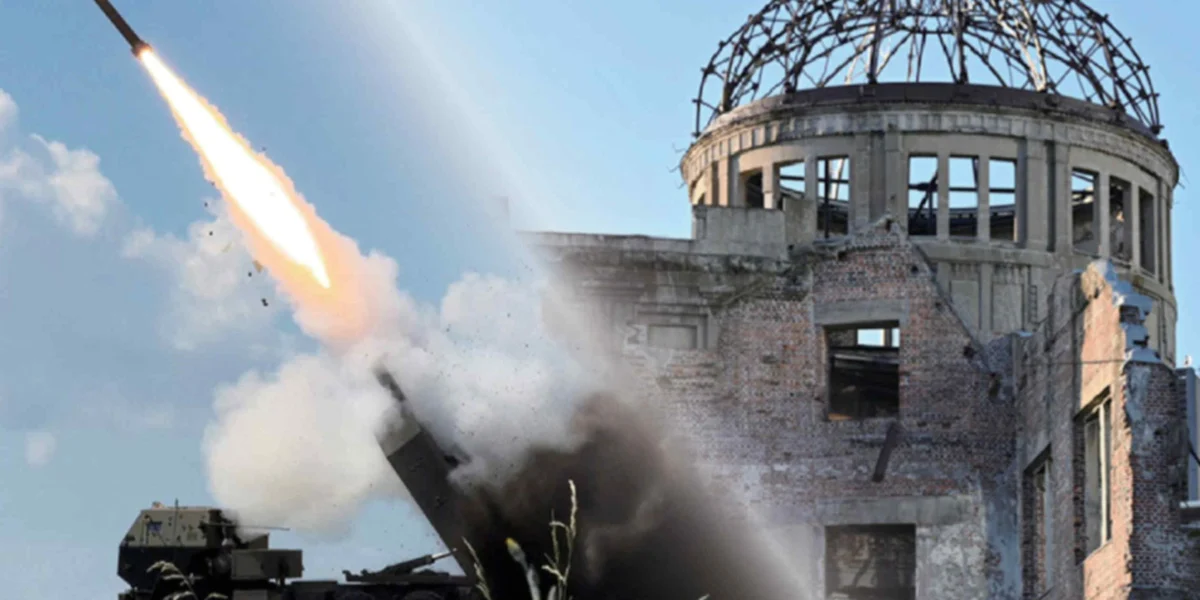
OSAKA – In a significant shift reflecting escalating global instability, defense contractors engaged in the production of nuclear weapons have experienced a notable increase in financial backing, with loans and investments rising by approximately 30% compared to the previous year. This trend, detailed in a recent report, signals a discernible deceleration in the momentum of the global campaign advocating for divestment from companies involved in the nuclear arms industry. The surge in financial support comes amidst a backdrop of heightened geopolitical friction and evolving security paradigms, prompting governments and investors alike to re-evaluate their stances on nuclear deterrence and the industries that underpin it.
The Shifting Landscape of Defense Finance
The substantial increase in financial flows to nuclear weapons manufacturers underscores a broader recalibrative effort within the global financial and defense sectors. This phenomenon is not merely a statistical anomaly but a symptom of a world grappling with renewed great power competition, regional conflicts, and the persistent threat of nuclear proliferation. For decades, ethical investors and a segment of the public have pushed for divestment from companies directly involved in the manufacture of weapons of mass destruction, including nuclear arms. This movement, often championed by non-governmental organizations and socially responsible investment funds, aimed to exert financial pressure and align investment portfolios with principles of peace and disarmament.
However, the current geopolitical climate appears to be overriding these ethical considerations for a significant portion of the investment community and governments. The report’s findings suggest that the perceived necessity of robust national defense capabilities, particularly those involving nuclear deterrence, is now a primary driver of financial decisions. This shift implies a pragmatic, albeit potentially concerning, recalibration where security imperatives are taking precedence over historical divestment trends.
Key Data and Trends
The reported 30% increase in loans and investment is a stark indicator of this changing landscape. While the specific sources and denominations of these financial flows are subject to ongoing analysis, preliminary data points to a combination of factors:
- Increased Government Procurement: National defense budgets are expanding globally, with a significant portion allocated to modernizing and maintaining nuclear arsenals. This translates into more direct contracts and financial commitments from governments to defense firms.
- Private Sector Investment: Institutional investors, sovereign wealth funds, and even some private equity firms are reportedly re-evaluating their exclusion policies regarding defense companies. The rationale often cited is the perceived stability and profitability of the defense sector in an uncertain world, coupled with the strategic importance of these companies to national security.
- Emerging Market Demands: While major nuclear powers continue to invest, there are also subtle indications of interest from nations considering or expanding their defense capabilities, potentially including advanced deterrents, which could drive demand for specialized technologies and components.
The report, the specifics of which are still being fully disseminated, likely draws from financial disclosures, investment databases, and industry analysis. It aims to provide a quantifiable measure of the financial commitment to the nuclear weapons complex, moving beyond anecdotal evidence.
Historical Context: The Divestment Movement and its Setbacks
The campaign to divest from nuclear weapons manufacturers has a history rooted in the Cold War and the subsequent anti-nuclear proliferation movements. Following the end of the Cold War, there was a perceived lull in the urgency surrounding nuclear threats, which coincided with a growing awareness of the ethical implications of investing in instruments of mass destruction.
- The 1990s and Early 2000s: A period marked by a decline in global nuclear tensions saw a rise in socially responsible investing (SRI) and ethical investment funds. Many such funds explicitly excluded companies involved in the production of nuclear weapons, citing their indiscriminate destructive potential and the moral imperative to disarm.
- The 2010s: The movement gained further traction with the establishment of initiatives like the "Don’t Bomb Where You Invest" campaign, which targeted financial institutions that provided capital to arms manufacturers. Several prominent pension funds and institutional investors announced their intention to divest from specific companies.
- The Late 2010s and Early 2020s: A resurgence of geopolitical competition, marked by events such as the annexation of Crimea, the rise of nationalist sentiments in various regions, and increasing tensions between major powers, began to shift the global security discourse. This period also witnessed a growing concern over the modernization of nuclear arsenals by established nuclear powers.
The current trend, as indicated by the report, suggests that the momentum of the divestment movement is facing significant headwinds. The return of what some analysts describe as a "new Cold War" or a multipolar world with heightened strategic competition is recalibrating risk assessments and investment priorities.
Timeline of Shifting Perceptions and Investments
To understand the current situation, a brief chronology of recent global events and their impact on defense spending and investment is instructive:
- 2014-2015: Following Russia’s annexation of Crimea and the subsequent imposition of sanctions, many Western nations began to re-evaluate their defense postures and increase military spending. This marked an early inflection point, signaling a departure from the post-Cold War "peace dividend."
- 2017-2019: The Trump administration’s withdrawal from arms control treaties and increased rhetoric around nuclear modernization and readiness contributed to a heightened sense of global insecurity. Defense stocks, including those of companies with nuclear capabilities, saw renewed investor interest.
- 2020: The COVID-19 pandemic initially led to some economic uncertainty, but governments quickly recognized the need to secure critical infrastructure and supply chains, including those related to national defense.
- 2022: Russia’s full-scale invasion of Ukraine dramatically altered the European security landscape and sent shockwaves through global defense markets. Defense budgets across NATO and allied nations saw unprecedented increases. Concerns over potential nuclear escalation, however contained, also brought nuclear deterrence back to the forefront of strategic discussions.
- 2023-2026 (Present): Ongoing regional conflicts, continued strategic competition between the US and China, and persistent nuclear threats from nations like North Korea have solidified the perception of a dangerous and unpredictable global environment. This has created a sustained demand for advanced military hardware and technologies, including those essential for nuclear weapons programs.
This timeline illustrates a gradual but consistent shift from a period of perceived peace and disarmament to one of heightened military preparedness and strategic uncertainty, directly impacting the financial viability and attractiveness of defense contractors, including those involved in nuclear weapons production.
Voices from the Industry and Advocacy Groups
While the report focuses on financial flows, the implications resonate deeply within both the defense industry and the broader advocacy community.
Defense Industry Perspective (Inferred): Companies in the defense sector, particularly those with long-standing expertise in complex technologies like nuclear weapons systems, are likely to view this increased investment as a validation of their strategic importance and a necessary response to global security challenges. They would argue that their role is to provide the tools that governments deem essential for national security and deterrence. The financial influx allows them to continue research and development, maintain critical manufacturing capabilities, and ensure the readiness of existing arsenals. Representatives might emphasize that their work is conducted under strict government oversight and within legal frameworks, contributing to global stability through deterrence.
Advocacy Groups’ Concerns (Inferred): Organizations dedicated to nuclear disarmament and peace are likely to express grave concern over this trend. They will argue that increased investment in nuclear weapons production exacerbates global tensions, fuels an arms race, and increases the risk of accidental or intentional use. Their statements would likely highlight the immense humanitarian consequences of nuclear war and the moral bankruptcy of profiting from such industries. They may call for renewed diplomatic efforts to de-escalate conflicts, strengthen arms control treaties, and pressure financial institutions to uphold ethical investment principles. They might also point to the opportunity cost – funds diverted to weapons production could be better spent on development, healthcare, or climate action.
Broader Implications: A World Rearming?
The reported surge in investment in nuclear weapons manufacturers carries profound implications for the future of global security and the international pursuit of disarmament.
- Resurgence of Nuclear Arms Race Concerns: A sustained increase in financial backing for nuclear weapons programs could be interpreted as a green light for further modernization and potential expansion of existing arsenals. This could reignite fears of a new, potentially more dangerous, nuclear arms race, especially if it prompts reciprocal actions from competing powers.
- Weakening of Disarmament Norms: The financial success of nuclear weapons producers might undermine the long-standing international norm against the proliferation and use of these weapons. If financial markets perceive these industries as stable and profitable, it could reduce the perceived stigma associated with nuclear weapons and their production.
- Economic Diversification Challenges: For countries or regions heavily reliant on defense spending, this trend might disincentivize efforts towards economic diversification away from the military-industrial complex. The availability of capital for nuclear weapons production can perpetuate existing economic structures.
- Ethical Investment Dilemmas: The report presents a stark challenge to ethical investors. It forces a re-examination of the criteria for socially responsible investing in the face of escalating global threats. The debate will likely intensify on whether national security imperatives justify investments that many deem morally objectionable.
- Impact on Diplomacy and Arms Control: A more robust and financially supported nuclear weapons industry could complicate diplomatic efforts aimed at arms control and disarmament. Negotiators might find themselves facing entrenched industrial interests that benefit from the status quo of nuclear deterrence.
In conclusion, the reported 30% increase in loans and investment for nuclear weapons manufacturers is a significant development that signals a potential paradigm shift in global financial priorities and security perceptions. As geopolitical tensions continue to mount, the intricate relationship between international security, defense economics, and ethical investment practices is being tested, with far-reaching consequences for the future of global peace and disarmament. The coming years will likely see continued debate and scrutiny of these financial flows and their impact on the world’s nuclear landscape.