Rifan Muazin
The Federal Reserve on Wednesday, April 8, 2026, officially released the detailed minutes from the Federal Open Market Committee (FOMC) meeting held on March 17-18, 2026. This eagerly awaited document, published at 2:00 p.m. EDT, offers financial markets and economic observers an unparalleled glimpse into the internal deliberations, economic assessments, and forward-looking policy considerations of the central bank’s rate-setting body. As per standard procedure, the minutes are typically released three weeks following the policy decision date, ensuring a balance between transparency and the need for internal candor during the policy formulation process. The information contained within these minutes reflects solely the economic and financial conditions known to the Committee members at the time of their March gathering, providing a historical snapshot of their perspectives.
The full minutes are accessible to the public on the Board’s official website, with direct links provided for both HTML and PDF formats. This release is a critical event for market participants, economists, and policymakers worldwide, as it helps to clarify the rationale behind the Fed’s recent actions and signal potential future shifts in monetary policy, particularly concerning interest rates and the management of the central bank’s balance sheet.
Unpacking the March 2026 FOMC Meeting: A Deep Dive into Policy Debates
The March 17-18, 2026, FOMC meeting was held against a backdrop of complex and evolving economic conditions, both domestically and internationally. While the specific policy decision made at this meeting was communicated immediately after its conclusion, the minutes provide the granular detail and divergent viewpoints that shape these decisions. Analysts were particularly keen to scrutinize the document for any indications of shifts in the Committee’s collective understanding of inflation dynamics, the trajectory of the labor market, and the overall resilience of economic growth.
Key areas of focus for market participants and economists included:
- Inflation Outlook: Discussions around the persistence of inflation, the impact of recent geopolitical events on commodity prices, and the effectiveness of previous monetary tightening measures in bringing inflation sustainably down to the Fed’s 2% target.
- Labor Market Assessment: An evaluation of the current state of employment, including the unemployment rate, wage growth trends, labor force participation, and any signs of cooling or overheating in the jobs market.
- Economic Growth Projections: Committee members’ views on GDP growth, consumer spending, business investment, and potential risks to the economic outlook, such as global slowdowns or domestic financial vulnerabilities.
- Future Monetary Policy Path: Insights into the debate surrounding the timing and magnitude of future interest rate adjustments, discussions about the "neutral" rate of interest, and the Committee’s appetite for further balance sheet adjustments (quantitative tightening or easing).
- Financial Stability Concerns: Any expressed worries about specific sectors of the financial system, asset valuations, or credit conditions that could pose risks to broader economic stability.
The minutes typically reveal not just the consensus but also the nuances of individual members’ perspectives, including any dissents and the reasons behind them. This level of detail is crucial for understanding the potential range of outcomes for future monetary policy.
The Economic Landscape Leading into March 2026
To fully appreciate the significance of the March 2026 FOMC minutes, it is essential to contextualize the economic environment in which the meeting took place. By early 2026, the global economy had navigated several years of unprecedented challenges, ranging from the lingering effects of the COVID-19 pandemic to supply chain disruptions, elevated inflation, and geopolitical tensions. The Federal Reserve, tasked with its dual mandate of achieving maximum employment and price stability, had been calibrating its monetary policy tools in response to these evolving conditions.
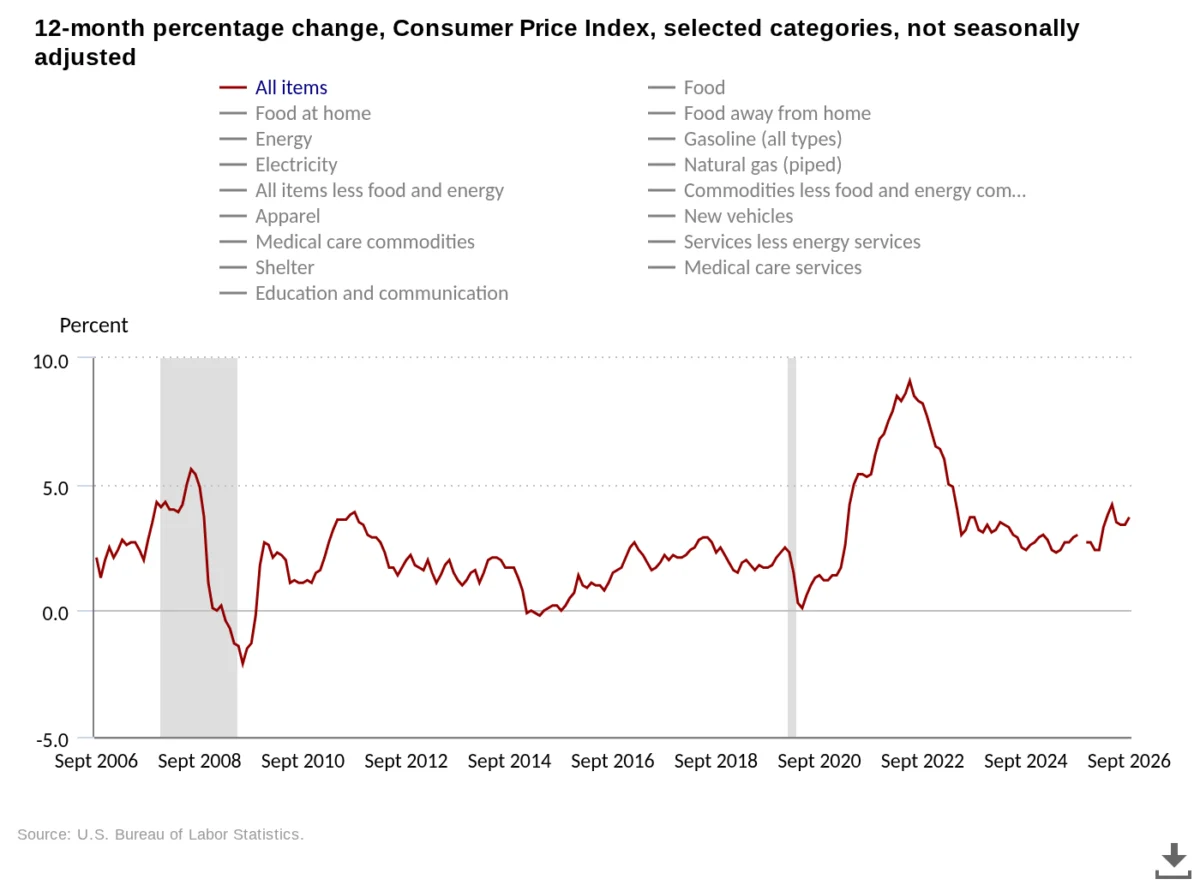
Inflationary Pressures: Leading up to March 2026, inflation remained a primary concern, albeit with signs of moderation from its peaks. The Personal Consumption Expenditures (PCE) price index, the Fed’s preferred inflation gauge, was reported to be hovering around 2.8% year-over-year in the months preceding the meeting. While this represented a notable decline from previous highs, it still stood above the Committee’s long-term 2% target. Core PCE inflation, which excludes volatile food and energy components, was also closely watched, indicating the underlying inflationary pressures in the economy. Members likely debated whether the disinflationary trend was firmly established or if structural factors, such as wage growth or housing costs, posed persistent upside risks. Supply-side improvements, while easing some pressures, had not fully resolved all bottlenecks, and energy prices remained susceptible to global events.
Labor Market Dynamics: The U.S. labor market, despite some cooling, had demonstrated remarkable resilience. In the months before March 2026, the unemployment rate consistently remained at historically low levels, frequently below 4%. Wage growth, while robust, showed mixed signals regarding its contribution to inflationary pressures. Some sectors continued to report labor shortages, while others saw more balanced supply and demand. The FOMC would have closely examined metrics such as average hourly earnings, job openings (JOLTS data), and initial jobless claims to gauge the degree of slack or tightness in the labor market. A key debate likely centered on whether the current employment levels were consistent with maximum employment without fueling inflation.
Economic Growth and Financial Conditions: Real GDP growth had shown a pattern of moderation after a strong post-pandemic rebound. While avoiding a recession, the pace of expansion had become more sustainable, with forecasts generally pointing to a soft landing. Consumer spending, a major driver of the U.S. economy, remained relatively healthy, supported by strong balance sheets and a resilient job market, though rising interest rates had started to weigh on certain discretionary purchases and borrowing. Business investment, while steady, faced headwinds from higher borrowing costs and global economic uncertainties. Financial conditions, as measured by various indices that capture equity prices, bond yields, and credit spreads, had tightened considerably over the preceding period, reflecting the cumulative impact of the Fed’s earlier policy adjustments. The Committee would have assessed whether these conditions were appropriately restrictive to achieve their policy goals.
Global Context: International economic developments also factored significantly into the FOMC’s discussions. Slowdowns in major trading partners, geopolitical conflicts impacting global trade and energy markets, and the monetary policy stances of other central banks all contributed to the complex global backdrop. The strength of the U.S. dollar, influenced by interest rate differentials, also had implications for U.S. exports and import prices.
The FOMC’s Decision-Making Framework and Transparency
The Federal Open Market Committee is the monetary policy-making body of the Federal Reserve System. It comprises twelve members: the seven members of the Board of Governors of the Federal Reserve System; the president of the Federal Reserve Bank of New York; and presidents of four other Federal Reserve Banks on a rotating basis. This diverse composition ensures a broad range of regional and economic perspectives are brought to the policy table.
During a typical two-day meeting, Committee members engage in extensive discussions, reviewing a wide array of economic data, forecasts, and staff analyses. A critical component is the Summary of Economic Projections (SEP), which provides each participant’s projections for GDP growth, the unemployment rate, inflation, and the appropriate path for the federal funds rate over the next few years and in the longer run. These "dot plot" projections, updated quarterly, offer crucial forward guidance, though they are not part of the minutes themselves but are released alongside the meeting’s policy statement.
The release of the minutes, precisely three weeks after the policy decision, serves several vital functions:
- Transparency: It provides the public with a deeper understanding of the Committee’s reasoning, allowing for more informed analysis of monetary policy.
- Accountability: It holds policymakers accountable for their decisions by documenting their views and the information available to them.
- Market Guidance: It helps financial markets anticipate future policy moves by revealing the ongoing debates and the factors influencing members’ thinking. Even though the information is three weeks old, the minutes often contain nuances in language or discussions about specific thresholds that can signal future policy shifts.
The lag in publication is intentional, allowing Committee members to speak freely during meetings without immediate public scrutiny of every word, fostering a more robust debate, while still ensuring eventual transparency.
Market Reactions and Analyst Interpretations
Upon the release of the March 2026 FOMC minutes, financial markets reacted swiftly, processing the detailed language and subtle shifts in tone. Equity markets, bond yields, and currency exchange rates often adjust as investors re-evaluate their expectations for the future path of interest rates.
Bond Markets: Treasury yields, particularly for shorter-dated maturities, are highly sensitive to expectations of Fed policy. If the minutes revealed a more hawkish tone—indicating a stronger bias towards further rate hikes or a longer period of restrictive policy—yields would likely tick higher. Conversely, a dovish leaning—suggesting an openness to rate cuts or a pause—could see yields fall. Analysts specifically searched for discussions around the "terminal rate" (the peak of the hiking cycle) or the "neutral rate" (the rate at which monetary policy is neither stimulative nor restrictive).
Equity Markets: Stock market indices typically react to changes in interest rate expectations, as these directly impact the cost of capital for businesses and the valuation of future earnings. Sectors sensitive to interest rates, such as technology and growth stocks, might see more pronounced movements. A more accommodative stance from the Fed could boost market sentiment, while a more restrictive outlook might introduce volatility.
Foreign Exchange Markets: The U.S. dollar’s value against other major currencies often fluctuates in response to FOMC minutes. A perceived hawkish tilt could strengthen the dollar, as higher U.S. interest rates make dollar-denominated assets more attractive. A dovish interpretation might weaken the dollar.
Economists and market strategists from major investment banks and research institutions immediately commenced dissecting the 10,000-plus words of the document. Early reactions often focused on:
- Consensus vs. Dissension: How unified was the Committee? Were there significant disagreements on the economic outlook or the appropriate policy response?
- Forward Guidance Nuances: What language was used regarding "data dependence," "patience," or "flexibility"? Did the minutes hint at specific economic conditions that would trigger a policy change?
- Risk Assessment: What were the Committee’s primary concerns? Was it still inflation, or were risks to economic growth or financial stability gaining prominence?
- Discussion of Quantitative Tightening/Easing: Were there any indications of changes to the Fed’s balance sheet reduction program, which could impact liquidity in the financial system?
For instance, economists at one prominent financial institution might infer: "The minutes suggest a growing divergence among members regarding the timing of potential rate cuts, with some still emphasizing the need for more conclusive evidence of disinflation, while others expressed concern about the cumulative impact of past tightening on economic activity." Another might highlight: "A deeper dive into the minutes reveals that the Committee’s assessment of the labor market remains a key determinant for future policy, with a focus on wage growth moderation as a precursor to any significant policy pivot."
Broader Implications for the Economy and Society
The insights gleaned from the March 2026 FOMC minutes extend far beyond immediate market movements, impacting various sectors of the economy and the daily lives of citizens.
For Consumers: The minutes directly or indirectly influence borrowing costs. Changes in the federal funds rate, signaled by the Fed’s policy stance, ripple through to mortgage rates, credit card interest rates, auto loans, and other forms of consumer credit. A hawkish stance implies higher costs for borrowing, potentially dampening consumer spending on big-ticket items. Conversely, a dovish shift could ease borrowing burdens, encouraging economic activity. Savings rates at banks also tend to track the Fed’s policy rate, affecting returns for savers.
For Businesses: Companies closely monitor the Fed’s outlook as it impacts their cost of capital for investment, hiring decisions, and overall business planning. Higher interest rates increase the cost of financing expansions, R&D, or inventory, potentially leading to slower growth or reduced hiring. Small businesses, often more reliant on variable-rate loans, are particularly sensitive to these changes. The minutes’ assessment of economic growth and demand also helps businesses anticipate future market conditions.
For the Housing Market: The real estate sector is acutely sensitive to interest rates, especially mortgage rates. Any indication of sustained high rates or further increases in the minutes could signal continued cooling in housing demand and potentially lower home prices or slower appreciation. Conversely, prospects of lower rates could stimulate renewed interest in home buying and refinancing.
For Government Finance: The cost of government borrowing (financing the national debt) is also influenced by interest rate trends. Higher rates increase debt service costs, which can strain federal budgets.
Global Economic Impact: As the world’s largest economy and issuer of the primary global reserve currency, U.S. monetary policy has significant spillover effects. A hawkish Fed can lead to capital outflows from emerging markets, strengthen the dollar, and make dollar-denominated debt more expensive for foreign borrowers. International policymakers and central bankers worldwide closely analyze the FOMC minutes to adjust their own economic forecasts and policy strategies.
Looking Ahead: Data Dependence and Future Meetings
The March 2026 FOMC minutes, while providing valuable historical context, also serve as a crucial forward-looking document. They set the stage for subsequent policy debates and decisions. The Federal Reserve has consistently emphasized its "data-dependent" approach, meaning future policy adjustments will hinge significantly on incoming economic data.
Between the March meeting and the next scheduled FOMC gathering (typically held in early May), a slew of critical economic indicators will be released and scrutinized by the Committee:
- Inflation Data: Monthly Consumer Price Index (CPI) and PCE reports will be paramount in determining whether disinflationary trends are continuing or if inflationary pressures are re-emerging.
- Employment Reports: Nonfarm payrolls, unemployment rates, and wage growth figures will provide fresh insights into the health and tightness of the labor market.
- GDP and Retail Sales: These reports will offer updates on overall economic growth and consumer spending patterns.
- Manufacturing and Services PMIs: Leading indicators like the Purchasing Managers’ Index will shed light on business activity and sentiment.
Each of these data points will inform the discussions at the upcoming FOMC meetings, shaping the Committee’s updated economic projections and their views on the appropriate path for the federal funds rate. The minutes from March will serve as a foundational reference point for assessing how the Committee’s views evolve in response to new information.
The Federal Reserve’s commitment to transparency, exemplified by the timely release of these minutes, underscores its vital role in guiding the U.S. and global economies. As the economic landscape continues to shift, these detailed records remain indispensable tools for understanding the central bank’s strategy in pursuit of its mandated goals of maximum employment and price stability.