Putri Inara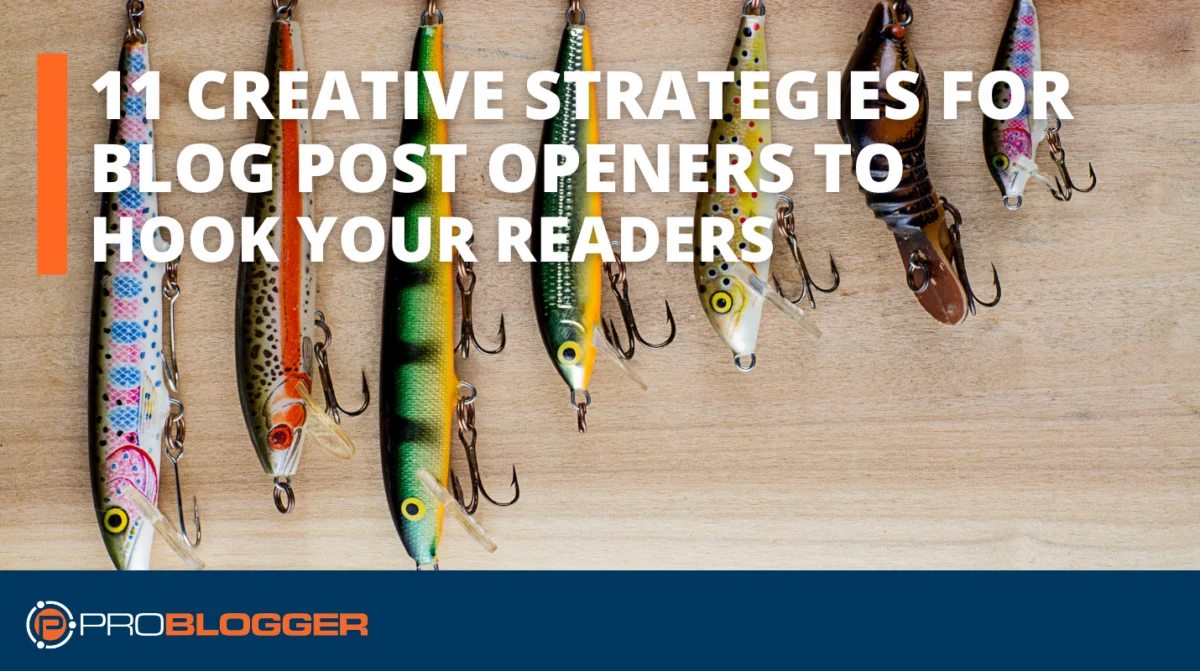
The digital publishing landscape is currently defined by a fierce competition for human attention, a commodity that recent data suggests is increasingly scarce. In the realm of content marketing and digital journalism, the opening line of an article—often referred to as the "lead" or "lede"—has emerged as the critical pivot point between a successful engagement and a high bounce rate. While headlines serve as the primary bait to secure a click, the opening sentence bears the functional burden of converting that initial curiosity into sustained reading. Industry analysis indicates that if a reader is not captivated within the first few seconds of interaction, the probability of them exiting the page exceeds 50 percent. Consequently, the mastery of opening strategies has become a core competency for professional writers seeking to navigate the complexities of modern information consumption.
The Evolution of the Digital Hook: Historical and Technical Context
The practice of crafting a compelling opening is rooted in the "inverted pyramid" style of journalism, a technique developed in the 19th century to ensure that the most vital information was transmitted first via telegraph. However, as the medium shifted from print to digital, the function of the opening evolved. In the early 20th century, newspapers relied on "hard leads" to summarize facts. In the 21st century, digital platforms have necessitated the "feature lead," which focuses on emotional resonance, intrigue, and psychological engagement.
This shift is largely driven by user behavior. Research by the Nielsen Norman Group reveals that approximately 79 percent of web users scan pages rather than reading word-for-word. The opening line must, therefore, act as a "pattern interrupt," a psychological term for a technique that breaks a person’s routine thought process. By utilizing specific rhetorical devices, writers can momentarily suspend the scanning reflex, compelling the reader to settle into a deep-reading state.
Strategic Framework: 11 Methodologies for Reader Engagement
To address the challenges of the digital attention economy, content strategists have identified 11 primary methodologies designed to secure immediate reader buy-in. These strategies leverage psychological triggers such as curiosity, empathy, and the "Zeigarnik Effect"—the tendency to remember uncompleted or interrupted tasks better than completed ones.
1. Identification of Consumer Pain Points
The most direct approach involves the immediate identification of a reader’s specific need or problem. By articulating a challenge that the reader is currently facing, the writer establishes instant relevance. This strategy relies on the principle of utility; the reader continues because the opening promises a functional solution to a pre-existing complication.
2. The "Yes-Set" Psychological Trigger
Commonly used in copywriting, the "one-answer question" involves posing a query to which the reader is almost certain to answer "yes." This creates a "yes-set," a psychological state where the reader becomes more receptive to subsequent information. For example, asking "Have you ever struggled to keep your audience engaged?" creates an immediate cognitive alignment between the author and the audience.
3. Creation of the Curiosity Gap
An intriguing question functions by creating a "curiosity gap"—the space between what we know and what we want to know. According to George Loewenstein’s information-gap theory, this gap produces a feeling of deprivation that can only be alleviated by obtaining the missing information. Questions that promise a revelation or a counter-intuitive truth are particularly effective in this regard.
4. Strategic Pattern Interruption
The use of surprise or personal anecdotes that appear "off-topic" can serve as a powerful pattern interrupt. When a writer shares an unexpected fact or a relatable personal failure, it humanizes the content and breaks the monotonous tone of traditional corporate or technical writing. This technique is often used to "snap" a reader out of a passive scanning state.
5. Narrative Transportation and Analogy
Storytelling remains one of the most effective tools for engagement. Narrative transportation theory suggests that when people are lost in a story, their attitudes and intentions change to reflect that story. Using a brief anecdote or a vivid analogy to open a post can transform an abstract or dry topic into a tangible human experience, making the information more digestible and memorable.
6. The Bold Assertion
Leading with a bold claim or a definitive promise sets a high expectation and establishes the author’s authority. This "top-down" approach informs the reader exactly what they will gain from the investment of their time. However, industry experts caution that this strategy requires the subsequent content to provide rigorous evidence or results, as failing to deliver on a bold promise can result in long-term brand damage.
7. Intellectual Provocation and Controversy
Stirring controversy by challenging a widely held belief or critiquing a popular industry standard is a high-risk, high-reward strategy. It demands immediate attention because it triggers an emotional response. Readers are driven to continue either to validate their own disagreement or to understand the logic behind a dissenting opinion.
8. Sensory Visualization
Painting a vivid picture engages the reader’s imagination and senses. By asking a reader to "imagine" a scenario, the writer moves the interaction from a passive reception of text to an active mental simulation. This technique is particularly useful for making abstract concepts, such as financial planning or software architecture, feel more concrete and urgent.
9. Quantitative Authority: Startling Statistics
Statistics provide an immediate sense of gravity and "logos" (logical appeal). A startling or counter-intuitive data point serves as an objective proof of a problem’s scale. For instance, stating that "only 1 out of every 100 readers will comment on a post" immediately quantifies the challenge of engagement and provides a factual foundation for the discussion that follows.
10. Borrowed Authority: The Power of Quotes
Opening with a quote from a recognized authority figure allows a writer to leverage "social proof." It aligns the post with established wisdom and sets a sophisticated tone. The effectiveness of this strategy depends on the quote’s relevance and its ability to resonate with the specific values of the target demographic.
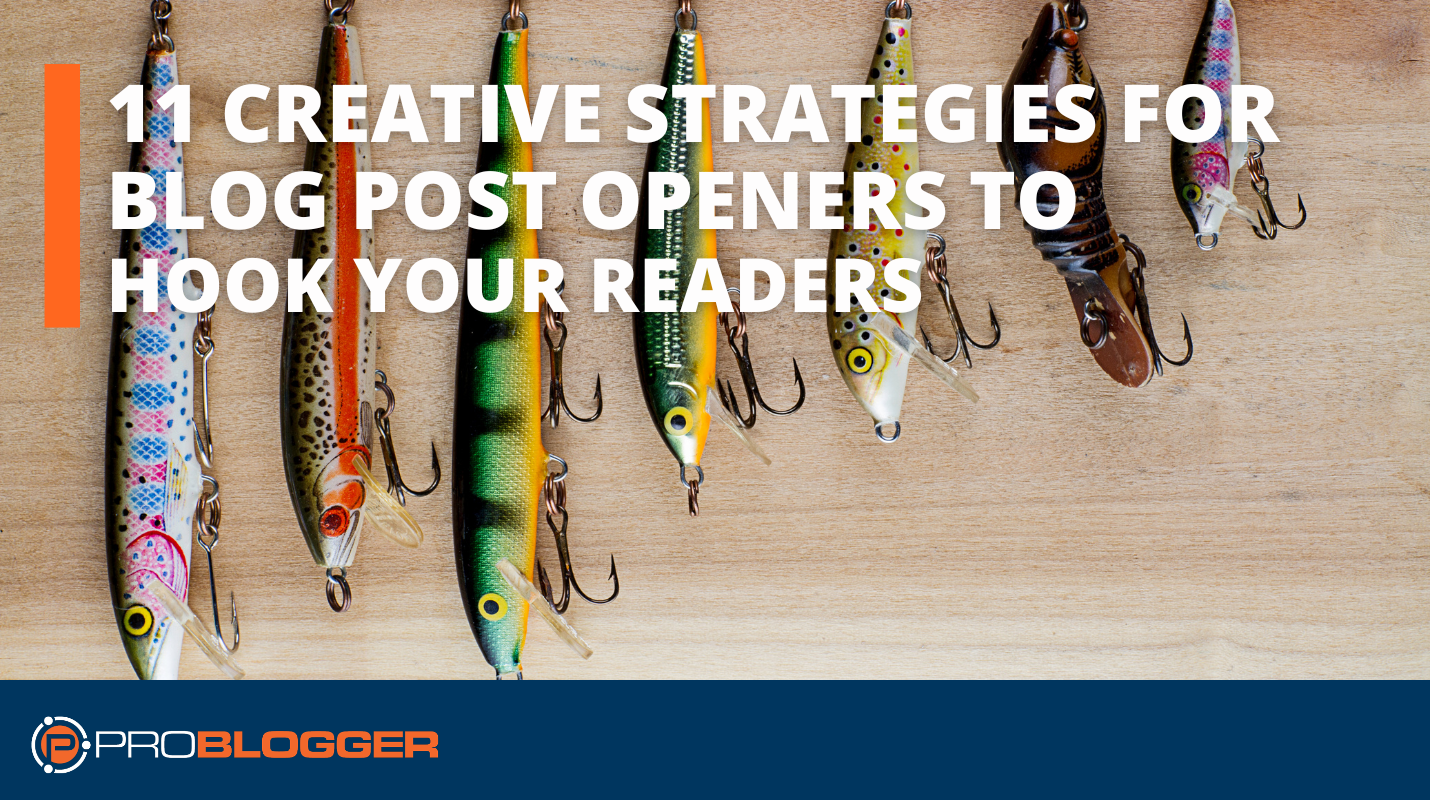
11. Visual Dominance
In a visual-first digital environment, the lead image can function as the true opening line. The "Picture Superiority Effect" suggests that human memory and engagement are significantly higher when images are present. A striking, relevant image can communicate the core message of a post faster than text, acting as a primary hook that draws the reader into the written content.
Supporting Data and Industry Analysis
Data from content analysis platforms like BuzzSumo and HubSpot suggest that the first 100 words of an article are the most scrutinized by search engine algorithms for "user intent" and "relevance." Furthermore, a study by Microsoft indicated that the average human attention span has dropped to approximately eight seconds, highlighting the necessity for these 11 strategies.
In terms of chronological development, the "blogging era" (2004–2014) prioritized conversational openings. However, the "algorithmic era" (2015–present) emphasizes a blend of psychological hooks and Search Engine Optimization (SEO). Modern writers must now satisfy both the human reader’s need for engagement and the machine’s need for structured data.
Official Responses and Professional Standards
Content marketing associations and editorial boards have increasingly standardized the requirement for "high-impact leads." In a statement regarding digital literacy and content quality, industry analysts have noted that the "democratization of publishing" has led to a glut of information, making the "hook" a necessary filter for quality. Professional standards now dictate that an opening should not only engage but also accurately represent the "value proposition" of the article.
Broader Implications and Future Outlook
The implications of these strategies extend beyond simple blog posts. They are increasingly being applied in email marketing, social media captions, and video scripts. As Artificial Intelligence (AI) begins to generate a larger volume of "standard" content, the human ability to craft nuanced, emotionally resonant, and strategically surprising opening lines will likely become a key differentiator in the marketplace.
The future of digital engagement will likely see a greater integration of data-driven hooks—where openings are A/B tested in real-time to determine which strategy resonates best with specific audience segments. However, the fundamental psychological principles of curiosity, storytelling, and problem-solving remain the bedrock of effective communication. Mastering these 11 strategies is not merely a tactical advantage; it is a fundamental requirement for anyone seeking to influence or inform in the digital age.