Putri Inara
Digital publishing has reached a point of extreme saturation, with millions of blog posts published daily across various platforms. While technical proficiency—encompassing search engine optimization (SEO), structural integrity, and software mastery—remains a baseline requirement for visibility, industry analysts increasingly point to "personality" as the primary differentiator between obscure sites and market leaders. This "missing link" serves as the psychological bridge between a casual visitor and a loyal community member. To understand how personalization functions as a strategic asset, an analysis of ten leading digital creators reveals a diverse range of tactics—from visual branding and linguistic tone to interactive user experience (UX) design.
The Strategic Imperative of Personalization in the Attention Economy
The transition of blogging from a hobbyist’s medium to a multi-billion-dollar industry has necessitated a shift in how content is presented. According to data from the Content Marketing Institute, 73% of B2B marketers and 70% of B2C marketers use content marketing as a core pillar of their strategy. However, as AI-generated content becomes more prevalent, the value of unique human perspective has appreciated. Personalization is no longer merely an aesthetic choice; it is a defensive moat against the commoditization of information.
Industry experts suggest that readers are no longer searching solely for information, which is now ubiquitous, but for "curated authority." This authority is built through a recognizable personal brand that signals reliability and relatability. The following case studies illustrate how top-tier bloggers leverage specific elements of their identity to command market share.
Case Study Analysis: Visual and Multimedia Identity
1. High-Fidelity Personal Imagery: YTravel
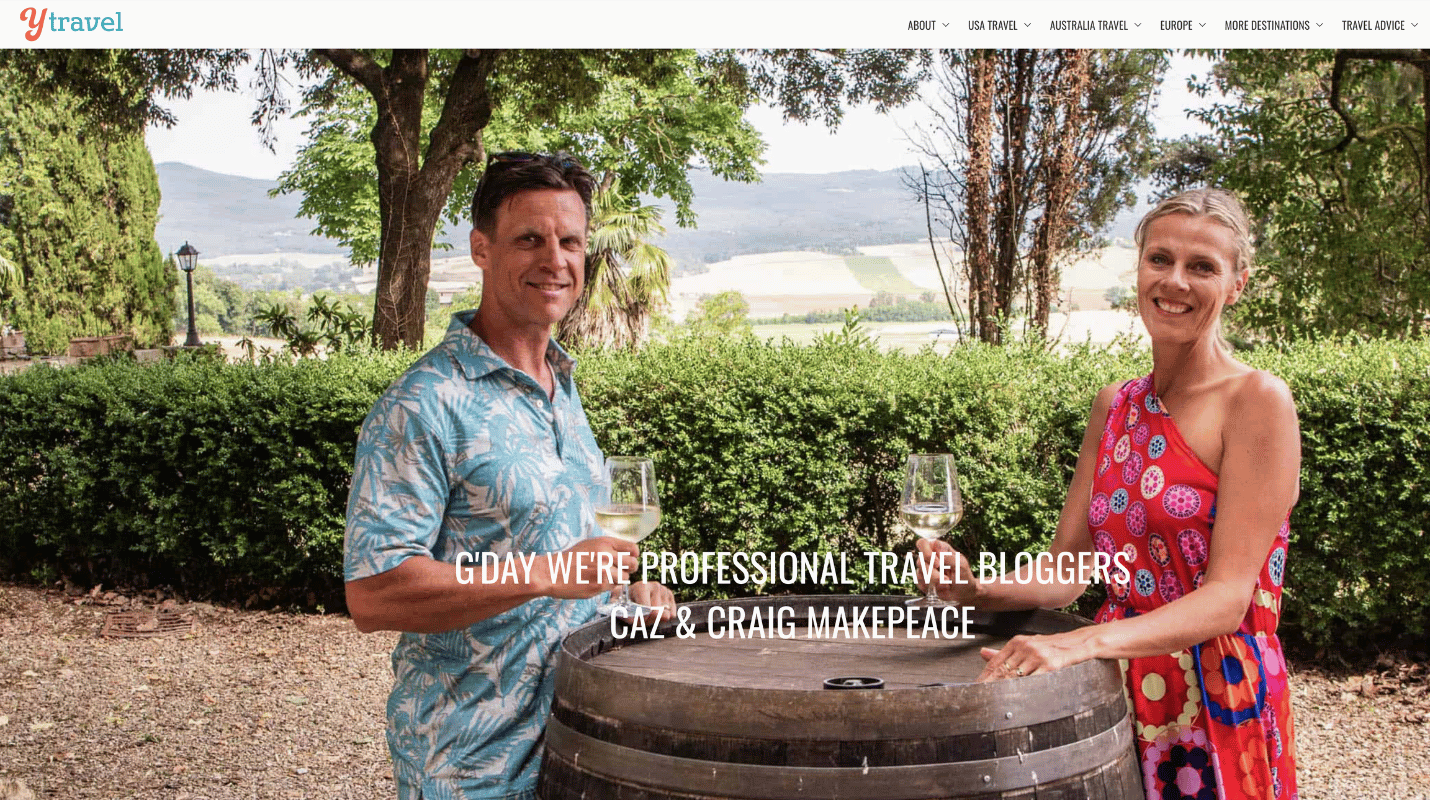
Caz and Craig of YTravel demonstrate the efficacy of high-quality, candid photography in the travel and lifestyle niche. In sectors where "lifestyle envy" or "aspiration" drives engagement, the inclusion of the creators within the frame serves as a proof of concept. Their strategy involves a mix of posed professional shots and candid family moments, which humanizes the brand.
Analytical Insight: Data from MDG Advertising indicates that articles with relevant images receive 94% more views than those without. In the case of YTravel, the images are not merely decorative; they serve as a visual narrative of the brand’s "family travel" mission, fostering a parasocial relationship with the audience.
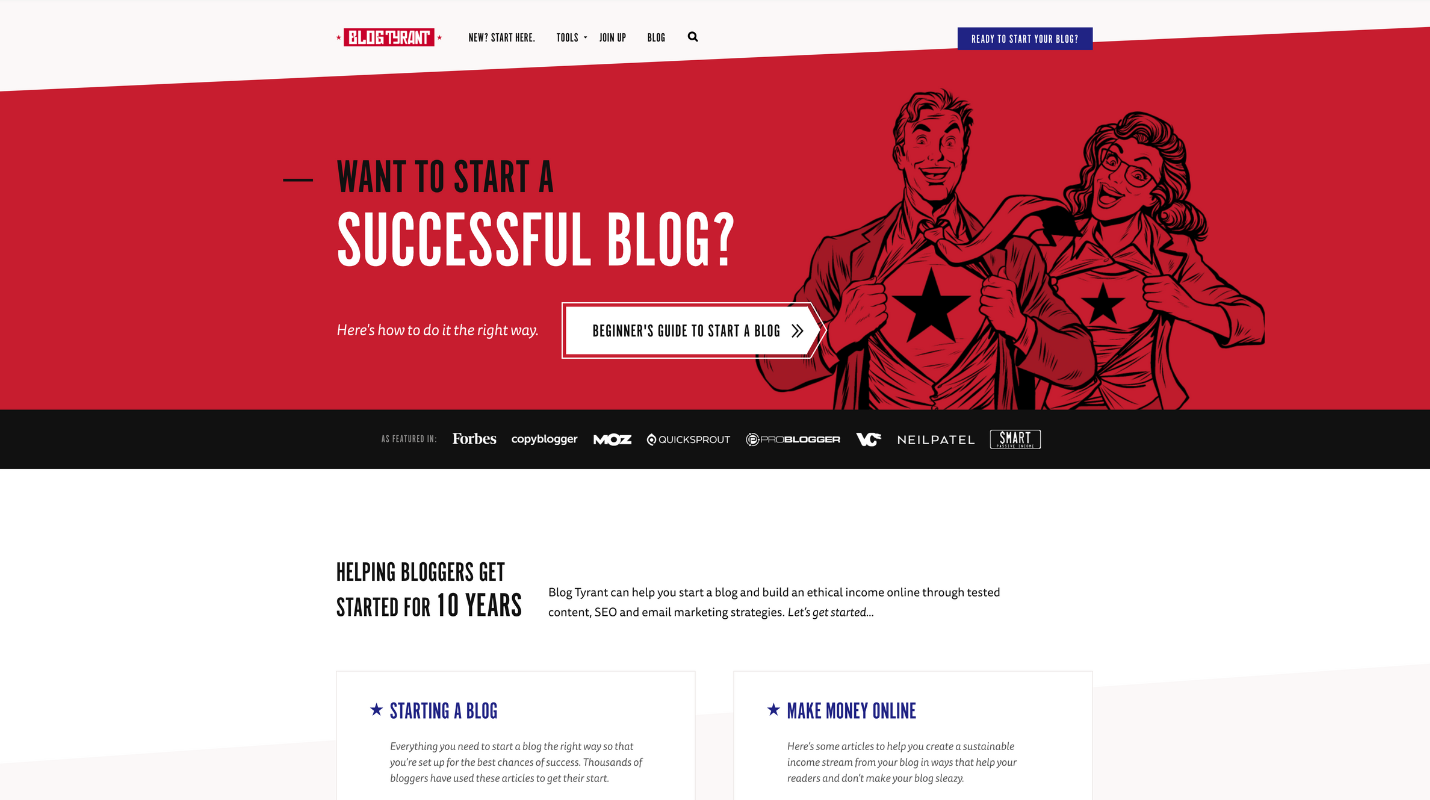
2. Character-Driven Branding: Blog Tyrant
Ramsey of Blog Tyrant utilizes a custom-illustrated avatar—the "red-shirted blogging super-hero." This approach provides a consistent visual anchor across various touchpoints, including the homepage, feature images, and lead magnets.
Strategic Benefit: Custom illustrations allow for brand recognition without the constant need for new professional photography. It also allows the blogger to adopt a "persona" that can be more memorable than a standard headshot.
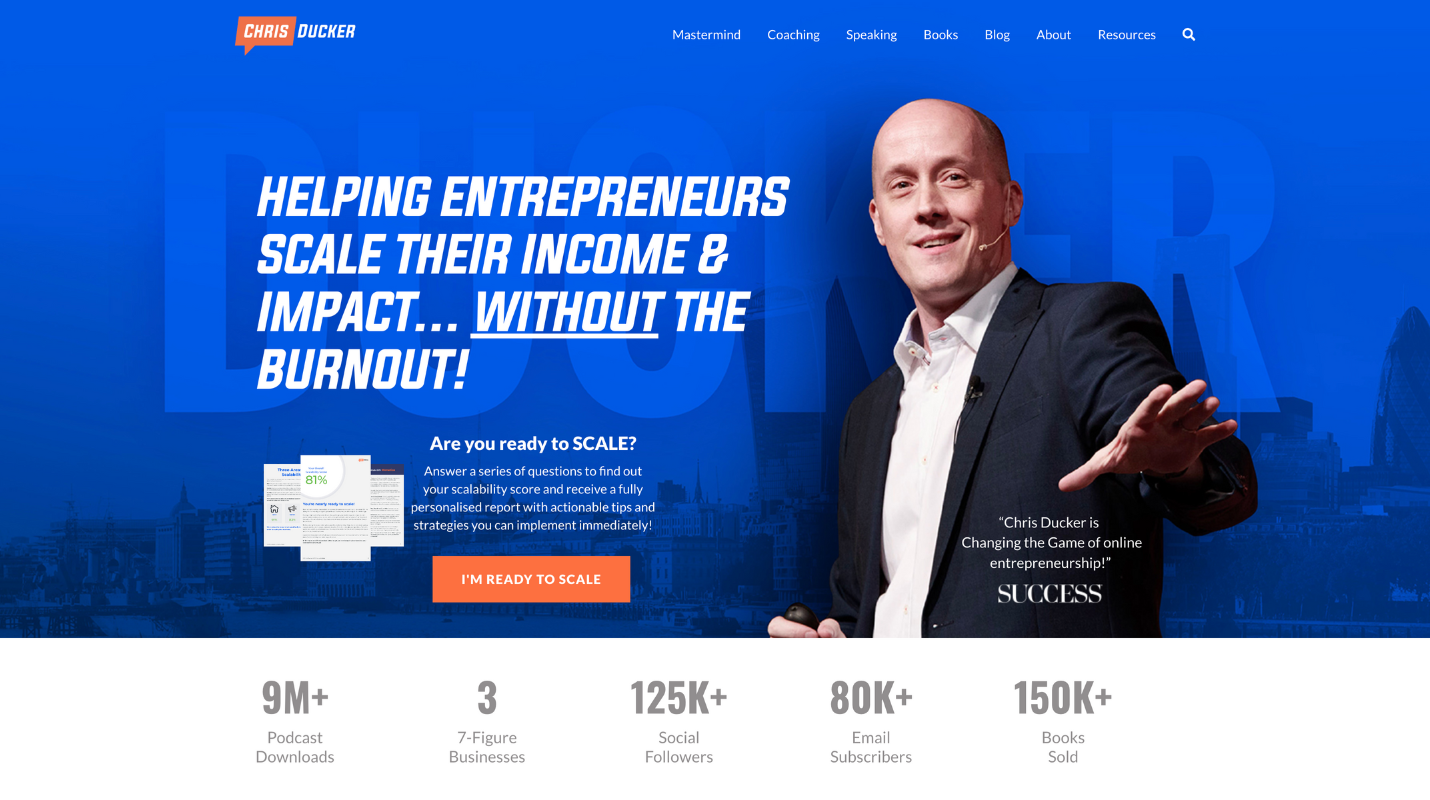
3. Omnichannel Visual Consistency: Chris Ducker
Chris Ducker exemplifies the "Personal Brand 2.0" model by maintaining identical headshots across his blog, Twitter, Facebook, and LinkedIn profiles. This creates a seamless "brand loop" for the user. Whether a reader finds him via a Google search or a social media share, the visual confirmation of his identity is instantaneous.
Linguistic Branding and the "Polarization" Strategy
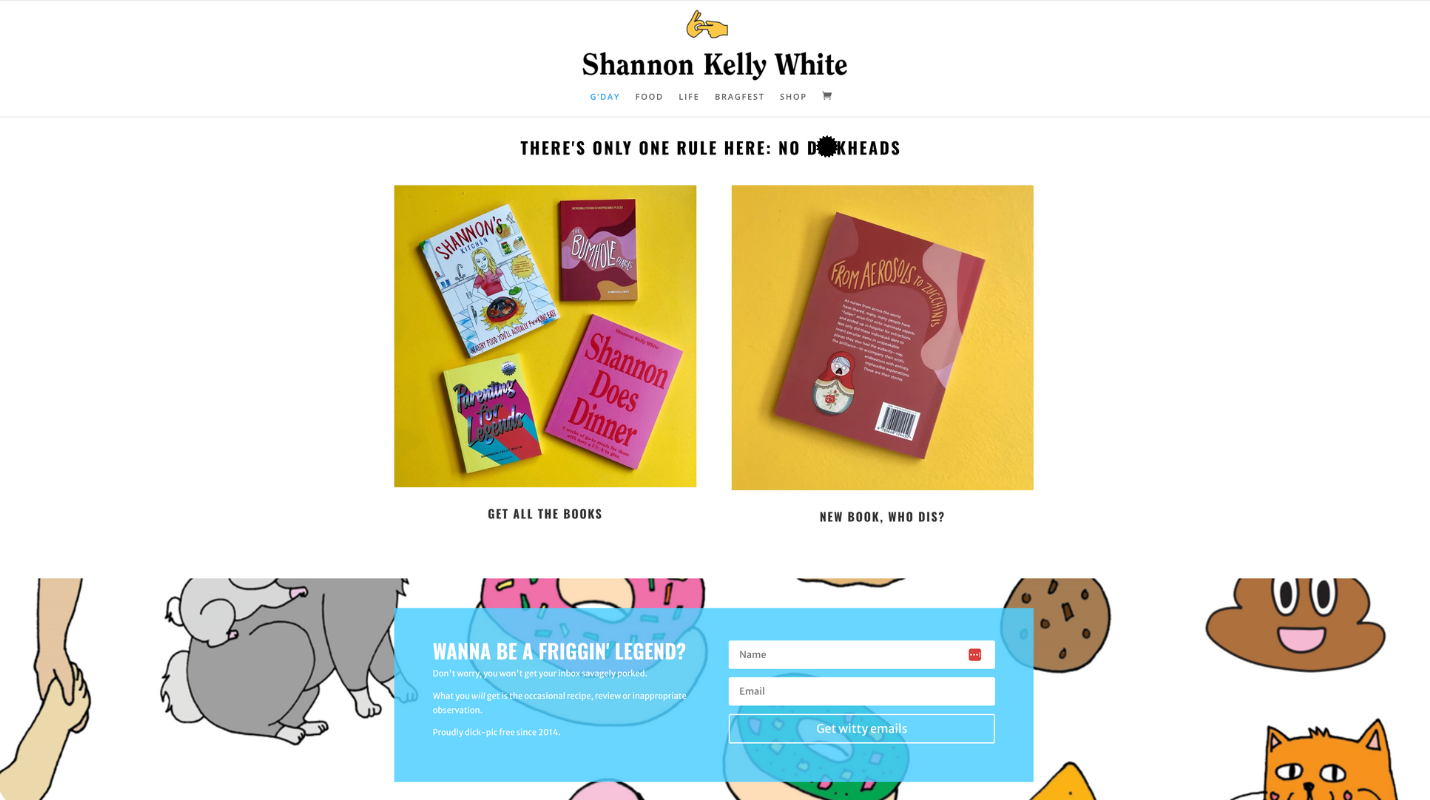
4. Niche Linguistic Targeting: Shannon Kelly White
Shannon Kelly White employs a polarizing linguistic style, characterized by the frequent and enthusiastic use of profanity. While this approach risks alienating a segment of the population, it serves as a powerful "filter" for her target audience.
Market Analysis: In marketing, this is known as the "Polarization Effect." By being unapologetically herself, White creates a high-intensity bond with readers who share her sensibilities, effectively turning them into brand evangelists.
5. Quirky Humor and Relatability: Pat Flynn
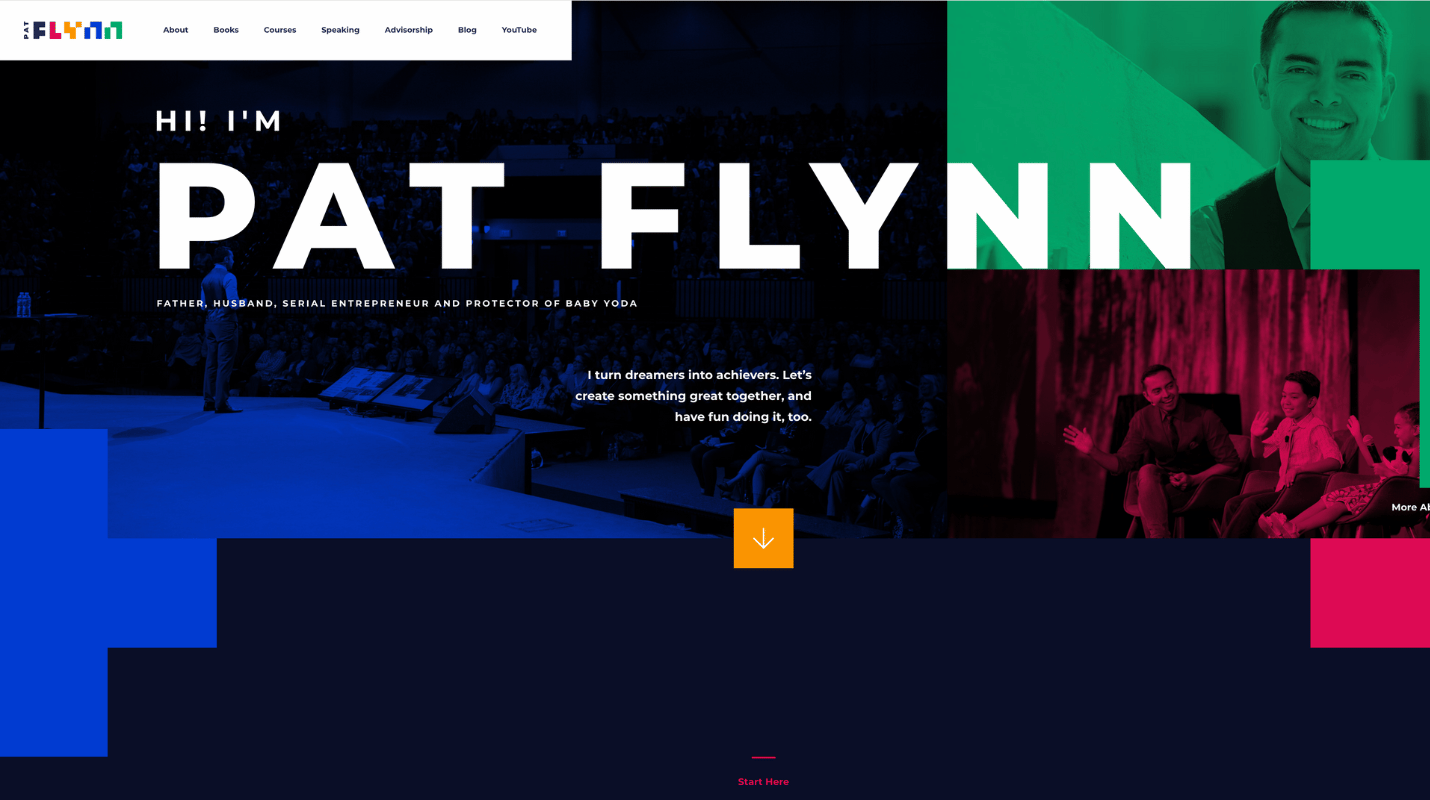
Pat Flynn of Smart Passive Income balances professional authority with self-deprecating humor. By identifying as a "father, husband, and serial entrepreneur" alongside niche references like "protector of baby yoda," Flynn lowers the barrier to entry for new entrepreneurs. This approach shifts the dynamic from "expert-to-student" to "peer-to-peer."
Structural and UX Personalization
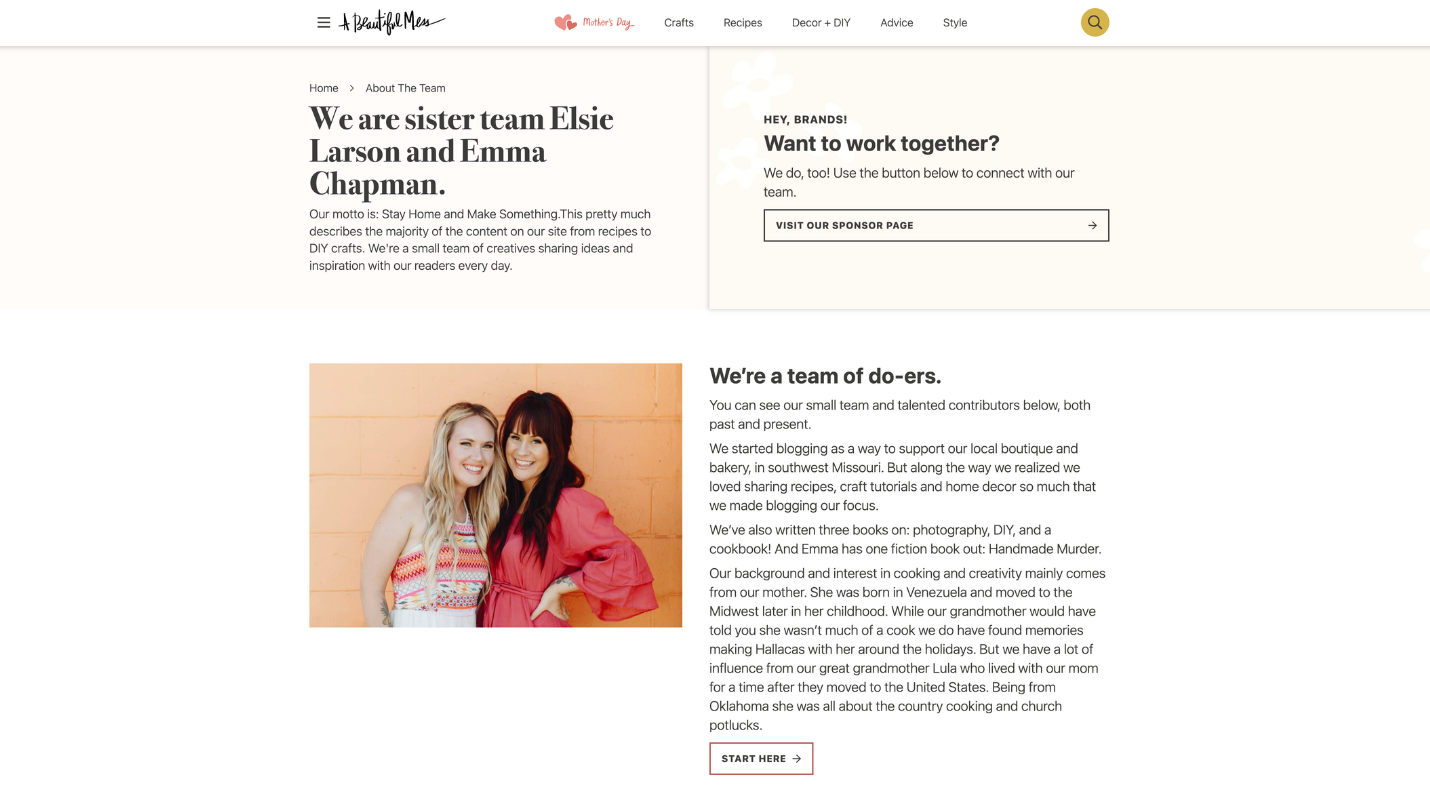
6. The "About Page" as a Conversion Tool: A Beautiful Mess
Sisters Elsie and Emma of A Beautiful Mess treat their "About" page as a primary landing page. Rather than a dry resume of achievements, it is a vibrant, visual introduction to their aesthetic.
Supporting Data: Heatmap studies often show that the "About" page is one of the top five most-visited pages on any personal brand website. A Beautiful Mess leverages this by using bold photography and a catchy introduction to convert curious clickers into subscribers.
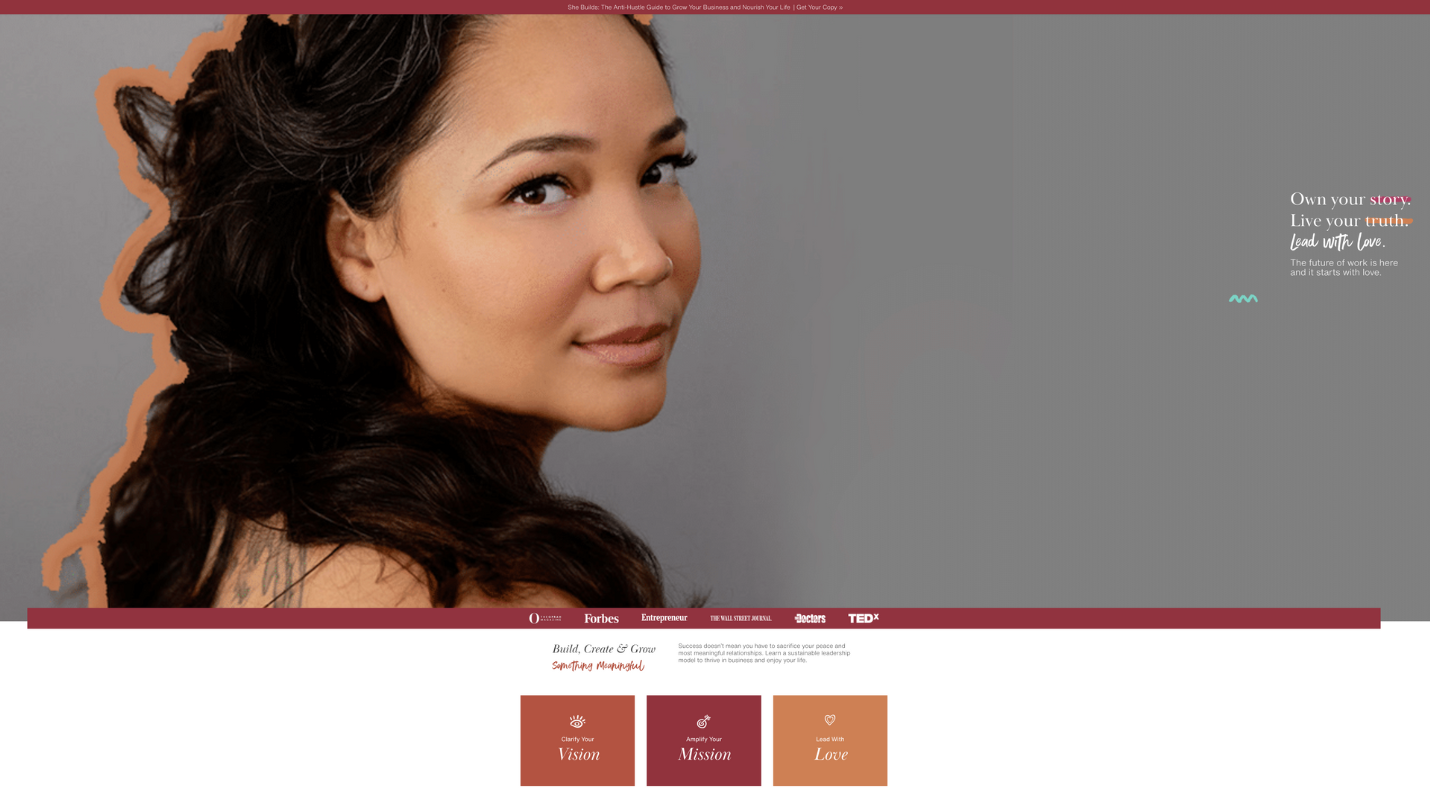
7. Chromatic Branding: Jadah Sellner
Jadah Sellner utilizes a sophisticated color palette that extends beyond her website’s UI to her physical attire in professional photos. This creates a holistic "vibe" that feels intentional and high-end.
Psychological Context: Color theory suggests that specific hues evoke distinct emotional responses. Sellner’s use of warm, earthy tones reinforces a brand identity centered on wellness and groundedness.
Strategic Messaging and Audience Identification
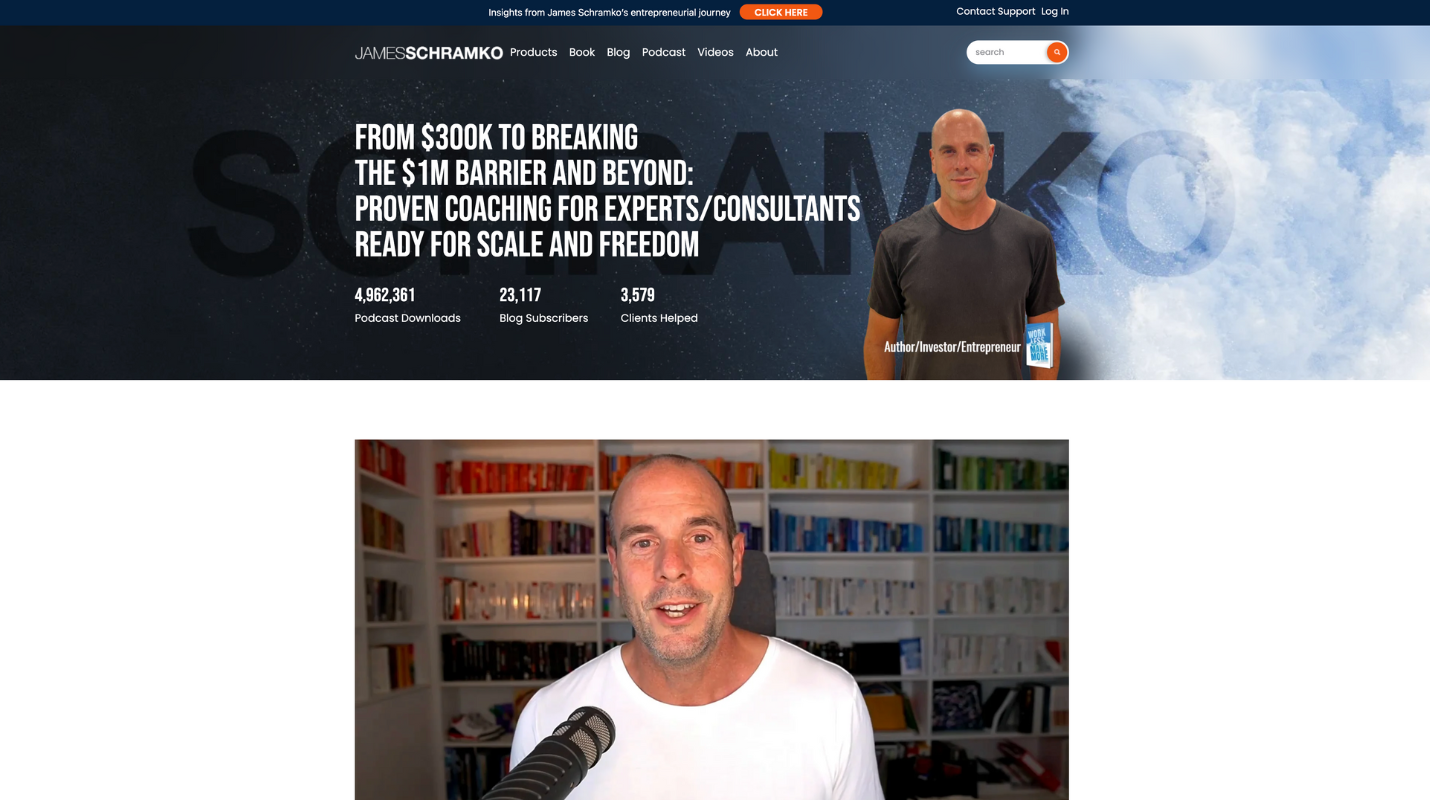
8. The Value Proposition Statement: James Schramko
James Schramko of SuperFastBusiness utilizes a "Brand Statement" prominently on his site. This statement immediately identifies who his services are for and what problem they solve.
Professional Analysis: This reduces "bounce rates" by ensuring that the right visitors stay on the site while those outside the target demographic self-select out. It is an efficiency-first approach to personalization.
9. Simplified Call-to-Action (CTA) Framework: Kelly Exeter
Kelly Exeter’s approach to personalization involves a direct, jargon-free CTA. By using a formulaic but personal tagline—"(Name) is a (Role) who helps (Audience) do (Action)"—she removes cognitive friction for the reader.
10. Identity-Based Marketing: Puttylike
Emily Wapnick of Puttylike takes personalization a step further by defining her audience through a new terminology: the "Multipotentialite." By giving her readers a name for their shared experience, she builds a community based on a collective identity. Her use of a quiz ("Are You a Multipotentialite?") as a lead magnet is a textbook example of interactive personalization.
Chronology of the Blogging Evolution
To understand the current state of personalization, one must look at the timeline of digital publishing:
- 1994–1999: The Journal Era. Early blogs like Justin Hall’s Links.net were essentially digital diaries. Personalization was inherent but lacked commercial structure.
- 2000–2009: The Monetization Era. The launch of AdSense (2003) and the rise of "ProBlogging" led to a focus on SEO and volume. Personality was often sacrificed for keyword density.
- 2010–2018: The Social Media Integration Era. Platforms like Instagram and Twitter forced bloggers to become "influencers." The personal brand became the primary asset.
- 2019–Present: The Authority Era. In a landscape of "fake news" and AI content, personalization has become a marker of authenticity and human-verified expertise.
Supporting Data: The ROI of the Personal Brand
A study by Nielsen found that only 33% of consumers trust advertisements, while 90% trust recommendations from people they know. Furthermore, "personal brand" content on social media sees 561% more reach than the same content shared by a brand or corporate account. These figures underscore the financial incentive for bloggers to move away from faceless, corporate-style content toward a more personalized model.
In the context of email marketing, personalized subject lines are 26% more likely to be opened. For bloggers, this translates to the need for a "voice" that resonates within the inbox, not just on the webpage.
Official Responses and Industry Sentiment
While there are no "official" governing bodies for blogging, major platforms like Google have updated their Quality Rater Guidelines to include "E-E-A-T" (Experience, Expertise, Authoritativeness, and Trustworthiness). The "Experience" component, added in late 2022, specifically looks for content produced by someone with first-hand, personal experience with the subject matter.
Industry leaders at the 2023 Content Marketing World conference echoed this sentiment, stating that "the brand is the person." The consensus among digital strategists is that as search engines get better at identifying human-centric content, those who have invested in personalization will see a "trust dividend" in their rankings.
Broader Impact and Future Implications
The shift toward hyper-personalization in blogging has broader implications for the future of work and the creator economy. As individuals become their own media companies, the line between personal life and professional identity continues to blur.
Looking forward, the rise of Generative AI poses a unique challenge. While AI can replicate the style of a writer, it cannot replicate the lived experience or the physical presence of a human creator. Therefore, personalization strategies—such as the use of personal photos (YTravel), unique life philosophies (Puttylike), and distinct human voices (Shannon Kelly White)—will likely become the only way for human creators to remain competitive.
In conclusion, the success of the ten bloggers profiled is not a result of luck, but of a deliberate, multifaceted approach to personalization. By integrating visual identity, linguistic consistency, and strategic audience definition, they have transitioned from mere content creators to influential brand leaders. For the modern blogger, the data is clear: the most effective way to scale a digital presence is to lean into the one thing that cannot be automated—personality.