Farhan Pambudi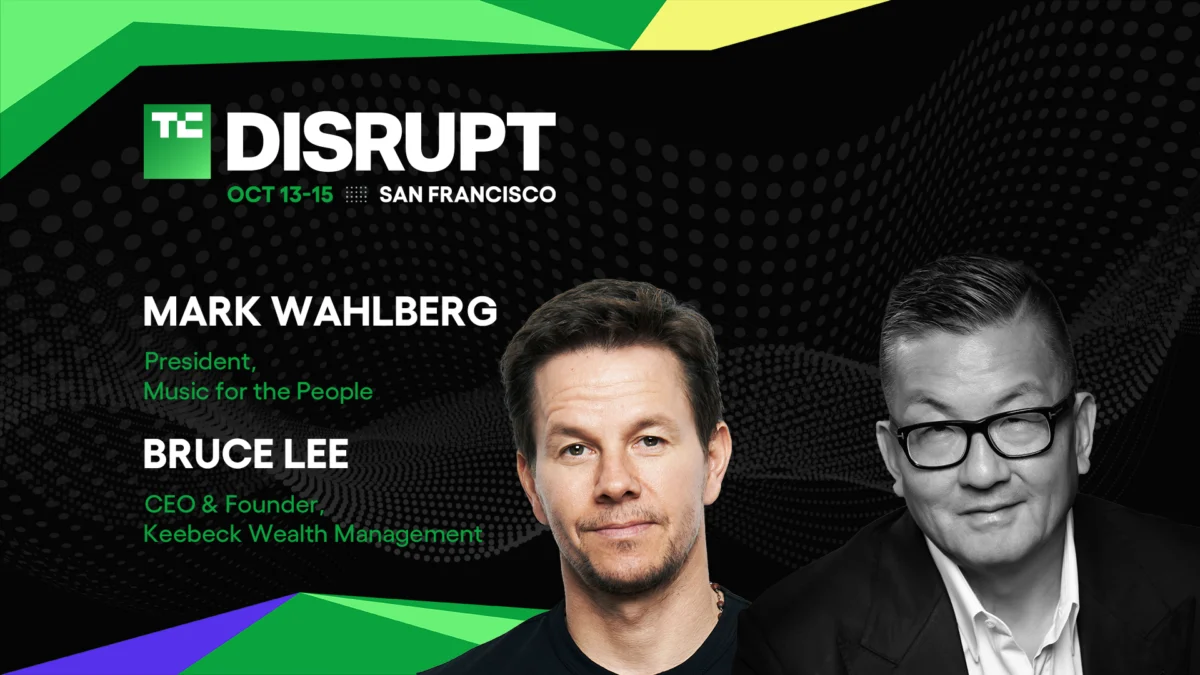
Mark Wahlberg, the Academy Award-nominated actor and multifaceted entrepreneur, is scheduled to appear as a keynote speaker at TechCrunch Disrupt 2026 in San Francisco. This appearance marks a significant pivot in the public narrative of Wahlberg’s career, moving beyond his established reputation in the global film industry toward his burgeoning role as a sophisticated institutional investor. Wahlberg will be joined on the Disrupt stage by Bruce K. Lee, the Founder and Chief Executive Officer of Keebeck Wealth Management, for a fireside chat focused on the intersection of cultural intelligence and venture capital. The session, which will take place at Moscone West between October 13 and October 15, 2026, is expected to provide a detailed roadmap of how Wahlberg transitioned from an "A-list" entertainer into a disciplined business strategist with a specific focus on the healthcare and wellness sectors.
The Strategic Shift from Screen to Boardroom
Wahlberg’s career trajectory has long been characterized by a relentless work ethic and a capacity for reinvention. While he first gained international acclaim for his breakout role in the 1997 film "Boogie Nights," the subsequent three decades have seen him amass two Academy Award nominations and a Golden Globe nomination for "The Fighter." His influence in Hollywood extended into production, where he earned multiple Emmy nominations for high-profile HBO projects such as "Entourage." However, as his filmography continued to grow—most recently with the 1966-set civil rights thriller "By Any Means"—Wahlberg began quietly laying the groundwork for a massive commercial empire that operates independently of the box office.
In the upcoming Disrupt 2026 session, Wahlberg is expected to address the "unlearning" process required to move from the creative arts into the world of high-stakes finance. For much of his early business career, Wahlberg relied on what he describes as "entrepreneurial instinct"—a gut-level understanding of consumer trends, branding, and culture. While this approach proved successful in launching ventures such as the restaurant chain Wahlburgers and his production company, the transition to institutional-level investing required a more rigorous, data-driven methodology. Under the mentorship of Bruce K. Lee, Wahlberg has refined his approach, moving toward a model that prioritizes long-term scalability and technological innovation over mere celebrity endorsement.
Chronology of a Growing Business Empire
To understand the context of Wahlberg’s appearance at TechCrunch Disrupt, it is necessary to examine the chronological development of his business interests. Over the last 25 years, Wahlberg has moved through several distinct phases of entrepreneurial growth:
- The Philanthropic Foundation (2001): The establishment of the Mark Wahlberg Youth Foundation focused on supporting inner-city youth, marking his first major foray into organizational leadership outside of a film set.
- The Production Phase (Mid-2000s): Through "Unrealistic Ideas" and other production vehicles, Wahlberg began exerting control over intellectual property, shifting from a "hired gun" actor to a stakeholder in the content creation process.
- The Diversification Era (2010s): This period saw the launch of Wahlburgers, which eventually expanded to over 90 locations globally, as well as investments in the fitness sector through F45 Training and the apparel industry via the brand Municipal.
- The Venture Capital Pivot (2020s): In recent years, Wahlberg has moved toward angel investing and venture capital, focusing on startups that align with his personal interests in wellness, longevity, and healthcare technology.
By 2026, this portfolio has matured into a complex network of holdings that require the kind of sophisticated management typically associated with family offices or boutique wealth management firms. The partnership with Bruce K. Lee and Keebeck Wealth Management represents the "institutionalization" of Wahlberg’s brand, transforming a collection of disparate businesses into a unified investment strategy.

Supporting Data: The Rise of the Celebrity Investor
Wahlberg’s presence at TechCrunch Disrupt reflects a broader trend within the technology and venture capital ecosystems. According to market data from the mid-2020s, celebrity-led venture funds and angel investments have become a permanent fixture in the startup landscape. Analysts note that entertainers and athletes often bring three unique assets to a cap table:
- Cultural Intelligence: An innate understanding of consumer behavior and brand sentiment that traditional analysts may overlook.
- Trust and Access: The ability to open doors to retail partnerships and marketing channels that are otherwise inaccessible to early-stage startups.
- Deal Flow: High-profile figures often receive "first look" opportunities at emerging technologies due to their public visibility.
However, the "celebrity investor" model has historically been fraught with risk. Many high-profile figures have seen their investments fail due to a lack of due diligence or an over-reliance on personal affinity for a product. Wahlberg’s session at Disrupt is specifically designed to address these pitfalls. He is expected to discuss the mechanics of leveling up in a competitive landscape where cultural relevance is not a substitute for financial literacy.
Background on TechCrunch Disrupt and the 2026 Landscape
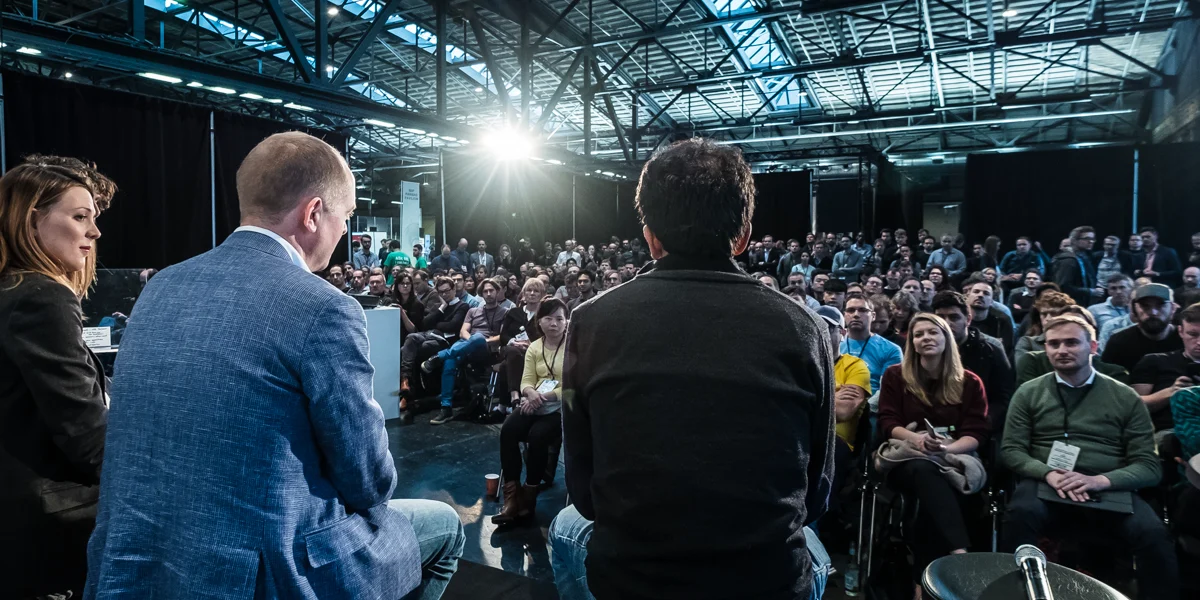
TechCrunch Disrupt remains one of the world’s most influential platforms for the debut of new technologies and the discussion of venture trends. The 2026 edition is slated to be one of the largest in the event’s history, with more than 10,000 attendees and 250 speakers across 200 sessions. The event traditionally serves as the staging ground for the "Startup Battlefield," a competition that has helped launch companies like Dropbox and Mint.
The inclusion of Wahlberg on the 2026 roster signals TechCrunch’s recognition that the "builder" archetype is evolving. It is no longer restricted to the software engineer or the Silicon Valley native; it now encompasses individuals who can leverage massive social and financial capital to drive innovation in traditional industries like fitness and healthcare. San Francisco’s Moscone West will serve as the hub for this convergence of Hollywood, finance, and technology.
Analyzing the Focus on Healthcare and Wellness
A key component of the Wahlberg-Lee fireside chat will be their shared focus on the healthcare and wellness sectors. As the global population ages and the "longevity economy" continues to expand, healthcare startups have become prime targets for venture capital. Wahlberg’s interest in this space is logically inferred from his long-standing public association with physical fitness and high-performance living.
Inferences from current market trends suggest that Wahlberg is likely targeting technologies related to:

- Personalized Nutrition: AI-driven platforms that tailor dietary intake to individual genetic profiles.
- Wearable Health Tech: Devices that go beyond basic step-counting to provide real-time diagnostic data.
- Mental Health Platforms: Scalable digital solutions for inner-city populations, bridging the gap between his philanthropic work and his investment goals.
By focusing on these areas, Wahlberg is positioning himself at the center of a "wellness revolution" that is increasingly driven by software and biotechnology. This strategic focus provides a more sustainable path than traditional retail investments, which are often subject to the whims of fashion and consumer trends.
Broader Implications for the Startup Ecosystem
The dialogue between Wahlberg and Lee carries implications for the broader startup ecosystem. It suggests that for a startup to succeed in 2026, it needs more than just a viable product; it needs a narrative that can cut through the noise of a crowded digital marketplace. Wahlberg’s ability to drive "deal flow" through his massive career trust is a case study in how social capital can be converted into financial equity.
Furthermore, the "unvarnished look" promised at Disrupt suggests a move toward greater transparency in celebrity business dealings. Wahlberg’s willingness to discuss his mistakes and the "mechanics of leveling up" may encourage other high-net-worth individuals to adopt a more disciplined, institutional approach to their investments. This, in turn, could lead to a more stable and professionalized environment for the startups that receive celebrity backing.
Official Expectations and Logistical Deadlines
While official statements from Wahlberg’s camp have been concise, the narrative surrounding the event emphasizes the "playbook" aspect of his career. Organizers have indicated that the session will not be a promotional stop for a film, but rather a deep dive into the business of being Mark Wahlberg. Bruce K. Lee’s presence ensures that the conversation remains grounded in the realities of wealth management and market volatility.
For those looking to attend, the timeline is critical. Disrupt 2026 organizers have announced that ticket prices will increase on September 25, 2026. The event itself, running from October 13-15, will feature a diverse array of stages, including the "Builders Stage" and the "AI Stage," providing a comprehensive view of the technological landscape.
As the tech world converges on San Francisco, the Wahlberg-Lee session stands out as a highlight for those interested in the evolution of leadership and the future of consumer-facing technology. It represents a rare moment where the "highest-wattage" of Hollywood fame meets the rigorous scrutiny of the venture capital world, offering a glimpse into how the next generation of innovation will be funded and marketed.