Lina Wu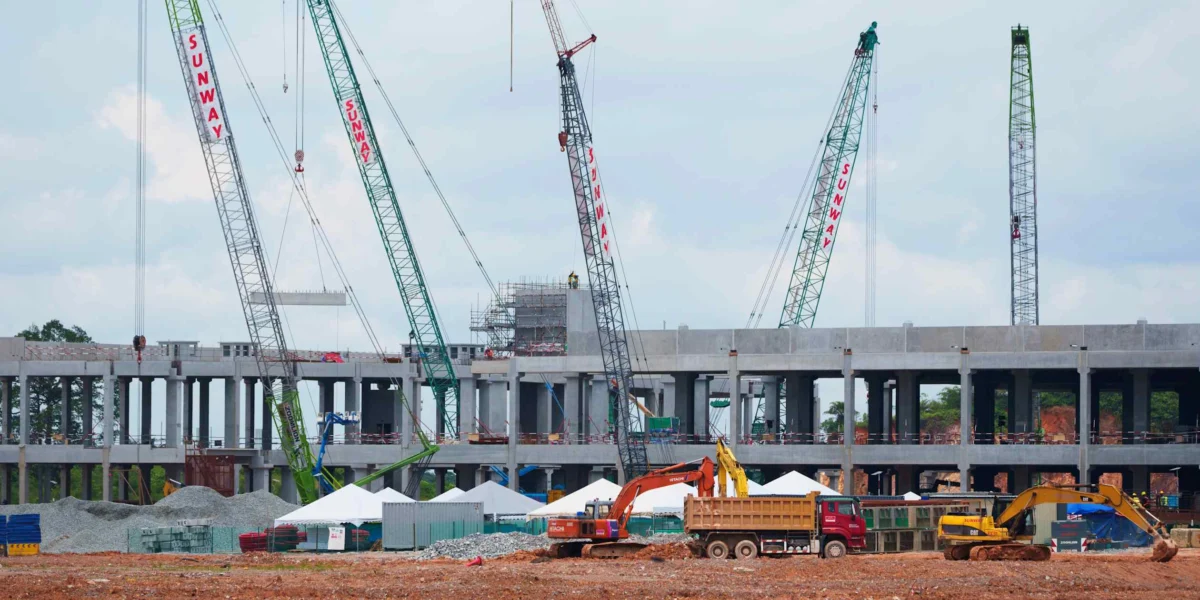
JOHOR — Malaysia’s southern state of Johor has rapidly ascended to become the preeminent data center hub in Southeast Asia, a position largely cemented by its strategic geographical advantage and the insatiable digital appetites of its densely populated, land-constrained neighbor, Singapore. This meteoric rise, however, is now confronting a growing tide of local apprehension, as the accelerated pace of development begins to strain resources and raise questions about long-term sustainability. The burgeoning industry, a critical component of the global digital infrastructure, is transforming Johor’s landscape, promising significant economic benefits while simultaneously presenting complex challenges that will require careful navigation by both investors and local authorities.
The genesis of Johor’s data center boom can be traced back to the early 2020s, a period marked by an exponential increase in data generation and consumption worldwide. The COVID-19 pandemic, in particular, accelerated digital transformation across industries, driving demand for cloud computing, artificial intelligence, and the underlying infrastructure to support these services – namely, data centers. Singapore, a mature and highly developed financial and technology hub, quickly found its physical space constraints a bottleneck for further expansion. Its limited landmass and high real estate costs made it increasingly difficult to accommodate the vast footprint required for large-scale data center facilities.
This situation created a unique opportunity for Johor, separated from Singapore by a narrow strait. The Malaysian state offered abundant land, more competitive operational costs, and a robust power grid, making it an attractive alternative for hyperscale cloud providers and colocation operators looking to expand their regional presence. Early investments, starting around 2020-2021, began to solidify Johor’s position. Companies like Yondr, a global data center provider, announced significant investments in the Sedenak Tech Park, a specially designated zone designed to attract high-tech industries. Other major players, including giants like Nvidia and Google, have also signaled strong interest or made substantial commitments to establish or expand their operations in the region, further bolstering Johor’s reputation as a digital gateway.
The growth trajectory has been nothing short of remarkable. Data from industry analysts indicates that Johor has witnessed a compound annual growth rate (CAGR) in data center capacity exceeding 30% in recent years, significantly outpacing other major hubs in the region. This surge is not merely about building physical structures; it represents a massive influx of capital, job creation in specialized fields, and a significant boost to Malaysia’s digital economy aspirations. By the end of 2025, projections suggested that Johor would possess a data center capacity of over 1,000 megawatts, a figure that continues to be revised upwards as new projects are announced. This scale of development places Johor firmly on the global map of critical digital infrastructure locations.
Strategic Advantages: The Singapore Nexus
Johor’s success is inextricably linked to Singapore’s strategic importance as a global digital connectivity hub and its demand for data processing and storage. Singapore boasts an unparalleled subsea cable landing station network, connecting it to major markets across Asia, Europe, and North America. This extensive connectivity makes it a vital point for data flow. However, the city-state’s physical limitations mean it cannot house the sheer volume of data centers required to meet the escalating demand from cloud providers, financial institutions, and other data-intensive enterprises.
This symbiotic relationship has allowed Johor to position itself as a "Singapore overflow" market, offering a readily available and cost-effective solution for data center expansion. The proximity allows for low-latency connectivity between facilities in Johor and Singapore, crucial for applications demanding near real-time data processing. Companies can leverage Singapore’s superior subsea cable infrastructure while utilizing Johor’s land and cost advantages for their physical data center build-outs. This strategic alignment has been a primary driver of investment, with many multinational corporations opting for a multi-site strategy that spans both locations.
The development is concentrated in specific industrial parks, most notably the Sedenak Tech Park in the Kulai district of Johor. This park has been meticulously planned and developed with the specific needs of data centers in mind, including access to reliable and high-capacity power, robust telecommunications infrastructure, and a supportive regulatory environment. Other areas in Johor, such as Iskandar Puteri and the Pasir Gudang industrial zone, are also seeing significant data center development, creating a broader ecosystem for the industry.
Emerging Local Concerns: A Shadow on the Boom
Despite the undeniable economic benefits and the promise of technological advancement, the rapid and extensive development of data centers in Johor is beginning to stir local concerns. The sheer scale of energy consumption required by these facilities is a primary point of contention. Data centers are notoriously power-hungry, and the surge in demand is placing considerable strain on the local electricity grid. Reports from the state’s energy utility company have indicated the need for significant upgrades to meet projected future demand, which could translate into higher energy costs for other consumers and potentially impact the reliability of supply.
Furthermore, the environmental footprint of such large-scale industrial operations is coming under scrutiny. While the industry emphasizes its efforts towards energy efficiency and renewable energy adoption, the significant water requirements for cooling systems and the land use implications are becoming increasingly prominent issues. Johor, like many regions, faces its own water resource management challenges, and the added demand from data centers is a growing concern for local communities and environmental groups. There are also nascent discussions around the potential for e-waste generation from the constant upgrading of server hardware within these facilities.
The pace of development has also led to concerns about the impact on local infrastructure, including roads and transportation networks, which are struggling to keep up with the influx of construction activity and, eventually, the operational needs of these large facilities. Local employment opportunities are also a point of discussion. While the sector creates jobs, there are questions about whether these are primarily high-skilled roles that benefit the local workforce adequately, or if there is a reliance on expatriate talent for specialized positions. Community engagement and transparency regarding the long-term planning and impact of these developments are becoming increasingly important.
Chronology of Key Developments
- Early 2020s: Increased global demand for data services due to digital transformation and the COVID-19 pandemic. Singapore’s land constraints become a significant bottleneck.
- 2020-2021: Initial major investments begin in Johor, particularly in the Sedenak Tech Park, by global data center providers like Yondr. Malaysian government signals support for digital infrastructure development.
- 2022-2023: Rapid expansion of data center projects announced and construction commences. Johor solidifies its reputation as a leading regional hub. Major tech companies express interest and begin planning for facilities.
- 2024: Continued strong investment momentum. Concerns begin to surface more prominently among local communities and environmental groups regarding energy consumption, water usage, and infrastructure strain. Industry stakeholders begin to address these concerns through public statements and sustainability initiatives.
- 2025-2026 (Projected): Further significant capacity increases are expected. Johor aims to become one of the largest data center hubs globally. Policymakers face the challenge of balancing economic growth with environmental sustainability and local community needs.
Supporting Data and Projections
The economic impact of the data center boom in Johor is substantial. A report by the Malaysian Investment Development Authority (MIDA) indicated that data center investments in Malaysia, largely concentrated in Johor, have reached billions of dollars in recent years. For instance, investments by companies like Yondr alone have been in the hundreds of millions of dollars for their Sedenak facility.
- Power Consumption: A single large hyperscale data center can consume electricity equivalent to that of a small town. Projections suggest that the total power demand from data centers in Johor could increase by over 50% in the next five years, necessitating substantial upgrades to the national grid.
- Land Use: Large data center campuses can span tens of hectares, raising questions about land allocation and its impact on other potential land uses, such as agriculture or residential development.
- Job Creation: While direct employment in data center operations is specialized, the broader ecosystem of construction, maintenance, and IT services creates a multiplier effect, potentially generating thousands of jobs.
Official Responses and Industry Commitments
In response to growing concerns, both the Malaysian federal government and the Johor state government have reiterated their commitment to sustainable development. Officials have emphasized the importance of attracting high-value investments while ensuring that environmental and social considerations are adequately addressed. The Malaysian government has been actively promoting the use of renewable energy sources for data centers, encouraging investments in solar and other green energy solutions.
Industry players are also increasingly vocal about their sustainability efforts. Major data center providers are investing in energy-efficient cooling technologies, exploring water recycling systems, and committing to procuring renewable energy. Companies like Equinix and Digital Realty have publicly stated their goals to achieve 100% renewable energy usage for their global operations, a commitment that extends to their facilities in Johor.
The Johor state government, through agencies like Invest Johor, is working to streamline regulatory processes for responsible development. They are also engaging in dialogues with local communities and environmental stakeholders to address concerns and ensure that development aligns with broader state objectives for economic growth and environmental protection. The establishment of specialized economic zones like the Sedenak Tech Park is designed to provide a controlled environment for such development, with infrastructure and regulatory frameworks tailored to the needs of data centers.
Broader Impact and Future Implications
The transformation of Johor into a major data center hub has far-reaching implications for Malaysia and the wider Southeast Asian region. Economically, it positions Malaysia as a key player in the global digital economy, attracting significant foreign direct investment and fostering innovation in the technology sector. This can lead to the development of a more skilled workforce and the growth of ancillary industries.
However, the challenges associated with this rapid expansion cannot be understated. The long-term sustainability of Johor’s data center boom will depend on its ability to manage its resources effectively. This includes ensuring a stable and increasingly green power supply, responsible water management, and minimizing environmental impact. The state will need to continuously invest in and upgrade its infrastructure to support this growth.
Furthermore, the social contract between developers, the government, and local communities will be crucial. Addressing local concerns proactively, ensuring equitable distribution of benefits, and maintaining transparency in development processes will be vital to preventing potential backlash and ensuring the long-term success and acceptance of the data center industry. The ongoing evolution of data center technology, including advancements in energy efficiency and cooling, will also play a significant role in shaping the industry’s future in Johor. The state’s ability to adapt and innovate in response to these technological shifts will determine its sustained competitiveness as a premier data center destination in the years to come.