Lina Wu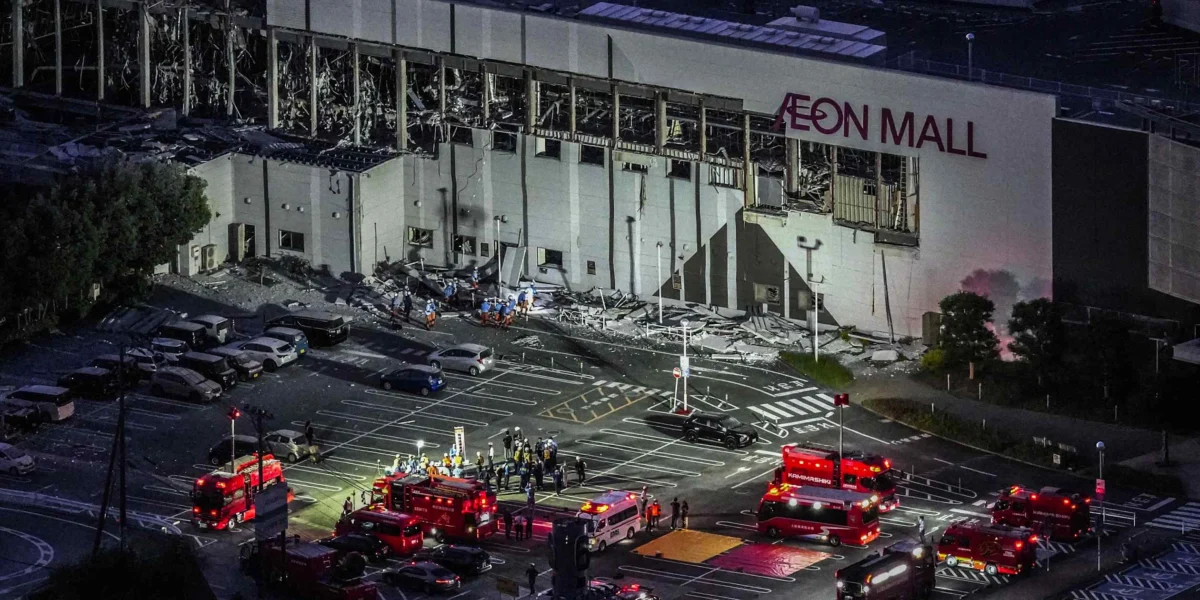
A powerful earthquake, registering an estimated magnitude of 7.1, struck southwestern Japan’s Kumamoto prefecture on Tuesday afternoon at approximately 4:27 p.m. local time, unleashing widespread destruction and triggering a series of devastating aftershocks. The seismic event originated beneath the southern main island of Kyushu at a shallow depth of about 16 kilometers, according to the Japan Meteorological Agency (JMA). This marks the first time since the New Year’s Day earthquake on the Noto Peninsula in 2024 that Japan has experienced a tremor reaching the maximum intensity of 7 on its domestic seismic scale, a measurement indicating extreme shaking capable of causing catastrophic damage.
The JMA has issued a stark warning, advising that strong aftershocks are highly probable and could persist for approximately one week, with particular concern focused on the immediate two to three days following the initial, devastating quake. This prolonged period of seismic activity significantly heightens the risk of further structural damage, landslides, and potential disruptions to essential services, compounding the challenges faced by rescue and recovery efforts.
The immediate aftermath of the earthquake saw a horrific explosion at Aeon Mall Kumamoto in Kashima, a major commercial hub. The Fire and Disaster Management Agency confirmed that a section of the mall’s second floor collapsed, trapping numerous individuals within the debris. Emergency responders worked tirelessly under perilous conditions, successfully rescuing eight people. Tragically, the incident resulted in two confirmed fatalities and one case of cardiopulmonary arrest, underscoring the immediate and life-threatening consequences of the seismic event.
By 5 p.m. on Tuesday, just hours after the initial tremor, the Kumamoto prefectural police had reported a grim tally of 12 collapsed houses. The extent of the disaster became chillingly clear as authorities also documented four instances of individuals trapped within their homes and two separate fires that had broken out across the prefecture, further exacerbating the chaos and destruction.
On Wednesday, Prime Minister Sanae Takaichi provided an updated casualty report, stating that the number of individuals confirmed to have died as a direct result of the earthquake had risen to 13. This figure also includes those whose connection to the disaster is still under investigation, highlighting the ongoing and complex nature of identifying and accounting for all victims.
The human toll of the earthquake was vividly illustrated by the personal accounts of those who experienced the terrifying event firsthand. Kentaro Hirai, deputy general manager of manufacturing planning at Hirai Group, a company renowned for its bento and prepared-food chain operating in Kumamoto city, recounted his harrowing experience from the company’s headquarters. He described the sudden, violent shaking as leaving him in a state of stunned disbelief, rendering him momentarily unable to think or react. Inside the headquarters, he witnessed screens toppling one after another, and some of the internal lighting systems failed, plunging parts of the building into darkness.
The fear and disorientation were palpable, as evidenced by a call from a colleague of Mr. Hirai, who hailed from Myanmar. The colleague, clearly terrified, reported his phone’s battery had plummeted to a precarious 10%. With both gas and electricity supplies severed, he expressed his profound uncertainty about what to do or how to navigate the perilous situation he found himself in.
In the immediate hours following the quake, a desperate scramble for essential supplies ensued. Residents, driven by an urgent need for daily necessities, flocked to any open stores, even resorting to purchasing items that had fallen to the floor due to the tremors. At retail establishments that had sustained significant structural damage, the most basic of provisions, such as drinking water, sold out within a mere hour, illustrating the rapid depletion of resources and the growing concern for immediate survival.
Chronological Overview of the Disaster
Day 1: Tuesday
- 4:27 p.m. JST: A magnitude 7.1 earthquake strikes southwestern Japan’s Kumamoto prefecture. The epicenter is located under the southern main island of Kyushu at a depth of approximately 16 kilometers. The quake registers an intensity of 7 on the Japanese seismic scale, indicating extreme shaking.
- Following the main shock: An explosion occurs at Aeon Mall Kumamoto in Kashima, leading to the collapse of part of the second floor and trapping numerous people.
- Late afternoon/Early evening: Rescue operations commence at Aeon Mall Kumamoto. Eight individuals are successfully rescued. Tragically, two deaths and one case of cardiopulmonary arrest are confirmed from the mall incident.
- 5:00 p.m. JST: Kumamoto prefectural police report 12 collapsed houses, four instances of people trapped in homes, and two fires within the prefecture.
- Evening: Residents report desperate attempts to secure essential supplies, with many stores experiencing rapid sell-outs of items like drinking water. Personal accounts emerge of the terrifying shaking and its immediate aftermath.
Day 2: Wednesday
- Morning: Prime Minister Sanae Takaichi announces an updated death toll of 13, including those whose cause of death is still under investigation.
- Ongoing: Rescue and damage assessment efforts continue across Kumamoto prefecture. The Japan Meteorological Agency reiterates warnings about the potential for significant aftershocks over the coming week. Authorities begin to assess the broader implications for infrastructure, public safety, and economic activity.
Supporting Data and Context
Seismic Intensity Scale: Japan utilizes a seismic intensity scale that ranges from 0 to 7. An intensity of 7, as recorded in Kumamoto, signifies violent shaking that causes widespread destruction, including the collapse of buildings, significant ground deformation, and severe damage to infrastructure. This level of intensity is rare and indicates a catastrophic seismic event.
Recent Seismic Activity: The Noto Peninsula earthquake on January 1, 2024, also registered an intensity of 7, causing extensive damage and significant loss of life. This recent event underscores Japan’s ongoing vulnerability to powerful seismic activity and the importance of its stringent building codes and disaster preparedness measures.
Geological Setting: Japan is situated on the Pacific Ring of Fire, a horseshoe-shaped zone of intense seismic and volcanic activity that encircles the Pacific Ocean. The region is characterized by the convergence of several tectonic plates, leading to frequent earthquakes and volcanic eruptions. The specific location of this earthquake off the coast of Kyushu places it within a geologically active area known for its susceptibility to seismic events.
Population Density and Infrastructure: Kumamoto prefecture, and Kyushu island more broadly, are densely populated areas with significant industrial and agricultural activity. The impact of a magnitude 7.1 earthquake on such regions can have profound consequences for the economy, supply chains, and the daily lives of millions of people. The damage to critical infrastructure, such as roads, bridges, and utility lines, can severely hamper rescue efforts and prolong recovery periods.
Official Responses and Emergency Measures
The Japanese government, under Prime Minister Sanae Takaichi, has mobilized its resources to address the crisis. The immediate focus has been on search and rescue operations, providing medical assistance to the injured, and ensuring the safety of affected populations. The Self-Defense Forces have been deployed to assist with relief efforts, including transportation of supplies and personnel, and the establishment of temporary shelters.
The Ministry of Land, Infrastructure, Transport and Tourism is actively assessing the damage to transportation networks, including highways, railways, and airports, to facilitate the movement of aid and personnel. Power and water companies are working to restore essential services to affected areas, a process that is often complicated by ongoing seismic activity and damage to infrastructure.
Local authorities in Kumamoto prefecture are coordinating with national agencies to manage the disaster response. This includes the establishment of evacuation centers, the distribution of food and water, and the provision of psychological support to those affected by the earthquake. The warnings from the Japan Meteorological Agency about continued aftershocks are a critical factor in planning ongoing response and recovery efforts, emphasizing the need for vigilance and preparedness.
Broader Impact and Implications
The magnitude 7.1 earthquake in Kumamoto prefecture is expected to have far-reaching consequences beyond the immediate human toll and physical destruction.
Economic Impact: The damage to businesses, factories, and agricultural land will inevitably lead to significant economic losses. Disruptions to supply chains, particularly for industries reliant on the region, could have national and even international ramifications. The cost of rebuilding and recovery will place a considerable strain on both local and national budgets.
Social Disruption: The earthquake has displaced thousands of residents, creating an urgent need for temporary housing and long-term support. The psychological trauma experienced by survivors, coupled with the loss of homes and livelihoods, will require sustained social services and community support programs.
Infrastructure Resilience: The event will undoubtedly prompt a review of Japan’s already robust earthquake preparedness strategies and infrastructure resilience. While Japan is renowned for its earthquake-resistant construction, the intensity of this quake will likely lead to further research and development in seismic engineering and disaster mitigation techniques.
Food Security: The agricultural sector in Kumamoto prefecture is a significant contributor to Japan’s food supply. Damage to farms, irrigation systems, and processing facilities could impact the availability and price of certain food products.
Future Preparedness: The recurrence of a magnitude 7 earthquake, especially with maximum intensity shaking, serves as a stark reminder of Japan’s ongoing seismic risk. It underscores the importance of continuous investment in early warning systems, public education on earthquake safety, and the development of effective response protocols. The lessons learned from this disaster will be crucial in shaping future preparedness strategies to mitigate the impact of inevitable future seismic events. The resilience of the Japanese people and their established disaster management frameworks will be put to the test in the coming weeks and months as the nation grapples with the aftermath of this devastating earthquake.