Ella Zulfa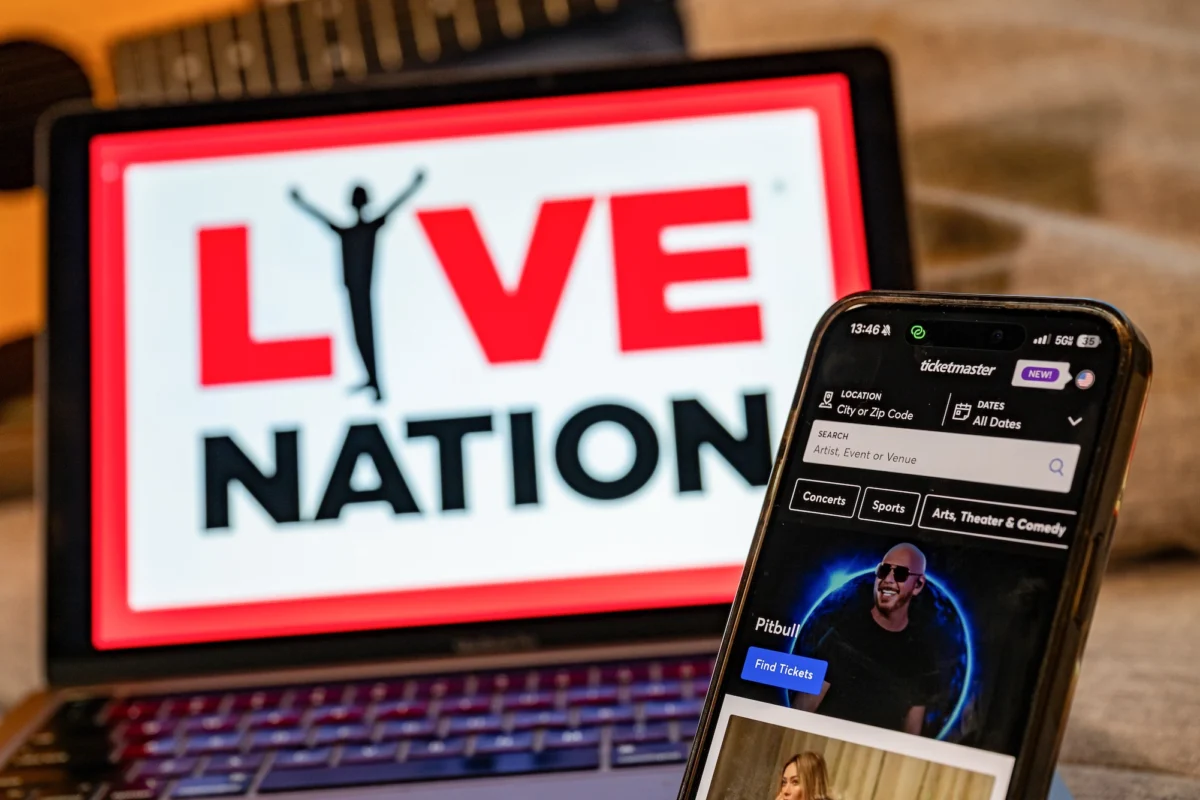
A landmark jury verdict in a New York federal court has officially declared Live Nation Entertainment and its subsidiary Ticketmaster guilty of operating as an illegal monopoly within the live music industry. This decision, reached on April 15, 2026, by a jury after a protracted trial, represents a significant victory for consumers, artists, and venues who have long contended with the pervasive influence of the ticketing giant. The ruling validates widespread frustration and allegations that the company has leveraged its dominant market position to the detriment of fair competition and fan experience, with unearthed trial evidence including a startling internal statement from a Ticketmaster employee reportedly discussing the practice of "robbing fans blind."
The legal battle against Live Nation commenced in 2024 when the U.S. Department of Justice, alongside a coalition of 39 state attorneys general, filed a sweeping antitrust lawsuit. The core of their complaint alleged that Live Nation’s comprehensive control over nearly every facet of the live music ecosystem – from concert promotion and venue ownership to ticketing and artist management – had created a stifling environment that harmed competition, artists, and ultimately, the fans who bear the brunt of inflated costs and limited choices. This extensive reach has been a subject of scrutiny for years, with critics pointing to a pattern of exclusive deals and aggressive business practices that have systematically marginalized competitors.
Midway through the trial, the Department of Justice proposed a settlement aimed at resolving some of the allegations. This agreement stipulated that Live Nation would cap service fees at a maximum of 15% and, crucially, would be compelled to open its events to competing ticketing platforms such as SeatGeek. The proposed deal also included the establishment of a $280 million fund intended to compensate for damages incurred by consumers. However, this proposed resolution was not universally accepted. More than two dozen states ultimately rejected the settlement, opting instead to continue pursuing the case through a full trial, driven by a desire for a more definitive judicial determination of Live Nation’s monopolistic practices. Their persistence has now culminated in the jury’s decisive verdict, underscoring their belief that the settlement did not go far enough to address the systemic issues.
The central question now facing the industry and consumers is whether the 15% service fee cap, as part of the DOJ’s mid-trial settlement, will translate into genuinely affordable ticket prices or merely offer a marginal reduction in the often exorbitant costs associated with attending live events. The jury’s monopoly verdict provides a legal foundation for further scrutiny and potential remedies, but the practical impact on ticket affordability remains a significant point of discussion and anticipation.
The Genesis of a Monopoly: A Chronology of Control
The roots of Live Nation’s dominance can be traced back to a pivotal merger that fundamentally reshaped the live entertainment landscape. In 2010, Live Nation, a major concert promoter and venue operator, officially merged with Ticketmaster, the nation’s largest ticketing company. This union, though approved by regulators at the time with certain divestitures, created an entity with unprecedented control over the live event pipeline. The rationale presented for the merger often centered on efficiencies and improved customer experience, but critics have long argued that it consolidated too much power into a single corporation.
Following the merger, Live Nation Entertainment systematically expanded its influence. It acquired numerous independent promoters, secured exclusive contracts with a vast network of arenas and amphitheaters, and continued to solidify Ticketmaster’s position as the dominant ticketing platform. This strategy effectively created a significant barrier to entry for potential competitors, as artists and tours often found themselves contractually obligated to work with Live Nation and use Ticketmaster for ticketing, limiting their options and leverage.
The DOJ’s lawsuit, filed in 2024, was the culmination of years of investigation and mounting complaints from various stakeholders. The department argued that Live Nation had engaged in a pattern of anti-competitive behavior, including:
- Exclusive Agreements: Forcing venues to use Ticketmaster exclusively, thereby shutting out competitors.
- Retaliation Against Venues: Punishing venues that partnered with rival ticketing companies.
- Bundling Services: Using its dominance in one area (e.g., promotion) to pressure venues or artists to use its ticketing services.
- Suppressing Competition: Acquiring or driving out smaller ticketing companies and promoters.
The trial itself brought to light internal communications and documents that painted a stark picture of the company’s market strategy. The alleged statement from a Ticketmaster employee, suggesting an intent to "rob fans blind," became a potent symbol of the perceived exploitative nature of the company’s fee structures and business practices. This revelation resonated with millions of concertgoers who have experienced the sticker shock of service fees, dynamic pricing, and other charges that often significantly increase the base ticket price.
Data and Dominance: Quantifying the Market Share
The sheer scale of Live Nation and Ticketmaster’s market control is a critical factor in understanding the jury’s verdict. While precise, universally agreed-upon market share figures can be complex to ascertain in dynamic industries, various reports and analyses have consistently pointed to their overwhelming dominance.
- Ticketing Market: Ticketmaster has historically held a commanding share of the U.S. ticketing market, often estimated to be upwards of 70-80% for primary ticket sales for major venues and events. This dominance means that for many concerts, sporting events, and theatrical performances, Ticketmaster is the de facto, if not the only, ticketing option available.
- Concert Promotion and Venue Ownership: Live Nation is the world’s largest producer of live music events and operator of music venues. It promotes or produces a significant percentage of major concerts and festivals globally. This control over the supply side of the live music industry gives it immense leverage over artists and further entrenches Ticketmaster’s position as the primary ticketing partner for these events. Data from industry observers and court filings have indicated that Live Nation’s promotion of concerts in the United States accounts for a substantial majority of all concerts held at major venues.
- Economic Impact: The economic implications of this monopoly are far-reaching. Inflated ticket prices directly impact consumer spending on entertainment. Furthermore, the lack of competition can limit artist earnings by dictating terms and reducing their ability to negotiate better deals. For smaller venues, being locked into exclusive ticketing agreements can stifle their growth and limit their flexibility in attracting diverse events.
The sheer volume of transactions processed by Ticketmaster annually, numbering in the hundreds of millions, underscores its central role. This scale allows the company to gather extensive data on consumer behavior, further enabling its pricing strategies and market entrenchment.
Reactions and Ramifications: A Divided Landscape
The verdict has elicited a range of reactions from various stakeholders in the live music ecosystem.
Consumer Advocates: For consumer groups and individual fans, the verdict is a vindication. Years of frustration over high fees, inaccessible tickets, and perceived price gouging have found a legal echo in the jury’s decision. Organizations that have long campaigned for fairer ticketing practices have hailed the ruling as a crucial step towards a more equitable market.
Artists and Musicians: The impact on artists is complex. While some artists have benefited from the infrastructure and reach provided by Live Nation, many have expressed concerns about the restrictive contracts and the percentage of revenue that ultimately goes to ticketing and promotion companies rather than the creators themselves. The verdict could potentially lead to greater artist agency and more favorable contract terms in the future. Some independent artists and smaller labels, who have struggled to compete for visibility and access to venues, may also see new opportunities arise from increased competition.
Competitors: Rival ticketing companies and promoters, who have long been squeezed out of the market, view the verdict as a crucial turning point. They hope it will pave the way for greater access to events and a more competitive ticketing landscape. The inclusion of SeatGeek as a potential alternative within the DOJ’s settlement is a significant indicator of this desired shift.
Live Nation Entertainment: The company has publicly stated its commitment to complying with legal requirements and continuing to serve fans, artists, and the industry. However, the financial and operational implications of the verdict, along with any potential remedies ordered by the court, will undoubtedly necessitate significant strategic adjustments. The company is expected to appeal the verdict.
Government and Regulators: The Department of Justice and the coalition of state attorneys general have expressed satisfaction with the outcome, viewing it as a triumph for antitrust enforcement. They will now focus on the implementation of any court-ordered remedies and ensuring compliance with the law. The case sets a precedent for future antitrust actions against dominant players in other industries.
The Road Ahead: Implications for the Future of Live Events
The jury’s verdict against Live Nation and Ticketmaster marks a pivotal moment in the history of the live music industry. The implications of this ruling are multifaceted and will likely shape the future of how fans purchase tickets, how artists connect with audiences, and how live events are organized and promoted.
Potential for Increased Competition: The most immediate and anticipated outcome is a potential increase in competition within the ticketing and live event promotion markets. If enforced effectively, the ruling could dismantle barriers that have previously excluded rival companies, leading to a more diverse range of ticketing options and potentially more competitive pricing for consumers. This could manifest in more flexible fee structures, innovative ticketing solutions, and a wider array of venues and events accessible to smaller promoters.
Re-evaluation of Fee Structures: The 15% service fee cap, even if initially part of a settlement, highlights a societal demand for greater transparency and fairness in ticketing fees. The jury’s finding of a monopoly could empower regulators and consumer groups to push for further reductions or more standardized and understandable fee structures across the industry. The debate over the true cost of a ticket, beyond the face value, has been amplified by this case.
Artist Empowerment: The ruling may lead to a recalibration of power dynamics between artists and promoters/ticketing companies. With a more competitive market, artists may gain greater leverage in negotiating terms, potentially leading to higher artist payouts and more control over their tour logistics and ticketing strategies. This could be particularly beneficial for emerging artists who have historically struggled to gain traction against established players.
Enhanced Consumer Choice and Experience: Ultimately, the goal of antitrust enforcement is to benefit consumers. A more competitive market is expected to translate into greater choice for fans, potentially leading to more accessible ticket prices, a wider variety of events, and improved customer service from ticketing platforms. The frustration that has fueled public outcry for years could begin to dissipate as the market evolves.
Regulatory Scrutiny and Potential Breakup: While the immediate outcome is a guilty verdict, the long-term remedies will be determined in subsequent legal proceedings. This could range from strict oversight and mandated changes in business practices to, in more extreme cases, a forced divestiture or breakup of Live Nation Entertainment. Such a structural change would fundamentally alter the landscape of the live entertainment industry.
The path forward for Live Nation and Ticketmaster will involve navigating legal appeals, adapting to new regulatory requirements, and potentially undergoing significant operational restructuring. The jury’s decision, however, has sent a clear message: the era of unchecked monopolistic control in live music ticketing is facing a decisive reckoning. The industry now stands at a crossroads, with the potential for a more open, competitive, and fan-centric future on the horizon. The coming months and years will be crucial in determining the extent to which this potential is realized and whether the promise of a fairer live music market can truly take hold.