Ella Zulfa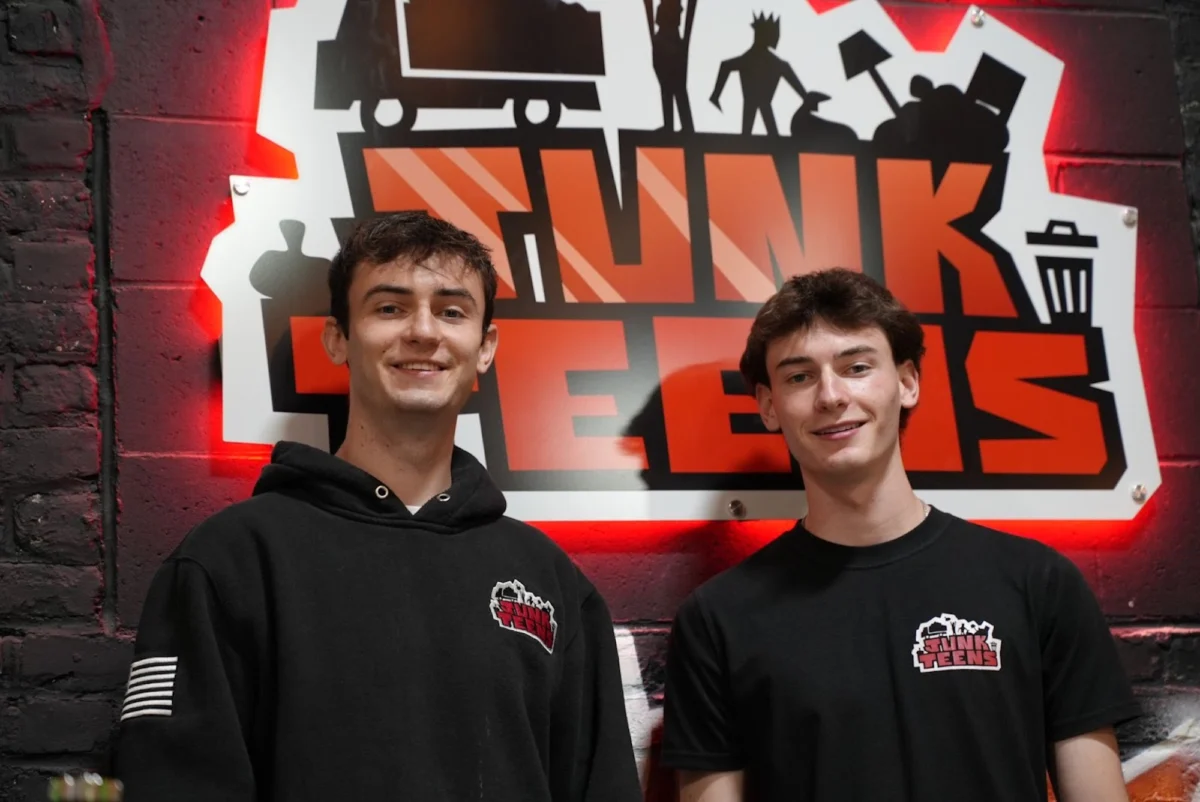
When Entrepreneur first spotlighted brothers Kirk and Jacob McKinney in 2024, their Greater Boston-based junk-removal enterprise, Junk Teens, was already a remarkable success story, generating $1.2 million in revenue as a burgeoning side hustle. Today, the company has not only solidified its position but has experienced explosive growth, becoming a dominant force in the waste management and removal industry, projected to reach $5 million in revenue in 2026. This meteoric rise, fueled by strategic delegation, innovative technological adoption, and a unique focus on cultivating a dynamic, youth-centric company culture, offers a compelling case study for aspiring entrepreneurs, particularly those in traditionally blue-collar sectors.
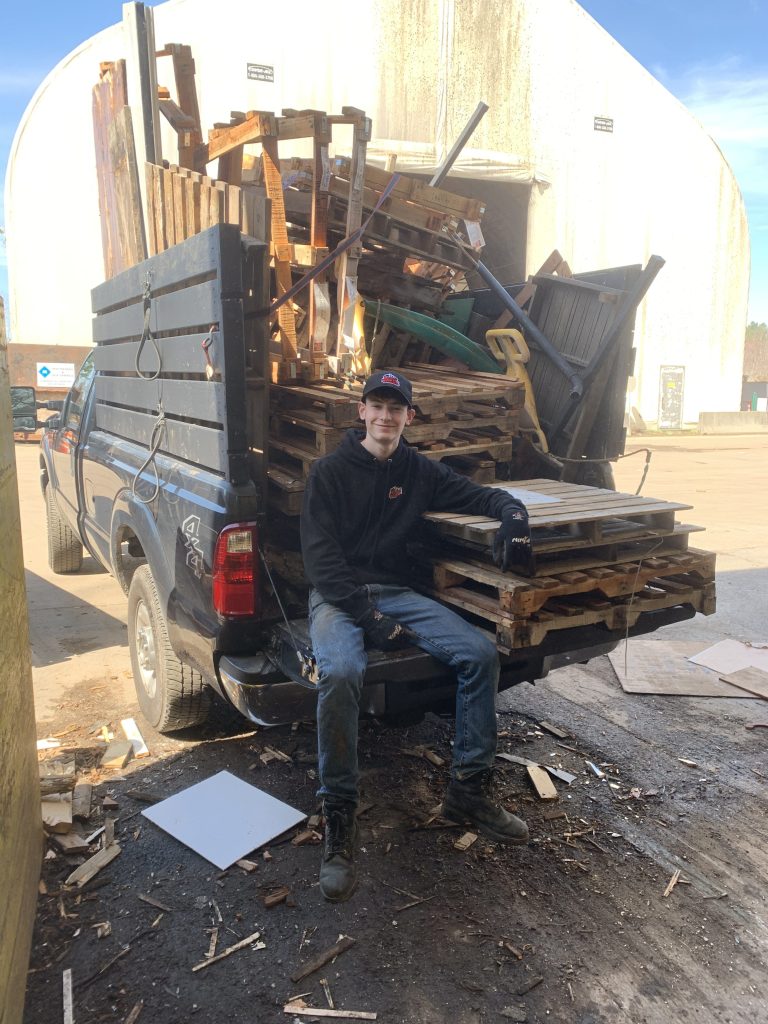
The genesis of Junk Teens can be traced back to 2021, when the then-teenaged brothers launched their venture with a single pickup truck. Their initial entrepreneurial spark ignited when they discovered a pair of working speakers at a local dump. Recognizing their resale potential, they salvaged them, along with other usable items, accumulating approximately $1,000 worth of inventory. This initial haul was successfully offloaded on Facebook Marketplace, laying the foundation for a business model that prioritizes sustainability and resourcefulness by diverting usable goods from landfills. This early success demonstrated the brothers’ keen eye for opportunity and their understanding of burgeoning online sales platforms, particularly appealing to Gen Z consumers.
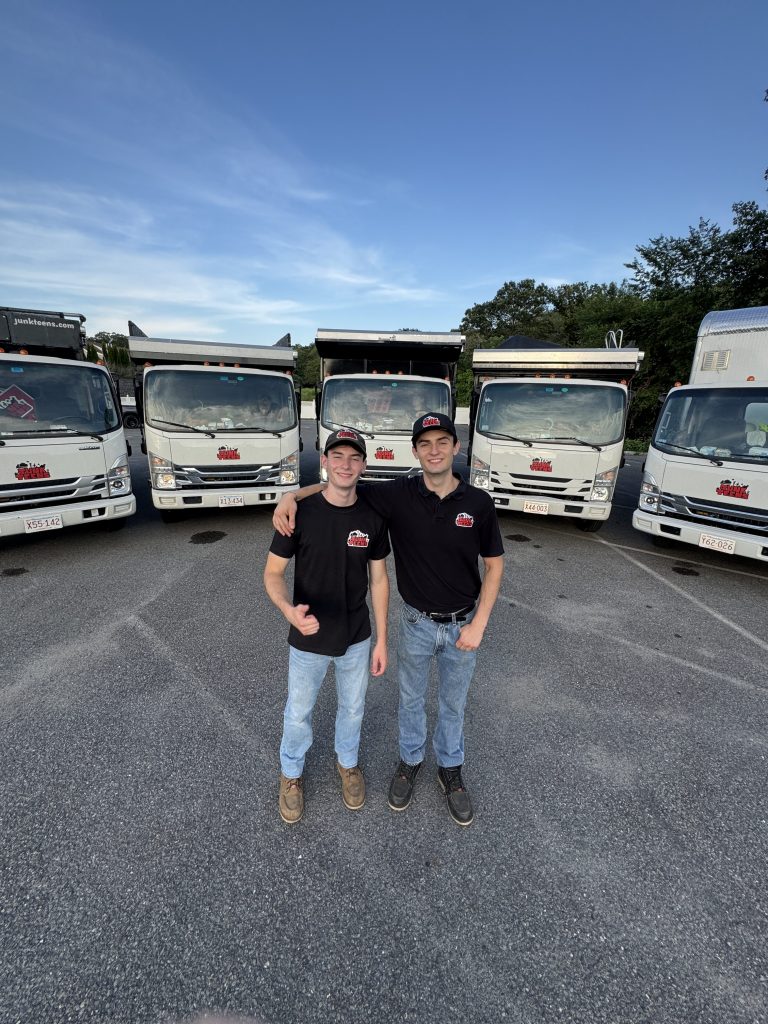
From those humble beginnings, Junk Teens has transformed into a formidable operation. The largely student-run service now boasts a fleet of eight trucks and employs 25 full-time individuals, expanding its service area to include Cape Cod and Rhode Island. The company’s commitment to responsible waste management is evident in its operational scale; Junk Teens has processed an estimated 7.4 million pounds of items, meticulously sorting usable goods for donation, resale, or repurposing. This dedication to minimizing waste aligns with growing consumer and regulatory demands for environmentally conscious business practices. The company’s revenue trajectory reflects this success, having hit $3 million in 2025 and with projections indicating a reach of $5 million in 2026.

Beyond its impressive financial growth, Junk Teens has actively engaged with its community, forging significant partnerships. A collaboration with Computers 4 People resulted in a successful computer drive, refurbishing and distributing laptops and desktops to under-resourced communities. Additionally, a partnership with WellStrong on Cape Cod raised crucial funds for wellness and substance abuse recovery programs, underscoring the company’s commitment to social responsibility. These initiatives not only enhance the company’s public image but also demonstrate a genuine desire to contribute positively to the areas they serve.
Breaking the Bottleneck: The Power of Delegation
A critical turning point in Junk Teens’ expansion involved addressing operational bottlenecks, particularly within Jacob McKinney’s initial role as the primary scheduler and disposer of collected items. As the business grew, managing a fleet of three to four trucks meant Jacob was dedicating upwards of 12 hours daily to these tasks, leaving little room for strategic growth initiatives. "I was working 12 hours a day, nonstop," Jacob recalls. "So I didn’t really have any more time to try to figure out how to hire someone else or anything like that. Long story short, one of the biggest first things we did was delegate my job position."
The McKinney brothers ingeniously unraveled Jacob’s multifaceted role into several distinct positions. This strategic division of labor not only streamlined employee scheduling and hiring processes but also freed up valuable time for both brothers. Kirk explains, "We promoted to manager one of our guys who had been with us for a couple years who was taking a gap year from college, and gave him some of the responsibilities that Jake had, like calling in the employees every day and reviewing the schedule." This delegation allowed Jacob to step out of the operational bottleneck and collaborate more effectively with Kirk on developing robust business systems and comprehensive training programs, paving the way for scalable growth.
Embracing Technology and AI for Enhanced Operations
In its early stages, Junk Teens relied on surprisingly rudimentary tools. As recently as 2024, when the company was already achieving $1.2 million in revenue, its entire day-to-day operations were managed through Apple Notes. Kirk elaborates on this unconventional system: "Then Jake would sort those out and copy and paste those schedules to the guys that were going out every day. That was how we ran our business. It was basically a $1 million side hustle at that point."
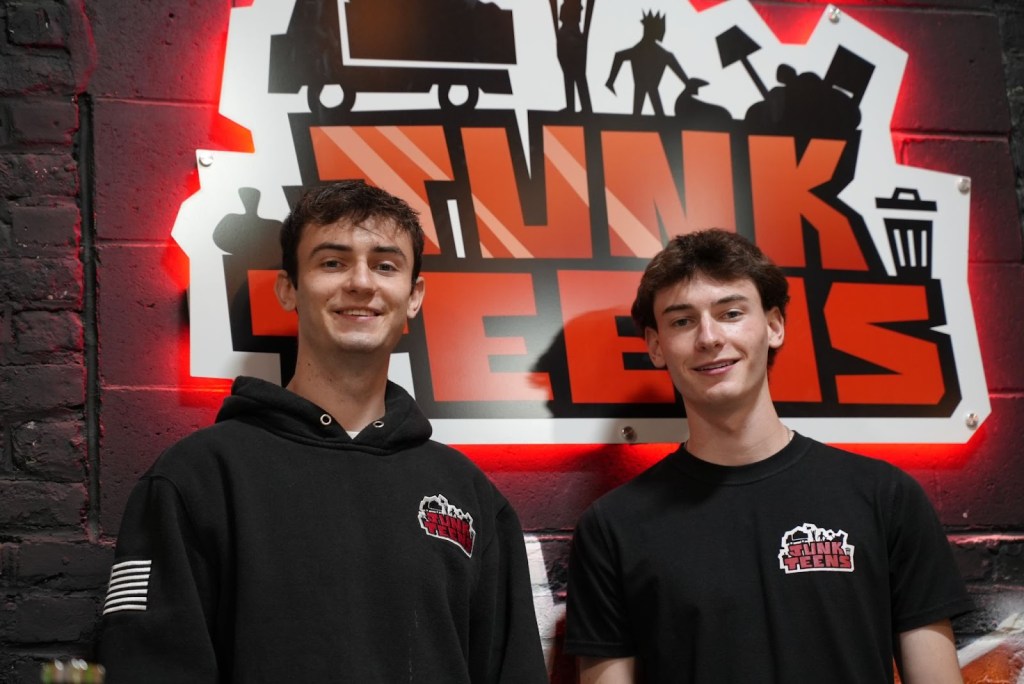
Recognizing the limitations of this manual approach, Junk Teens has since embraced a suite of modern technological solutions. The company now utilizes Jobber for customer relationship management, GoHighLevel for customer data acquisition and engagement, and Connecteam for efficient employee management. This integration of specialized software has dramatically improved operational efficiency, customer service, and internal communication.
Furthermore, Junk Teens is actively exploring and implementing artificial intelligence (AI) across its operations. This includes leveraging the inherent automation capabilities within its software stack to make sense of data and streamline workflows. A particularly innovative application of AI is their development of a proprietary app, built by a Junk Teens employee with basic tech skills. Utilizing platforms like Base44 and referencing ChatGPT for UI/UX design, this in-house application features a leaderboard and detailed statistics to track employee performance, such as revenue generated per hour and closing rates. Kirk highlights the significance of this development: "Our entire app was developed by a teenager. That’s another interesting thing – that technology’s at the point where high school kids can create full apps. And our entire company uses that app every single day." This demonstrates a forward-thinking approach to technology adoption, empowering young talent within the organization.
Amplifying Reach Through Strategic Social Media and Content Creation
The company’s marketing strategy has also undergone a significant evolution. Initially, Kirk would manually edit and post social media content when time permitted. Now, Junk Teens has systemized its social media presence, transforming it into a powerful marketing and team-building tool. Kirk now collects footage during job operations, often utilizing Meta Glasses and GoPros, and then outsources the editing process to realize his creative vision. This approach allows him to maintain strategic oversight while leveraging specialized skills for content production.
About eight months prior to the article’s original publication, Kirk began training other Junk Teens team members to capture field operations. "So now I have all this great content to work with, and then I can kind of be the translator between that footage and the team," Kirk explains. This decentralized content gathering ensures a steady stream of authentic material, showcasing the daily realities of the junk removal business. This strategy has yielded impressive results, with Junk Teens amassing over 213,000 followers on TikTok, 269,000 on Instagram, and 69,000 subscribers on YouTube.
The impact of this robust social media presence extends beyond marketing. Kirk notes its significant role in fostering a strong company culture: "A company is just a group of people at the end of the day, and when you see yourself in these videos and the social media’s capturing it, you’re a part of that, and it really elevates the culture. Then new people see what we have going on here, and it actually attracts more people who want to work with us." This creates a positive feedback loop, where engaging content not only attracts customers but also serves as a powerful recruitment tool for a young workforce.
Cultivating a Vibrant Culture for a Young Workforce
A cornerstone of Junk Teens’ success lies in its deliberate cultivation of a vibrant company culture, particularly tailored to its predominantly young workforce. The majority of Junk Teens employees are high school or college students. To attract and retain top talent in this demographic, the company prioritizes competitive compensation, offering an average of $25 to $30 per hour, inclusive of hourly rates, commissions, and tips.
This compensation structure, coupled with the company’s growth, fosters a sense of shared investment among employees. "A lot of the employees feel like they’re building the company with us because they’re also building their opportunity as the company grows," Kirk observes. "Because of that, we have a lot of forward-thinking people, and I think that us all being young is a part of why that happens." This mutual growth dynamic creates a motivated and engaged workforce.
While the seasonality of junk removal—with business volume nearly doubling in summer months—means some employees depart for the academic year, this ebb and flow is strategically managed. The addition of the Cape Cod location, which generated $350,000 in services during peak season last year, highlights the business’s ability to scale effectively with seasonal demands.
The high energy and open-mindedness inherent in a young team contribute significantly to the positive company culture. Jacob elaborates on this environmental effect: "In that scenario where someone had something happen in their life where they might be a little down coming in the next day, they get picked right back up because there’s 10 or 15 other guys that all have high energy around them. It’s impossible to still act sad or down when you’re in that type of environment." This supportive and energetic atmosphere not only enhances employee well-being but also translates into more efficient and enjoyable customer interactions.
Charting a Course for Nationwide Expansion
With a robust operational framework and a thriving company culture firmly in place, the McKinney brothers are now setting their sights on national expansion, aiming to achieve this goal within the next couple of years. Their strategy revolves around perfecting their existing business systems to ensure replicability across new markets.
Kirk expresses his overarching vision: "For me, the most exciting thing is empowering the youth. With technology, there are so many opportunities to make money. But everyone’s always going to need junk removed. There’s always going to be high schoolers looking for after-school and summer jobs. And young people are looking for different career paths other than the traditional college route." This mission-driven approach underscores Junk Teens’ commitment to providing viable and lucrative career opportunities for young individuals.
The brothers frequently receive direct messages from aspiring young entrepreneurs seeking guidance. Their consistent advice to such individuals is to overcome procrastination and take decisive action. "I don’t think there’s ever a perfect roadmap unless you already have $1 million and are a business expert, which we were not, and most people starting businesses are not," Jacob advises. "So start, even if it’s not going to be the business that you retire with. We just started with something that we thought was adventurous and entertaining, not even something that we thought would make us the most money." This philosophy of embracing the journey and learning through doing has been instrumental in Junk Teens’ remarkable ascent from a simple side hustle to a rapidly expanding national enterprise. Their story serves as a powerful testament to the potential that lies within young entrepreneurs, innovative business practices, and the strategic leveraging of technology and human capital.